ART
BEAUTY & WELLNESS
CRAFT
CULTURE & HISTORY
ENTERTAINMENT
ENVIRONMENT
FOOD & DRINKS
REVERSE ENGINEERING
SCIENCES
SPORTS
TECHNOLOGY
WEARABLES
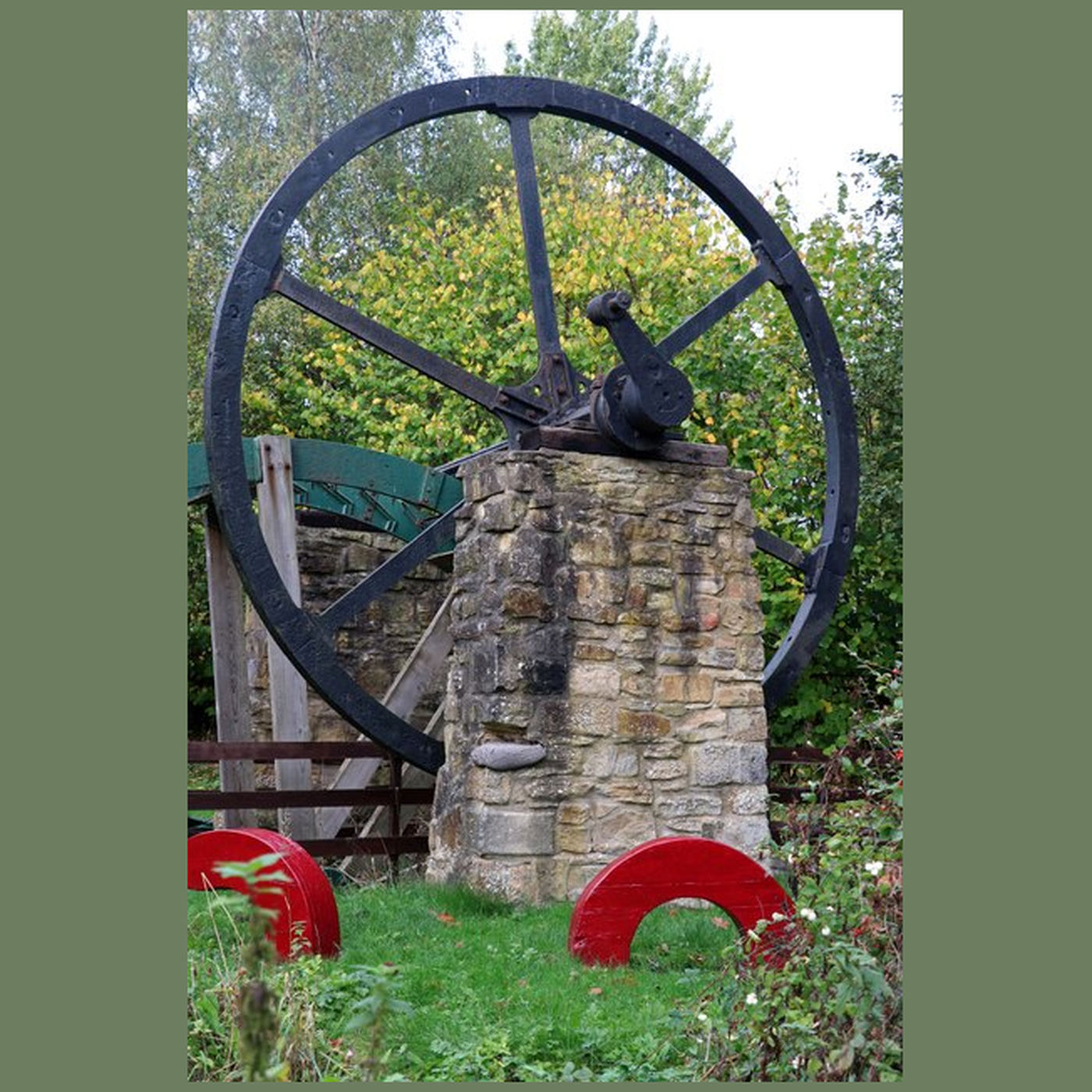


The Crank and the Flywheel: Smoothing One Bang in Two Turns
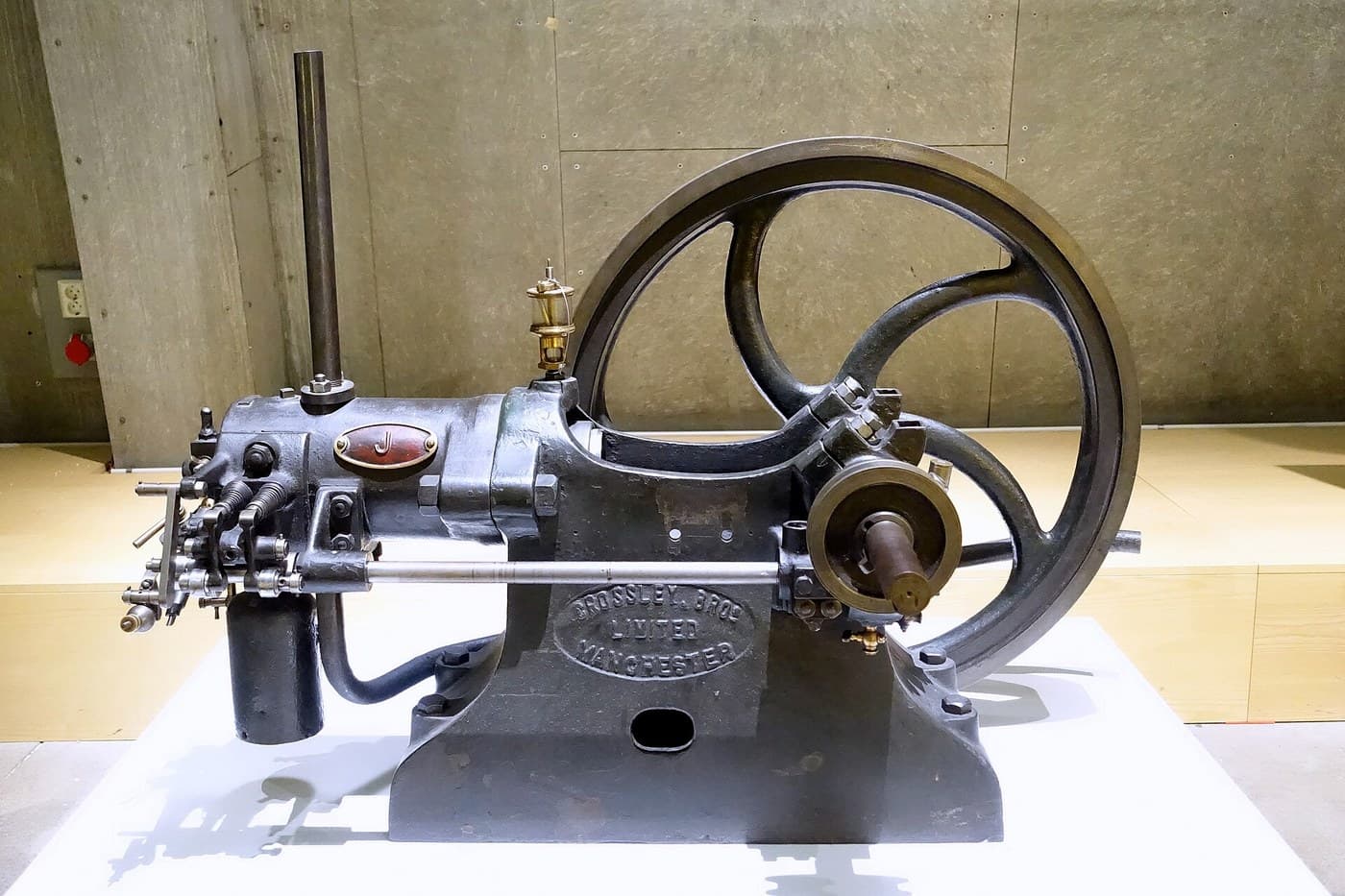
A four-stroke single-cylinder engine pushes on its crank for half a turn in every two. The rest of the time the crank must be carried round — through exhaust, intake and compression — by energy stored in a flywheel. How heavy that flywheel must be depends on how uneven the torque is and how steady the speed must stay.
This practice rung generates the torque curve of an idealised engine from the slider-crank geometry and an Otto-cycle pressure trace, sizes a flywheel from it, and builds a slider-crank model to check the piston motion by hand.
Intermediate
About 3 hours
Instructions
1
1
Torque round a cycle, and the flywheel it needs
Torque round a cycle, and the flywheel it needs
Loading Jupyter Notebook...
2
2
Build a slider-crank and check it by hand
Build a slider-crank and check it by hand
Cut a plywood base. Pivot a plywood crank disc on a bolt, with a crank pin 40 mm off centre. Cut a connecting rod 140 mm between hole centres, and a slider that runs in a slot or between two strips — the 'piston'. Glue a protractor under the crank disc.
Turn the crank in 30° steps and measure the piston's distance from the crank centre with the steel rule. Compare with the notebook's formula. Notice that the piston moves further during the half-turn near top dead centre than near bottom — the connecting rod's angle causes it, and it is why the torque trace is lopsided.
Materials for this step:
 Plywood Sheet1 sheet
 Machine Screws6 pieces
 Hardwood Dowels1 set
Tools needed:
 Cordless Drill
 Drill Bit Set
 Protractor
 Steel Ruler
 Digital Caliper 6-Inch
3
3
Context
Context
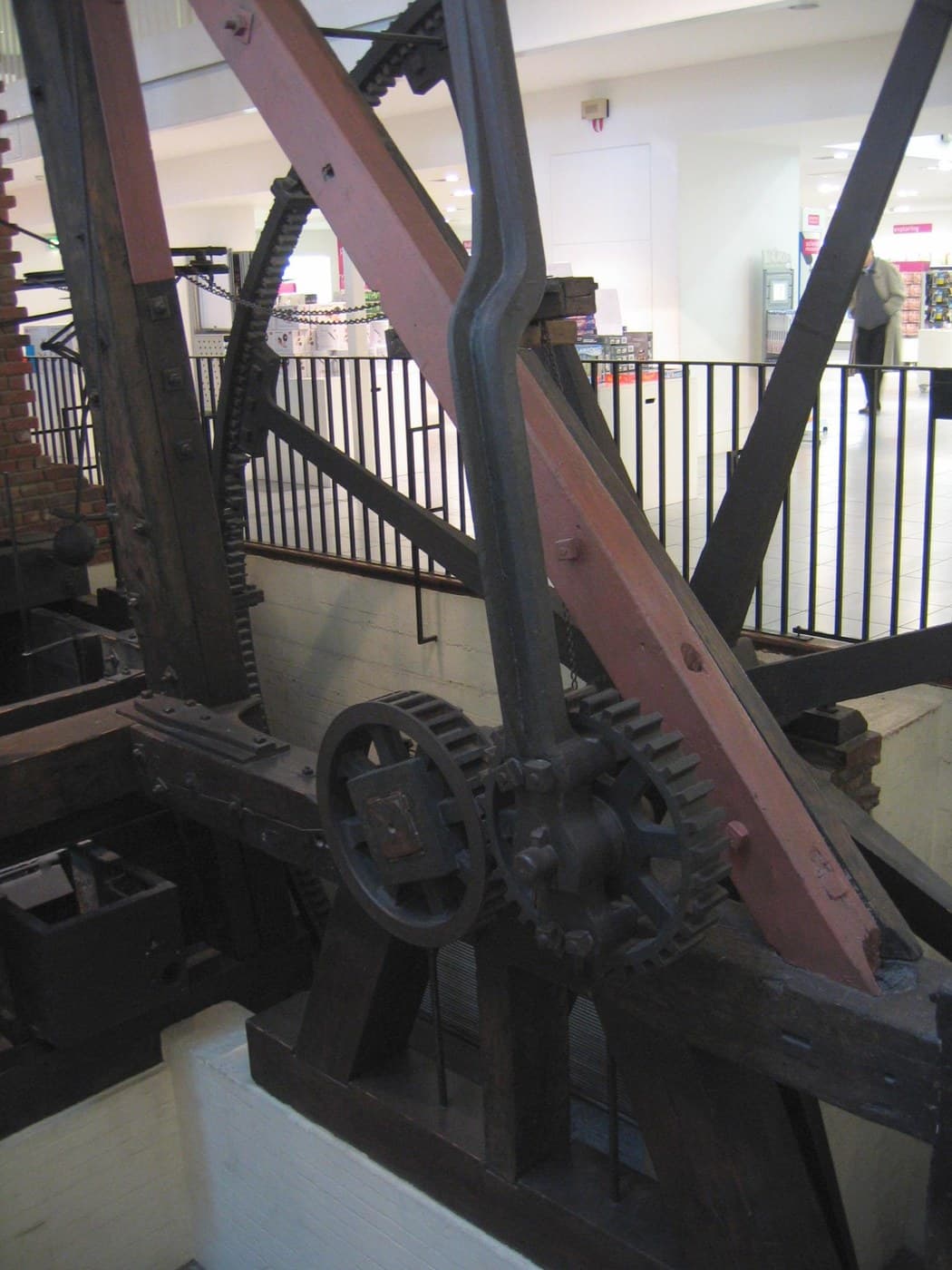
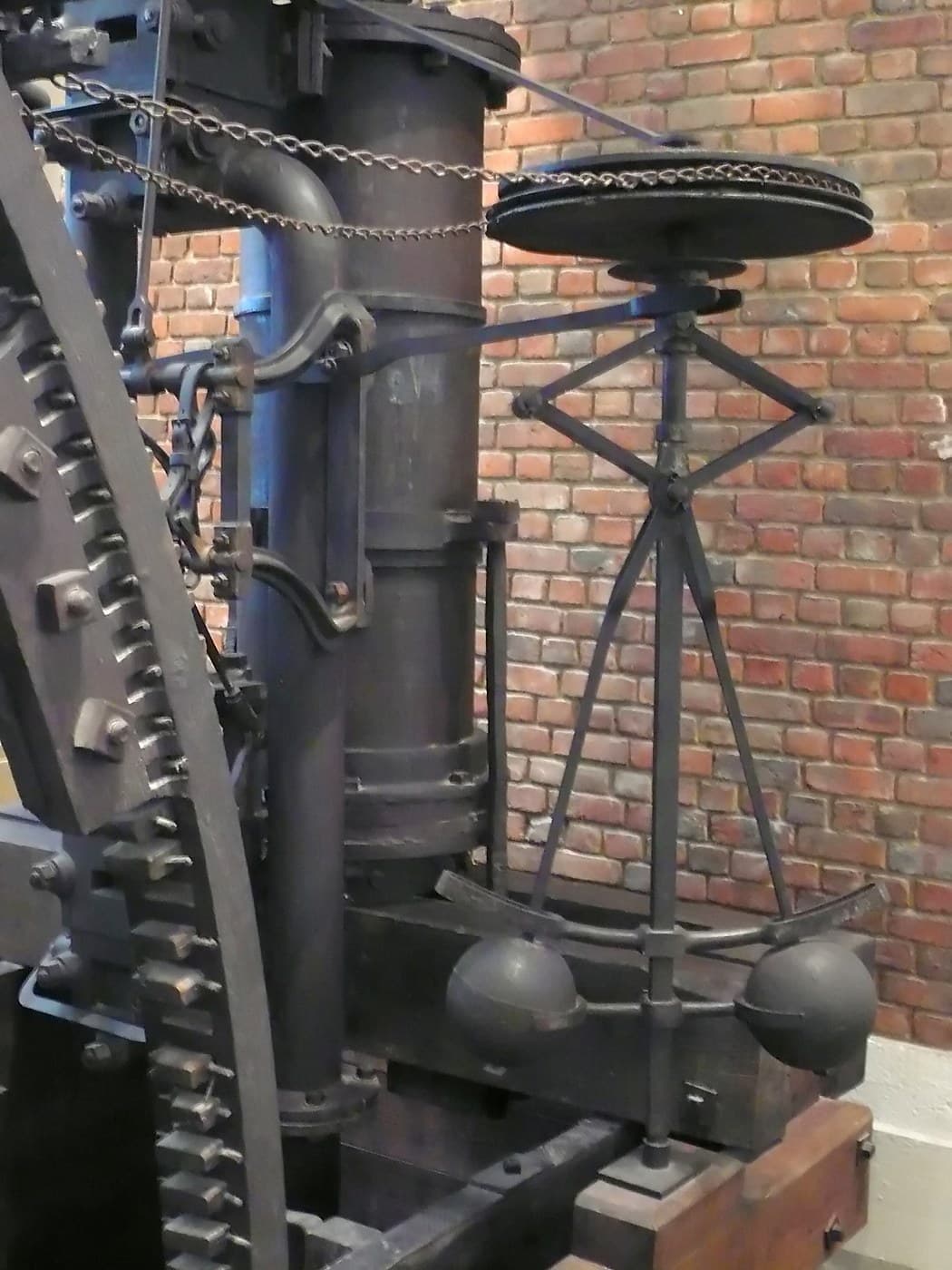
A practice rung: the slider-crank goes back to the rotative steam engine in this catalogue, and the flywheel to the potter's wheel and the spindle whorl. The torque trace is generated from an ideal cycle; a real engine's is less peaky because combustion takes time.
**Honest limits of the model.** No friction, no inertia of the piston itself (which matters at high speed), heat added instantly at top dead centre, and a single cylinder. Multi-cylinder engines are smoothed by overlapping power strokes; balance shafts deal with the shaking the piston's own motion causes.
Materials
3- 1 sheetPlaceholder
- 6 piecesPlaceholder
- 1 setPlaceholder
Tools Required
5- 1 vendor sell this, none ship to you yetPlaceholder
- Placeholder
- Placeholder
- Placeholder
- Placeholder
Related Blueprints
These blueprints share knowledge with this one — techniques, materials, or principles that connect them in the learning graph.
CC0 Public Domain
This blueprint is released under CC0. You are free to copy, modify, distribute, and use this work for any purpose, without asking permission.
Support the Maker by purchasing products through their Blueprint where they earn a Maker Commission set by Vendors, or create a new iteration of this Blueprint and include it as a connection in your own Blueprint to share revenue.