ART
BEAUTY & WELLNESS
CRAFT
CULTURE & HISTORY
ENTERTAINMENT
ENVIRONMENT
FOOD & DRINKS
REVERSE ENGINEERING
SCIENCES
SPORTS
TECHNOLOGY
WEARABLES


The Eye-Necked Bottle: A Cork Across the Neck That the Gas Cannot Push Out
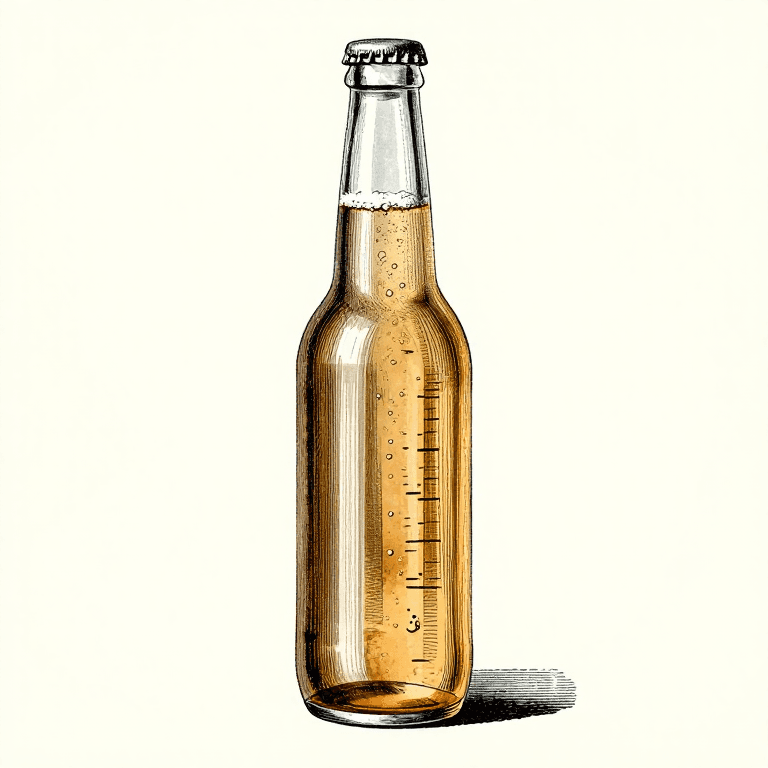
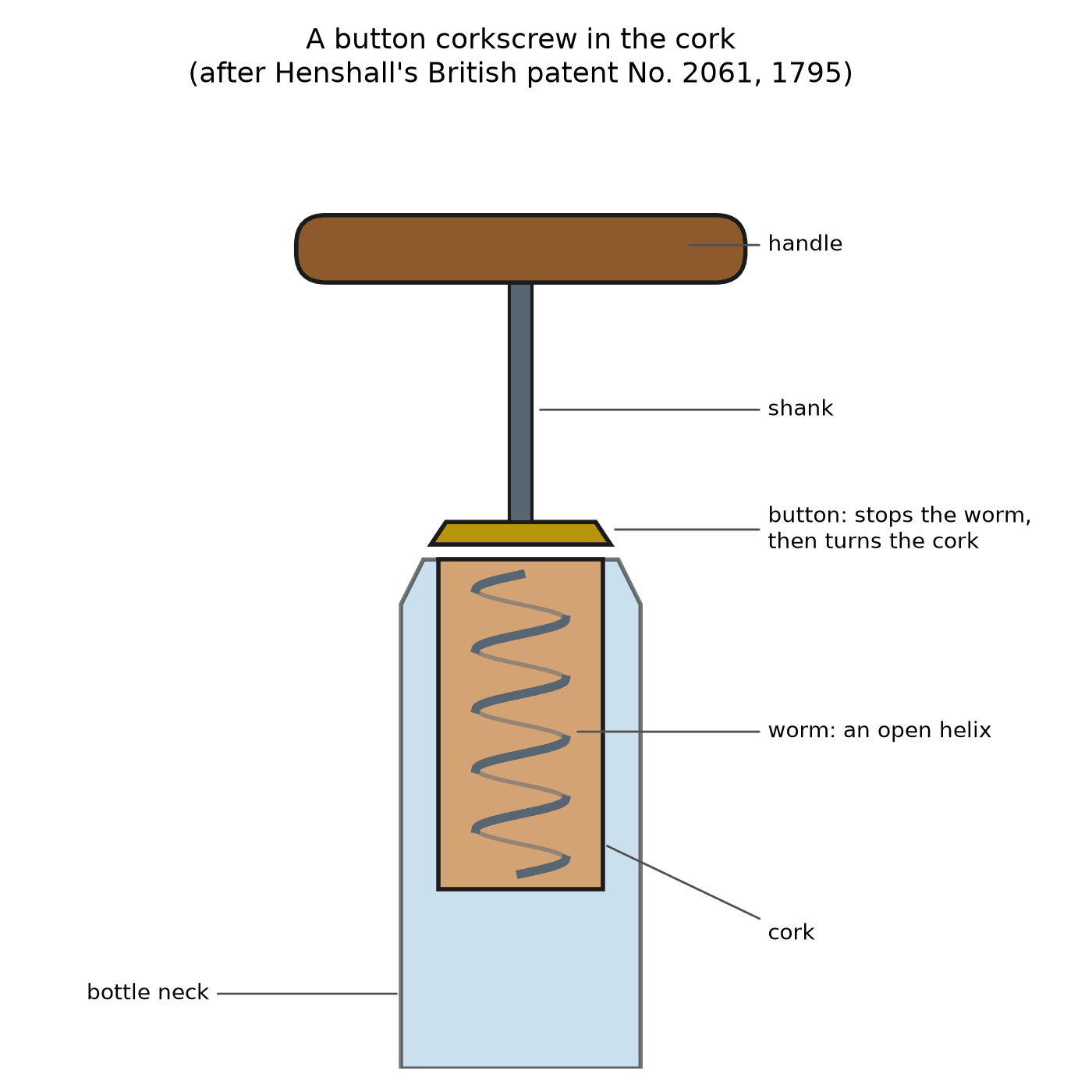
A cork in the neck of a bottle of fermenting or effervescing drink is pushed out along its own axis by the gas, so it had to be tied or wired down, and pulled with a corkscrew that marred it.
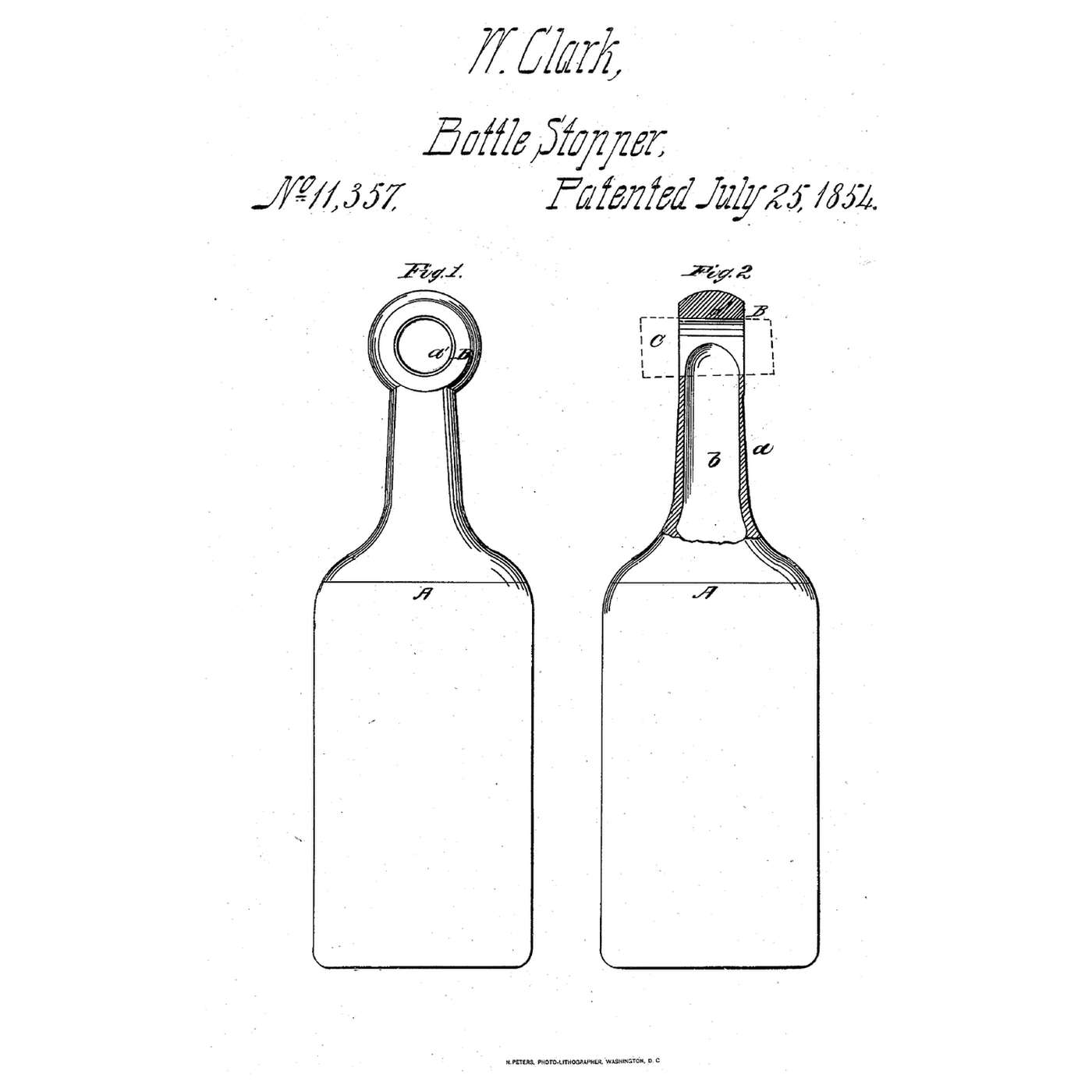
William Clark of New York received US 11,357, dated 25 July 1854, for "forming bottles with an eye at the top or upper part of the neck, said eye having a passage through it at right angles, or not much varying therefrom, with the opening or passage into the bottle to receive the cork, by which the cork is prevented from being forced from the bottle by the gaseous substances generated by the fermentation or effervescence of the liquid within it". The cork lies across the neck and covers the bore beneath it; it needs no wire and no corkscrew.
This rung works out why the gas cannot push a crosswise cork out, then prints an eye on the cap of a plastic bottle and compares a crosswise cork with an ordinary one under pressure.
Intermediate
About 4 hours
Instructions
1
1
Axial and crosswise corks
Axial and crosswise corks
Loading Jupyter Notebook...
2
2
The bottle it changes
The bottle it changes
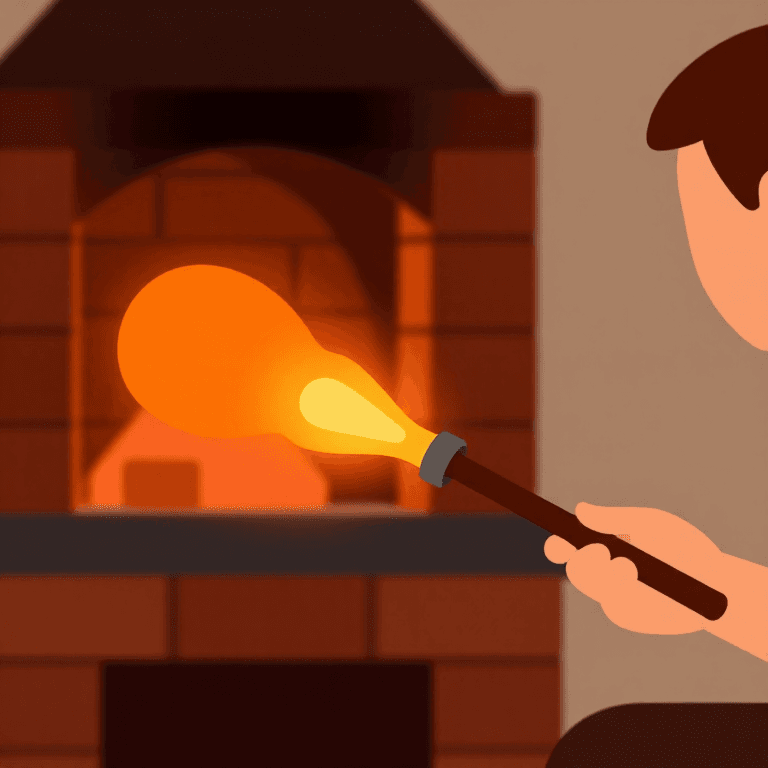
The embedded blueprint blows a bottle by hand. Clark's eye could be blown, pressed or moulded with the rest of the bottle, or made separately and attached to the neck.
3
3
Read US 11,357
Read US 11,357
"At the upper part of the bottle, or at the top of the neck a, there is an eye, B, having a horizontal passage, a′, through it, said passage forming right angles, or angles not very much varying therefrom, with the opening or passage b of the bottle."
"It will at once be seen that the cork cannot be expelled from the passage a′ by any pressure of gases within the bottle, and no wiring will be required; neither will any corkscrew be required to withdraw the cork from the passage a."
4
4
Print the eye and try it under pressure
Print the eye and try it under pressure
**Eye.** Model a block 40 × 30 × 30 mm with a horizontal passage through it that tapers to fit a tapered cork, and a 10 mm bore from its underside into the middle of that passage. Model a second block the same size with the tapered hole running straight down into the bore instead, as an ordinary neck. Print both in PETG.
**Caps.** Drill a 10 mm hole in the tops of two carbonated-drink bottle caps and epoxy one under each block, holes lined up, so the blocks screw onto the bottles.
**Tyre valves.** Fit a snap-in tyre valve through the base of each bottle so it can be pumped.
**Test.** Screw the blocks onto the two bottles and press a cork firmly into each: crosswise in the eye, straight down in the ordinary neck. Wearing safety glasses and pointing the blocks away from you, pump each bottle in steps of 0.5 bar up to 2 bar, reading the pump's gauge, and note where each cork moves. Then push the crosswise cork out sideways with a finger.
Materials for this step:
 PET Bottle (Carbonated Drink)2 pieces
 PETG Filament1 piece
 Two-Part Epoxy1 piece
 Corks2 pieces
Tools needed:
 FDM 3D Printer
 Cordless Drill
 Drill Bit Set
 Kitchen Knife
 Bicycle Floor Pump
 Digital Caliper 6-Inch
 Clear Safety Glasses
 Tire Valve
5
5
An eye that leaks, cracks or lets the cork move
An eye that leaks, cracks or lets the cork move
Eye-necked bottle troubleshooting.
Flow
Loading...
6
6
History and honest limits
History and honest limits
**William Clark** of New York, New York, received US 11,357, dated 25 July 1854. His bottles could be glass or earthenware, the eye had to be strong enough not to break when the cork was forced in tightly, and an aperture in the top of the eye in line with the bore could let a bottle-cleaner through. He counted the saving of wire and labour, and corks that could be used again because no corkscrew marred them. His claim is the eye with its crosswise passage receiving the cork.
**Honest limits.** A printed PETG eye on a plastic bottle's cap stands in for a glass or earthenware eye, and pumped air stands in for the gas of the drink. The notebook ignores the cork's own grip; its pressures, bore and friction coefficient are examples. Your corks under pressure are the result.
Materials
4- 2 piecesPlaceholder
- 1 piecePlaceholder
- 1 piecePlaceholder
- 2 piecesPlaceholder
Tools Required
8- Placeholder
- 1 vendor sell this, none ship to you yetPlaceholder
- Placeholder
- Placeholder
- Placeholder
- Placeholder
- Placeholder
- Placeholder
Related Blueprints
These blueprints share knowledge with this one — techniques, materials, or principles that connect them in the learning graph.



CC0 Public Domain
This blueprint is released under CC0. You are free to copy, modify, distribute, and use this work for any purpose, without asking permission.
Support the Maker by purchasing products through their Blueprint where they earn a Maker Commission set by Vendors, or create a new iteration of this Blueprint and include it as a connection in your own Blueprint to share revenue.