
Harvesting Rubber Seeds — From Ripe Fruit to Germinating Seeds
Instructions
Select high-yield mother trees
Select high-yield mother trees
Select rubber mother trees that have provided stable latex for at least 5 years. In Vietnam, the common clonal lines are RRIM 600, PB 235, GT 1 and VM 515. Seeds from healthy trees have higher germination rates.
Observe ripe fruit on the tree
Observe ripe fruit on the tree
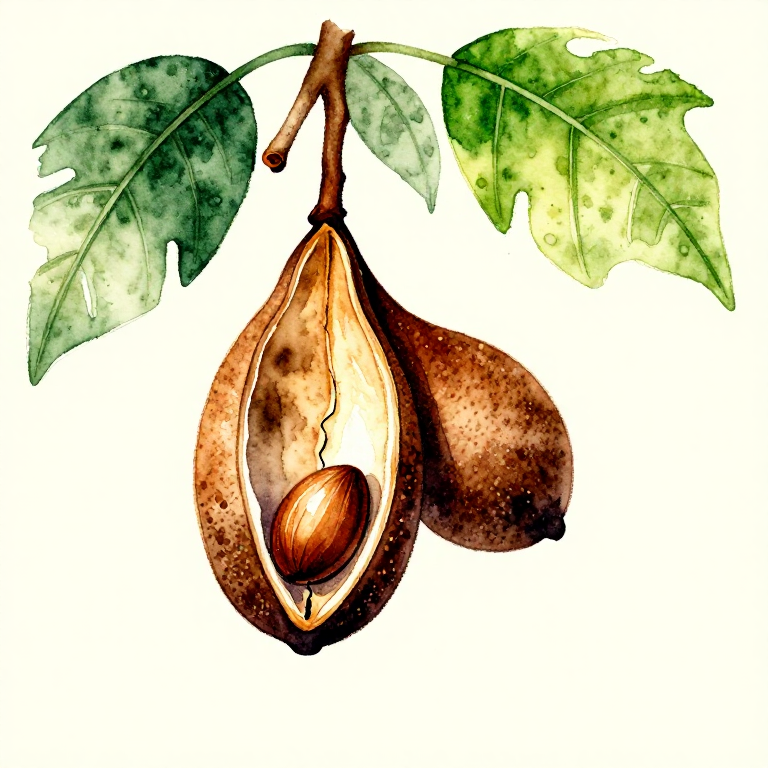
The rubber fruit has 3 compartments, each containing 1 seed. When ripe, the fruit shell turns from green to brown and begins to crack along the compartment dividing line.
Wait for the fruit to burst naturally
Wait for the fruit to burst naturally
Ripe rubber fruit naturally bursts open — a small popping sound heard clearly in the quiet garden. Seeds are ejected 10-15 meters away from the tree trunk. This is the natural seed dispersal method of Hevea brasiliensis.
Collect seeds within 48 hours
Collect seeds within 48 hours
Pick up fallen seeds from the ground as soon as possible — ideally within 24-48 hours after dropping. Seeds left exposed to the elements lose moisture and quickly lose germination vigor.
Tools needed:
 Container
Select intact and whole seeds
Select intact and whole seeds
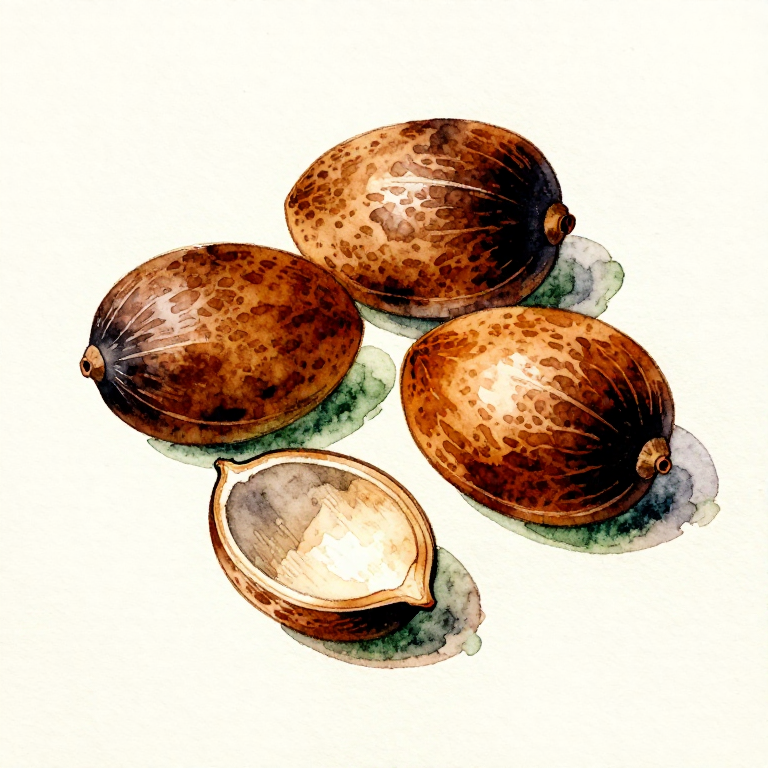
Good rubber seeds have an oval shape, heavy weight, hard glossy shell with characteristic brown veins. Remove cracked seeds, abnormally light seeds, and seeds damaged by insects.
Prepare water for testing
Prepare water for testing
Pour clean water into a basin or bucket, water depth at least 15 cm so that the seeds can be completely submerged.
Materials for this step:
 Water5 liters
Tools needed:
ContainerDrop seeds into water
Drop seeds into water
Drop each seed into water. Good seeds — with full embryos, rich in nutrients — will sink to the bottom. Floating seeds are shriveled seeds, dead embryos, or seeds hollowed out inside.
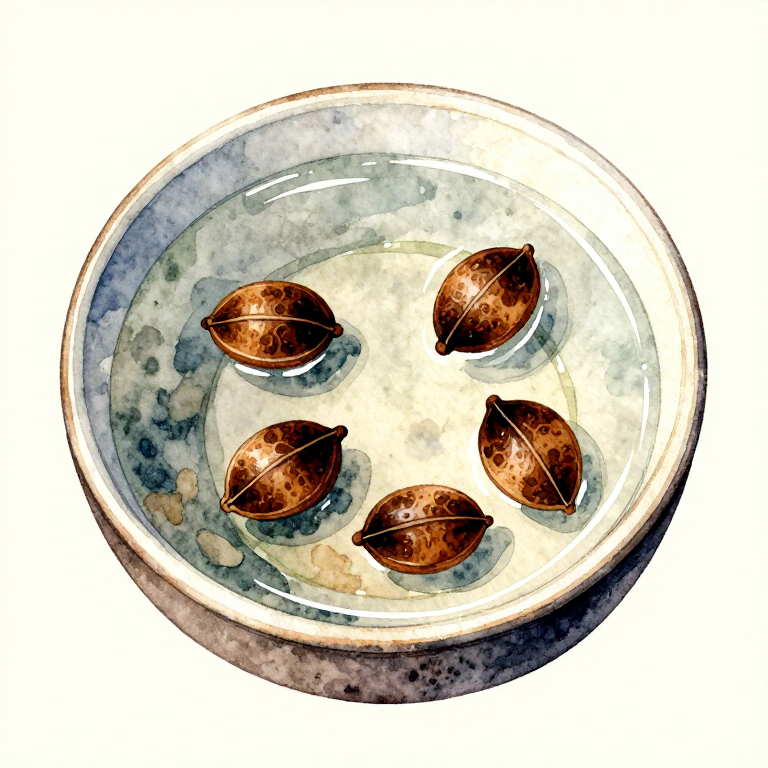
Remove floating seeds
Remove floating seeds
Remove all floating seeds on the water surface — no exceptions. The proportion of floating seeds is usually 10-30% depending on the seed lot and harvest time.
Remove sunken seeds and dry thoroughly
Remove sunken seeds and dry thoroughly
Remove sunken seeds and place on a well-ventilated flat surface. Gently wipe with a clean cloth. Do not expose directly to intense sunlight — high temperature kills the embryo.
Identify the seed eye
Identify the seed eye
Each seed has a small point called the micropyle — where the radicle will emerge. Observe to know the direction of seed placement when sowing. The seed eye is usually located at the more pointed end.
Temporary storage if not sown immediately
Temporary storage if not sown immediately
If not sown within the day, spread seeds in a thin layer on moist sand in a cool, well-ventilated place. Mist spray 1-2 times/day. Rubber seeds lose 50% germination capacity after just 2 weeks — sow as soon as possible.
Check the expected germination rate
Check the expected germination rate
Rubber seeds harvested properly and sown within 1 week usually achieve a germination rate of 80-90%. After 2 weeks it decreases to 40-50%. After 3 weeks it has almost no sowing value.
This blueprint makes

CC0 Public Domain
This blueprint is released under CC0. You are free to copy, modify, distribute, and use this work for any purpose, without asking permission.
Support the Maker by purchasing products through their Blueprint where they earn a Maker Commission set by Vendors, or create a new iteration of this Blueprint and include it as a connection in your own Blueprint to share revenue.