Collaboration
ART
BEAUTY & WELLNESS
CRAFT
CULTURE & HISTORY
ENTERTAINMENT
ENVIRONMENT
FOOD & DRINKS
REVERSE ENGINEERING
SCIENCES
SPORTS
TECHNOLOGY
WEARABLES
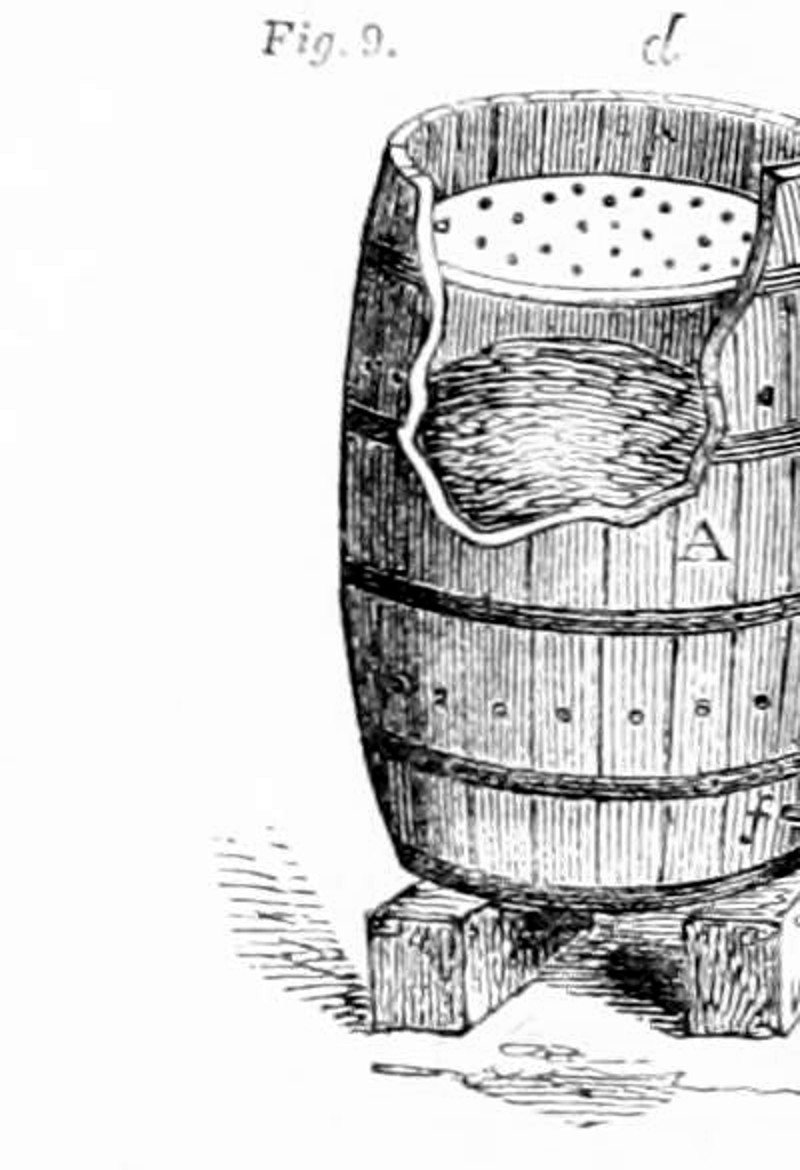


Quick Vinegar: Dilute Spirit Trickled Through Beech Shavings in Ventilated Oak Casks (Tomlinson, 1854)
The 'quick method' of the 1850s, from Tomlinson's Cyclopaedia of Useful Arts: a warm mixture of spirit, vinegar and water poured again and again over curled beech shavings in tall oak casks with air holes near the bottom, so the vinegar bacteria on the shavings turn the alcohol to acetic acid in days instead of months.
Intermediate
A few days
Instructions
1
1
Mixtures and temperatures
Mixtures and temperatures
Loading Jupyter Notebook...
2
2
Read the Cyclopaedia of Useful Arts
Read the Cyclopaedia of Useful Arts
"Vinegar is manufactured by one of two distinct methods called the slow and the quick method."
3
3
Prepare the casks
Prepare the casks
Use oak casks 5 to 7 ft high and 2-1/2 to 3 ft across, a little narrower at the bottom. About a foot from the bottom, just above the syphon, bore air holes about an inch wide sloping downward so air enters but liquor does not escape. Fit a cover with a centre hole 2 or 3 in square. Set them on frames or brick piers high enough to draw off the liquor.
Materials for this step:
 Wooden Barrel1 piece
Tools needed:
 Brace and Bit
 Hand Saw
4
4
Fill with beech shavings
Fill with beech shavings
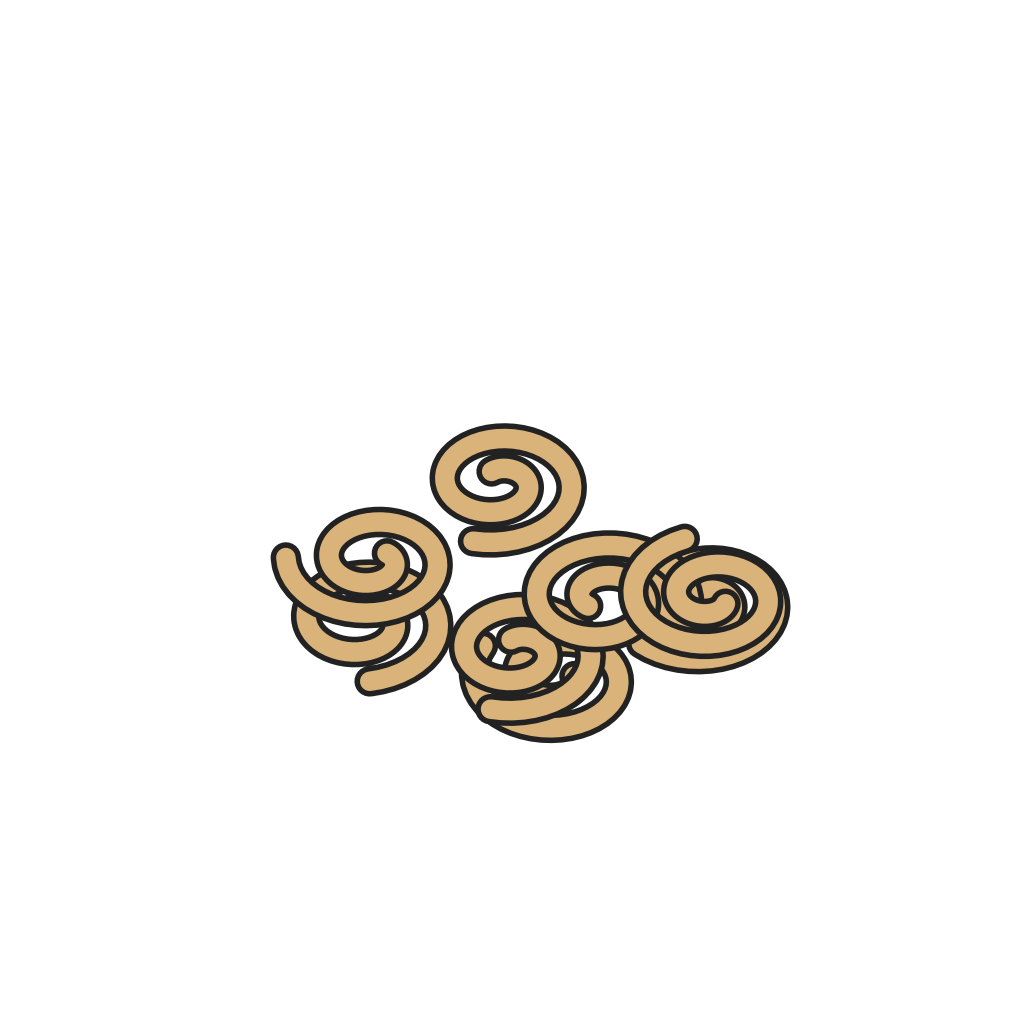
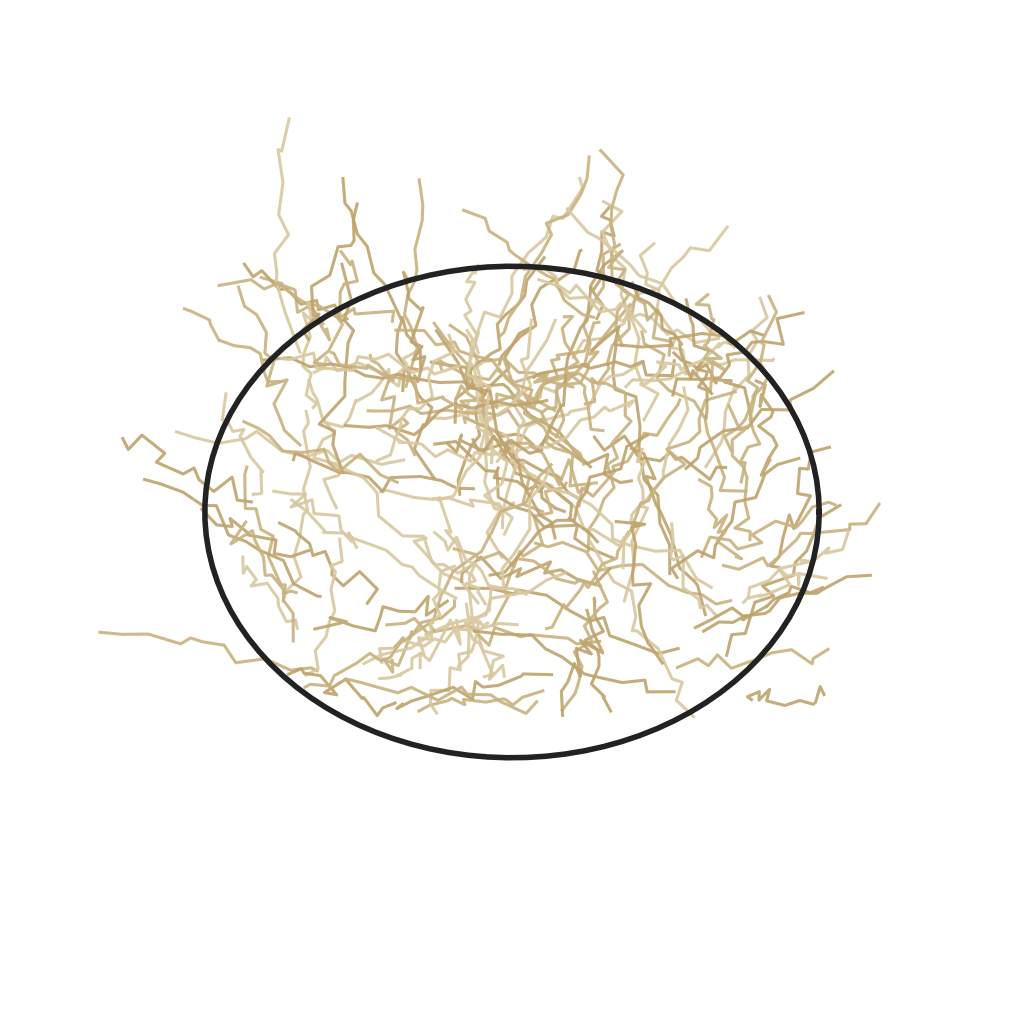
Scald curled beech shavings repeatedly with hot water to remove soluble matter, dry them, soak them in hot vinegar, and fill the cask. (Or fit an inner beech hoop about 6 in below the mouth carrying a perforated shelf, with cotton wicks knotted on top drawn through the holes, the edges packed with tow, and the shavings below; Fig. 9.)
Materials for this step:
 Beechwood Shavings1 piece
 Vinegar1 piece
 Cotton Wick Material1 piece
 Flax Tow1 piece
Tools needed:
 Large Cooking Pot
5
5
Run the mixture
Run the mixture
Mix 20 quarts alcohol, 40 vinegar and 120 water (or 15-1/2, 20 and 137), heating the water to 100-104 F first so the mixture is about 86-90 F. Pour 2-1/2 to 5 quarts on every half hour with the cover on and the centre hole open. When all has run through, draw it off, add a few quarts of alcohol and pass it through again; then less alcohol and a third time. It is then strong vinegar.
Materials for this step:
 Distilled Spirit1 pieceVinegar1 piece
Tools needed:
 Cooking Thermometer
 20-Liter BucketLarge Cooking Pot
6
6
Keep it working
Keep it working
Keep the room about 77 F; the cask inside runs 95-100 F and must not fall below 95 F. Cover the casks with paper or linen jackets, leaving the air holes open. Never more than 10 % alcohol; stay between 72 and 113 F. For fruit or malt vinegar the liquor must be clear.
Materials for this step:
 Cotton Cloth1 piece
Tools needed:
Cooking Thermometer7
7
Troubleshooting
Troubleshooting
Quick vinegar troubleshooting.
Flow
Loading...
8
8
History and honest limits
History and honest limits
From Charles Tomlinson (ed.), **Cyclopaedia of Useful Arts** (1854), vol. I, "Acetic Acid" (checked on the archive.org scan cyclopaediaofuse01tomluoft, pp. 6-7). The Celsius figures and the tools are ours.
Materials
7- 1 piecePlaceholder
- 1 piecePlaceholder
- 2 piecesPlaceholder
- 1 piecePlaceholder
- 1 piecePlaceholder
- 1 piecePlaceholder
- 1 piecePlaceholder
Tools Required
5- Placeholder
- Placeholder
- Placeholder
- Placeholder
- Placeholder
This blueprint makes

Related Blueprints
These blueprints share knowledge with this one — techniques, materials, or principles that connect them in the learning graph.

CC0 Public Domain
This blueprint is released under CC0. You are free to copy, modify, distribute, and use this work for any purpose, without asking permission.
Support the Maker by purchasing products through their Blueprint where they earn a Maker Commission set by Vendors, or create a new iteration of this Blueprint and include it as a connection in your own Blueprint to share revenue.