ART
BEAUTY & WELLNESS
CRAFT
CULTURE & HISTORY
ENTERTAINMENT
ENVIRONMENT
FOOD & DRINKS
REVERSE ENGINEERING
SCIENCES
SPORTS
TECHNOLOGY
WEARABLES
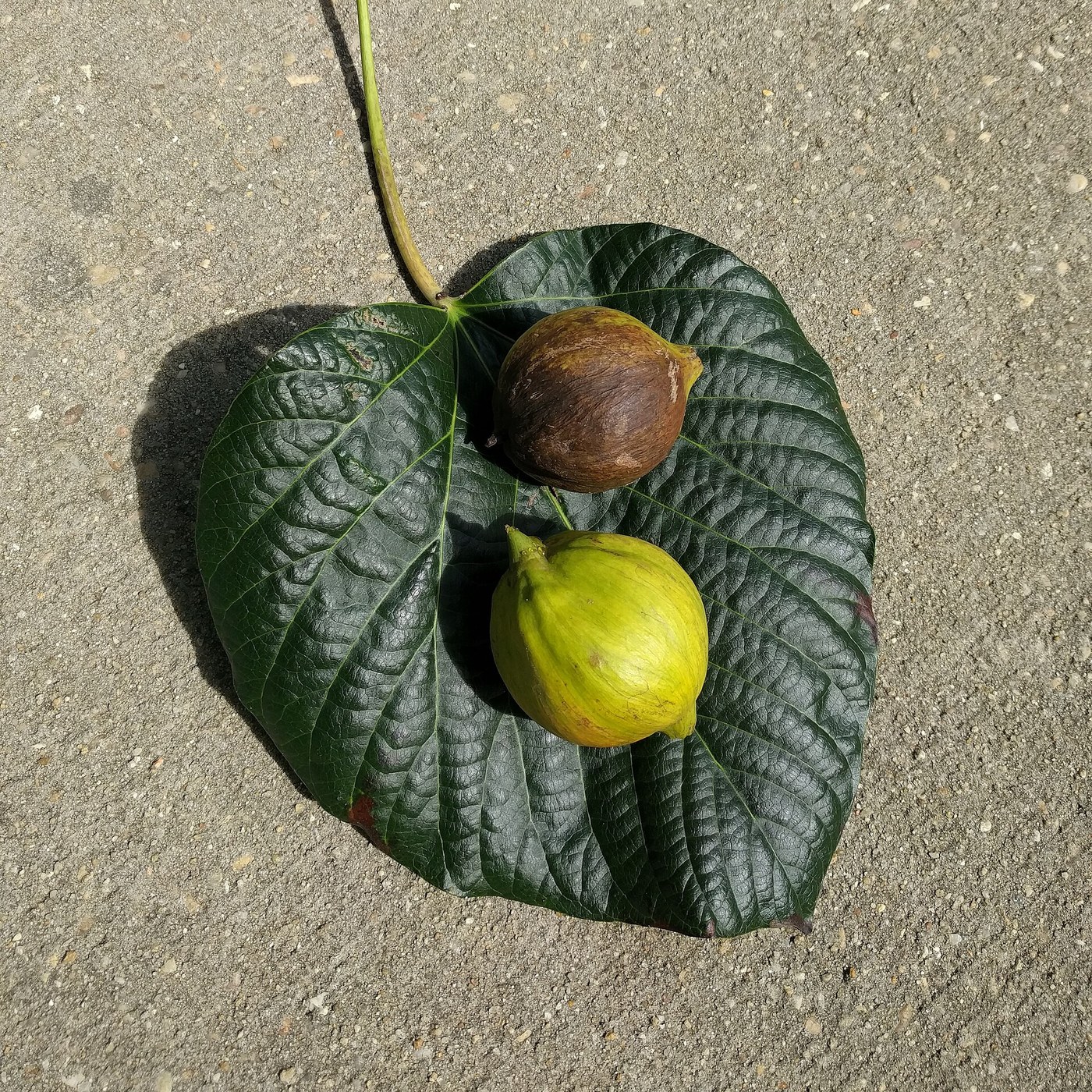


Tung Oil Pressed from the Seeds of Tung Nuts
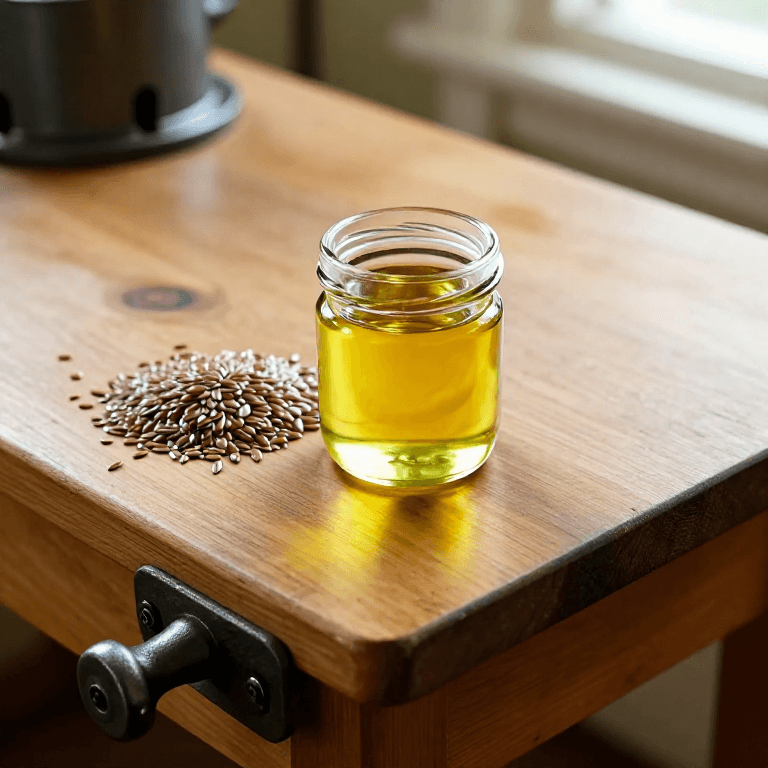
Tung oil, a wood finish used in China since Confucius's day, is pressed from the seeds inside the nuts of the tung tree. It is a drying oil: thin coats harden in the air over 5 to 30 days to a matte or satin finish with a golden tint. Rags soaked in it can heat up and catch fire as they dry.
The picture: a tung leaf with two nuts.
Beginner
Two days
Instructions
1
1
Crack the nuts
Crack the nuts
Crack the tung nuts on a flat stone or with a nutcracker and pick out the seeds. Spread the seeds on a tray to dry for a few days (ours).
Materials for this step:
 Tung Nuts4 kg
Tools needed:
 Flat Cracking Stone
 Nutcracker
 Flat Drying Tray
 Rubber Gloves
2
2
Press
Press
Weigh the dry seeds and feed them through the screw oil press, catching the oil in a jar.
Tools needed:
 Manual Screw Oil Press
 Digital Kitchen Scale
 Glass Jars with Lids
3
3
Settle and filter
Settle and filter
Let the oil stand a few days for the sediment to settle, then pour it off through a filter into a clean jar and close it. Weigh it for the notebook.
Tools needed:
 Kitchen Funnel
 Coffee Filters / Filter PaperGlass Jars with LidsDigital Kitchen Scale
4
4
Rags
Rags
Drop oily rags and press cloths into a bucket of water, or spread them flat outdoors to dry: bunched up, they can self-heat and catch fire.
Tools needed:
 Quench Bucket
 Water
Water5
5
Yield
Yield
Loading Jupyter Notebook...
Tools Required
11- Placeholder
- Placeholder
- Placeholder
- Placeholder
- Placeholder
- Placeholder
- Placeholder
- Placeholder
- Placeholder
- Placeholder
- Placeholder
This blueprint makes

Related Blueprints
These blueprints share knowledge with this one — techniques, materials, or principles that connect them in the learning graph.
CC0 Public Domain
This blueprint is released under CC0. You are free to copy, modify, distribute, and use this work for any purpose, without asking permission.
Support the Maker by purchasing products through their Blueprint where they earn a Maker Commission set by Vendors, or create a new iteration of this Blueprint and include it as a connection in your own Blueprint to share revenue.