ART
BEAUTY & WELLNESS
CRAFT
CULTURE & HISTORY
ENTERTAINMENT
ENVIRONMENT
FOOD & DRINKS
REVERSE ENGINEERING
SCIENCES
SPORTS
TECHNOLOGY
WEARABLES
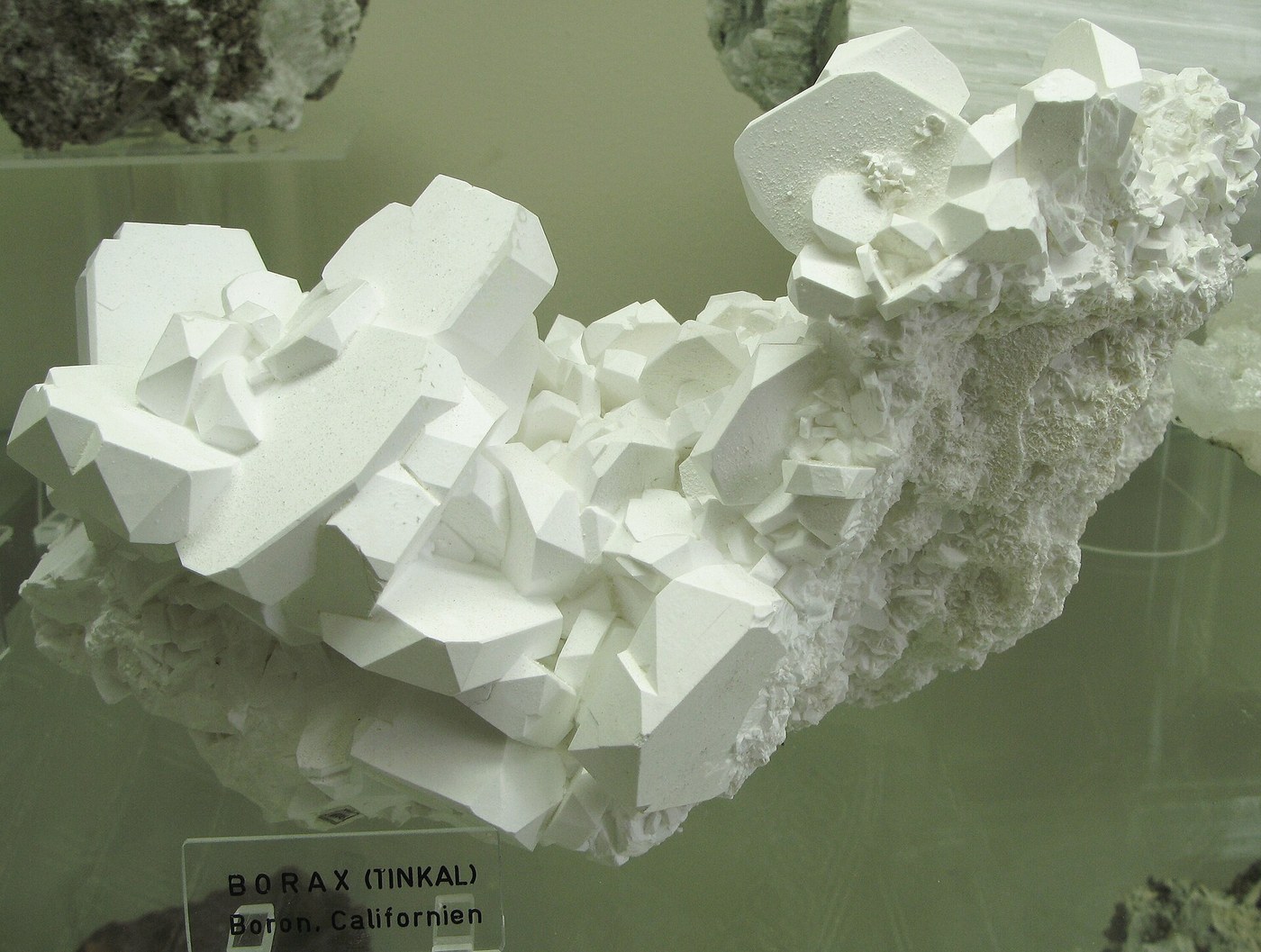


Venetian Borax: Refining Tincal with Lime
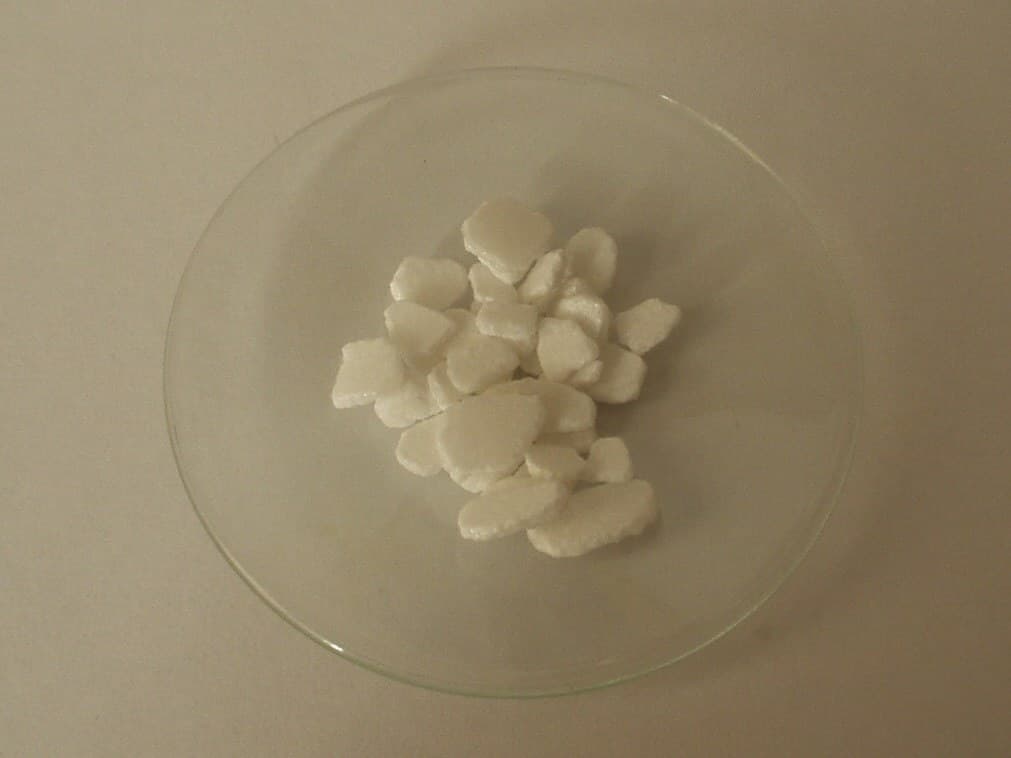
Native borax, tincal, came to Europe from the dried lake shores of Tibet and India coated in an earthy, soapy fat. Venice, then the Dutch, refined it in secret: the refined salt was called Venetian borax. One of their methods is recorded by Knapp, as Muspratt gives it in 1860: soften the tincal with water and a little slaked lime, wash it clean, dissolve it hot with a little chloride of calcium to take out the last of the soap, then crystallise it in lead-lined wooden cones. Borax is the flux of brazing and soldering.
Intermediate
Several days
Instructions
1
1
Weigh the tincal and the additions
Weigh the tincal and the additions
Weigh the tincal, about 1 per cent of its weight of slaked lime, and about 2 per cent of chloride of calcium (step 7 works it out for 10 kg).
Materials for this step:
 Tincal (Crude Borax)10 kg
 Lime (Calcium Hydroxide)100 g
 Calcium Chloride200 g
Tools needed:
 Balance Scale
2
2
Soften it with water and lime
Soften it with water and lime
Soften the tincal in a small quantity of cold water in a wooden tub, and stir it about while adding the slaked lime little by little.
Materials for this step:
 Water1 as required
Tools needed:
 Wooden Tub
 Wooden Paddle
 Chemical Splash Goggles
 Rubber Gloves
3
3
Wash it several times
Wash it several times
Pour off the turbid lime-water. Let the impurities settle out of it, then pour the clear liquid back over the crystals. Repeat this several times; it takes away the greater part of the soapy crust.
Tools needed:
Wooden TubWooden Paddle4
4
Dissolve hot with chloride of calcium
Dissolve hot with chloride of calcium
Dissolve the washed crystals in hot water and add the chloride of calcium. It turns what soap remains into an insoluble lime soap (and common salt); strain that off.
Materials for this step:
Water1 as required Charcoal1 as required
Tools needed:
 Evaporating Pan
 Charcoal Furnace
 StrainerWooden PaddleChemical Splash GogglesRubber Gloves
5
5
Boil down to 21 degrees Baumé
Boil down to 21 degrees Baumé
Evaporate the clear liquid to 21 degrees Baumé, a specific gravity of 1.17, checking with a hydrometer.
Materials for this step:
Charcoal1 as requiredTools needed:
Evaporating PanCharcoal Furnace Hydrometer
6
6
Crystallise in lead-lined cones
Crystallise in lead-lined cones
Run the liquor into wooden vessels lined with lead and shaped as short inverted cones, and let it crystallise. Any deposit collects in the narrow lower part and does not spoil the crystals. Knapp adds that a little tincal stirred in before this last crystallisation keeps the crystals from splitting and flying off the work when heated for soldering.
Tools needed:
 Crystallising Tank
 Lead Sheet
7
7
Knapp's additions, per 10 kg
Knapp's additions, per 10 kg
Loading Jupyter Notebook...
8
8
Powder it for flux
Powder it for flux
Take out the crystals, dry them and grind them in a mortar to a powder for use as flux. Keep it covered: in dry air borax slowly loses water and turns opaque on the surface.
Tools needed:
 Mortar and Pestle
9
9
Troubleshooting
Troubleshooting
Borax refining troubleshooting.
Flow
Loading...
10
10
History and honest limits
History and honest limits
Muspratt (1860) gives Knapp's two known methods of the secret Venetian and Dutch refining; this is the lime method. The other washed the powdered tincal with caustic soda lye and added carbonate of soda. By Muspratt's time most borax was made instead from the boracic acid of Tuscany and carbonate of soda. Knapp's per cent figures do not say of what; we take them as per cent of the tincal. Grinding the crystals to powder is ours.
Materials
5- 10 kgPlaceholder
- Placeholder
- 200 gPlaceholder
- 2 as requiredPlaceholder
- 1 as requiredPlaceholder
Tools Required
12- Placeholder
- Placeholder
- Placeholder
- Placeholder
- Placeholder
- Placeholder
- Placeholder
- Placeholder
- Placeholder
- Placeholder
- Placeholder
- Placeholder
This blueprint makes
Related Blueprints
These blueprints share knowledge with this one — techniques, materials, or principles that connect them in the learning graph.
CC0 Public Domain
This blueprint is released under CC0. You are free to copy, modify, distribute, and use this work for any purpose, without asking permission.
Support the Maker by purchasing products through their Blueprint where they earn a Maker Commission set by Vendors, or create a new iteration of this Blueprint and include it as a connection in your own Blueprint to share revenue.