ART
BEAUTY & WELLNESS
CRAFT
CULTURE & HISTORY
ENTERTAINMENT
ENVIRONMENT
FOOD & DRINKS
REVERSE ENGINEERING
SCIENCES
SPORTS
TECHNOLOGY
WEARABLES


Welded Steel Tube from Coil (ERW)
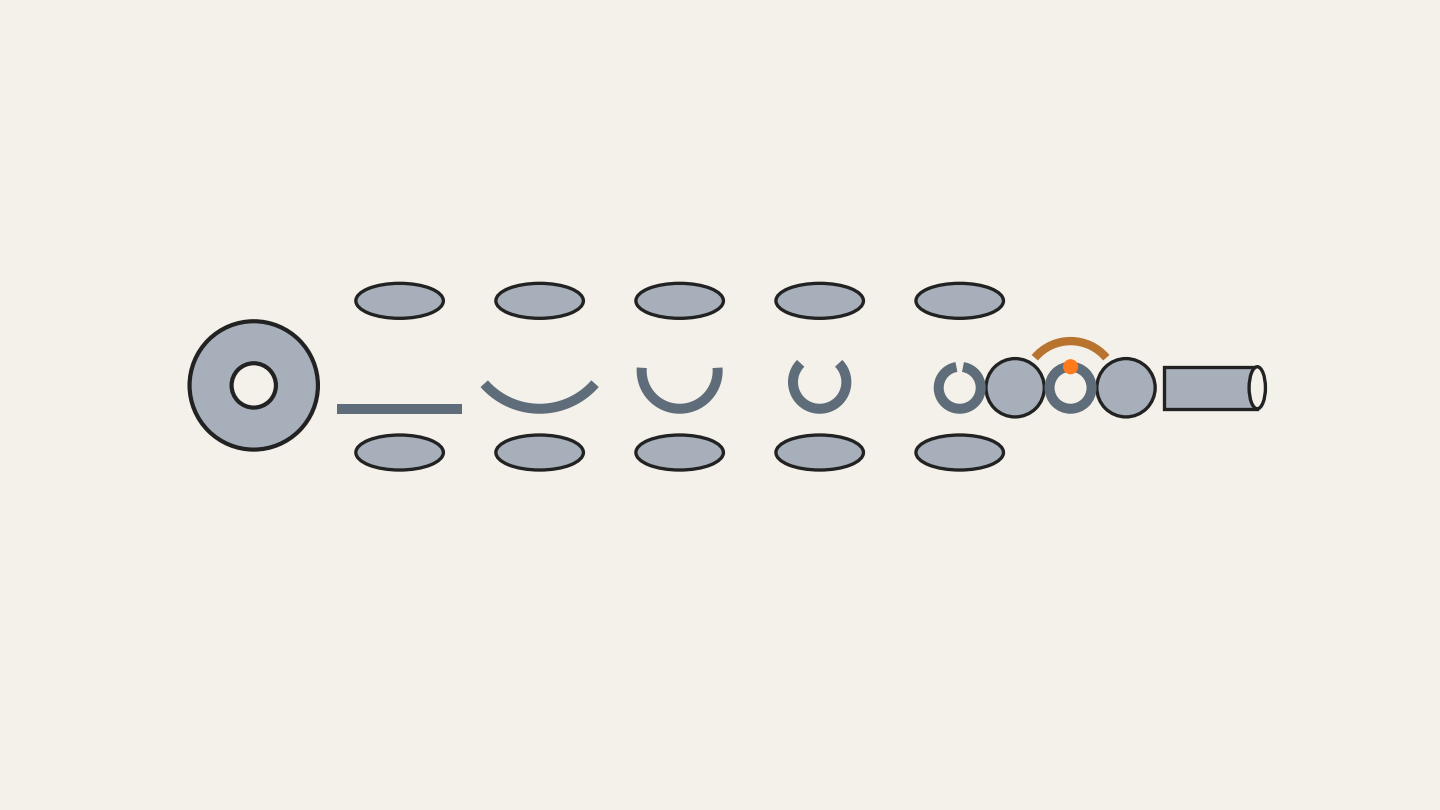
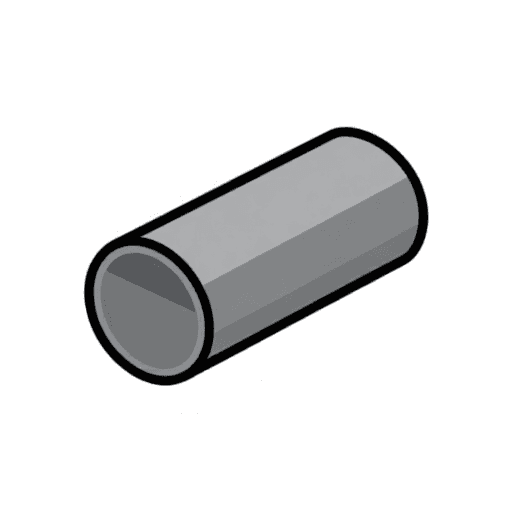
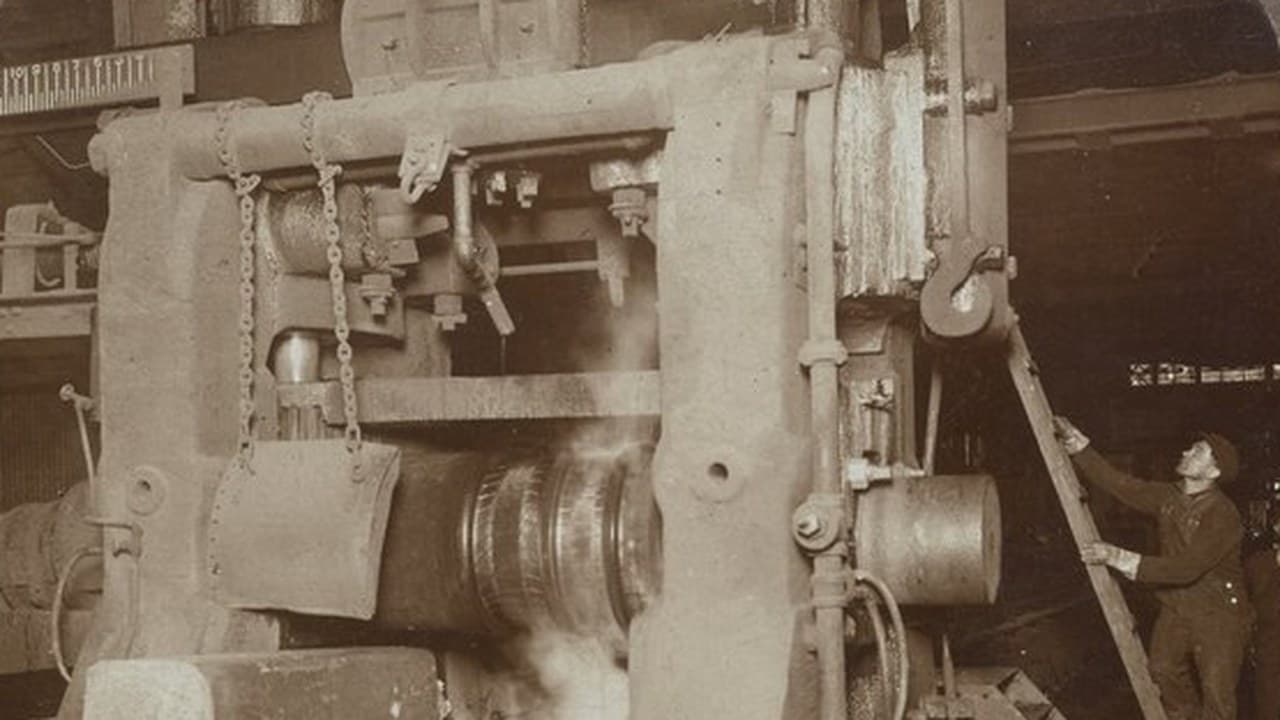
Most everyday steel tube is electric-resistance welded (ERW). Steel strip slit from a coil is bent cold through a row of shaped rolls until its edges meet as a round tube; a current passed across the edges heats them, and rolls squeeze them together into a weld with no filler metal. The bead squeezed out is trimmed off, sizing rolls bring the tube to its final diameter, and a flying saw cuts it to length. Low-frequency current was used from the 1920s until 1970, when high-frequency welding replaced it because it gives a better seam.
Advanced
Continuous (industrial)
Instructions
1
1
Slit the coil
Slit the coil
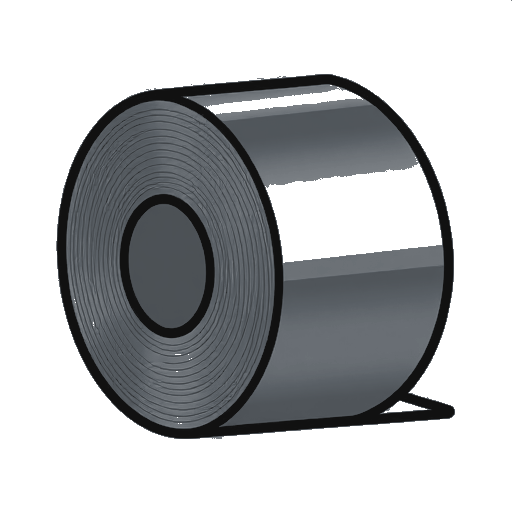
The steel coil is slit into strip as wide as the tube's circumference.
Materials for this step:
 Steel Coil1000 kg
2
2
Roll-form
Roll-form
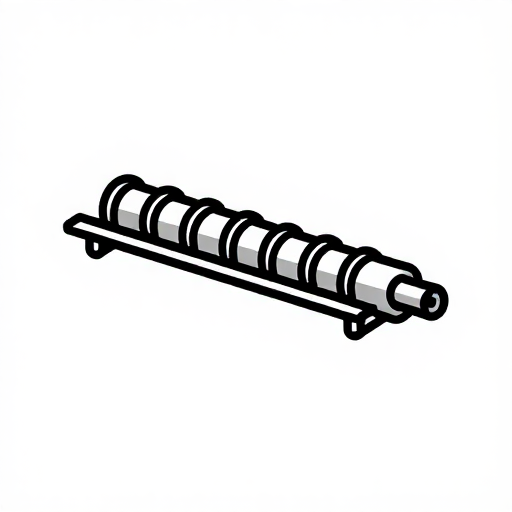
The strip passes a series of shaped rolls that curl it, step by step, into an open round tube.
Tools needed:
 Tube Roll-Forming Mill
3
3
Weld the seam
Weld the seam
High-frequency current, induced by a coil or fed by contacts, heats the two edges and squeeze rolls press them together into a solid seam.
Tools needed:
 High-Frequency Tube Welder
4
4
Trim, size and cut
Trim, size and cut
A cutting tool right after the welder planes off the outside bead; the tube cools, sizing rolls set the diameter, and a flying cut-off cuts it to length while it moves.
Tools needed:
Tube Roll-Forming Mill5
5
Check
Check
Diameter and wall thickness are measured; the seam is tested.
Tools needed:
 Digital Caliper 6-Inch
Materials
1- 1000 kgPlaceholder
Tools Required
3- Placeholder
- Placeholder
- Placeholder
This blueprint makes

Related Blueprints
These blueprints share knowledge with this one — techniques, materials, or principles that connect them in the learning graph.
CC0 Public Domain
This blueprint is released under CC0. You are free to copy, modify, distribute, and use this work for any purpose, without asking permission.
Support the Maker by purchasing products through their Blueprint where they earn a Maker Commission set by Vendors, or create a new iteration of this Blueprint and include it as a connection in your own Blueprint to share revenue.