ART
BEAUTY & WELLNESS
CRAFT
CULTURE & HISTORY
ENTERTAINMENT
ENVIRONMENT
FOOD & DRINKS
REVERSE ENGINEERING
SCIENCES
SPORTS
TECHNOLOGY
WEARABLES
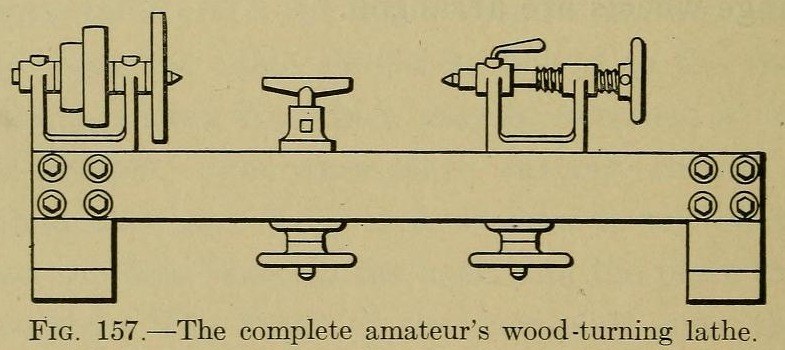

Wood Lathe: Simple Amateur's Lathe with a Maple Bed, 7 in Swing (Lathe Work for Beginners, 1922)
A wood-turning lathe an amateur can build: two strips of hard maple bolted to maple legs make the 3 ft bed, and cast-iron head-stock, tail-stock, hand-rest body, hand wheels and cone pulleys are cast from home-made patterns. Steel spindles turn in the cast-iron bearings, and a cone pulley drives the head-stock from a countershaft.
Result: a wood lathe with a 7 in swing and a 3 ft bed.
Source: R. F. Yates, Lathe Work for Beginners (1922), Chapter XII, pp. 208-216. Unknown: the pattern sizes (on the book's drawings) and the drive. Picture: Fig. 157 of the book.
Advanced
Unknown
Instructions
1
1
Make the patterns and get castings
Make the patterns and get castings
Make patterns from any handy wood: one for both head-stock and tail-stock, with a web joining the two bearings so the casting does not spring; one for the hand wheels (three castings); one for the washers (two); the cone pulley (two: lathe and countershaft); and the hand-rest body. Give them a slight draw taper. Have them cast in iron at a foundry. Not given: pattern sizes (on the book's drawings).
Materials for this step:
 Iron Castings1 head-stock, tail-stock, wheels, washers, pulleys, rest body
Tools needed:
 Timber Plank
 Cupola Furnace
 Unknown Dimensions
2
2
Build the maple bed
Build the maple bed
Make the bed of two strips of clear hard maple 1 in thick, 4 in wide and about 36 in long (about 1 1/2 in thick for a longer bed), and two maple legs, the part between the ways cut exactly square. Bore a 5/8 in hole through the head-stock leg in line with the head-stock's 1/2 in tapped hole, recessed below for a nut and washers. Bolt bed to legs with eight 3/8 in carriage bolts. Sand it and give it a coat of clear shellac against warping. White oak will do if there is no maple.
Materials for this step:
 Hardwood Plank1 ways and legs
 Carriage Bolt8 3/8 in carriage bolts
 Shellac1 finish
Tools needed:
 Drill Press
 Sandpaper
3
3
Machine the stocks
Machine the stocks
Face the outside ends of the head-stock and tail-stock bearings on a shaper or milling machine. Drill the bearings between centres in a lathe with a 47/64 in drill, saw off the joining web, face the inner ends and ream to 3/4 in. Line both castings up on a 3/4 in shaft and machine their bottoms. Drill oil holes in the head-stock lugs. Tap the tail-stock front lug 3/16 in for a clamp turned, heated and bent to shape, with soft copper or brass under it; tap the tail-stock rear bearing 7/8 in, 9 threads.
Materials for this step:
 Unknown Metal1 clamp and copper pad
Tools needed:
 Milling Machine
 Metal Lathe
 Tap and Die Set
 Forge
4
4
Turn the spindles and pulley
Turn the spindles and pulley
Turn the head-stock spindle from 1 3/8 in machine steel: 3/4 in diameter, a 7/8 in nose threaded 9 to the inch, a 3/8 in hole right through and a No. 1 Morse taper in the nose. Turn the tail-stock spindle from 7/8 in stock, 3/4 in diameter with a 7/8 in, 9-thread part. Centre each piece, drill halfway from each end with a 3/8 in drill, ream, then finish between centres. Turn the cone pulley with crowned faces, wide enough to run easily between the bearings, and fix it to the spindle with a 3/8 in headless set screw.
Materials for this step:
 Mild Steel Round Bar1 spindlesUnknown Metal1 set screws
Tools needed:
Metal LatheDrill Press5
5
Fit the wheels and hand rest, and assemble
Fit the wheels and hand rest, and assemble
Drill hand wheel N 3/4 in for the tail-stock spindle and hold it with a 1/4 in set screw; tap the other two wheels 1/2 in. Drill the washers 9/16 in. Bolt the head-stock down with a stud through the leg, and fit a 1/2 in stud about 7 in long for the tail-stock and a 1/2 in square-headed bolt for the hand-rest body. Plane the hand rest's bottom, drill it 3/4 in, and fit tee-rests of 1/4 x 1 in flat steel welded to 3/4 in shafting, held by a 1/4 in set screw; make several lengths. The cast iron serves as bearing metal, or the bearings can be bushed or babbitted.
Materials for this step:
 Mild Steel Flat Bar1 tee-restsUnknown Metal1 studs, bolts, set screws, shafting
Tools needed:
Drill PressTap and Die SetForgeMaterials
7- 1 head-stock, tail-stock, wheels, washers, pulleys, rest bodyPlaceholder
- 1 ways and legsPlaceholder
- 8 3/8 in carriage boltsPlaceholder
- 1 finishPlaceholder
- 1 studs, bolts, set screws, shaftingPlaceholder
- 1 spindlesPlaceholder
- 1 tee-restsPlaceholder
Connected Blueprint Materials

10% Attribution
Casting Iron in a Cupola Furnace — Re-Melting Pig Iron into Finished Castings
by Piett
Metalworking
50
0
0
0
6
0
10% Attribution
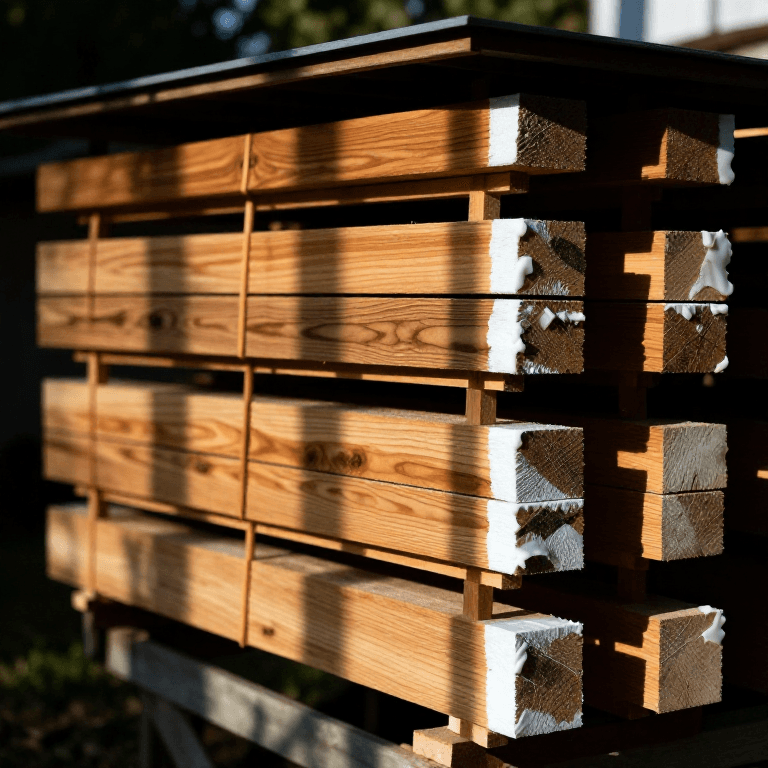
Oak Boards and Blocks, Milled and Air-Dried
by Woody
Woodworking
39
0
0
0
3
0
10% Attribution
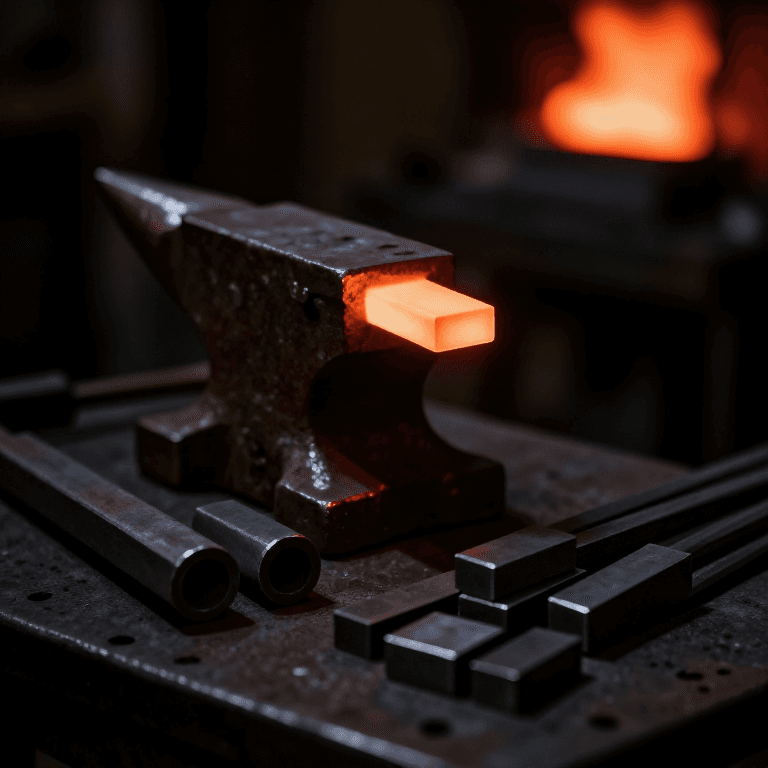
Mild Steel Bar Stock Forged from an Ingot
by Forge
Modern
41
0
0
0
5
0

10% Attribution
Shellac Flakes from Stick Lac
by Mary
Woodworking
32
0
0
0
1
0
10% Attribution
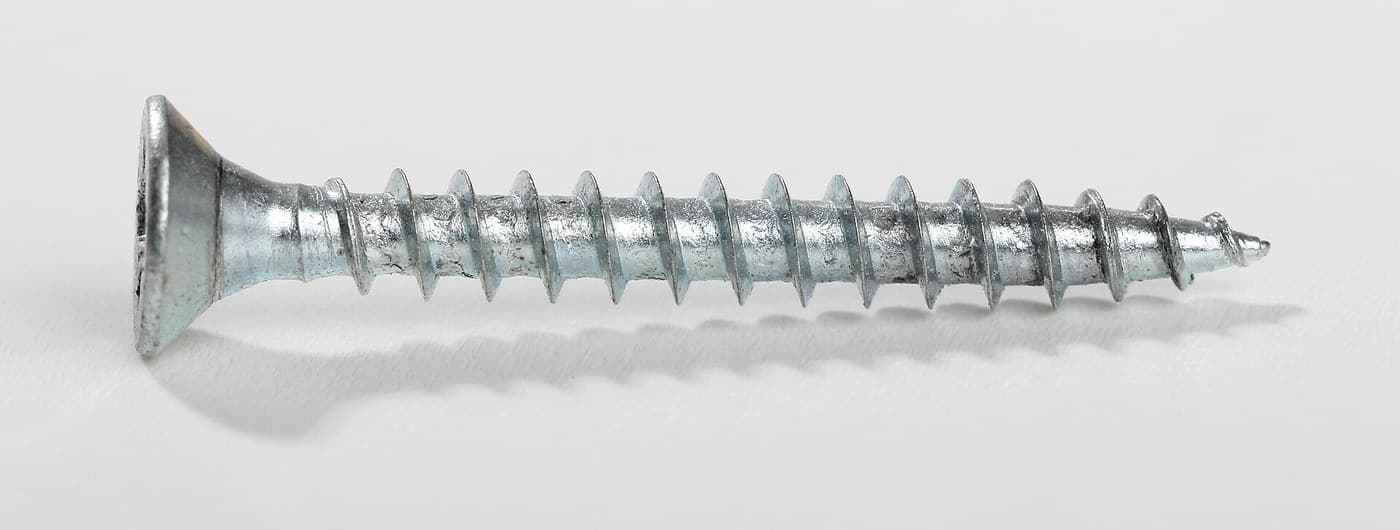
Screws: Cold Headed and Thread Rolled
by Emma
Metalworking
46
0
0
0
1
0
This blueprint makes

CC0 Public Domain
This blueprint is released under CC0. You are free to copy, modify, distribute, and use this work for any purpose, without asking permission.
Support the Maker by purchasing products through their Blueprint where they earn a Maker Commission set by Vendors, or create a new iteration of this Blueprint and include it as a connection in your own Blueprint to share revenue.