ART
BEAUTY & WELLNESS
CRAFT
CULTURE & HISTORY
ENTERTAINMENT
ENVIRONMENT
FOOD & DRINKS
REVERSE ENGINEERING
SCIENCES
SPORTS
TECHNOLOGY
WEARABLES
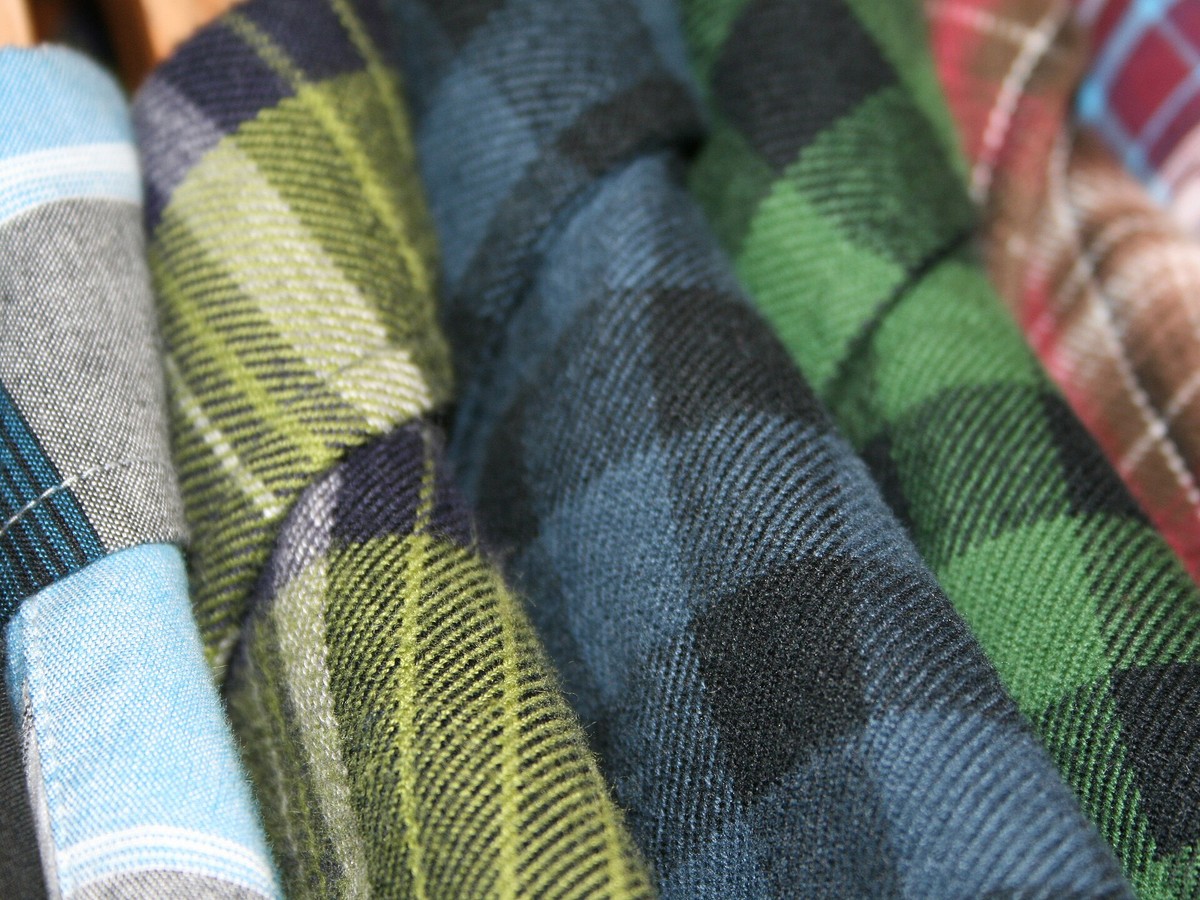


Wool Flannel: Plain-Woven Woollen Yarn, Milled and Raised (Watson, 1921)
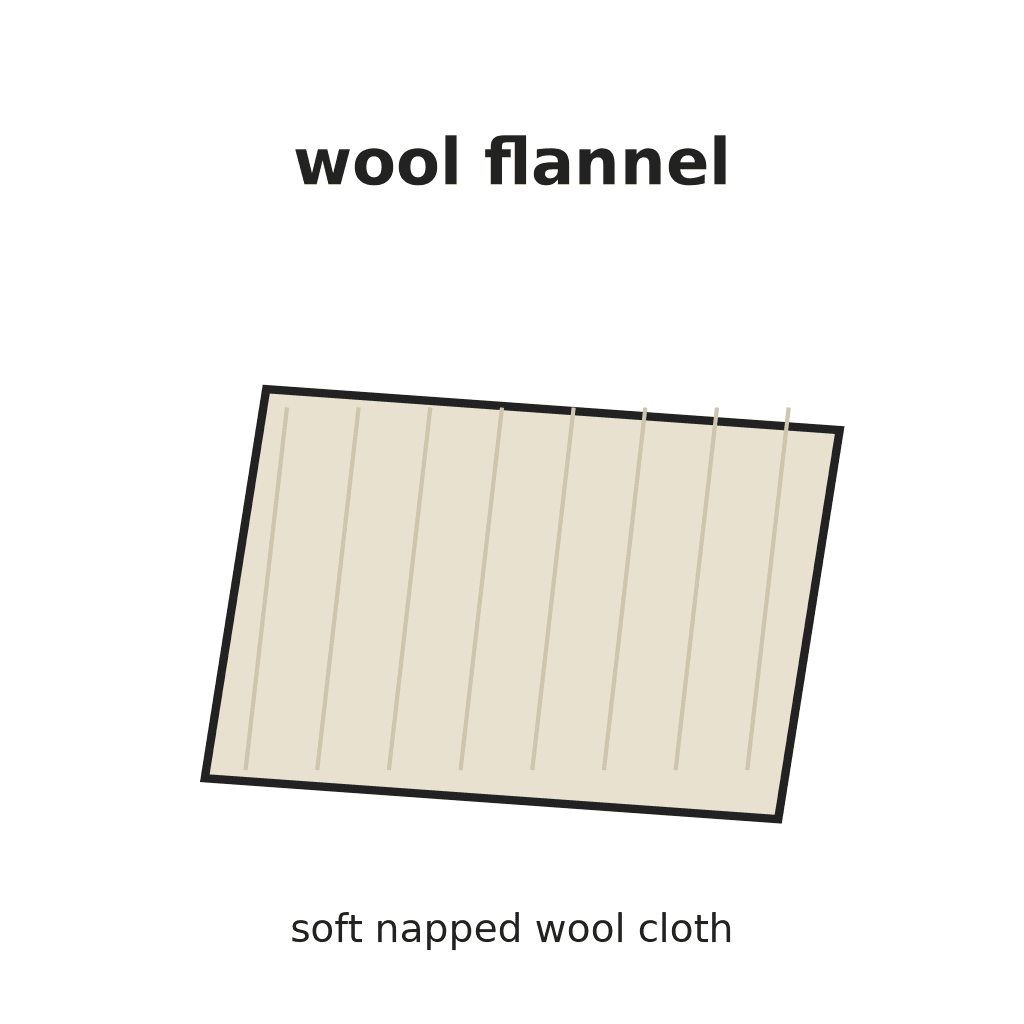
A soft wool flannel for shirts, linings and straining bags: woollen-spun yarn woven plain at 24 to 28 ends and 28 to 36 picks per inch, then milled in warm soapy water until it shrinks and closes, and raised to a fibrous face. The settings are William Watson's for an ordinary plain flannel, from Textile Design and Colour (1921).
Intermediate
About 3 days
Instructions
1
1
Hand-weaving wool cloth
Hand-weaving wool cloth
Weaving and finishing a length of wool fabric by hand (With my hands dream).
2
2
Watson's ordinary flannel
Watson's ordinary flannel
Watson (p. 397): flannel is a plain or twill cloth of woollen-spun yarn, "milled and raised". An ordinary plain flannel has 21 to 24 skeins warp, 23 to 26 skeins weft, 24 to 28 ends and 28 to 36 picks per inch in the loom, and contracts "about 20 per cent. in width and 15 per cent. in length". A skein count is yards per pound divided by 256 (Beaumont, 1888, p. 363).
3
3
Warp and yarn for your piece
Warp and yarn for your piece
Loading Jupyter Notebook...
Tools needed:
 Ruler
4
4
Check the yarn count
Check the yarn count
Measure 10 yards of each yarn and weigh it. A 22-skein yarn weighs about 0.81 g per 10 yards; the notebook gives the weight for any count. Use 21 to 24 skeins for the warp and 23 to 26 for the weft.
Tools needed:
 Balance ScaleRuler
5
5
Wind the warp and dress the loom
Wind the warp and dress the loom
Wind the number of ends from the notebook on the warping board, to the warp length it gives. Thread the heddles for plain weave (1-2-1-2 on two shafts) and sley the reed to 24 to 28 ends per inch, for example two ends in each dent of a 13-dent reed for 26 (ours). Beam the warp on under even tension.
Materials for this step:
 Wool Yarn Skein210 g (warp, 21-24 skeins)
Tools needed:
 Warping Board
 Floor Loom
 Reed Hook
6
6
Weave plain
Weave plain
Weave plain weave, beating to 28 to 36 picks per inch; check with a ruler every few inches. Leave the selvedges a little slack so they draw in with the cloth when it is milled.
Materials for this step:
Wool Yarn Skein180 g (weft, 23-26 skeins)Tools needed:
Floor Loom Boat ShuttleRuler
7
7
Mill the cloth
Mill the cloth
Cut the cloth off the loom and knot the ends. Ours: work it in warm soapy water by hand, squeezing, rolling and throwing it down, and measure it often. Stop when it has shrunk about 20 % in width and 15 % in length, as Watson gives for flannel. Rinse well and squeeze out.
Tools needed:
 Bucket
 Bar SoapRuler
8
8
Raise the face
Raise the face
While the cloth is still damp, stroke the face lightly with teasel heads, always the same way along the length, until a soft fibrous nap covers the weave. Dry it flat, then brush the nap down.
Tools needed:
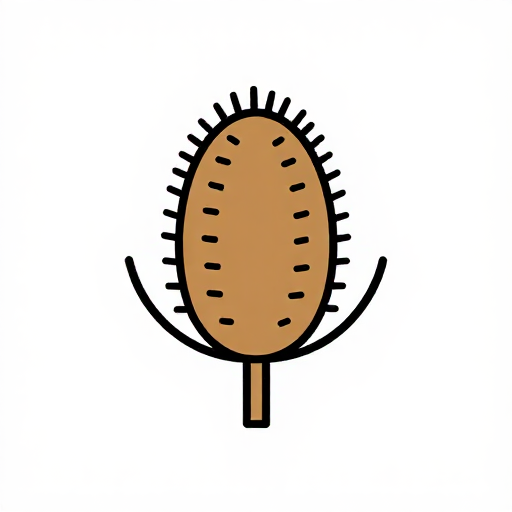 Teasel Heads
9
9
Troubleshooting
Troubleshooting
Flannel problems and fixes.
Flow
Loading...
10
10
History and honest limits
History and honest limits
William Watson, Textile Design and Colour (1921), p. 397, and Roberts Beaumont, Woollen and Worsted Cloth Manufacture (1888), p. 363. How to mill and raise by hand, the sleying and the cloth size are ours. The cover shows twill flannels (Louis Beche, CC BY 2.0, Wikimedia Commons); this blueprint weaves the plain kind. Not made by us yet.
Materials
1- 180 g (weft, 23-26 skeins)Placeholder
This blueprint makes
CC0 Public Domain
This blueprint is released under CC0. You are free to copy, modify, distribute, and use this work for any purpose, without asking permission.
Support the Maker by purchasing products through their Blueprint where they earn a Maker Commission set by Vendors, or create a new iteration of this Blueprint and include it as a connection in your own Blueprint to share revenue.