ART
BEAUTY & WELLNESS
CRAFT
CULTURE & HISTORY
ENTERTAINMENT
ENVIRONMENT
FOOD & DRINKS
REVERSE ENGINEERING
SCIENCES
SPORTS
TECHNOLOGY
WEARABLES
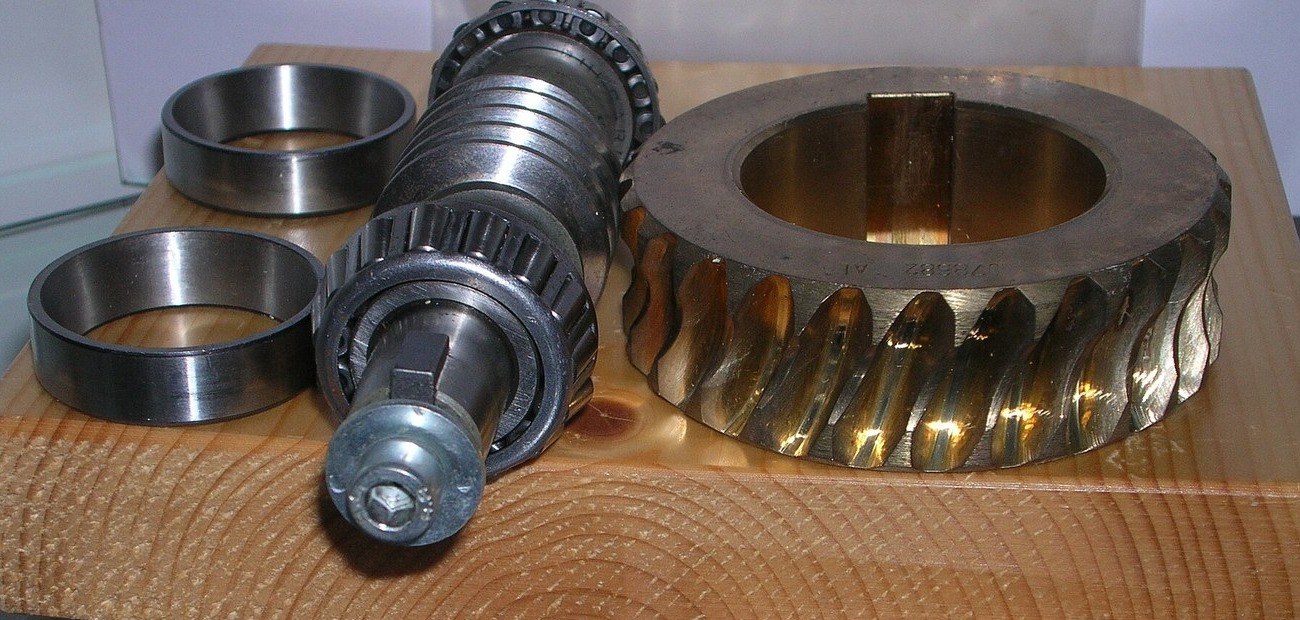


Worm and Worm Wheel: a Steel Screw and a Hobbed Bronze Wheel
A worm is a screw that drives a toothed wheel at right angles; with a single-start worm each turn moves the wheel one tooth, so a 30-tooth wheel gives 30:1. Cut the worm on a screw-cutting lathe, make a hob that is a copy of it with cutting edges, gash the bronze wheel on the dividing head, then run the hob through it to finish the teeth.
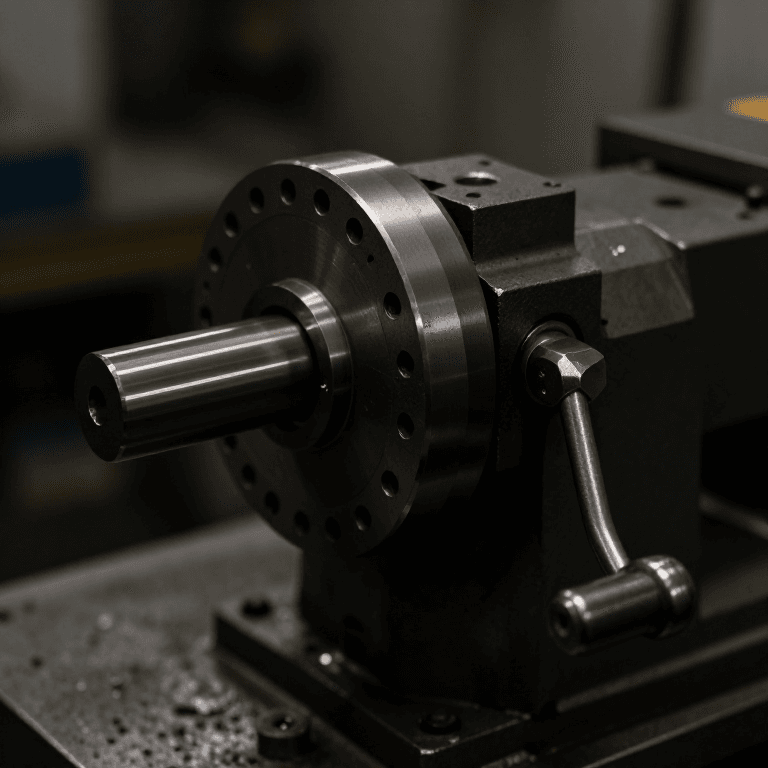
The picture: a worm shaft with its bearings and a hobbed bronze worm wheel from a gearbox.
Advanced
Three to four days
Instructions
1
1
Cut the worm
Cut the worm
Turn the steel bar to the worm's diameter and set the lathe's change gears to the axial pitch (π × module). Cut the single-start thread with a tool ground to the tooth form, checking it with the gauge.
Materials for this step:
 Mild Steel Round Bar1 piece
Tools needed:
 Metal Lathe
 Turning Tool Set HSS
 Thread Gauge
 Vernier Caliper
 Cutting Oil
2
2
Make the hob
Make the hob
Cut the same thread a little oversize on tool steel, file four or more lengthwise flutes across it to make cutting edges, back off behind each edge, then harden and temper it.
Materials for this step:
 Octagonal Tool Steel Bar1 piece
Tools needed:
Metal Lathe Metal File
 Blacksmith Forge
 Quench Bucket
 Safety Glasses
3
3
Cast and turn the wheel blank
Cast and turn the wheel blank
Melt bronze in a crucible, cast a round blank, and turn it on a mandrel to the wheel's diameter with a hollow rim to wrap the worm.
Materials for this step:
 Bronze Ingot1 kg
 Charcoal1 as required
Tools needed:
Blacksmith Forge Clay Crucible - Refractory
 Crucible Tongs
 Ingot MouldMetal Lathe
 Mandrel Rod
 Welding Gloves
4
4
Gash the teeth
Gash the teeth
Mount the blank on the dividing head with the cutter path set at the worm's lead angle and cut a slot for every tooth, nearly to depth.
Tools needed:
 Milling Machine
 Dividing HeadCutting Oil
5
5
Hob to shape
Hob to shape
Run the hob in mesh with the gashed blank, free to turn, feeding it in gradually to full depth: it drives the blank round and generates the true tooth form.
Tools needed:
Milling Machine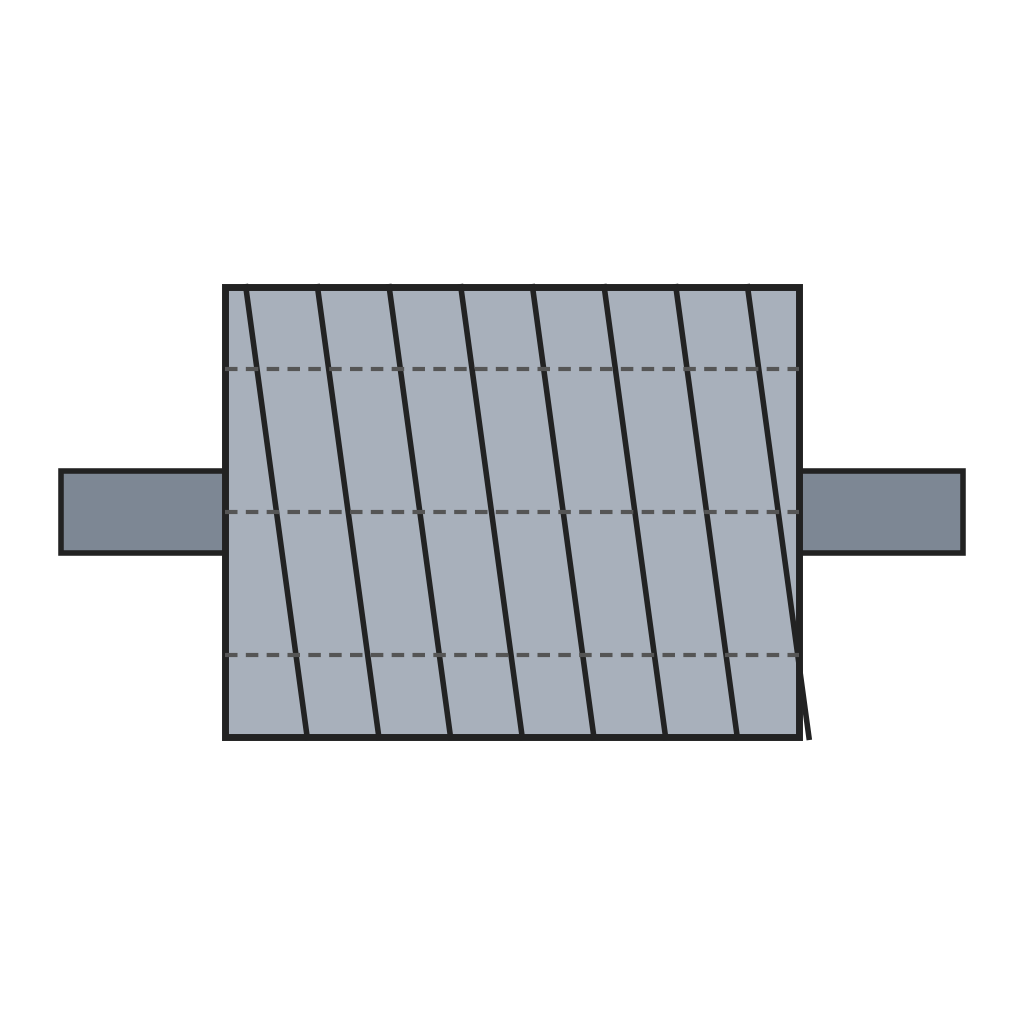 Worm HobCutting Oil
6
6
Sizes for a 30:1 set
Sizes for a 30:1 set
Loading Jupyter Notebook...
7
7
Limits
Limits
Worm drive principles, gashing and hobbing are as Wikipedia describes them; the module, tooth count and making the hob from the worm's own thread are ours. A single-start set like this is usually self-locking, which depends on lead angle and friction.
Materials
4- 1 piecePlaceholder
- 1 piecePlaceholder
- 1 kgPlaceholder
- 1 as requiredPlaceholder
Tools Required
17- Placeholder
- Placeholder
- Placeholder
- Placeholder
- Placeholder
- Placeholder
- Placeholder
- Placeholder
- Placeholder
- Placeholder
- Placeholder
- Placeholder
- Placeholder
- Placeholder
- Placeholder
- Placeholder
- Placeholder
This blueprint makes

Related Blueprints
These blueprints share knowledge with this one — techniques, materials, or principles that connect them in the learning graph.


CC0 Public Domain
This blueprint is released under CC0. You are free to copy, modify, distribute, and use this work for any purpose, without asking permission.
Support the Maker by purchasing products through their Blueprint where they earn a Maker Commission set by Vendors, or create a new iteration of this Blueprint and include it as a connection in your own Blueprint to share revenue.