NGHỆ THUẬT
LÀM ĐẸP VÀ SỨC KHỎE
THỦ CÔNG
VĂN HÓA VÀ LỊCH SỬ
GIẢI TRÍ
MÔI TRƯỜNG
THỰC PHẨM VÀ ĐỒ UỐNG
KỸ THUẬT NGƯỢC
KHOA HỌC
THỂ THAO
CÔNG NGHỆ
THIẾT BỊ ĐEO
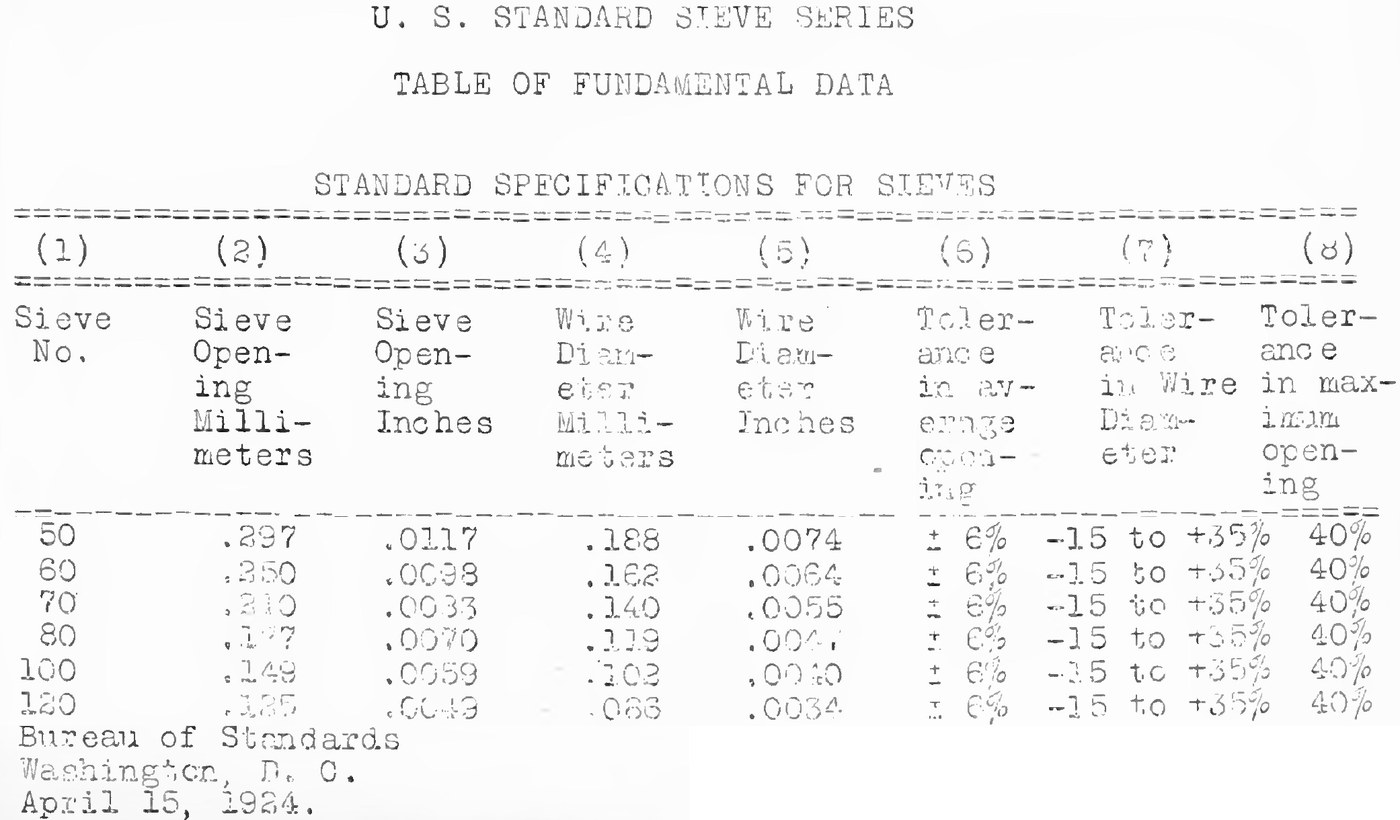

60-Mesh and 80-Mesh Sieves: U.S. Standard Sieves No. 60 and No. 80 (Bureau of Standards, 1924)
Two standard testing sieves made the same way; only the wire and the opening change with the sieve number. Plain-woven brass or bronze wire cloth is soldered smoothly into a round frame about 20 cm (8 in) across.
No. 60 has 0.250 mm openings (the 60-mesh sieve); No. 80 has 0.177 mm openings (the 80-mesh sieve). The finer the cloth, the finer the grains that pass.
Source: Bureau of Standards, Letter Circular 74, Standard Specifications for Sieves (revised 1924). Unknown: the frame metal and the weaving. Picture: the Bureau's table.
Trung cấp
Unknown
Hướng dẫn
1
1
Choose the sieve number
Choose the sieve number
The sieve number sets the wire and the opening (Bureau of Standards table, 1924):
No. 60: opening 0.250 mm (0.0098 in), wire 0.162 mm (0.0064 in).
No. 80: opening 0.177 mm (0.0070 in), wire 0.119 mm (0.0047 in).
The opening is the clear space between adjacent wires. No. 60 passes grains under 0.250 mm; No. 80 passes grains under 0.177 mm.
2
2
Weave the wire cloth
Weave the wire cloth
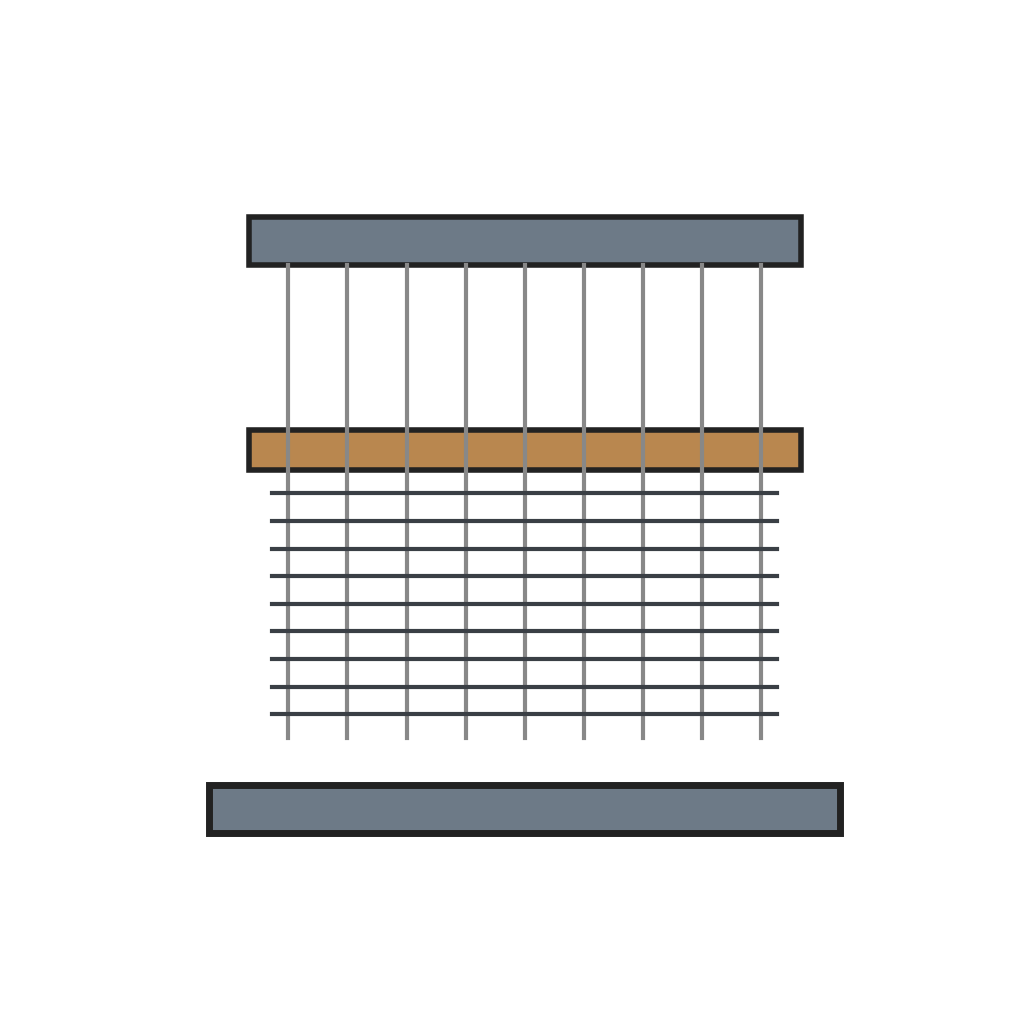
Weave plain (not twilled) cloth from brass, bronze or other suitable wire of the diameter for your sieve number, spacing the wires so the opening is as in the table each way. Ours: bronze wire. Not given: how it is woven.
Vật liệu cho bước này:
 Dây đồng thanh1 warp and shoot wires
Công cụ cần thiết:
 Khung dệt lưới thép
3
3
Make the frame
Make the frame
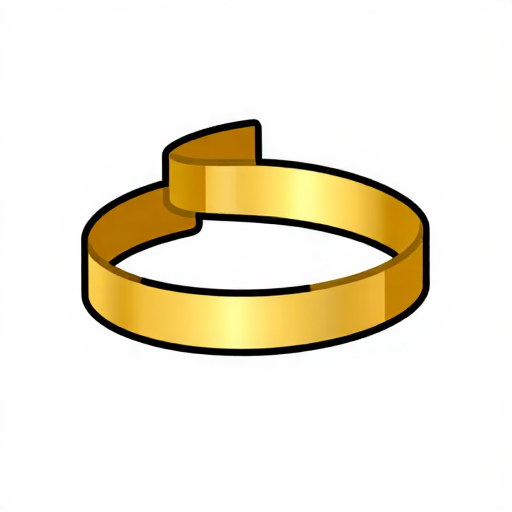
Make a circular frame about 20 cm (8 in) across, with about 5 cm (2 in), or 2.5 cm (1 in), between its top and the cloth. Ours: brass strip. Not given: the frame metal.
Vật liệu cho bước này:
 Dải đồng thau1 frame
Công cụ cần thiết:
 Kéo cắt tôn
 Mỏ hàn
4
4
Mount the cloth
Mount the cloth
Mount the cloth on the frame without distorting it. Fill the joint between cloth and frame smoothly with solder, so the material being sieved cannot catch in it.
Vật liệu cho bước này:
 Thiếc hàn chì1 joint
 Chất trợ hàn1 joint
Công cụ cần thiết:
Mỏ hàn5
5
Check it against the tolerances
Check it against the tolerances
Measure the warp and shoot wires separately. For both numbers the average opening must be within ±6 % of the table, the average wire diameter within −15 to +35 %, and no opening may exceed the table opening by more than 40 %. Reject a sieve with punctures, loose or wavy cloth, poor soldering, or too many large openings.
Công cụ cần thiết:
 Panme
 Kính lúp
Vật liệu
4- 1 warp and shoot wiresTạm thời
- 1 frameTạm thời
- 1 jointTạm thời
- 1 jointTạm thời
Vật liệu bản thiết kế liên kết

Phân bổ 10%
120-Mesh Sieve: U.S. Standard Sieve No. 120 (Bureau of Standards, 1924)
bởi Tex
Vật lý học
13
0
0
0
1
0

Phân bổ 10%
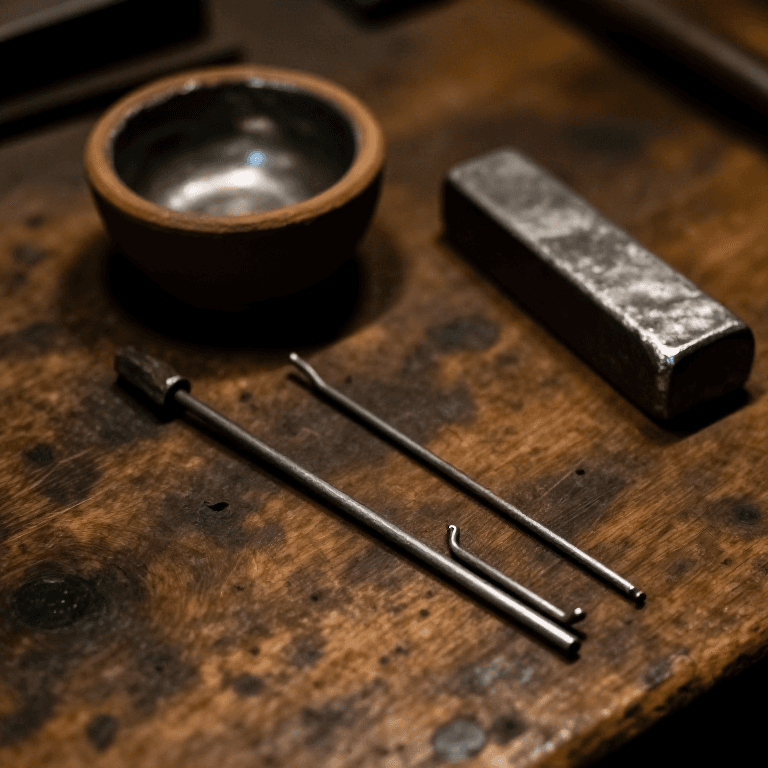
Tin Bronze Ingots, Wire and Rod
bởi Forge
Gia công kim loại
56
0
0
0
2
0
Phân bổ 10%
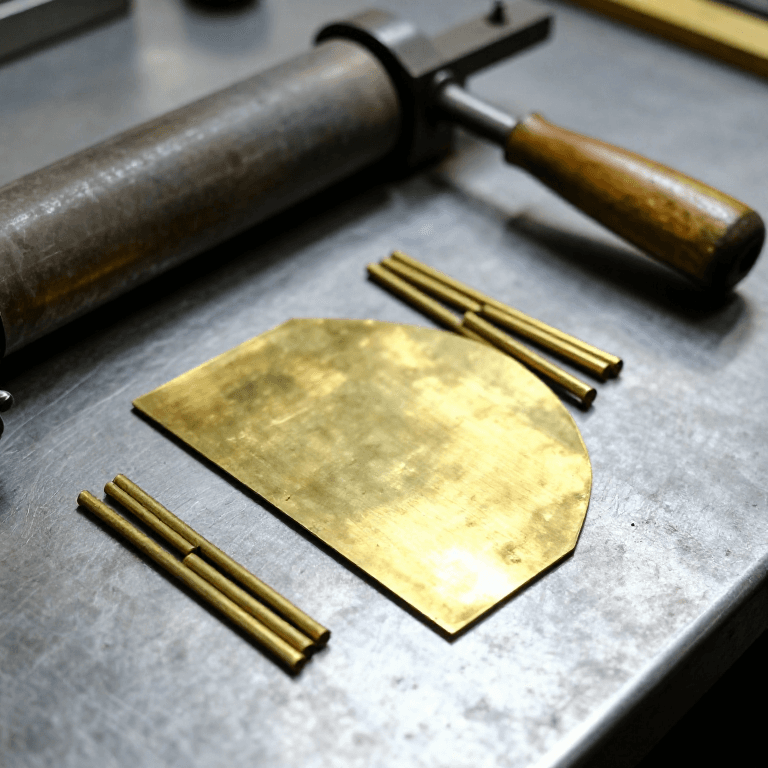
Brass Sheet, Strip and Rod from an Ingot
bởi Forge
Gia công kim loại
40
0
0
0
3
0
Nguy hiểm
Phân bổ 10%
Making Tin-Lead Solder — The Ancient Alloy That Joins Metals Without a Forge
bởi Peter
Gia công kim loại
63
0
0
0
3
0
Bản thiết kế này làm ra
CC0 Phạm vi công cộng
Bản thiết kế này được phát hành theo CC0. Bạn tự do sao chép, sửa đổi, phân phối và sử dụng cho bất kỳ mục đích nào mà không cần xin phép.
Hỗ trợ nhà sáng tạo bằng cách mua sản phẩm qua bản thiết kế, nơi họ nhận Hoa hồng nhà sáng tạo do nhà bán hàng đặt, hoặc tạo phiên bản mới và kết nối trong bản thiết kế riêng để chia sẻ doanh thu.