NGHỆ THUẬT
LÀM ĐẸP VÀ SỨC KHỎE
THỦ CÔNG
VĂN HÓA VÀ LỊCH SỬ
GIẢI TRÍ
MÔI TRƯỜNG
THỰC PHẨM VÀ ĐỒ UỐNG
KỸ THUẬT NGƯỢC
KHOA HỌC
THỂ THAO
CÔNG NGHỆ
THIẾT BỊ ĐEO
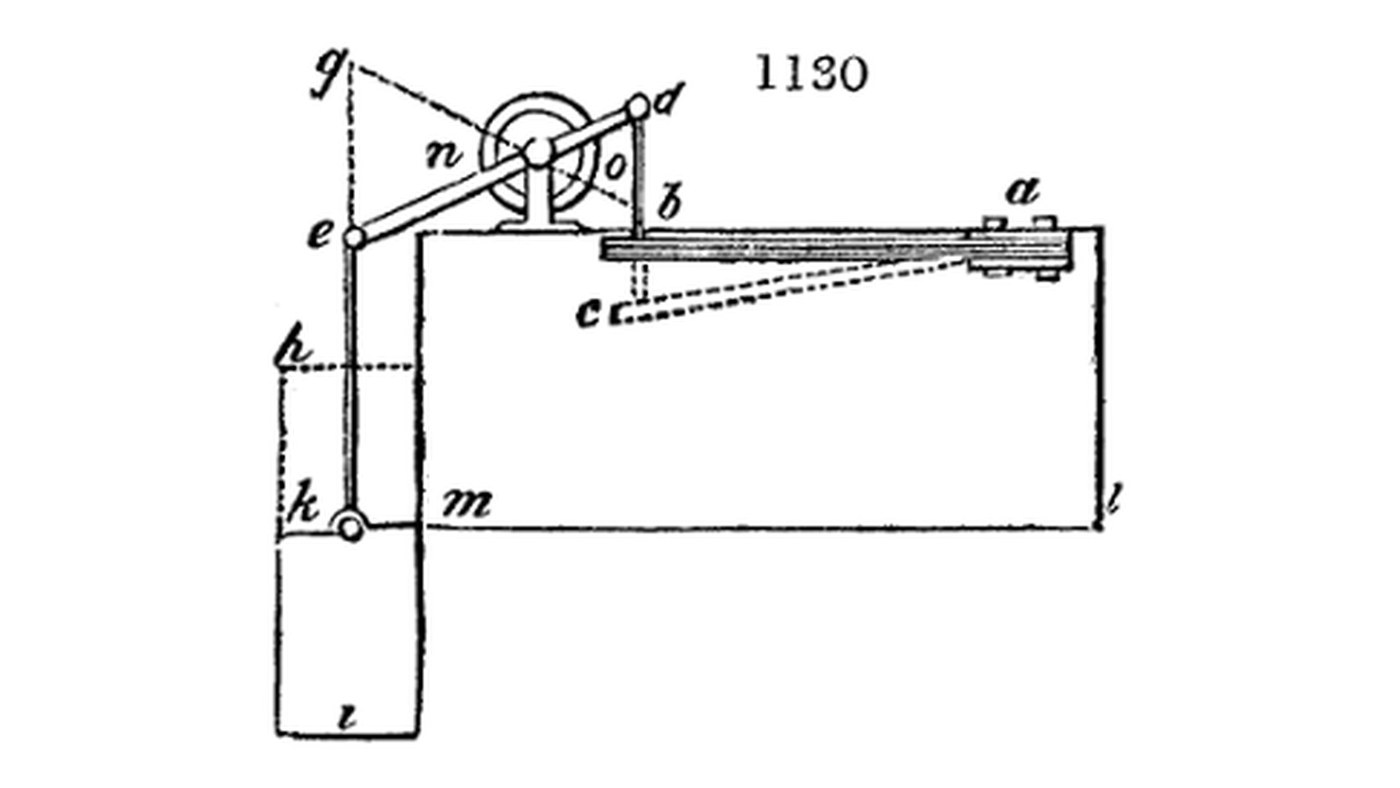


Bimetallic Strip: Ure's Thermostatic Bar of Steel and Brass (1839)
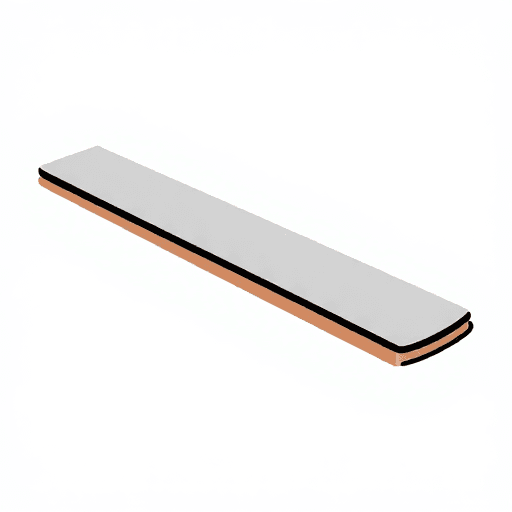
The compound bar of Andrew Ure's 1831 thermostat: a thin steel ruler and a ruler of hard-hammered brass riveted face to face. Brass expands more than steel, so when the bar warms it bends, and the free end can work a valve, damper or cock.
Bolt one end fast and leave the other free to move.
Source: A. Ure, Dictionary of Arts, Manufactures and Mines (1839), 'Thermostat'. Picture: the book's Fig. 1130.
Cơ bản
Unknown
Hướng dẫn
1
1
Prepare the two rulers
Prepare the two rulers
Take two long thin rulers, one of steel and one of brass. Hammer the brass hard.
Vật liệu cho bước này:
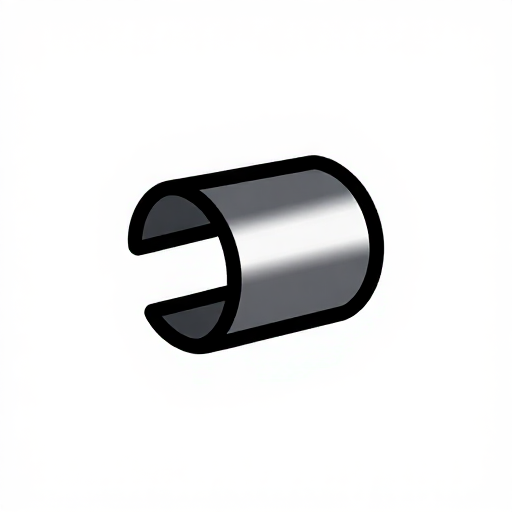 Dải thép cacbon1 thin ruler
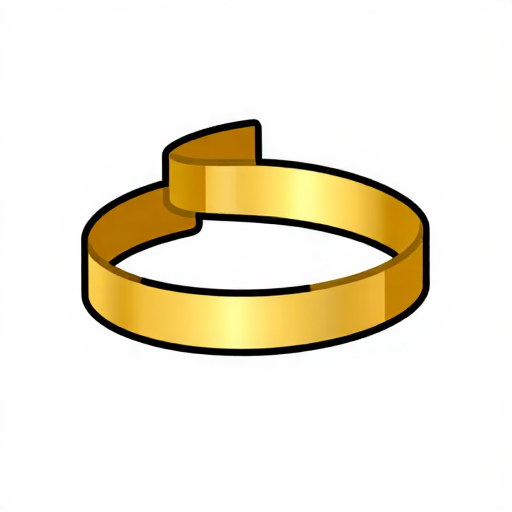 Dải đồng thau1 thin ruler
Công cụ cần thiết:
 Búa
 Đe
2
2
Rivet them face to face
Rivet them face to face
Lay the rulers face to face and rivet them firmly together along their length.
Vật liệu cho bước này:
 Đinh tán đồng1 cái
Công cụ cần thiết:
 Khoan tay
 Bộ tán rivêBúa
3
3
Mount and use
Mount and use
Fix one end of the compound bar by bolts and leave the other free: when heated the free end moves by flexure, and through links and levers it can open or close a valve, cock, register or ventilator. In the still's heat-governor two such bars stand with their edges up and down.
Công cụ cần thiết:
BúaVật liệu
3- 1 thin rulerTạm thời
- 1 thin rulerTạm thời
- 1 cáiTạm thời
Bản thiết kế này làm ra
CC0 Phạm vi công cộng
Bản thiết kế này được phát hành theo CC0. Bạn tự do sao chép, sửa đổi, phân phối và sử dụng cho bất kỳ mục đích nào mà không cần xin phép.
Hỗ trợ nhà sáng tạo bằng cách mua sản phẩm qua bản thiết kế, nơi họ nhận Hoa hồng nhà sáng tạo do nhà bán hàng đặt, hoặc tạo phiên bản mới và kết nối trong bản thiết kế riêng để chia sẻ doanh thu.