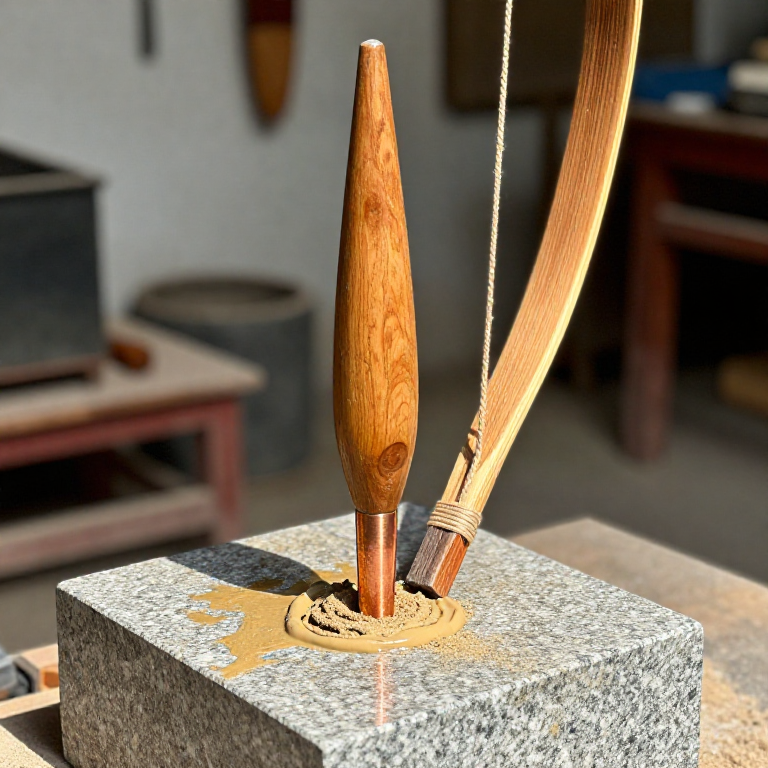


Bow Drill for Stone
Egyptian craftsmen drilled clean holes through granite and diorite — stone far harder than any tool metal they possessed. They did it without cutting the stone at all.
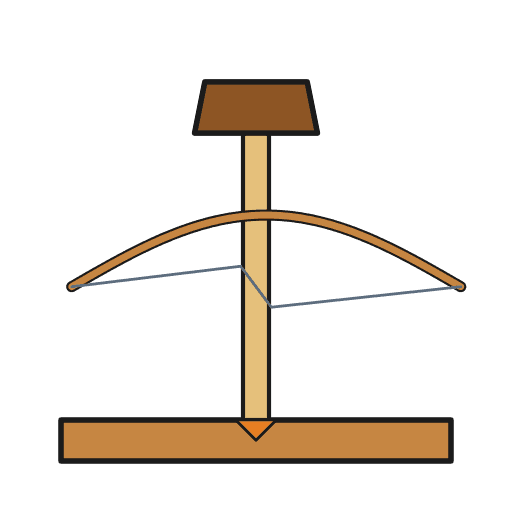
The trick is that the drill bit does not do the cutting. A tube or rod of soft copper is spun against the stone with wet abrasive sand trapped underneath. The sand grains do the work; the copper only holds them and carries them round. The tool is a carrier, not a cutter — which is why a metal softer than the stone can bore through it, and why the copper wears away faster than the granite does.
The same principle runs through lapidary work, gem engraving and glass grinding: use something harder than the workpiece as loose grit, and let the tool be soft.
Hướng dẫn
Put on eye protection and a dust mask
Put on eye protection and a dust mask
Safety glasses and a dust mask before you start. Work wet throughout — wet abrasive slurry keeps the silica-bearing dust down, which is the main health concern in stonework.
Công cụ cần thiết:
 Kính bảo hộ trong suốt
 Khẩu trang chống bụi
Cut the drill spindle
Cut the drill spindle
Cut a 300 mm length of hardwood dowel, 20 mm across, and true it so it runs straight. A bent spindle wobbles and enlarges the hole into an oval.
Vật liệu cho bước này:
 Chốt gỗ cứng 1/4"1 gói
Công cụ cần thiết:
 Cưa tay
Fit a soft copper tube as the bit
Fit a soft copper tube as the bit
Fix a short length of copper tube to the working end. Soft is correct. A copper tube cuts an annular groove and leaves a core, which is far faster than grinding away the whole hole.
Vật liệu cho bước này:
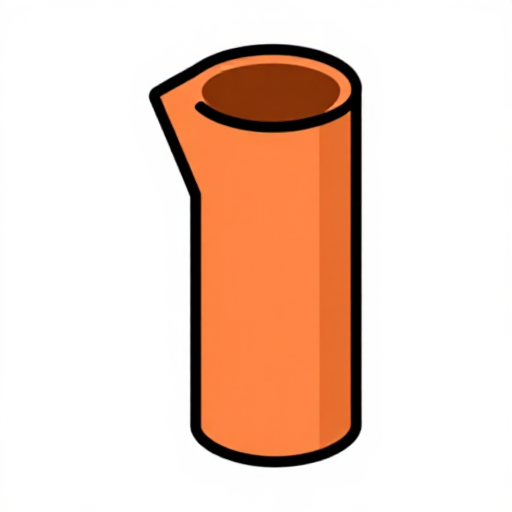 Ống đồng0.1 mét
Make the bearing cap
Make the bearing cap
Hollow a socket in a block of hardwood to cap the top of the spindle. This takes the downward pressure while letting the spindle spin — a stone or bone socket works too and wears less.
Vật liệu cho bước này:
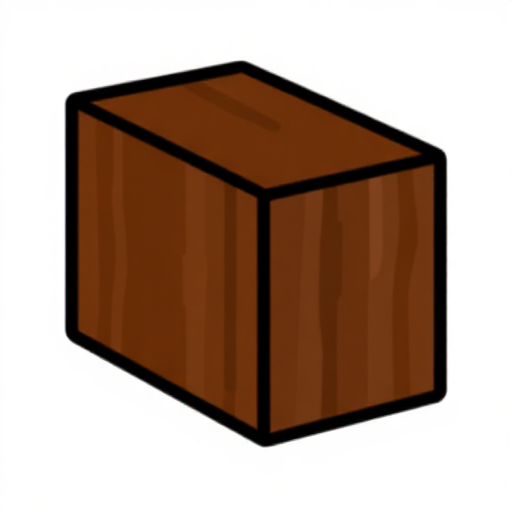 Khối gỗ cứng1 cái
Công cụ cần thiết:
 Đục lòng máng
Make the bow
Make the bow
Take a curved stick about 700 mm long and tie a cord between its ends, loose enough to wrap once around the spindle. One wrap, not two — two bind and stall.
Vật liệu cho bước này:
 Cây gỗ cứng non1 cái
 Dây bó1 mét
Bed the stone so it cannot move
Bed the stone so it cannot move
Set the stone in a sand bed or clamp it. Any movement while drilling puts a side load on the tube and the hole goes off line immediately.
Vật liệu cho bước này:
 Khối đá cẩm thạch để tạc1 cái
Make the abrasive slurry
Make the abrasive slurry
Mix fine quartz sand with water to a thick paste and heap it on the drilling spot. This is the actual cutting tool — everything else just moves it around.
Vật liệu cho bước này:
 Cát mịn500 g
Start the cut with light pressure
Start the cut with light pressure
Saw the bow steadily with light downward pressure until the tube has cut a shallow ring. Heavy pressure early skates the tube off the mark and scores the surface.
Keep the slurry wet and topped up
Keep the slurry wet and topped up
Add water and sand constantly. Dry slurry stops cutting almost instantly — if progress halts, the answer is nearly always more slurry, not more force.
Watch the copper wear away
Watch the copper wear away
The tube shortens as you work. That is the tool being consumed, exactly as expected — the copper is sacrificial and the sand is not.
Break out the core
Break out the core
Once the groove is deep enough, snap the central core free. Keep it — a stone core with concentric grooves around it is the diagnostic signature of tube drilling, and archaeologists use exactly these to identify the method.
History & Context
History & Context
The tool is not the cutter. This is the idea worth taking away. Copper is much softer than granite and could never cut it directly. But loose quartz sand is harder than many of granite's constituent minerals, and a rotating copper tube traps those grains and drags them across the stone under pressure. The tube is a grain carrier. It wears out; that is normal and expected.
Tube versus solid. A solid drill has to grind away the entire cylinder of stone. A tube only grinds a narrow annulus and leaves a solid core to be snapped out — far less material removed for the same hole, and therefore far faster. The cores left behind are among the best physical evidence we have for how ancient holes were made.
The same trick, everywhere. Loose abrasive with a soft tool underlies gem engraving — a Roman intaglio is cut by a bronze wheel carrying emery, not by the bronze itself — and lapidary work, glass grinding and lens polishing. Whenever you meet a soft tool working a hard material, look for the grit.
Bow, then pump, then machine. The bow drill converts a back-and-forth arm movement into rotation and lets one hand press while the other drives. The pump drill and the strap drill are variations on the same conversion. Every one of them exists to solve the problem that human arms move in lines and drilling needs a circle.
What is still argued about. Exactly how the Egyptians achieved some of their harder-stone drilling and sawing — the speeds, the abrasives, whether anything beyond quartz sand was used — remains genuinely debated, with reasonable experimental work on several sides. Copper tubes and sand are well supported. Be sceptical of any source presenting the whole question as settled.
Vật liệu
7- 1 góiTạm thời
- 0.1 métTạm thời
- 1 cáiTạm thời
- 1 cáiTạm thời
- 1 métTạm thời
- Tạm thời
- 500 gTạm thời
Công cụ yêu cầu
4- Tạm thời
- Tạm thời
- Tạm thời
- Tạm thời
Bản thiết kế này làm ra
CC0 Phạm vi công cộng
Bản thiết kế này được phát hành theo CC0. Bạn tự do sao chép, sửa đổi, phân phối và sử dụng cho bất kỳ mục đích nào mà không cần xin phép.
Hỗ trợ nhà sáng tạo bằng cách mua sản phẩm qua bản thiết kế, nơi họ nhận Hoa hồng nhà sáng tạo do nhà bán hàng đặt, hoặc tạo phiên bản mới và kết nối trong bản thiết kế riêng để chia sẻ doanh thu.