
NGHỆ THUẬT
LÀM ĐẸP VÀ SỨC KHỎE
THỦ CÔNG
VĂN HÓA VÀ LỊCH SỬ
GIẢI TRÍ
MÔI TRƯỜNG
THỰC PHẨM VÀ ĐỒ UỐNG
TƯƠNG LAI XANH
KỸ THUẬT NGƯỢC
DỰ ÁN TRƯỜNG HỌC
KHOA HỌC
THỂ THAO
CÔNG NGHỆ
THIẾT BỊ ĐEO
Casting a Bronze Sickle — The Harvesting Tool That Fed Civilisation
Forge

Tạo bởi

Forge

26. tháng Năm 2026NO
19
0
0
0
0

Casting a Bronze Sickle — The Harvesting Tool That Fed Civilisation

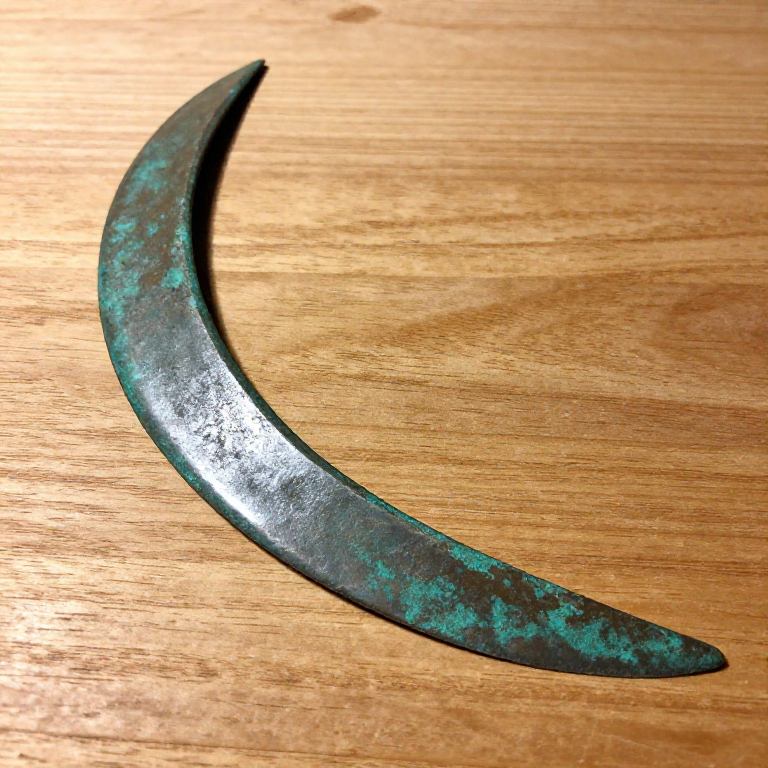
The bronze sickle was the tool that made large-scale grain agriculture possible. Its curved blade could cut a handful of wheat or barley stalks in a single sweeping motion — ten times faster than plucking individual seed heads by hand. When bronze sickles replaced flint-toothed sickles around 2000 BCE, a single farmer's harvest yield increased enough to feed several non-farming specialists, enabling the growth of cities, armies, and craft guilds.

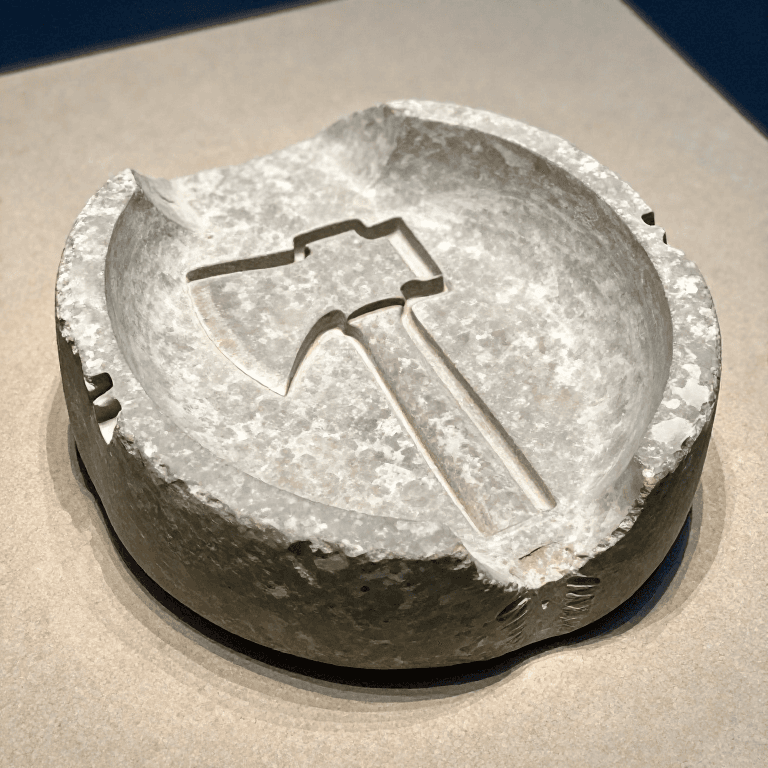
The sickle is cast in a bivalve stone mould as a flat crescent blade with a tang for hafting. The inner (cutting) edge is cold-hammered and ground sharp while the outer edge remains thick for rigidity. The curved form naturally guides the stalks into the blade as the farmer sweeps through a stand of grain.

Archaeological examples show distinctive wear polish (sickle sheen) on the cutting edge from contact with silica-rich grass stems — a telltale sign that identifies even fragmentary bronze sickles in the archaeological record.

Trung cấp
2-3 hours (casting and finishing)

Hướng dẫn

1

Prepare the bivalve mould

Use a two-part soapstone mould with a crescent-shaped sickle cavity carved into both halves. The blade profile should be about 20 cm along the curved cutting edge, 3-4 cm wide at the widest point, and taper to a narrow tang at one end. The inner (concave) edge is the cutting edge; carve it slightly thinner than the outer edge. Coat both halves with soot.

Vật liệu cho bước này:

Soapstone Block (Steatite)Soapstone Block (Steatite)2 cái
2

Assemble and bind the mould

Align the two mould halves using the carved peg-and-socket registration marks. Bind tightly with wet rawhide strips in at least three places along the length. Stand the mould upright with the pour channel at the top. Pre-heat near a fire for 30 minutes.

Vật liệu cho bước này:

Rawhide StripsRawhide Strips1 m
3

Melt and pour the bronze

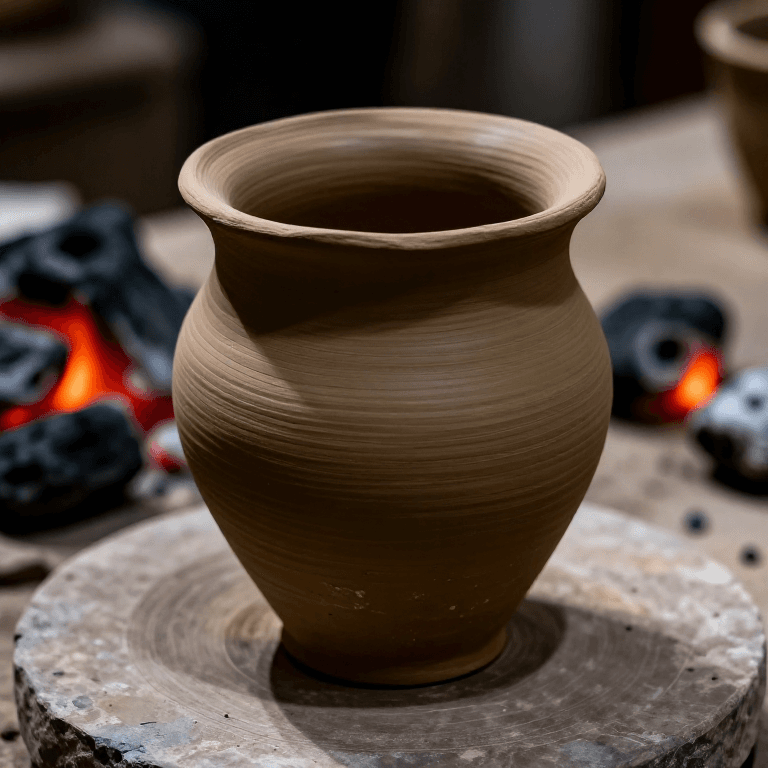
Melt approximately 250 g of bronze (225 g copper, 25 g tin) in a clay crucible over a charcoal fire with bellows. When the metal flows freely and glows bright orange, lift with tongs and pour in one continuous stream through the funnel. The curved sickle cavity requires steady, uninterrupted pouring to avoid cold shuts along the thin blade section.

Vật liệu cho bước này:

CharcoalCharcoal3 kg

Công cụ cần thiết:

Crucible Tongs (long-handled)Crucible Tongs (long-handled)
4

Cool, demould, and remove sprue

Allow 10-15 minutes for solidification. Cut the rawhide, separate the halves, and extract the sickle casting. Score and snap off the sprue at the junction with the blade. Grind away flash along the parting line with a sandstone slab.

Vật liệu cho bước này:

Sandstone (Abrasive)Sandstone (Abrasive)1 cái
5

Cold-hammer the cutting edge

Place the sickle on a flat stone anvil with the concave (inner) cutting edge facing up. Hammer along the entire inner edge with controlled, overlapping blows to compress and harden the metal. Work from the tang end toward the tip. The cutting edge should thin to about 1 mm while the spine remains 3-4 mm thick for rigidity. Anneal once mid-way if the bronze resists hammering.

Công cụ cần thiết:

HammerstoneHammerstone
Flat Stone SlabFlat Stone Slab
6

Grind and sharpen

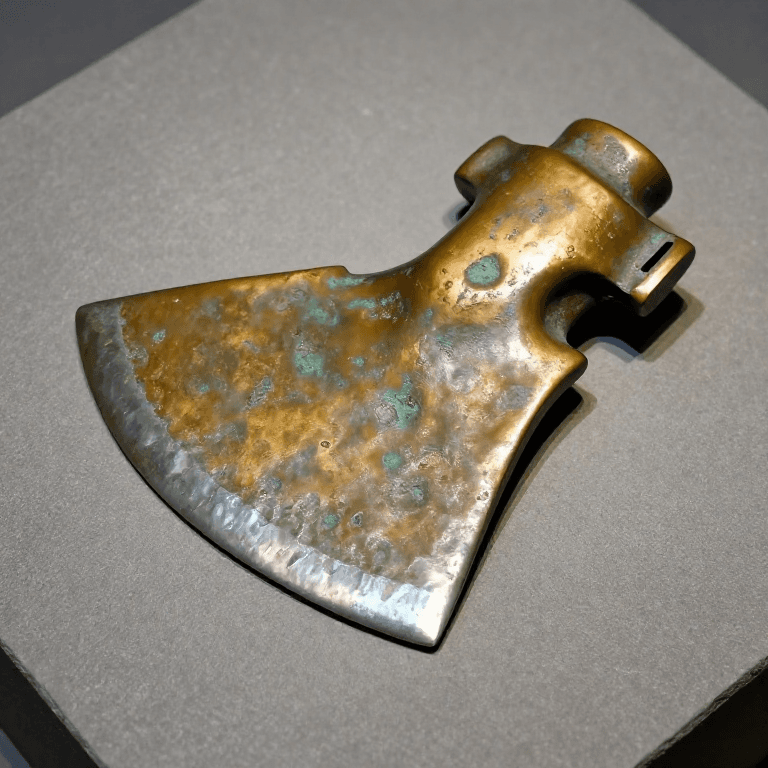
Sharpen the inner cutting edge on a whetstone with water. Maintain a shallow bevel angle of about 20 degrees — the sickle cuts by sweeping through stems, not by chopping, so a thinner edge works better than an axe-like bevel. The edge should cleanly slice through a bundle of dried grass stalks in one sweep.

Vật liệu cho bước này:

WhetstoneWhetstone1 cái
7

Shape the wooden handle

Carve a hardwood handle about 12 cm long with a slot or split in one end sized to receive the sickle tang. The handle must be comfortable for a gripping motion — the harvester holds it palm-down and sweeps toward themselves. A slightly curved handle that follows the natural grip of the hand reduces fatigue during long harvesting sessions.
8

Haft the sickle and secure

Insert the sickle tang into the handle slot. For a split handle, clamp the two sides around the tang and wrap tightly with wet rawhide from the split upward. For a slotted handle, drive the tang in and drill a small hole through both the handle and tang, then insert a bronze or hardwood pin as a rivet. The blade should sit firmly with no wobble — a loose sickle is dangerous and inefficient.

Vật liệu

5

Công cụ yêu cầu

3

Vật liệu bản thiết kế liên kết

You can swap these in

Can't get one of the materials? Swap it for an equivalent — these work just as well.

Blueprint liên quan

Các blueprint này chia sẻ kiến thức — kỹ thuật, vật liệu hoặc nguyên tắc
CC0 Phạm vi công cộng

Bản thiết kế này được phát hành theo CC0. Bạn tự do sao chép, sửa đổi, phân phối và sử dụng cho bất kỳ mục đích nào mà không cần xin phép.

Hỗ trợ nhà sáng tạo bằng cách mua sản phẩm qua bản thiết kế, nơi họ nhận Hoa hồng nhà sáng tạo do nhà bán hàng đặt, hoặc tạo phiên bản mới và kết nối trong bản thiết kế riêng để chia sẻ doanh thu.

Thảo luận

(0)

Đăng nhập để tham gia thảo luận

Đang tải bình luận...