NGHỆ THUẬT
LÀM ĐẸP VÀ SỨC KHỎE
THỦ CÔNG
VĂN HÓA VÀ LỊCH SỬ
GIẢI TRÍ
MÔI TRƯỜNG
THỰC PHẨM VÀ ĐỒ UỐNG
KỸ THUẬT NGƯỢC
KHOA HỌC
THỂ THAO
CÔNG NGHỆ
THIẾT BỊ ĐEO
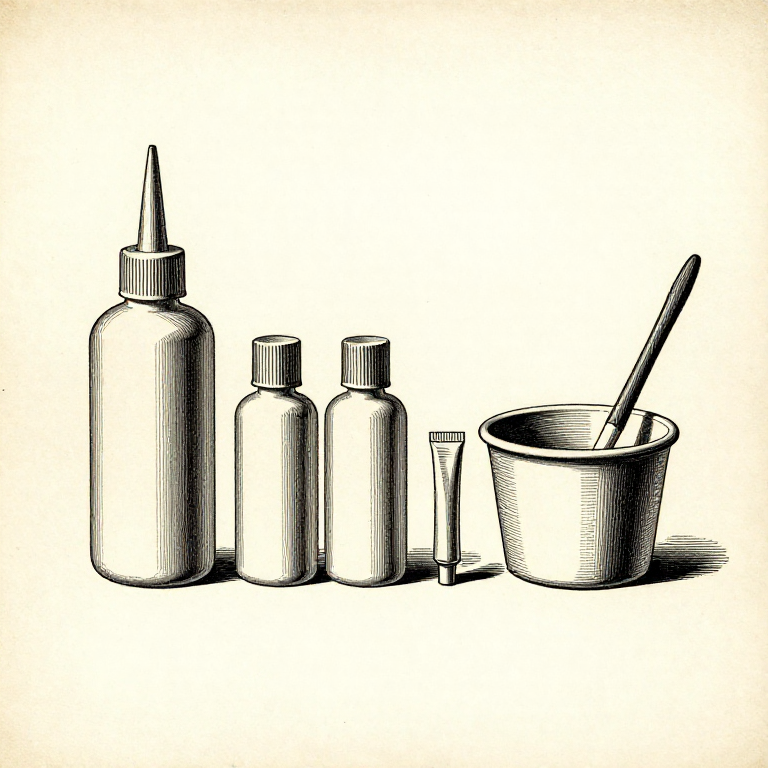


Choosing the Adhesive: Open Time, Gap Fill, and What It Has to Survive
There is no best adhesive. There is a right one for a given pair of materials, a given gap, a given assembly time and a given service condition — and the wrong one will fail however carefully it is applied.
Four questions settle it almost every time: what am I sticking to what, how long do I need to position it, is there a gap, and will it get wet, hot or loaded?
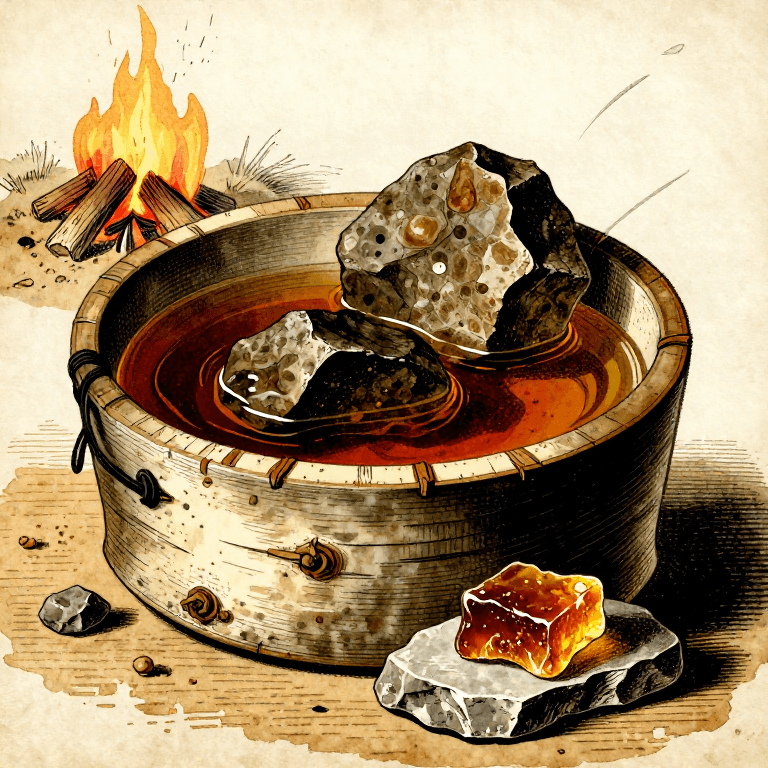
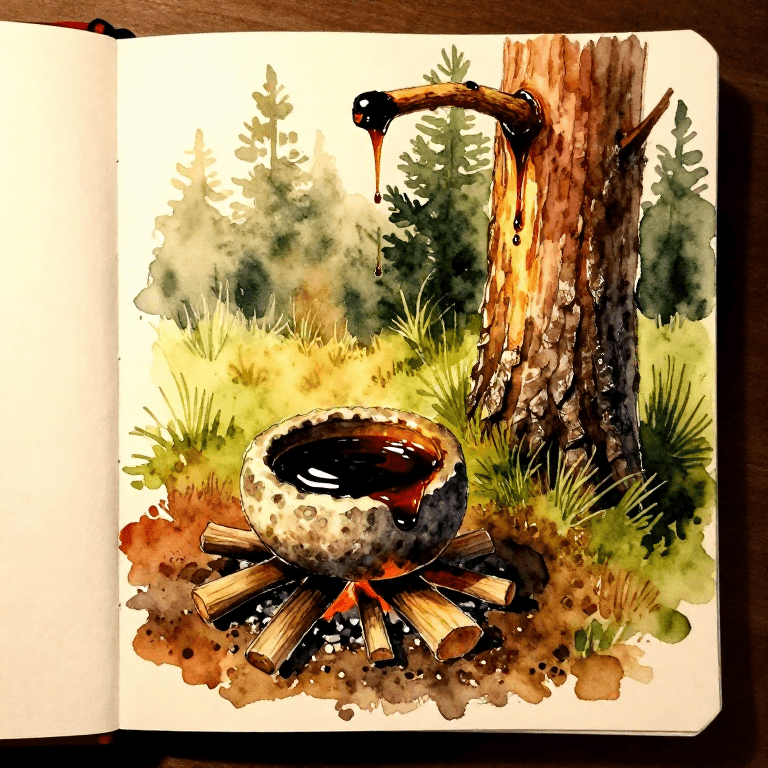
This rung answers those for the adhesives a workshop actually has, including the two traditional ones already published on Youblob — hide glue and pine pitch — which remain the right choice for specific jobs rather than historical curiosities.
Trung cấp
3 hours
Hướng dẫn
1
1
The workshop shortlist, and what each is actually for
The workshop shortlist, and what each is actually for
PVA (white or yellow wood glue): the default for wood-to-wood. Strong, cheap, easy, no gap fill, not waterproof unless it says so. EPOXY: two parts, sticks to almost anything, genuinely fills gaps, waterproof, and the only one on this list that will bond metal reliably.
CYANOACRYLATE (super glue): instant, brittle, poor in shear and peel, excellent for tiny parts and for tacking something while a stronger adhesive cures. POLYURETHANE: expands as it cures, waterproof, fills gaps — but the foam it creates has little strength, so the expansion is not filling anything usefully.
HIDE GLUE: reversible with heat and moisture, which is why instruments and antiques use it — a joint that can be taken apart in fifty years without destroying the piece. HOT MELT: fast, weak, temperature-sensitive; a jig and mock-up adhesive, not a structural one.
Vật liệu cho bước này:
 Keo gỗ PVA1 cái
 Keo epoxy hai thành phần1 cái
 Keo dán nhanh (cyanoacrylate)1 cái
 Keo polyurethan1 cái
 Keo da động vật1 cái
Công cụ cần thiết:
 Chổi quét keo
 Kính bảo hộ trong suốt
2
2
Open time is the one that ruins glue-ups
Open time is the one that ruins glue-ups
Đang tải sổ tay Jupyter…
Công cụ cần thiết:
 Máy tính bỏ túi
3
3
Gap fill: which ones genuinely do it
Gap fill: which ones genuinely do it
EPOXY fills gaps properly. It cures by chemical reaction rather than by losing water or solvent, so the bulk material in the gap is as strong as the film — which is why it is the right answer for a joint that cannot be made to fit.
PVA and hide glue do not. They cure by losing water, so a thick line shrinks, cracks internally and ends up weaker than no gap at all. Adding sawdust to PVA makes a filler, not a structural joint.
POLYURETHANE is the one people get wrong. It expands and the foam fills the space, but the foam is weak. It looks as if the gap is bridged and structurally it is not — and the expansion will also push a loosely clamped joint apart while it cures.
Vật liệu cho bước này:
 Keo epoxy 30 phút1 cáiKeo polyurethan1 cáiKeo gỗ PVA1 cái
Công cụ cần thiết:
Chổi quét keo Vam chữ C
 Kính lúp thợ kim hoàn
4
4
Water, heat and load: what the joint has to survive
Water, heat and load: what the joint has to survive
Ordinary PVA softens when wet. For anything outdoors or in a kitchen, use a water-resistant grade (D3) or waterproof (D4), or epoxy. The label matters here — 'wood glue' covers all three grades.
Heat is the limit people forget. Hot melt lets go at the temperature it was applied at, PVA creeps above about 50 C, and hide glue releases with steam by design. A joint in a car, a loft or beside a stove needs epoxy or a mechanical fastening.
Sustained load is the subtlest. Most adhesives CREEP — they deform slowly under constant stress — and a shelf glued with PVA will sag over years in a way it would not with epoxy or a proper joint. Where the load is permanent, let the joinery carry it and the glue merely hold it together.
Vật liệu cho bước này:
Keo gỗ PVA1 cáiKeo epoxy hai thành phần1 cáiKeo da động vật1 cáiCông cụ cần thiết:
Kính bảo hộ trong suốtVật liệu
6- 3 cáiTạm thời
- Tạm thời
- Tạm thời
- Keo polyurethanHoa hồng 10%2 cáiTạm thời
- 1 cáiTạm thời
- 1 cáiTạm thời
Công cụ yêu cầu
5- Tạm thời
- Tạm thời
- Tạm thời
- Tạm thời
- Tạm thời
Blueprint liên quan
Các blueprint này chia sẻ kiến thức — kỹ thuật, vật liệu hoặc nguyên tắc



CC0 Phạm vi công cộng
Bản thiết kế này được phát hành theo CC0. Bạn tự do sao chép, sửa đổi, phân phối và sử dụng cho bất kỳ mục đích nào mà không cần xin phép.
Hỗ trợ nhà sáng tạo bằng cách mua sản phẩm qua bản thiết kế, nơi họ nhận Hoa hồng nhà sáng tạo do nhà bán hàng đặt, hoặc tạo phiên bản mới và kết nối trong bản thiết kế riêng để chia sẻ doanh thu.