NGHỆ THUẬT
LÀM ĐẸP VÀ SỨC KHỎE
THỦ CÔNG
VĂN HÓA VÀ LỊCH SỬ
GIẢI TRÍ
MÔI TRƯỜNG
THỰC PHẨM VÀ ĐỒ UỐNG
KỸ THUẬT NGƯỢC
KHOA HỌC
THỂ THAO
CÔNG NGHỆ
THIẾT BỊ ĐEO
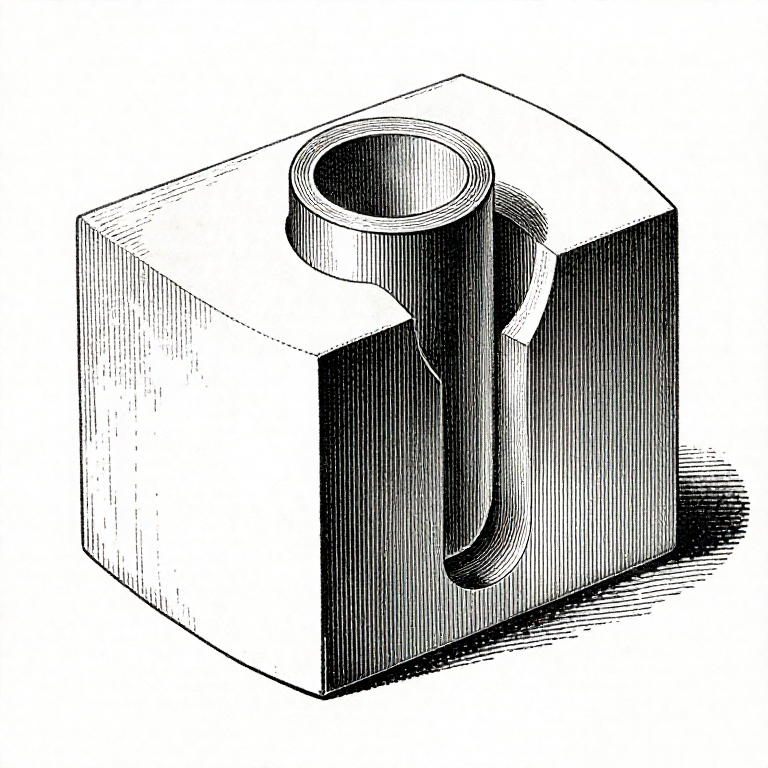


Fits: Clearance, Transition and Interference — the Difference Is Microns
A shaft that slides into a hole and a shaft that has to be pressed in can differ in diameter by less than the thickness of a human hair. Which of those you have is decided by a few microns, and the difference in behaviour is total.
A CLEARANCE fit always has a gap: the parts assemble by hand and can move. An INTERFERENCE fit always has the shaft larger than the hole: the parts must be forced together and then grip each other permanently. A TRANSITION fit may be either, depending on where the two parts happen to fall in their tolerances.
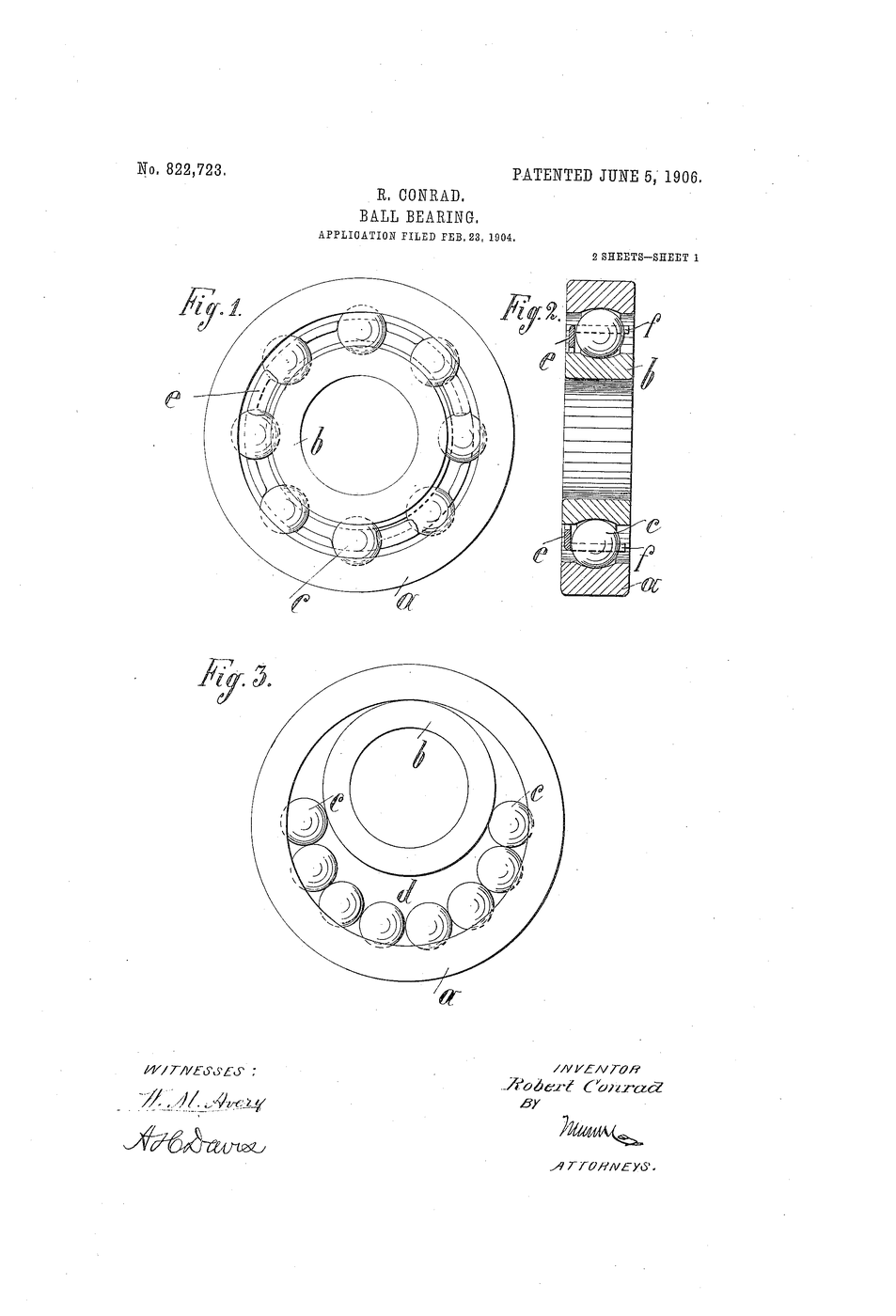
This is why a bearing can spin on its shaft, or crack its outer ring, or work perfectly — all from the same drawing and the same parts bin. The fit is the design decision, and it is made in numbers before anything is cut.
Trung cấp
3 hours
Hướng dẫn
1
1
Measure both parts, and measure them properly
Measure both parts, and measure them properly
You cannot choose a fit without knowing what you have. Measure the shaft and the bore with a micrometer or a good caliper, at several places along their length and at several angles round them.
Several angles matters because nothing is perfectly round. A shaft that reads 19.98 mm one way and 20.02 mm at ninety degrees is out of round by 0.04 mm, which is larger than most fits — and averaging the two hides it.
Let both parts reach the same temperature first. Steel expands about 11 microns per metre per degree, so a 50 mm part handled for a minute can grow by more than the fit you are trying to measure. Warm hands are a real error here.
Vật liệu cho bước này:
 Trục thép 30 mm1 cái
Công cụ cần thiết:
 Thước cặp
 Thước cặp điện tử 6 inch
2
2
The arithmetic, and what each fit is for
The arithmetic, and what each fit is for
Đang tải sổ tay Jupyter…
Vật liệu cho bước này:
Trục thép 30 mm1 cái Vòng bi1 cái
Công cụ cần thiết:
Thước cặp Máy tính để bàn
 Máy tính bỏ túi
3
3
Temperature is a tool, not just an error
Temperature is a tool, not just an error
Heat the outer part and it grows; chill the inner part and it shrinks. Do both and an interference fit can be assembled by hand, then locks as the temperatures equalise.
Steel expands about 11 microns per metre per degree Celsius, so a 100 mm bore heated by 100 degrees grows roughly 0.11 mm — far more than any normal interference. An oven at 120 degrees, or a freezer for the shaft, is usually enough.
Never heat a bearing above about 120 degrees. Above that the hardened rings begin to temper and lose hardness permanently, and a blowtorch anywhere near a bearing ruins it in seconds. Induction heaters and hot oil baths exist precisely because the temperature has to be controlled.
Vật liệu cho bước này:
Trục thép 30 mm1 cáiVòng bi1 cáiCông cụ cần thiết:
Thước cặp điện tử 6 inch Găng tay cao su nitrile
4
4
Surface finish and roundness are part of the fit
Surface finish and roundness are part of the fit
A measured diameter is an average over a surface that has peaks and valleys. Press two rough surfaces together and the peaks flatten, so the effective interference is less than the measured one — often by 2 to 5 microns on ordinary turned work.
That is why bearing seats are ground rather than turned. It is not fussiness: a rough seat loses a significant fraction of a 15 micron interference to flattened peaks the first time the joint is loaded, and then the bearing creeps.
Roundness matters as much. A bore that is 0.03 mm oval will grip a round shaft at two points and leave gaps at ninety degrees, so the pressure is concentrated rather than shared — which distorts the bearing ring and takes the internal clearance with it.
Vật liệu cho bước này:
Trục thép 30 mm1 cáiCông cụ cần thiết:
 Đồng hồ soThước cặp
 Bộ căn lá
Vật liệu
2- 1 cáiTạm thời
- Tạm thời
Blueprint liên quan
Các blueprint này chia sẻ kiến thức — kỹ thuật, vật liệu hoặc nguyên tắc
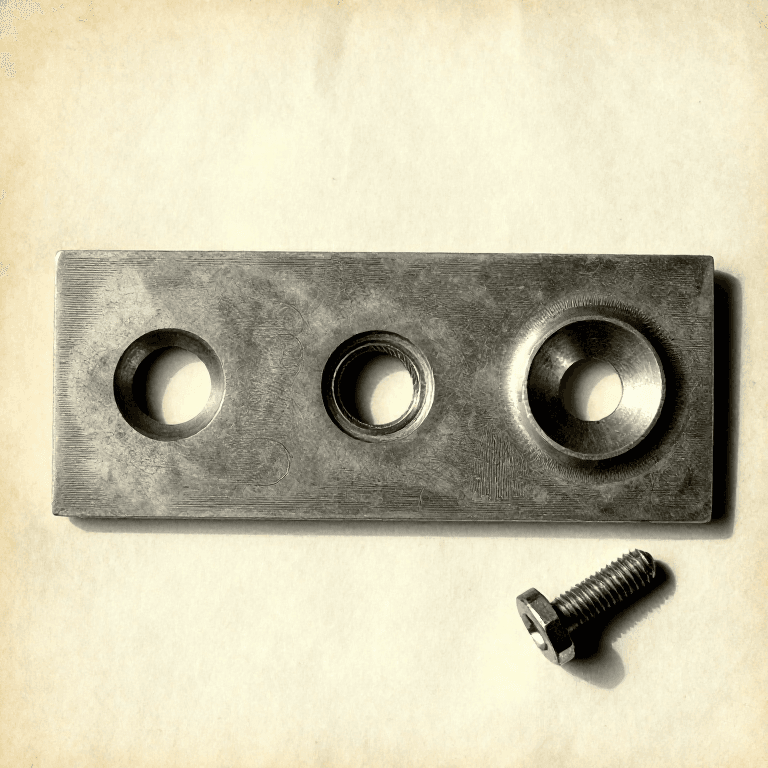
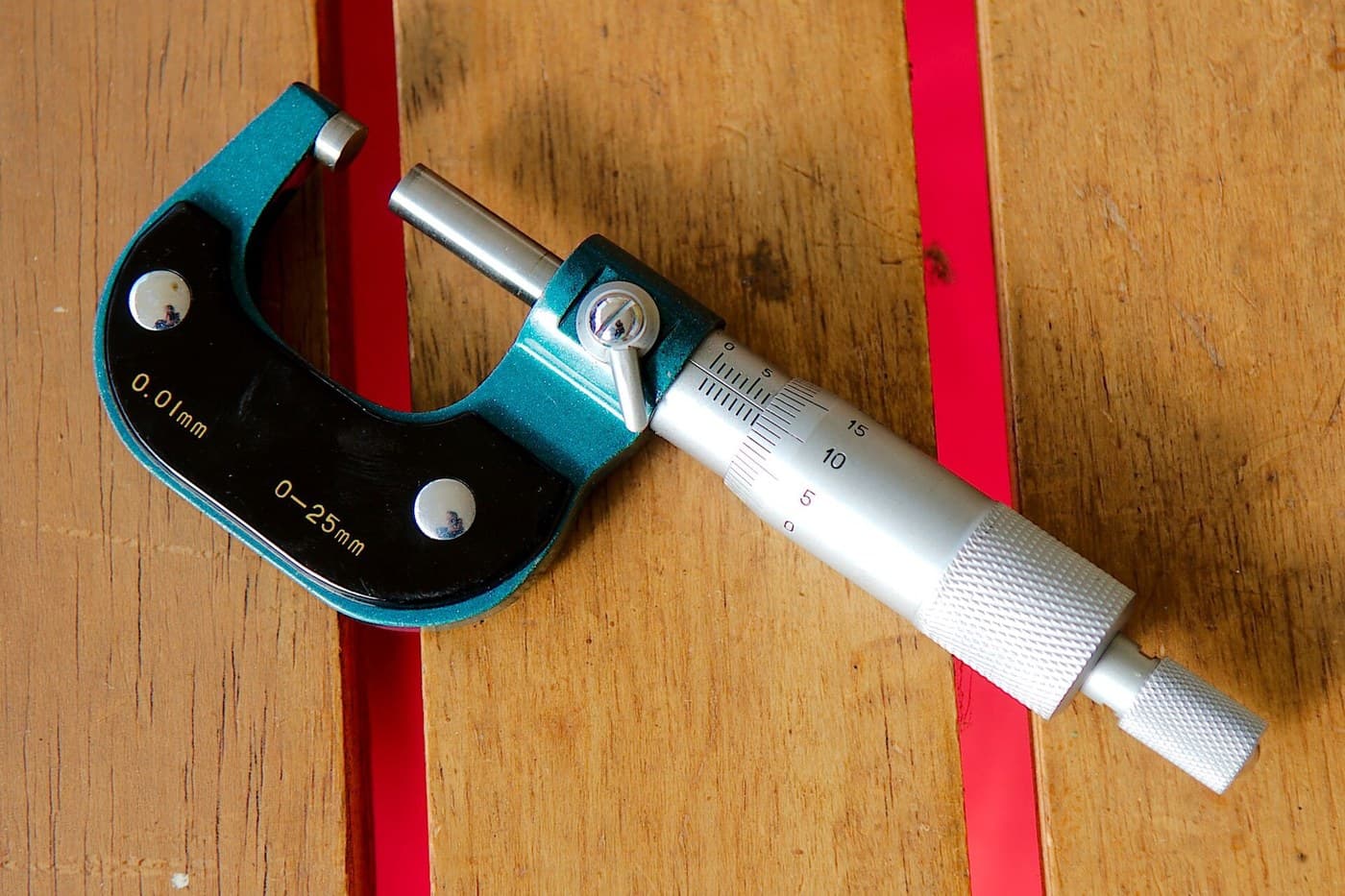

CC0 Phạm vi công cộng
Bản thiết kế này được phát hành theo CC0. Bạn tự do sao chép, sửa đổi, phân phối và sử dụng cho bất kỳ mục đích nào mà không cần xin phép.
Hỗ trợ nhà sáng tạo bằng cách mua sản phẩm qua bản thiết kế, nơi họ nhận Hoa hồng nhà sáng tạo do nhà bán hàng đặt, hoặc tạo phiên bản mới và kết nối trong bản thiết kế riêng để chia sẻ doanh thu.