NGHỆ THUẬT
LÀM ĐẸP VÀ SỨC KHỎE
THỦ CÔNG
VĂN HÓA VÀ LỊCH SỬ
GIẢI TRÍ
MÔI TRƯỜNG
THỰC PHẨM VÀ ĐỒ UỐNG
KỸ THUẬT NGƯỢC
KHOA HỌC
THỂ THAO
CÔNG NGHỆ
THIẾT BỊ ĐEO
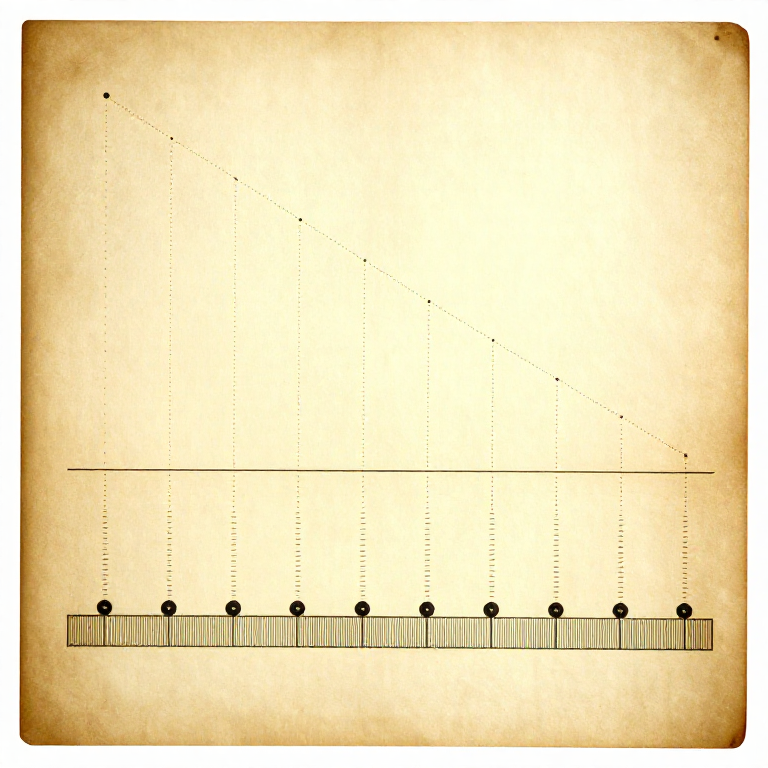


Cumulative Error: Why You Measure From One End, Not Piece to Piece
Mark the first position, then measure the next from that mark, then the next from that one — and every small error is carried forward and added to the next. By the tenth position the total can be several millimetres, and no single measurement was wrong.
Measure every position from the SAME origin instead and each error stays local. The tenth mark is as accurate as the first, because it did not inherit anything.
This is the arithmetic behind the face-side rule, the story stick and stepping off with dividers. All three are the same idea: share one reference, and errors stop compounding.
Trung cấp
3 hours
Hướng dẫn
1
1
Chain measuring versus measuring from one end
Chain measuring versus measuring from one end
CHAIN measuring is marking each position from the previous mark. It feels natural and it is what a tape measure invites, because you keep moving the hook.
ABSOLUTE measuring is leaving the tape hooked at one end and reading every position from there. Each mark has one measurement's worth of error and no more.
The difference is invisible for two or three marks and serious for ten. It is why a shelf unit made by measuring each shelf from the last has a visibly uneven top shelf, and why a cutting list should give cumulative positions rather than individual lengths.
Vật liệu cho bước này:
 Tấm gỗ cứng1 cái
Công cụ cần thiết:
 Thước dây cuộn
 Thước kẻ
2
2
How the error actually grows
How the error actually grows
Đang tải sổ tay Jupyter…
Công cụ cần thiết:
 Máy tính bỏ túiThước dây cuộn
3
3
Mark a whole set together, from one setting
Mark a whole set together, from one setting
Clamp all the identical parts side by side with their ends flush and their face sides all the same way up, then strike every line across the whole bundle at once.
Now the parts cannot disagree, because there is only one line. Any error in its position is shared, and a shared error usually does not matter — a shelf unit that is uniformly 1 mm shorter than the drawing is fine, while one with shelves at slightly different heights is not.
The same reasoning gives the stop block. Set it once and cut ten pieces against it, and all ten are identical; measure ten pieces individually and you have ten slightly different lengths, however carefully you measured.
Vật liệu cho bước này:
Tấm gỗ cứng4 cáiCông cụ cần thiết:
 Ê ke vuông cố định
 Dao vạch dấu
 Ê tô bàn nguội hạng nặng
4
4
When the total matters, and when only the divisions do
When the total matters, and when only the divisions do
Decide which of the two you actually need before laying anything out, because the right method differs.
If the OVERALL size must be exact — a piece fitting a known opening — measure absolutely from one end and accept whatever the divisions come to. If the DIVISIONS must be even and the total can be whatever it is, step them off with dividers and never measure at all.
Most work is the second kind and gets treated as the first, which is why so much of it has a visibly narrow space at one end. Deciding this question explicitly is the whole of good layout, and it takes ten seconds at the start of a job.
Vật liệu cho bước này:
Tấm gỗ cứng1 cáiCông cụ cần thiết:
 Compa hai mũi nhọnThước dây cuộn
 Thanh ghi kích thước
Công cụ yêu cầu
8- 1 vendor sell this, none ship to you yetTạm thời
- Tạm thời
- Tạm thời
- Tạm thời
- Tạm thời
- Tạm thời
- Tạm thời
- Tạm thời
Blueprint liên quan
Các blueprint này chia sẻ kiến thức — kỹ thuật, vật liệu hoặc nguyên tắc


CC0 Phạm vi công cộng
Bản thiết kế này được phát hành theo CC0. Bạn tự do sao chép, sửa đổi, phân phối và sử dụng cho bất kỳ mục đích nào mà không cần xin phép.
Hỗ trợ nhà sáng tạo bằng cách mua sản phẩm qua bản thiết kế, nơi họ nhận Hoa hồng nhà sáng tạo do nhà bán hàng đặt, hoặc tạo phiên bản mới và kết nối trong bản thiết kế riêng để chia sẻ doanh thu.