NGHỆ THUẬT
LÀM ĐẸP VÀ SỨC KHỎE
THỦ CÔNG
VĂN HÓA VÀ LỊCH SỬ
GIẢI TRÍ
MÔI TRƯỜNG
THỰC PHẨM VÀ ĐỒ UỐNG
KỸ THUẬT NGƯỢC
KHOA HỌC
THỂ THAO
CÔNG NGHỆ
THIẾT BỊ ĐEO
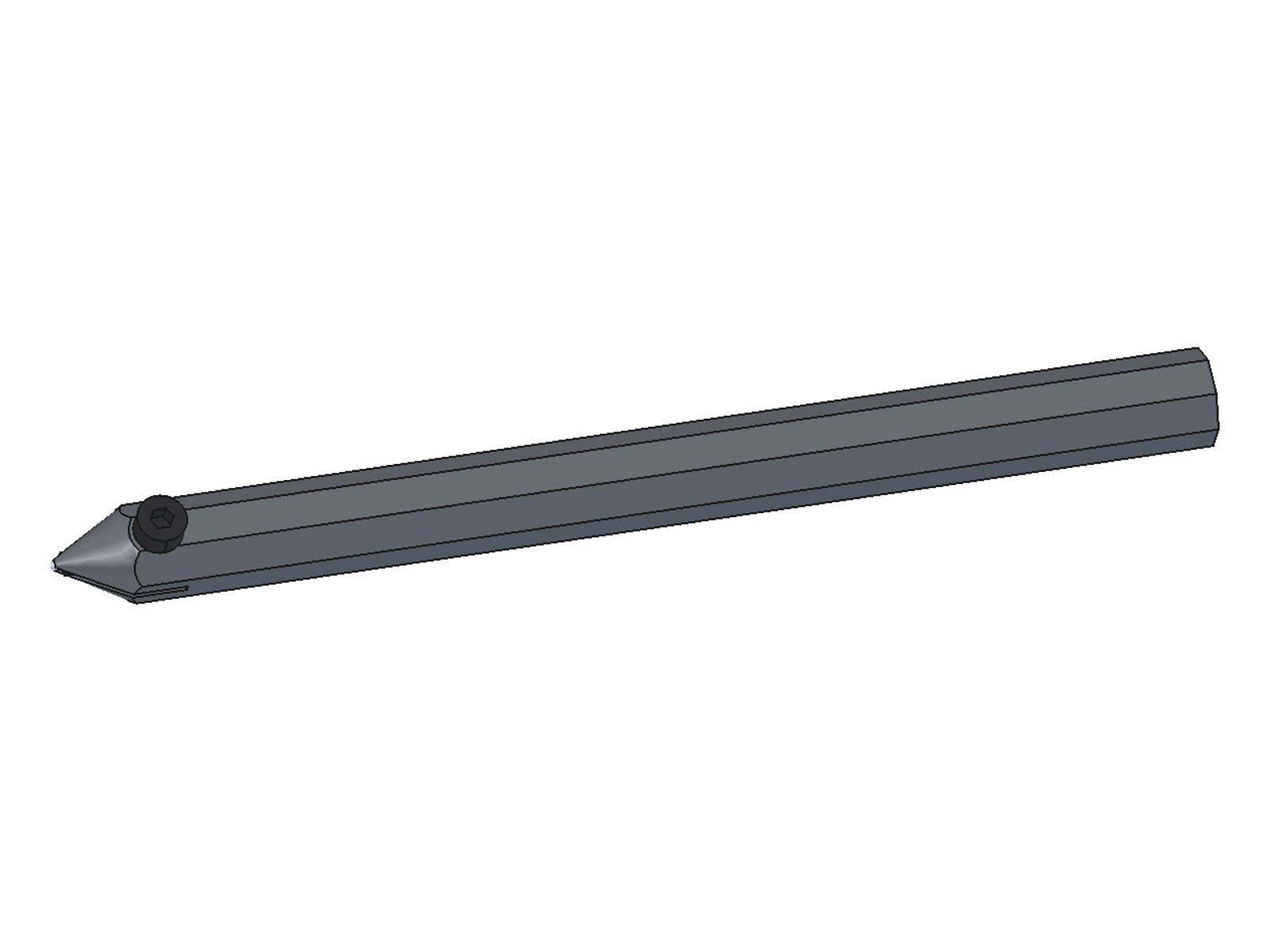


Diamond Scriber: a Diamond Clamped in a Slotted Steel Shank (after Poulain, 1920)
A scriber that marks glass, ceramic, hardened steel and stone: a small diamond held in the slotted tip of a tool steel bar and clamped by one screw. Paul Poulain patented this way of holding a diamond in 1920: the shank split into two jaws, a bolt through one jaw into the other, and a plate behind the stone.
Trung cấp
About 2 hours
Hướng dẫn
1
1
How a scriber is used
How a scriber is used
Marking lines with a scribe (JewelrySupply). A diamond point does the same on glass and hardened steel.
2
2
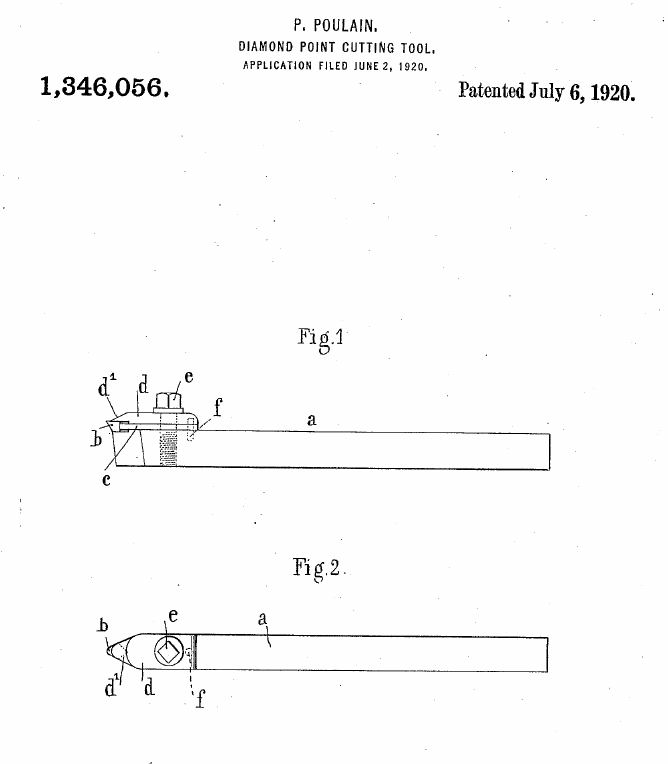
Poulain's diamond holder, 1920
Poulain's diamond holder, 1920
US 1,346,056: the diamond b sits at the bevelled end of a steel shank a, a plate c behind it as an abutment, an upper jaw d pressing on both, clamped by a bolt e. He adds that the shank may instead be slotted, gripping the stone between the two jaws with a bolt through one jaw into the other: that is how this scriber is made.
3
3
Print the drawing
Print the drawing
The scriber at 1:1, side and top views. Print at 100 % and check the 50 x 10 mm box.
4
4
Shape the shank
Shape the shank
Cut 130 mm of 10 mm octagonal tool steel and file one end to a 60 degree point, 8.7 mm long. Leave the steel soft, as supplied.
Vật liệu cho bước này:
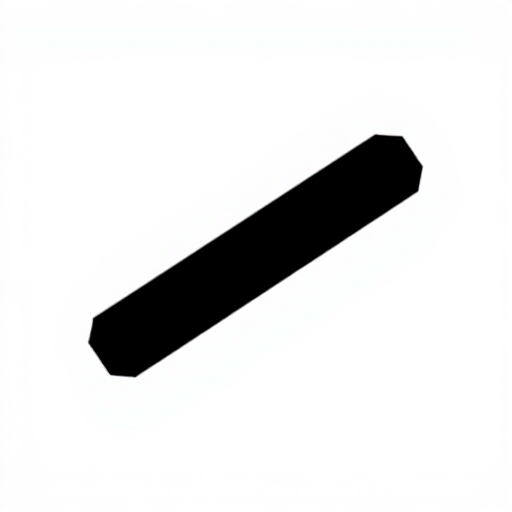 Thanh thép dụng cụ bát giác1 piece (10 mm octagonal, 130 mm)
Công cụ cần thiết:
 Cưa sắt
 Giũa kim loại
 Ê tô bàn nguội
 Thước cặp điện tử 6 inch
5
5
Slot the tip
Slot the tip
Saw a slot 14 mm deep straight down the axis through the point, about 0.8 mm wide (one hacksaw cut). File the slot faces clean; the two halves are the jaws.
Công cụ cần thiết:
Cưa sắtGiũa kim loạiÊ tô bàn nguội6
6
Drill and tap the jaws
Drill and tap the jaws
Punch a mark on a flat, 11 mm from the tip, across the slot. Drill 2.5 mm through both jaws; open the near jaw to 3.2 mm and tap the far jaw M3.
Công cụ cần thiết:
 Đục dấu tâm
 Bộ mũi khoan
 Bộ ta-rô và bàn renÊ tô bàn nguội
7
7
Set the diamond
Set the diamond
Cut a strip of brass sheet to fill the slot behind the stone (the abutment). Under a lens, seat the stone at the apex of the slot with its sharpest corner out by about half a millimetre, slide the brass in behind it and tighten the M3 x 10 screw.
Vật liệu cho bước này:
 Kim cương công nghiệp1 piece (about 1 mm)
 Tấm đồng thau1 piece (strip, 0.5 mm x 3 x 12 mm)
 Vít đầu trụ lục giác chìm1 piece (M3 x 10)
Công cụ cần thiết:
 Kính lúp cầm tay 10x
 Kéo cắt tôn
 Bộ lục giác
8
8
Troubleshooting
Troubleshooting
Scriber problems and fixes.
Flow
Loading...
9
9
History and honest limits
History and honest limits
Paul Poulain, Paris: US 1,346,056, "Diamond-Point Cutting-Tool", filed 2 June 1920, granted 6 July 1920, a lathe tool for cutting steel, bronze, fibre, ebonite, paper and rubber. Ours: the hand scriber made from his slotted-shank variant, and every size. Not made by us yet.
Vật liệu
4- 1 piece (10 mm octagonal, 130 mm)Tạm thời
- 1 piece (about 1 mm)Tạm thời
- 1 piece (strip, 0.5 mm x 3 x 12 mm)Tạm thời
- 1 piece (M3 x 10)Tạm thời
Công cụ yêu cầu
10- Tạm thời
- Tạm thời
- Tạm thời
- Tạm thời
- Tạm thời
- Tạm thời
- Tạm thời
- Tạm thời
- Tạm thời
- Tạm thời
Tệp thiết kế
1Vật liệu bản thiết kế liên kết

Bản thiết kế này làm ra

CC0 Phạm vi công cộng
Bản thiết kế này được phát hành theo CC0. Bạn tự do sao chép, sửa đổi, phân phối và sử dụng cho bất kỳ mục đích nào mà không cần xin phép.
Hỗ trợ nhà sáng tạo bằng cách mua sản phẩm qua bản thiết kế, nơi họ nhận Hoa hồng nhà sáng tạo do nhà bán hàng đặt, hoặc tạo phiên bản mới và kết nối trong bản thiết kế riêng để chia sẻ doanh thu.