
Egyptian Bronze Razor — Forging an Egyptian Bronze Razor
Hướng dẫn
Cast or Forge the Blank Blade
Cast or Forge the Blank Blade
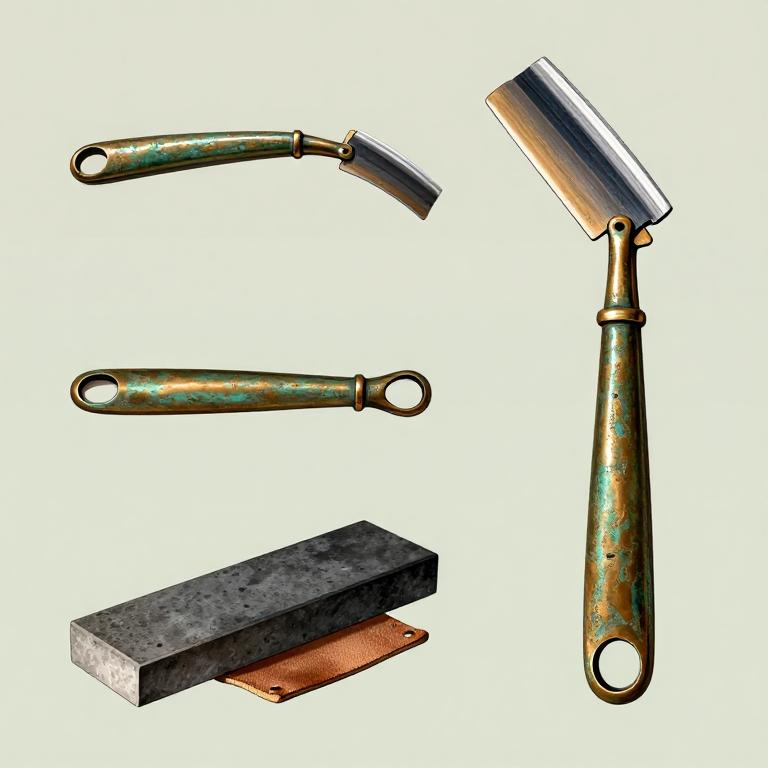
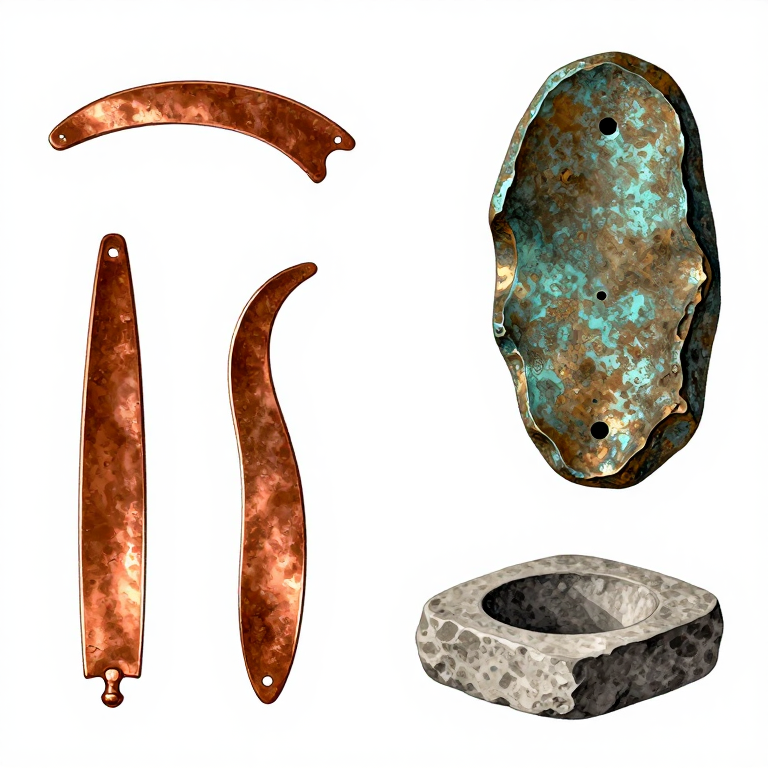
Melt bronze (approximately 88% copper, 12% tin) in a ceramic crucible heated in a charcoal forge to approximately 950-1050 degrees Celsius. Pour the molten bronze into a flat open stone mold to create a rough blade blank approximately 8-12 cm long, 3-4 cm wide, and 3-4 mm thick. Alternatively, hammer a piece of cast bronze into a flat sheet while hot. Egyptian razors came in several forms: a simple hatchet shape (Old Kingdom), a curved crescent or lunate shape (Middle and New Kingdom), and a rotary type with a circular blade. For this project, the flat hatchet shape is simplest to produce. Allow the casting to cool slowly, then remove any flash (thin fins) from the mold seam.
Vật liệu cho bước này:
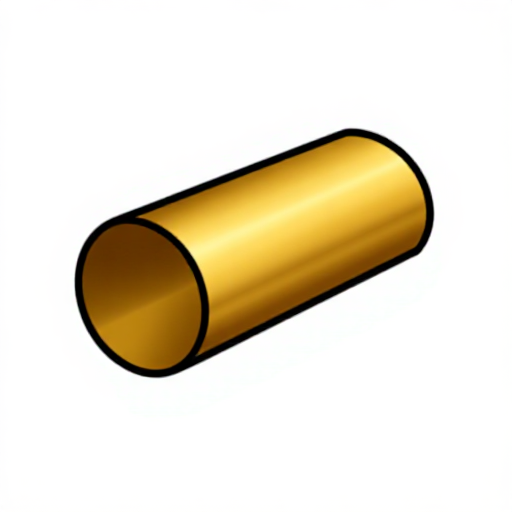 Thanh tròn đồng thanh100-150 g g
 Than củi nghiền2-3 kg kg
 Phôi gỗ cứng làm cán1 piece, 10-12 cm cm
Công cụ cần thiết:
Than củi nghiền Nồi nấu kim loại
 Đe
Đe Lò rèn
 Dây da liếc dao
 Găng tay chịu nhiệt
Shape the Blade by Hammering
Shape the Blade by Hammering
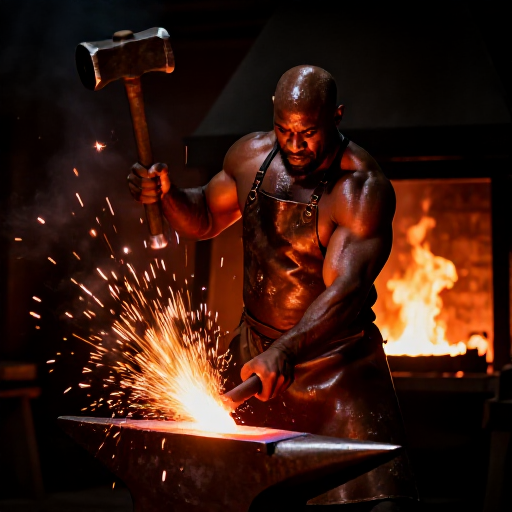
Heat the rough blank to a dull red (approximately 500-600 degrees Celsius) and hammer it on an anvil to refine the shape. Taper the cutting edge to approximately 1-1.5 mm thickness while keeping the spine 3-4 mm thick for rigidity. Shape one end into a tang approximately 3-4 cm long for inserting into a handle. Bronze work-hardens during cold hammering, becoming harder but more brittle — periodically anneal by reheating to dull red and quenching in water to restore ductility before continuing to shape. The blade should have a slightly convex profile (viewed from the spine) so the cutting edge contacts the skin at the correct angle for shaving.
Grind and Sharpen the Cutting Edge
Grind and Sharpen the Cutting Edge
Once the blade is shaped, grind the cutting edge on a coarse whetstone, holding the blade at approximately 15-20 degrees to the stone surface. Work in long, even strokes along the full length of the edge. Progress to a finer-grained stone when the coarse grinding marks are uniform. Bronze is softer than steel (Mohs 3-4 versus 5-6 for steel) and takes an edge more easily but loses it faster. For a razor-sharp edge, finish on the finest available stone and strop on a piece of smooth leather dressed with fine rouge or tallow. A well-sharpened bronze razor can achieve a cutting edge comparable to modern steel razors, though it dulls much more quickly and requires frequent re-stropping between uses.
Attach the Handle
Attach the Handle
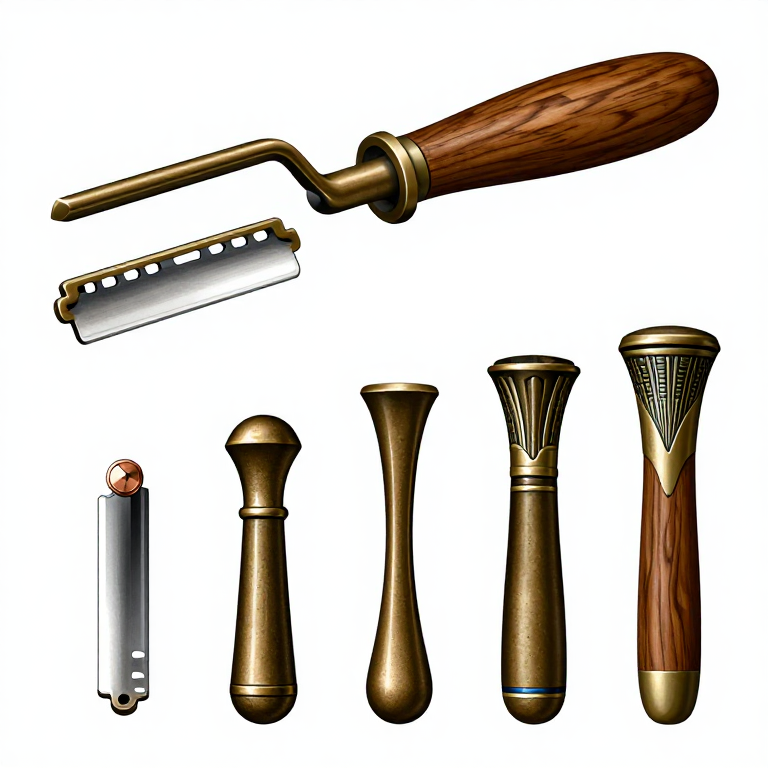
Carve a wooden handle approximately 10-12 cm long from a dense hardwood such as acacia, ebony, or olive. Drill or burn a slot in one end to receive the blade tang. Insert the tang and secure it with a copper rivet through a pre-drilled hole, or peen the end of the tang over a washer on the far side of the handle. The handle should be comfortable to grip and provide good control during the delicate movements of shaving. Some Egyptian razor handles were elaborately carved in the shape of ducks, geese, or other decorative forms. The handle must be firmly attached — a loose blade during shaving is dangerous. Test the fit by waggling the blade; there should be no play or looseness.
Final Edge Preparation and Care
Final Edge Preparation and Care
Give the cutting edge a final stropping on leather dressed with a small amount of tallow or fine rouge to align the microscopic edge teeth and remove any remaining burr from the sharpening process. Test the edge by gently touching it to the thumbnail — a sharp razor will catch and bite into the nail rather than sliding off. Egyptian priests (wab priests) were required to shave their entire bodies, including their heads, every other day as part of ritual purity practices, according to Herodotus. The priesthood's demand for sharp razors drove the development of Egyptian bronze metallurgy to produce increasingly refined alloys. To maintain the razor, strop before each use, clean and dry after use to prevent green verdigris (copper carbonate) corrosion, and apply a thin coat of oil for storage.
Vật liệu
4- 100-150 g gTạm thời
- 2-3 kg kgTạm thời
- 1 piece, 10-12 cm cmTạm thời
- 1 piece, 10-12 cm cáiTạm thời
Công cụ yêu cầu
11- Tạm thời
- Tạm thời
- Tạm thời
- Tạm thời
- Whetstones (coarse and fine)
- Tạm thời
- Tạm thời
- Tạm thời
- Tạm thời
- Tạm thời
- Tạm thời
Bản thiết kế này làm ra

CC0 Phạm vi công cộng
Bản thiết kế này được phát hành theo CC0. Bạn tự do sao chép, sửa đổi, phân phối và sử dụng cho bất kỳ mục đích nào mà không cần xin phép.
Hỗ trợ nhà sáng tạo bằng cách mua sản phẩm qua bản thiết kế, nơi họ nhận Hoa hồng nhà sáng tạo do nhà bán hàng đặt, hoặc tạo phiên bản mới và kết nối trong bản thiết kế riêng để chia sẻ doanh thu.