NGHỆ THUẬT
LÀM ĐẸP VÀ SỨC KHỎE
THỦ CÔNG
VĂN HÓA VÀ LỊCH SỬ
GIẢI TRÍ
MÔI TRƯỜNG
THỰC PHẨM VÀ ĐỒ UỐNG
KỸ THUẬT NGƯỢC
KHOA HỌC
THỂ THAO
CÔNG NGHỆ
THIẾT BỊ ĐEO

Electrolytic Hypochlorite Generator
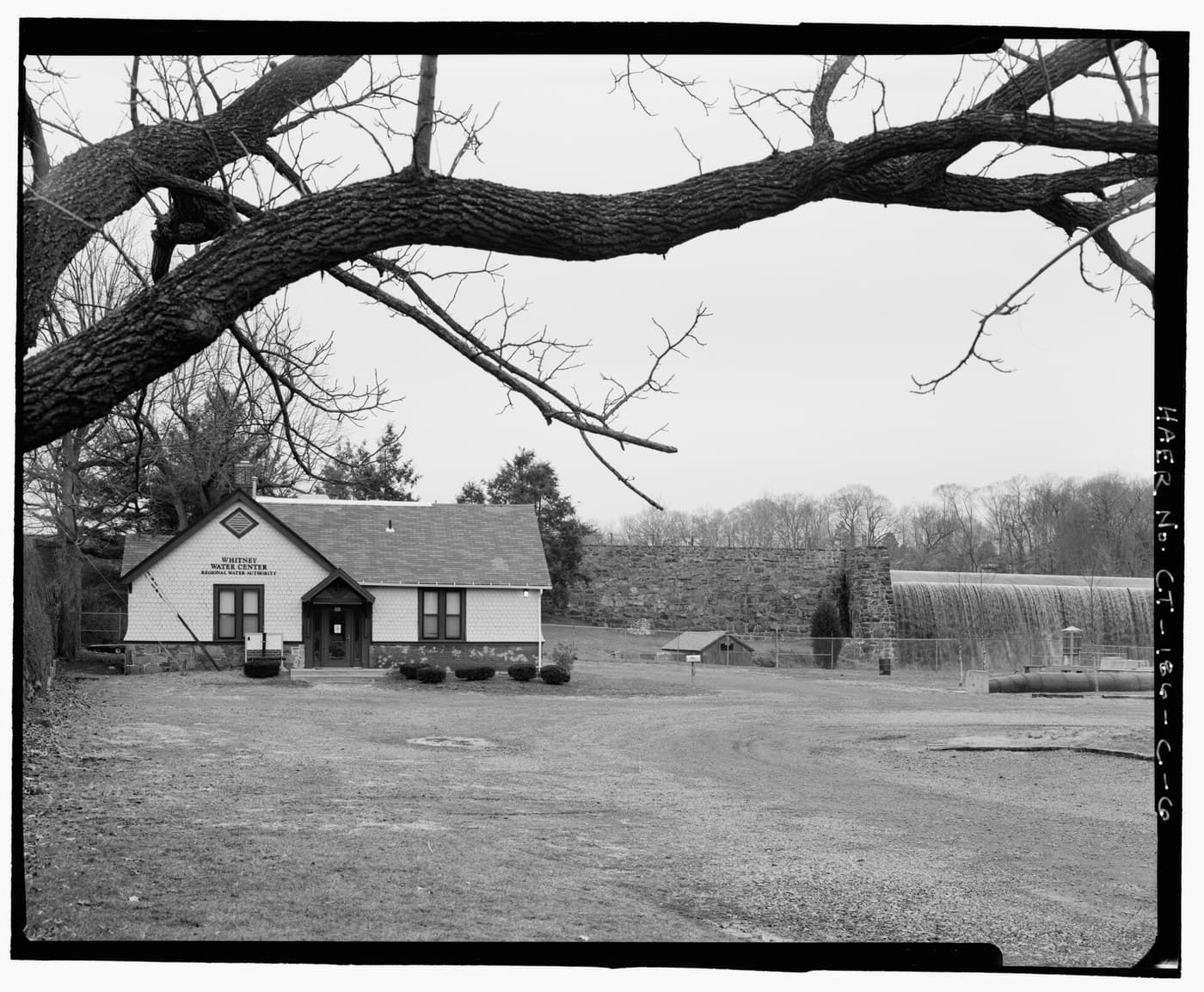
Chlorination and the Residual, already published here, explains why a trace of chlorine left in the water is what keeps it safe all the way to the tap. It assumes you can buy the chlorine.
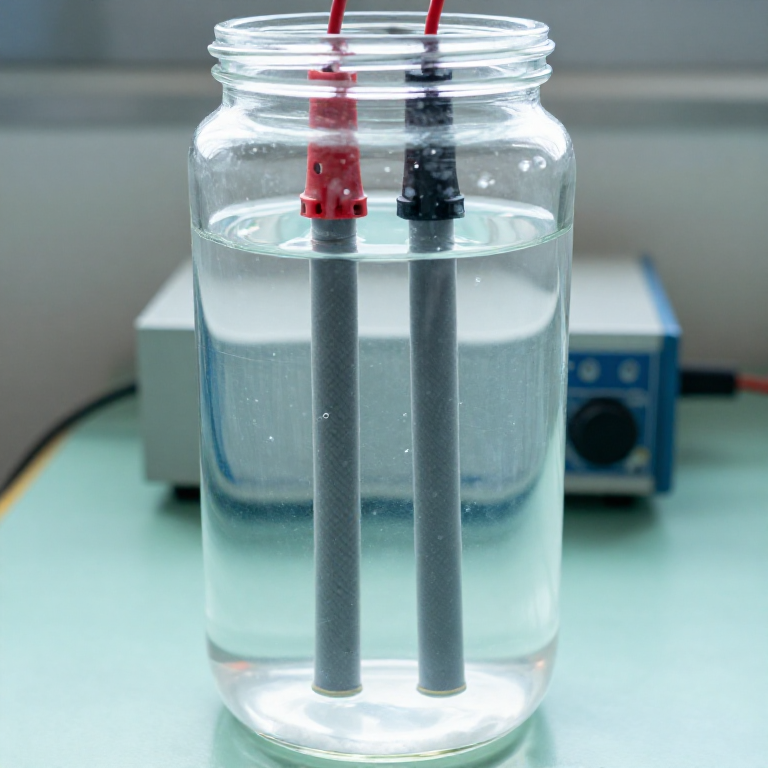
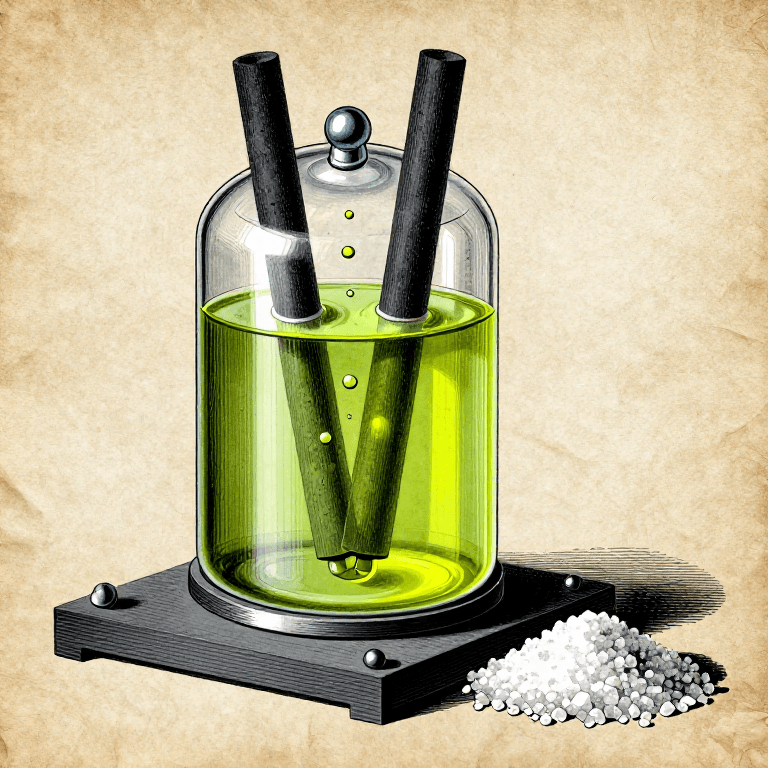
This is how you make it from salt, water and electricity. Pass a current through brine and chlorine forms at one electrode and hydrogen at the other; let the chlorine mix back into the alkaline solution rather than escape, and it becomes sodium hypochlorite — ordinary bleach, the same thing a works dozes into a supply. The method runs everywhere the supply chain does not, from village kiosks to ships.
⚠ This blueprint makes chlorine gas and hydrogen gas. Chlorine damages lungs at concentrations you can barely smell, and hydrogen burns explosively in air. Outdoors or in a fume hood, never in a closed room, and never with the two gases allowed to collect.
Nâng cao
3 hours
Hướng dẫn
1
1
Set up where the gases can leave
Set up where the gases can leave
Work outdoors, or in a fume hood with the sash down. Wear goggles and gloves. Have a fan moving air away from you, and nothing that sparks or flames anywhere near the cell.
Two gases come off this cell and both matter. Chlorine at the anode is heavier than air, so it pools low and lingers; it is detectable by smell far below the concentration that harms you, which makes the smell a warning and never a measurement. Hydrogen at the cathode is lighter than air and will collect under any lid, shelf or ceiling above the cell — that is the one that turns a chemistry lesson into a bang. Keep the cell open to the sky.
Công cụ cần thiết:
 Kính bảo hộ kín
 Găng tay nitrile
2
2
Mix the brine
Mix the brine
Dissolve 30 grams of plain table salt in one litre of water — about 3 per cent, roughly sea strength. Use salt without iodine or anti-caking agents if you can, and soft or distilled water.
Hard water is the practical enemy here: the calcium and magnesium in it plate out as a white scale on the cathode within minutes, the cell's resistance climbs and the output falls away. Commercial units solve this by reversing polarity periodically to shed the scale.
Vật liệu cho bước này:
 Muối ăn30 g
 Nước cất1 lít
Công cụ cần thiết:
 Ống đong
 Lọ thuỷ tinh
3
3
Two graphite electrodes, not steel
Two graphite electrodes, not steel
Stand two graphite rods in the brine about 3 cm apart, connected to a DC supply through a meter. Graphite survives the anode; almost nothing cheap else does.
Do not use steel, copper or aluminium as the anode. Chlorine forming on a metal surface dissolves it, and what you get is not bleach but a jar of metal chlorides — orange with iron, blue-green with copper, and useless. The colour change is the experiment telling you the electrode is being consumed instead of the salt.
Vật liệu cho bước này:
 Điện cực graphit2 cái
Công cụ cần thiết:
 Nguồn điện một chiều
 Đồng hồ vạn năng
4
4
Run it at low voltage and watch both electrodes
Run it at low voltage and watch both electrodes
Set about 5 volts and let the current settle — expect a couple of amps in a jar this size. Note the current; it is your reaction rate.
Fine bubbles should rise from both rods: hydrogen at the negative one, faster, and chlorine at the positive one, slower and with the smell. The solution warms. Stir gently now and then so the chlorine meets the sodium hydroxide building at the cathode — that reaction is what converts the gas into hypochlorite in solution instead of letting it leave as gas.
Công cụ cần thiết:
Nguồn điện một chiềuĐồng hồ vạn năng Đồng hồ bấm giờ
 Nhiệt kế
5
5
How much bleach the current actually made
How much bleach the current actually made
Đang tải sổ tay Jupyter…
Công cụ cần thiết:
Đồng hồ vạn năng6
6
Store it dark, and never mix it with acid
Store it dark, and never mix it with acid
Pour the product into an opaque bottle, label it with the strength you measured and the date, and keep it cool. Leave the cap loose for the first hour — dissolved gas will still come out of solution.
The rule that matters for the rest of your life: never mix hypochlorite with an acid, and never with ammonia. Acid drives the chlorine straight back out as gas, and a bottle of bleach plus a bottle of descaler in a small room has killed people. This is not a laboratory caution, it is the most common domestic chemical poisoning there is.
Công cụ cần thiết:
Lọ thuỷ tinh7
7
Dose water, then measure the residual
Dose water, then measure the residual
Dose a litre of your filtered water to about 2 mg/l, stir, and wait thirty minutes. Then test for FREE chlorine. You want 0.2 to 0.5 mg/l still present.
The gap between what you put in and what remains is the chlorine demand: everything in the water that reacted — organic matter, iron, and the microbes themselves. A residual means the demand has been satisfied and there is protection left over. No residual means the dose was eaten and you cannot conclude anything about safety. Cloudy water shields microbes from chlorine, which is precisely why every rung before this one exists.
Vật liệu cho bước này:
 Natri bicacbonat1 tsp
Công cụ cần thiết:
 Giấy thử pHỐng đong
Vật liệu
4- 30 gTạm thời
- 1 lítTạm thời
- 2 cáiTạm thời
- 1 tspTạm thời
Bản thiết kế này làm ra
Blueprint liên quan
Các blueprint này chia sẻ kiến thức — kỹ thuật, vật liệu hoặc nguyên tắc

CC0 Phạm vi công cộng
Bản thiết kế này được phát hành theo CC0. Bạn tự do sao chép, sửa đổi, phân phối và sử dụng cho bất kỳ mục đích nào mà không cần xin phép.
Hỗ trợ nhà sáng tạo bằng cách mua sản phẩm qua bản thiết kế, nơi họ nhận Hoa hồng nhà sáng tạo do nhà bán hàng đặt, hoặc tạo phiên bản mới và kết nối trong bản thiết kế riêng để chia sẻ doanh thu.