
Chiết xuất Thi錫từ Cassiterite — Sàng lọc và Nóng chảy Quặng Thi錫
Hướng dẫn
Hiểu về cassiterit
Hiểu về cassiterit
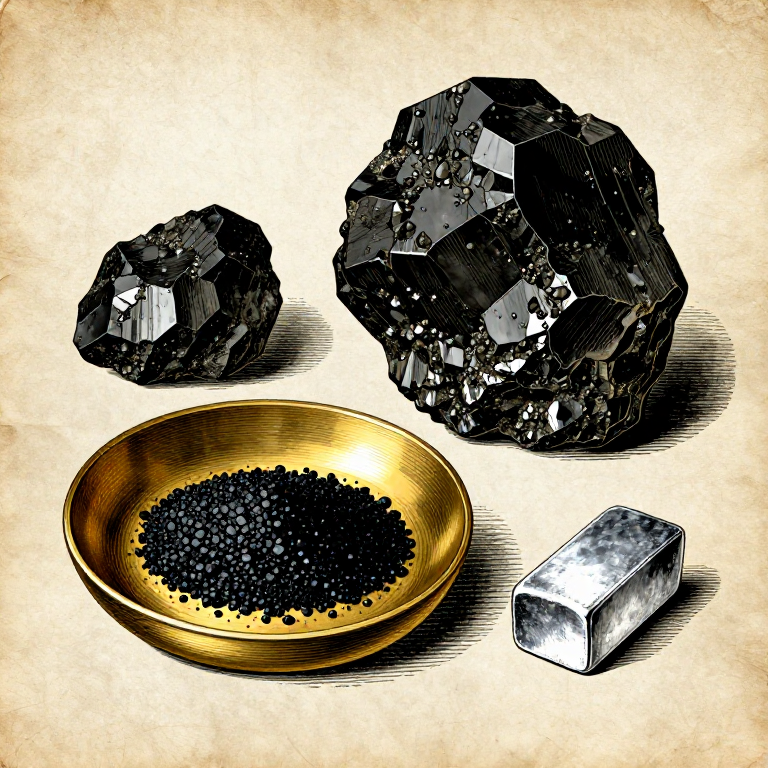
Cassiterit (SnO₂) là tin dioxide, quặng chính của thiếc. Nó có độ cứng Mohs từ 6-7, trọng lượng riêng rất cao từ 6,8-7,1 (nặng hơn nhiều so với cát thông thường là 2,6), và có màu từ đen đến nâu đỏ. Mật độ cao giúp dễ dàng tách biệt bằng trọng lực (chọn vàng), tương tự như việc chọn vàng.
Find alluvial cassiterite
Find alluvial cassiterite
Cassiterite is found as heavy black or dark brown grains in alluvial (stream) deposits downstream from tin-bearing granite. Look in stream gravels, inside bends of rivers where heavy minerals concentrate, and behind large boulders. Historical tin regions include Cornwall (UK), Southeast Asia, Bolivia, and central Africa.
Collect stream gravel
Collect stream gravel
Shovel gravel and sand from locations where heavy minerals accumulate: bedrock crevices, behind boulders, and the inside of river bends. Fill a bucket with raw gravel. The cassiterite grains are small (1-5 mm) and mixed with ordinary sand, quartz, and other minerals.
Vật liệu cho bước này:
 Sỏi suối20 kilogram
Công cụ cần thiết:
 Xẻng đào
 Xô 20 lít
Pan for cassiterite
Pan for cassiterite
Use a gold pan or wide shallow bowl. Add a scoop of gravel and fill halfway with water. Swirl and tilt to wash away light material. Heavy cassiterite grains sink to the bottom center. Continue washing until only black heavy grains remain. This is identical to gold panning technique.
Công cụ cần thiết:
 Mâm đãi vàng
Identify cassiterite grains
Identify cassiterite grains
Cassiterite grains are: black to dark reddish-brown, very heavy (noticeably heavier than quartz), have a brilliant adamantine (diamond-like) luster when scratched, and a white to pale brown streak. Magnetite (another heavy black mineral) is magnetic — test with a magnet to separate it from cassiterite.
Công cụ cần thiết:
 Nam châm
 Kính lúp cầm tay 10x
Concentrate the ore
Concentrate the ore
Repeat panning until you have a concentrate of mostly cassiterite. Use the magnet to remove any magnetite grains. You need at least 500 g of clean cassiterite concentrate for a worthwhile smelt. From 20 kg of gravel in a good tin-bearing stream, expect 100-500 g of concentrate.
Dry the concentrate
Dry the concentrate
Spread the cassiterite concentrate on a flat surface in the sun to dry completely. Wet ore in a hot crucible causes dangerous steam explosions. Drying takes 2-4 hours in direct sunlight. The dry concentrate should feel gritty and pour freely.
Prepare the crucible and charcoal
Prepare the crucible and charcoal
Use a clay or graphite crucible that can withstand 1200°C. Mix the dry cassiterite with an equal volume of powdered charcoal. The charcoal provides carbon for reduction: SnO₂ + 2C → Sn + 2CO₂. Tin melts at only 232°C, far below the smelting temperature, so it collects as liquid at the bottom.
Vật liệu cho bước này:
 Than củi dạng cục500 gram
 Nồi nấu bằng đất chịu lửa1 cái
Set up the forge
Set up the forge
Place the loaded crucible in a charcoal forge with bellows. Tin smelting requires lower temperature than copper or iron — about 1000-1200°C is sufficient for reduction. Pack charcoal around and above the crucible. Put on safety equipment: leather apron, face shield, leather gloves.
Vật liệu cho bước này:
 Đĩa than củi10 kilogram
Công cụ cần thiết:
 Bễ thổi
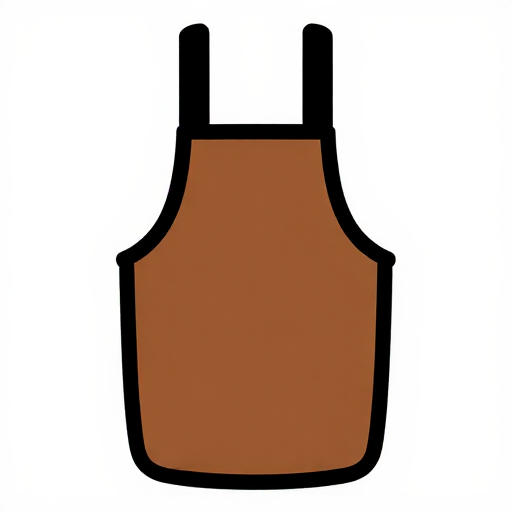 Tạp dề da
 Tấm che mặt
Smelt for 1-2 hours
Smelt for 1-2 hours
Pump the bellows to bring the forge to operating temperature. Maintain heat for 1-2 hours. The cassiterite reduces to metallic tin which, being liquid above 232°C, pools at the bottom of the crucible below a layer of slag and ash. Tin smelting is one of the easiest metal reductions.
Pour the molten tin
Pour the molten tin
Using crucible tongs, lift the crucible from the forge. Carefully pour the contents into a preheated sand or stone mold. The heavy molten tin pours first (bottom of crucible), followed by lighter slag. Tin is silvery-white when molten and solidifies quickly due to its low melting point.
Công cụ cần thiết:
 Kìm gắp nồi nấu kim loại
 Khuôn đúc thỏi bằng sa thạch
Cool and extract the ingot
Cool and extract the ingot
Tin solidifies within minutes. Once cool, remove the ingot from the mold. The tin ingot will be covered with a thin layer of slag — break this off by tapping. Clean tin is silvery-white and very soft — you can scratch it with a fingernail (Mohs hardness 1.5).
Verify it is tin
Verify it is tin
Tin has distinctive properties: bending a tin bar produces an audible crackling sound called 'tin cry' caused by crystal twinning. It is very soft (scratched by a coin), silvery-white, and does not rust. When heated, it melts easily at 232°C — far below a candle flame temperature.
Weigh and record yield
Weigh and record yield
Weigh the clean tin ingot. From 500 g of good cassiterite concentrate, expect 300-350 g of metallic tin (60-70% yield). Record the source location, concentrate weight, smelt time, and tin yield. This tin is ready for alloying with copper to make bronze, or for tinplating, soldering, and pewterwork.
Công cụ cần thiết:
 Cân nhà bếp điện tử
Vật liệu
4- 20 kilogramTạm thời
- 500 gramTạm thời
- Tạm thời
- 10 kilogramTạm thời
Vật liệu bản thiết kế liên kết

CC0 Phạm vi công cộng
Bản thiết kế này được phát hành theo CC0. Bạn tự do sao chép, sửa đổi, phân phối và sử dụng cho bất kỳ mục đích nào mà không cần xin phép.
Hỗ trợ nhà sáng tạo bằng cách mua sản phẩm qua bản thiết kế, nơi họ nhận Hoa hồng nhà sáng tạo do nhà bán hàng đặt, hoặc tạo phiên bản mới và kết nối trong bản thiết kế riêng để chia sẻ doanh thu.