NGHỆ THUẬT
LÀM ĐẸP VÀ SỨC KHỎE
THỦ CÔNG
VĂN HÓA VÀ LỊCH SỬ
GIẢI TRÍ
MÔI TRƯỜNG
THỰC PHẨM VÀ ĐỒ UỐNG
KỸ THUẬT NGƯỢC
KHOA HỌC
THỂ THAO
CÔNG NGHỆ
THIẾT BỊ ĐEO
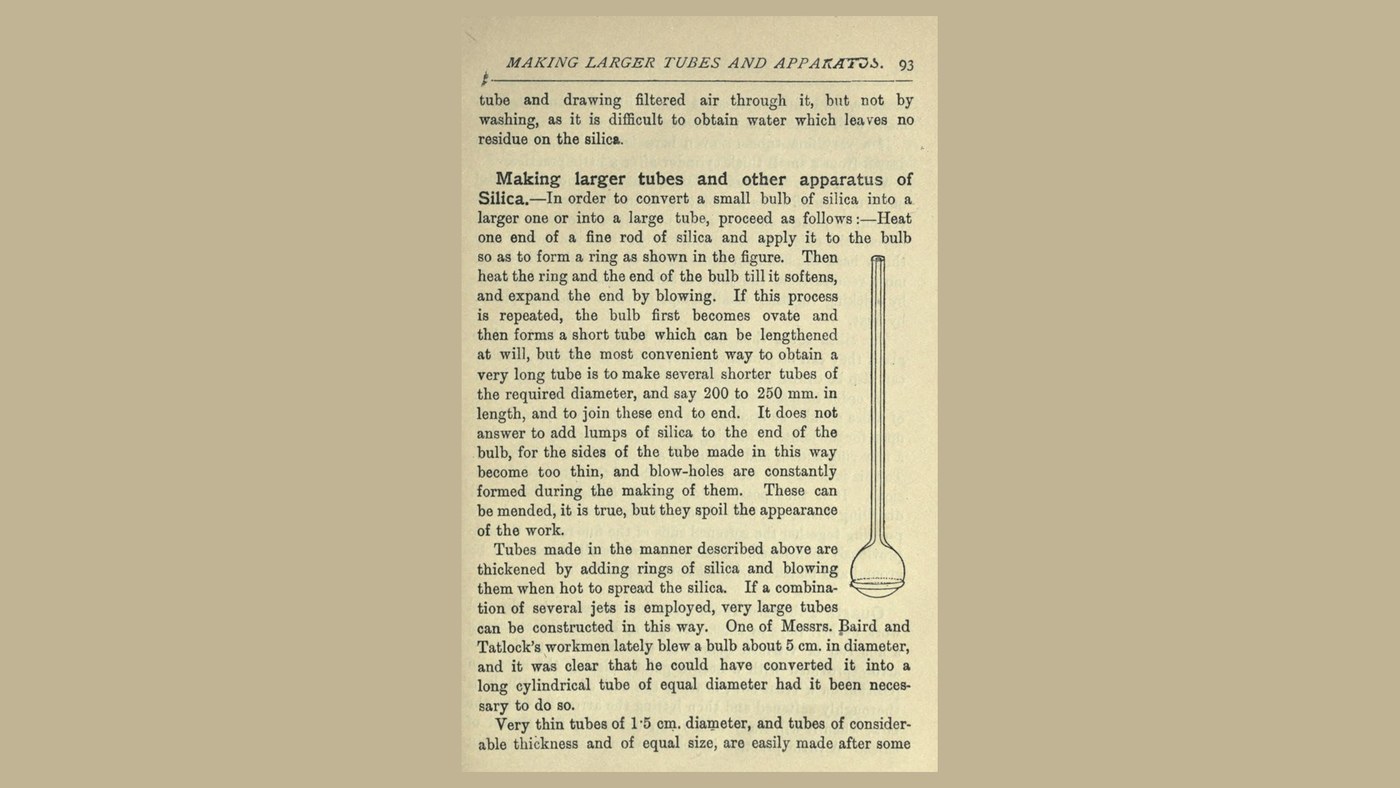


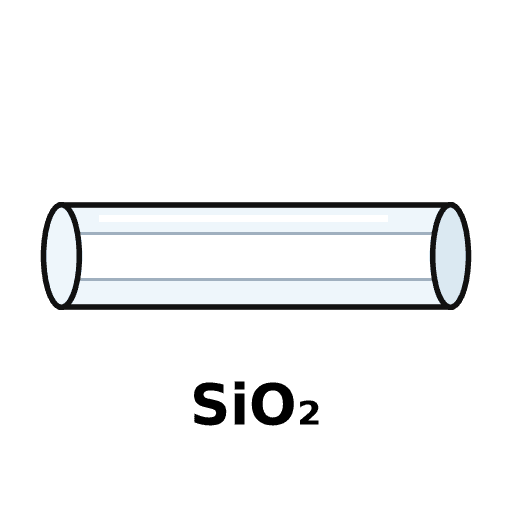
Fused Quartz Tube: Blown from Brazil Pebble in the Oxy-Gas Flame (Shenstone, 1916)
Fused silica stands sudden heating and cooling that would crack glass, but natural quartz splinters violently in a flame.
W. A. Shenstone, in The Methods of Glass-Blowing and of Working Silica in the Oxy-Gas Flame (1916), first turns Brazil pebble into a "non-splintering" silica by quenching it from a yellow-red heat, then melts it in an oxy-gas flame into fine rods, wraps the rods round a platinum core into a first tube, and enlarges it with rings of rod blown out.
Not given: quantities and times. He advises most workers to start from bought tubes and to learn each stage by practice.
Source: W. A. Shenstone (1916), pp. 88-94. Picture: his p. 93.
Nâng cao
Several days of practice
Hướng dẫn
1
1
Read Shenstone
Read Shenstone
"The silica tubes thus made can be cut and broken like glass, they can be joined together before the flame, and they can also be drawn into smaller tubes when softened by heat."
2
2
Crack the Brazil pebble
Crack the Brazil pebble
Clean the chips of Brazil pebble (rock crystal) thoroughly, heat them in boiling water and drop them into cold water. Repeat until they have cracked enough to break easily with a clean steel pestle or hammer. Hand-pick the fragments and reject any that are not perfectly free from foreign matter.
Vật liệu cho bước này:
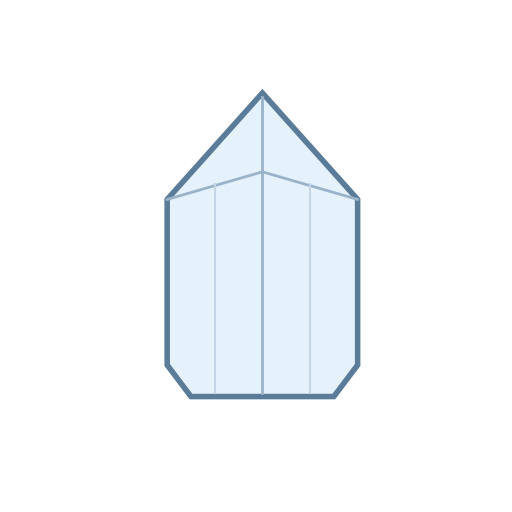 Pha lê đá (thạch anh trong)1 as required
 Nước1 as required
Công cụ cần thiết:
 Nồi quánh thành cao
 Bếp điện phẳng
 Xô
 Búa đầu tròn
3
3
Make it non-splintering
Make it non-splintering
Heat the pure, transparent pieces to a yellow-red heat in a covered platinum dish in a muffle furnace and plunge them quickly into a deep clean vessel of distilled water. Repeat until they are semi-opaque, friable masses like white enamel. Wash them with distilled water, drain and dry. Now they can go straight into the hottest part of the flame without splintering.
Vật liệu cho bước này:
 Nước cất1 as required
Công cụ cần thiết:
 Chén platin
 Lò muffle
 Kìm gắp nồi nấu kim loại
 Cốc thủy tinh (becher)
4
4
Set up the flame
Set up the flame
Use an efficient oxy-gas burner fed with coal gas and oxygen from a bottle fitted with a gauge and regulator; watch the oxygen used. Protect your eyes with very dark glasses, so dark that work is a little difficult at first, and keep a second pair for long spells, as the glasses get hot. The hottest spot is near the tip of the inner cone: bring the work exactly there.
Vật liệu cho bước này:
 Khí than1 as required
 Oxy1 as required
Công cụ cần thiết:
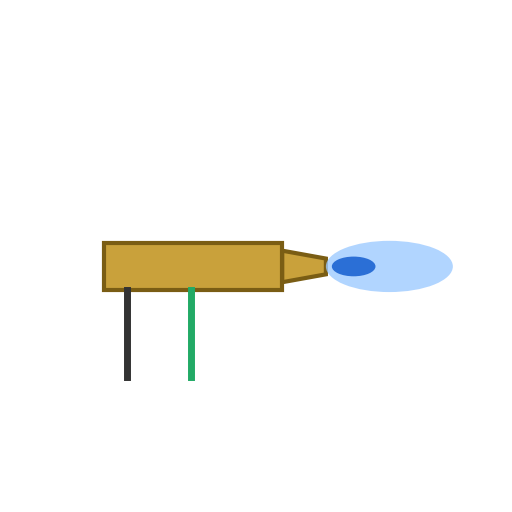 Đèn khò oxy - khí than
 Bình khí chịu áp suất
 Van giảm áp
 Đồng hồ áp suất
 Kính lọc sáng cho lò rèn
5
5
Draw fine rods
Draw fine rods
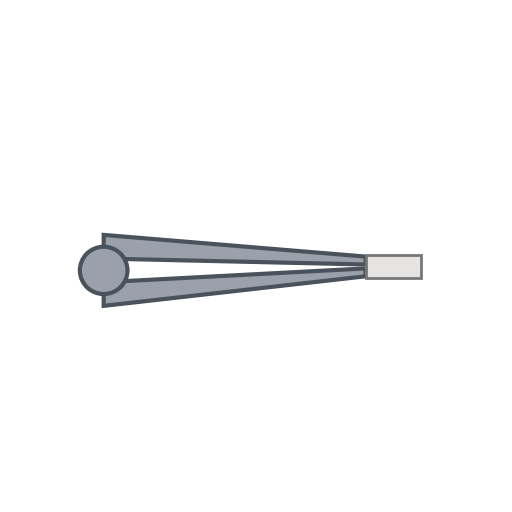
Hold a fragment in platinum-tipped forceps and melt one corner. Press a second fragment against the melted part until they stick, and heat from below upwards (to avoid bubbles) until it is clear. Add a third, a fourth and so on until you have an irregular rod. Reheat it in sections and draw it out into rods or coarse threads 1 to 2 mm across.
Công cụ cần thiết:
 Kẹp đầu bạch kimĐèn khò oxy - khí thanKính lọc sáng cho lò rèn
6
6
Make the first tube
Make the first tube
Bind a few rods round a platinum rod about 1 mm across with platinum wires at both ends. Withdraw the core slightly from one end and heat gradually from there until a rough tube 4 to 5 cm long has formed. Close one end, blow it into a small bulb, fix a silica rod to the far end of the bulb, reheat and draw it out into a fine tube. Blow a fresh bulb on one end and draw it out again, until the tube is 6 to 8 cm long.
Công cụ cần thiết:
 Dây bạch kimKẹp đầu bạch kimĐèn khò oxy - khí thanKính lọc sáng cho lò rèn
7
7
Blow without soiling it
Blow without soiling it
Blow through a rubber tube on the open end of the silica tube, with a glass tube loosely packed with granulated potash between your mouth and the work so the inside stays clean. Do not take a hot bulb out of the flame to blow it; move it just off the hot spot. Mend holes with plastic silica from the softened end of a fine rod and blow the lump out. Keep the silica clean: a white crust that forms is removed by reheating, but dust or handling can spoil the surface for good.
Công cụ cần thiết:
 Ống cao su
 Ống thủy tinh
 Kali cacbonat (bồ tạt)Đèn khò oxy - khí than
8
8
Enlarge and lengthen
Enlarge and lengthen
To widen a bulb into a tube, lay a ring of fine rod round its end, heat the ring and the end until soft and blow; repeat until the bulb becomes a short tube. For a long tube make several pieces 200 to 250 mm long at the diameter you need and join them end to end. Thicken a tube by adding rings and blowing them out. For a large tube, set a plate of silica behind the work to throw the flame back onto its far side.
Công cụ cần thiết:
Đèn khò oxy - khí thanKẹp đầu bạch kimKính lọc sáng cho lò rèn9
9
History and honest limits
History and honest limits
Thorpe's Dictionary (vol. IV, 1913) records Gaudin spinning fused silica threads in 1839, Boys making quartz fibres in 1887, and Shenstone showing in 1901 how to make tubes and bulbs before the oxy-coal-gas blowpipe.
Shenstone gives no quantities or times and says most workers save time and money by starting from bought silica tubes. A finished tube holds a little moisture and nitric peroxide; he removes them by heating it and drawing filtered air through, not by washing.
Vật liệu
5- 1 as requiredTạm thời
- 1 as requiredTạm thời
- 1 as requiredTạm thời
- 1 as requiredTạm thời
- 1 as requiredTạm thời
Công cụ yêu cầu
18- Tạm thời
- Tạm thời
- Tạm thời
- Tạm thời
- Tạm thời
- Tạm thời
- Tạm thời
- Tạm thời
- Tạm thời
- Tạm thời
- Tạm thời
- Tạm thời
- Tạm thời
- Tạm thời
- Tạm thời
- Tạm thời
- Tạm thời
- Tạm thời
Bản thiết kế này làm ra
CC0 Phạm vi công cộng
Bản thiết kế này được phát hành theo CC0. Bạn tự do sao chép, sửa đổi, phân phối và sử dụng cho bất kỳ mục đích nào mà không cần xin phép.
Hỗ trợ nhà sáng tạo bằng cách mua sản phẩm qua bản thiết kế, nơi họ nhận Hoa hồng nhà sáng tạo do nhà bán hàng đặt, hoặc tạo phiên bản mới và kết nối trong bản thiết kế riêng để chia sẻ doanh thu.