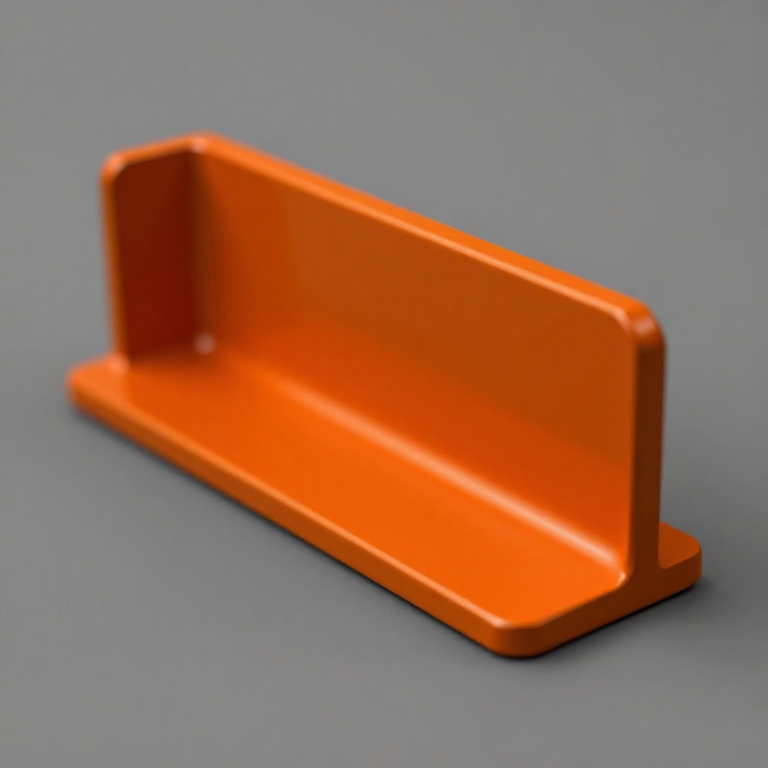


Powder Coating
Every paint before this one was a solid dissolved in a liquid you did not want. The solvent existed only to make the resin flowable long enough to apply it, then evaporated into the air — typically 40 to 70 per cent of what you sprayed. That is a lot of hydrocarbon released to move a film of plastic a few metres.
Powder coating deletes the solvent. The resin is ground to a powder, and the powder is made to flow like a liquid by blowing gas up through it — a fluidized bed. Dip a part heated above the resin's melting point into that bed and the powder that touches it melts and sticks, building a film that then cures into a continuous coating. Nothing evaporates because nothing was dissolved. Overspray is not waste: it falls back into the bed and is used.
The result is also thicker and tougher than a sprayed film. One dip gives 200–400 µm, where wet paint needs several coats and drying time between each.
Erwin Gemmer, working for Knapsack-Griesheim in Germany, patented it. US 2,844,489, "Fluidized Bed Coating Process", filed 20 December 1957, granted 22 July 1958. The specification is precise about the two conditions that matter: the bed is "maintained in the fluidized state by controlling the flow of the gas", and the article must be "preheated to a temperature above the sintering or melting point of the coating material".
Hướng dẫn
Build the fluidized bed
Build the fluidized bed
Take a container with a porous plate across the bottom — sintered plastic, or a tight cloth over a perforated sheet. Feed low-pressure air underneath it. Fill above the plate with powder coat paint to about a third of the container depth.
Turn the air up slowly. At the right flow the powder surface rises slightly and begins to churn like a simmering liquid. That is fluidization.
Too little air and it stays a packed heap. Too much and it erupts and blows powder out. The window between them is the process.
Vật liệu cho bước này:
 Sơn tĩnh điện dạng bột450 g
Công cụ cần thiết:
 Máy nén khí
Prepare the part
Prepare the part
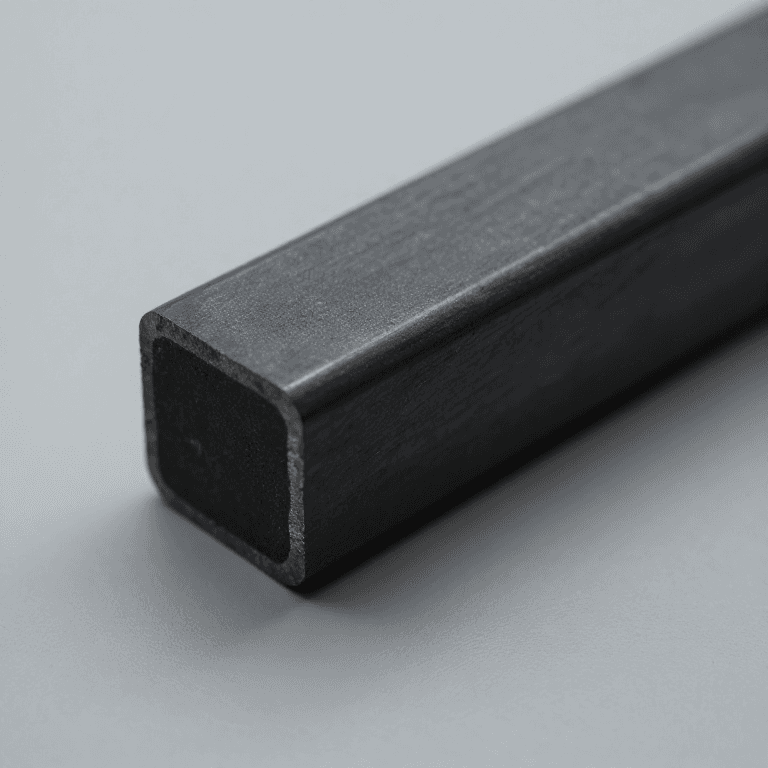
Degrease the steel bar and remove rust. Powder coating hides nothing — every fingerprint and scale patch shows as a crater or a bare spot.
Phosphating the part first, as in the phosphate blueprint, is what industry does: the phosphate layer both keys the coating and stops rust creeping under it from a chip.
Vật liệu cho bước này:
 Thanh thép dẹt1 cái
Preheat the part above the melting point
Preheat the part above the melting point
Heat the part in the oven to 200–250 °C. Check it with the infrared thermometer, not the oven dial.
The heat is in the part, not the bed. This is Gemmer's condition — the article is preheated above the sintering or melting point of the coating material, so powder melts on contact with the metal and nowhere else. The bed itself stays cold.
Công cụ cần thiết:
 Lò nướng để bàn
 Nhiệt kế hồng ngoại
Dip, moving the part as you go
Dip, moving the part as you go
Lower the hot part into the fluidized bed for 3–8 seconds, moving it to and fro the whole time — the patent says so explicitly.
Holding it still lets the powder immediately around it melt and locally chill the bed, giving a thick lumpy patch and a thin one next to it. Movement keeps presenting fresh cold powder.
Longer dip and hotter part both mean a thicker film. This is the only thickness control you have.
Cure it
Cure it
Return the part to the oven at 200 °C for 10–15 minutes.
Watch the surface change: the powdery texture flows out to a smooth gloss. That flow-out is the resin melting fully; curing continues after it looks finished, so do not cut the time short.
Cool in air. The coating is hard when cold, not before — do not handle the face while warm.
Test it against wet paint
Test it against wet paint
Measure the film if you can: expect 200–400 µm from a single dip, against 25–50 µm for one coat of wet paint.
Then abuse it. Strike an edge with a hammer, and scratch it with a key. Powder coat resists both far better than an equivalent air-dried paint — it is a thermoset plastic, not a dried film.
Now weigh what is left in the bed. Nothing was lost. Powder that missed the part is still in the container, ready for the next one. That single fact — no solvent released, no overspray discarded — is why the process took over.
History & Context
History & Context
The patent, from the document. US 2,844,489, "Fluidized Bed Coating Process", inventor Erwin Gemmer, assigned to Knapsack-Griesheim Aktiengesellschaft near Köln. Filed 20 December 1957, granted 22 July 1958, German priority the same day. ⚠ Secondary sources widely give "filed in Germany May 1953, issued 1955" — those dates do not match this document, and if an earlier German filing exists it is a different patent with a different number. Cite what you can see.
Why a chemical company invented it. Knapsack-Griesheim made resins, not coatings. The fluidized bed came out of powder handling, which is why the patent is written as a general process for applying any meltable powder rather than as a paint invention. Nylon and other engineering plastics were coated this way before decorative finishes were.
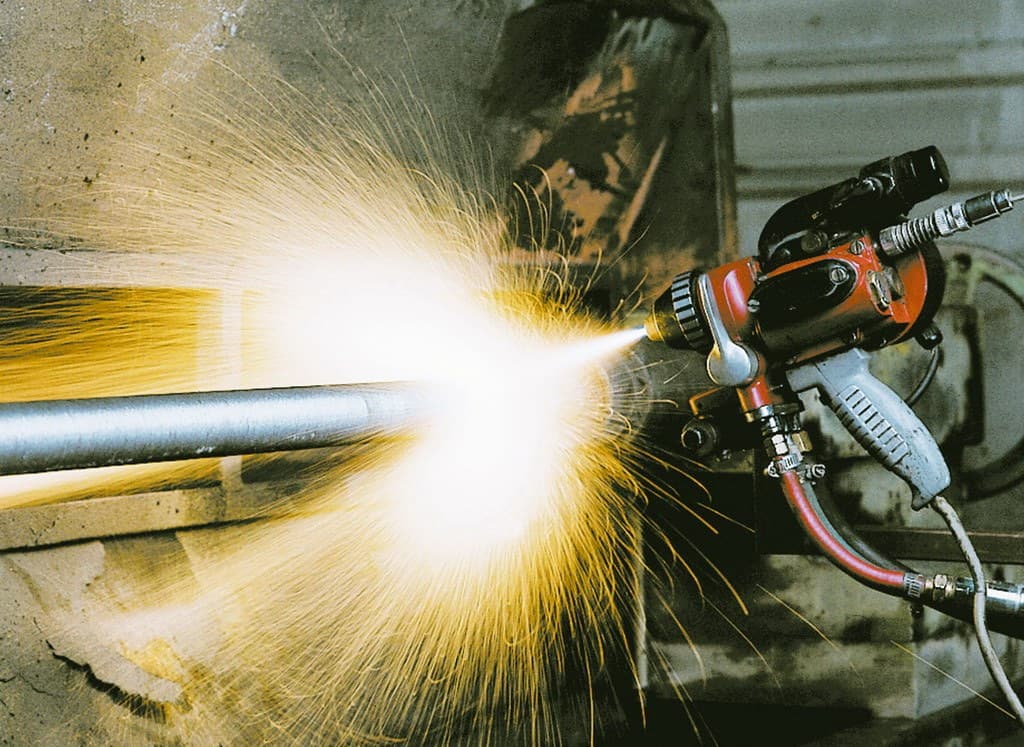
What replaced the dip. Fluidized-bed dipping only suits parts you can heat and immerse, and it gives thick films. Electrostatic spray — charging the powder and earthing the part, so powder is attracted to a cold workpiece — arrived in the 1960s and is what almost all powder coating uses now. It gives thin films on complex shapes and needs no preheat. Gemmer's bed survives for thick functional coatings: dishwasher racks, pipeline coatings, electrical insulation.
The environmental claim, honestly. No solvent is emitted and overspray is recovered, so it genuinely beats wet paint on both counts. But it is not free: the oven consumes real energy, and thermoset powder that has cured cannot be remelted and reused. It is a large improvement, not a closed loop.
Vật liệu
2- Tạm thời
- 1 cáiTạm thời
Công cụ yêu cầu
3- 1 vendor sell this, none ship to you yetTạm thời
- Tạm thời
- Tạm thời
Vật liệu bản thiết kế liên kết

Blueprint liên quan
Các blueprint này chia sẻ kiến thức — kỹ thuật, vật liệu hoặc nguyên tắc
CC0 Phạm vi công cộng
Bản thiết kế này được phát hành theo CC0. Bạn tự do sao chép, sửa đổi, phân phối và sử dụng cho bất kỳ mục đích nào mà không cần xin phép.
Hỗ trợ nhà sáng tạo bằng cách mua sản phẩm qua bản thiết kế, nơi họ nhận Hoa hồng nhà sáng tạo do nhà bán hàng đặt, hoặc tạo phiên bản mới và kết nối trong bản thiết kế riêng để chia sẻ doanh thu.