NGHỆ THUẬT
LÀM ĐẸP VÀ SỨC KHỎE
THỦ CÔNG
VĂN HÓA VÀ LỊCH SỬ
GIẢI TRÍ
MÔI TRƯỜNG
THỰC PHẨM VÀ ĐỒ UỐNG
KỸ THUẬT NGƯỢC
KHOA HỌC
THỂ THAO
CÔNG NGHỆ
THIẾT BỊ ĐEO
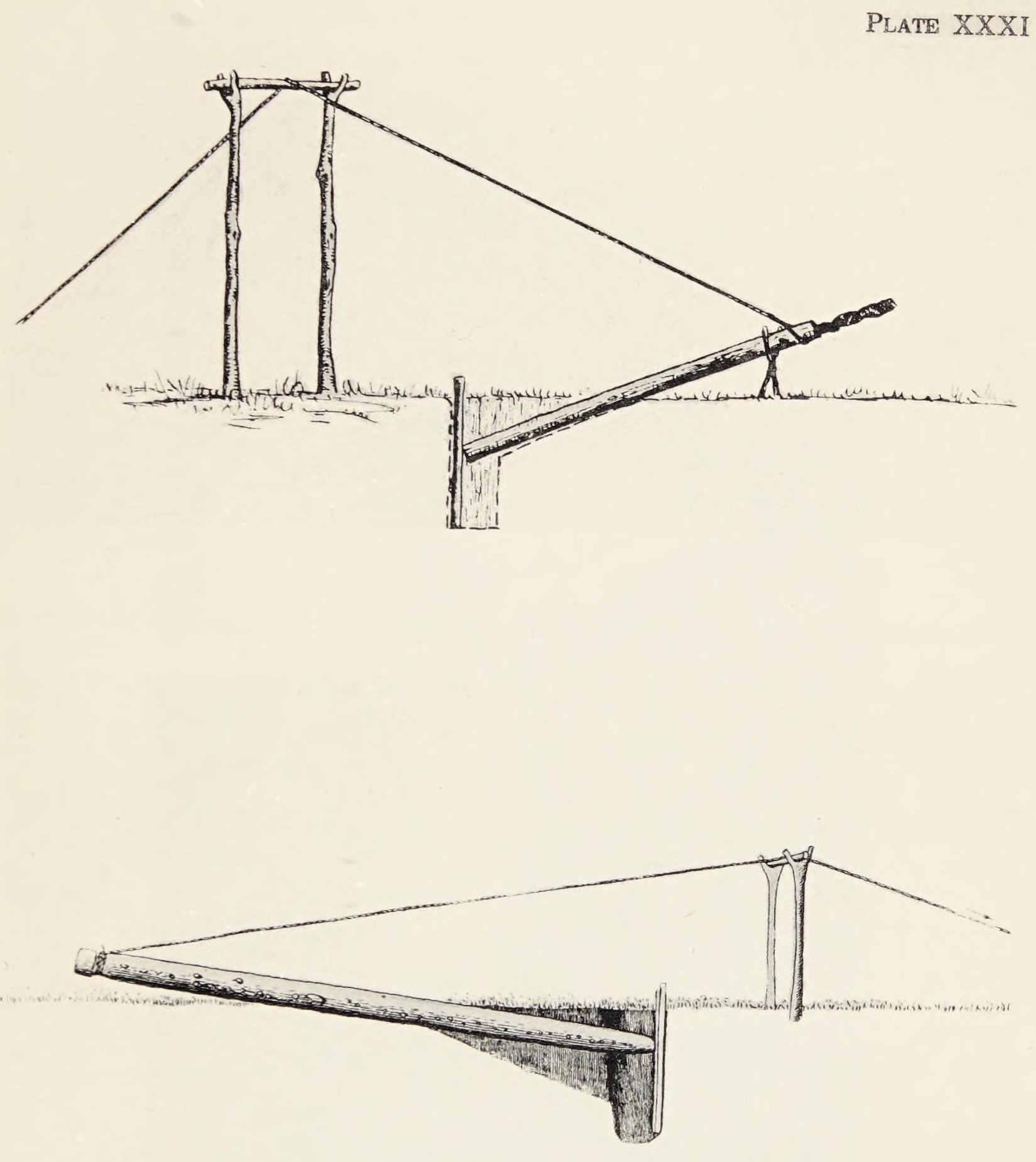


Gitksan Memorial Totem Pole: Red Cedar Carved Under Shelter, Butt Rolled into a Trench, Hauled Up over a Square Frame (Barbeau, 1929)
How the Gitksan of the upper Skeena made a memorial pole, as Marius Barbeau recorded it at Kitwanga: a red cedar 15 to 60 ft long felled and hauled by people of another clan group, carved under shelter with the owners' crests using ax, adze and curved knife, left mostly unpainted, and raised by rolling its butt into a trench to a hole 6 to 8 ft deep and hauling the top up with cedar-bark ropes over a square frame, in jerks, all together.
Nâng cao
Two years or more
Hướng dẫn
1
1
His measures
His measures
Đang tải sổ tay Jupyter…
2
2
Read Barbeau
Read Barbeau
"A hole was first dug in the ground, at least 6 feet deep. The butt was sunk in a trench leading to the hole, and the smaller end was raised gradually on wooden props."
3
3
Fell and haul the cedar
Fell and haul the cedar
Select a red cedar and fell it, then haul the trunk to where the pole will stand, sometimes many miles. Gitksan poles were 15 to 60 ft (4.6-18 m) long. Among the Gitksan this work fell to people of another phratry, fed and paid by the family. The log often lay a year or more before carving.
Vật liệu cho bước này:
 Khúc gỗ tuyết tùng đỏ1 cái
Công cụ cần thiết:
 Rìu
 Dây thừng
 Sào gỗ
4
4
Carve
Carve
Carve under shelter, out of sight, with ax, adze and curved knife (the tools whose arrival, Barbeau says, made tall poles possible). The figures are the owners' own crests, chosen by them. Kitwanga's old poles were left unpainted except for small touches.
Công cụ cần thiết:
Rìu Rìu lưỡi ngang
 Dao lưỡi móc (đẽo thìa)
 Vồ gỗ
5
5
Prepare the raising
Prepare the raising
Dig the hole 6 to 8 ft (1.8-2.4 m) deep with a short trench running into it. Put up a square frame (two posts and a crossbar, the 'chevalet') next to the hole. Roll the butt of the pole into the trench and fasten a large rope, of twisted cedar bark in his day, to the smaller end.
Vật liệu cho bước này:
Sào gỗ1 cáiDây thừng1 cáiCông cụ cần thiết:
 XẻngRìu
6
6
Raise the pole
Raise the pole
Throw the rope over the frame. Lift the top a little at a time and set wooden props under it, while many people haul on the rope together in jerks (they called the cadence 'haw, haw, haw'), until the pole stands in the hole. Ours: fill the hole and ram the earth hard round the butt before letting go of the rope.
Công cụ cần thiết:
Dây thừngSào gỗXẻng7
7
Troubleshooting
Troubleshooting
Raising troubleshooting.
Flow
Loading...
8
8
History and honest limits
History and honest limits
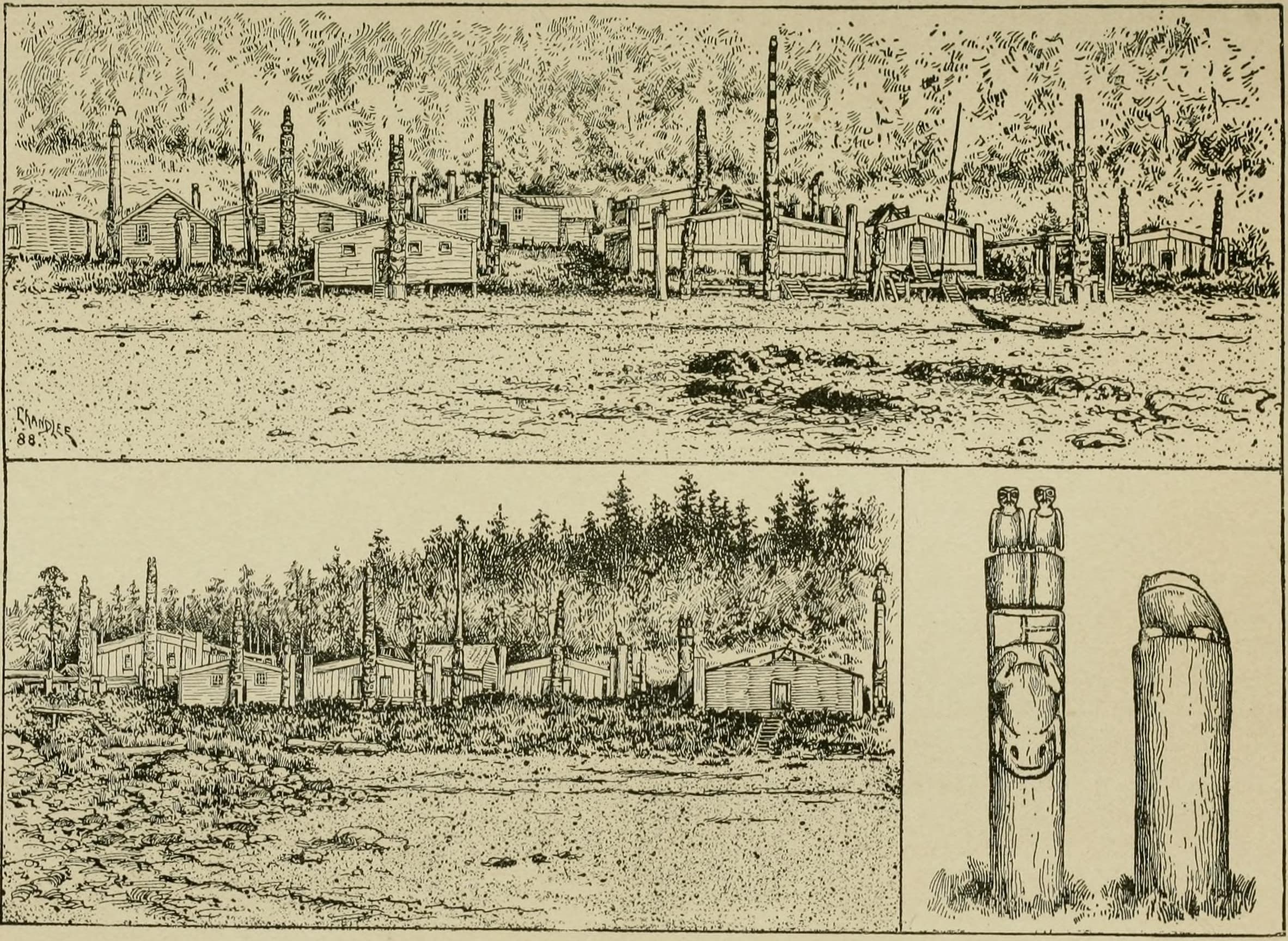
From Marius Barbeau, *Totem Poles of the Gitksan, Upper Skeena River, British Columbia*, **National Museum of Canada Bulletin 61** (1929), pp. 3, 7, 12, 27, 150 and Plate XXXI (checked on the archive.org scan totempolesofgitk0000barb); the raising method comes from chief Hlengwah of Kitwanga. A pole was put up about two years after a chief died, at the feast where his successor took his name, with dirge songs, drumming and gifts; a Making-dry feast followed two years later. The frame's size, filling the hole and metric are ours; the plate's two drawings are unlabelled, and we take the square-frame one as the Skeena method.
Bản thiết kế này làm ra
Blueprint liên quan
Các blueprint này chia sẻ kiến thức — kỹ thuật, vật liệu hoặc nguyên tắc
CC0 Phạm vi công cộng
Bản thiết kế này được phát hành theo CC0. Bạn tự do sao chép, sửa đổi, phân phối và sử dụng cho bất kỳ mục đích nào mà không cần xin phép.
Hỗ trợ nhà sáng tạo bằng cách mua sản phẩm qua bản thiết kế, nơi họ nhận Hoa hồng nhà sáng tạo do nhà bán hàng đặt, hoặc tạo phiên bản mới và kết nối trong bản thiết kế riêng để chia sẻ doanh thu.