
جمع صمغ اللبان من اشجار البوسويليا — من الشجرة الى الراتنج
Hướng dẫn
التعرف على شجرة البوسويليا
التعرف على شجرة البوسويليا
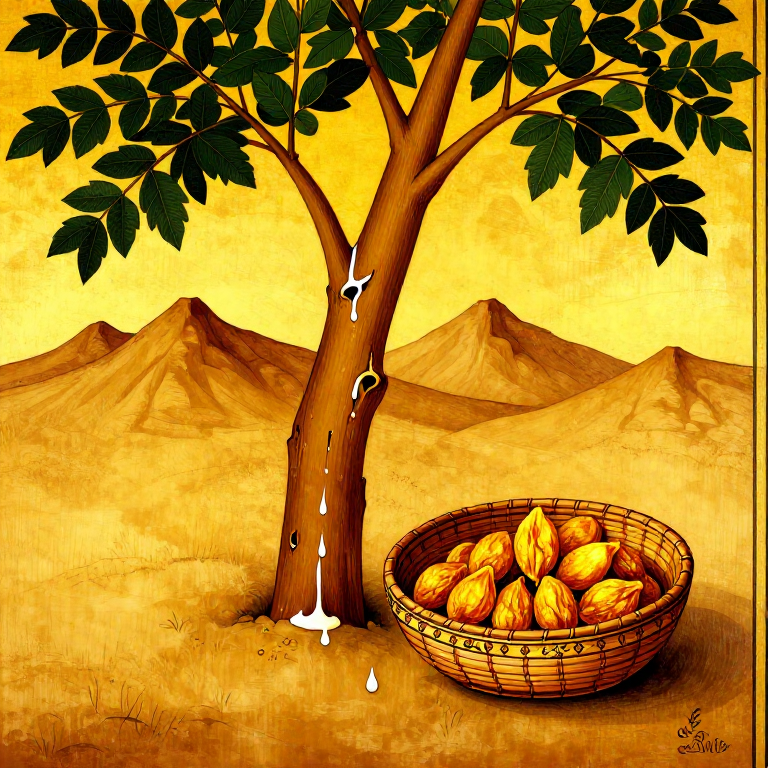
شجرة اللبان (Boswellia sacra) هي شجرة صغيرة الى متوسطة الحجم يتراوح ارتفاعها بين 2-8 امتار. تنمو في المناطق الجافة وشبه الجافة في جنوب شبه الجزيرة العربية (ظفار في عمان، حضرموت في اليمن، والمنطقة الجنوبية في السعودية) وشرق افريقيا. تتميز بلحاء ورقي متقشر، واوراق مركبة ريشية، وازهار صغيرة بيضاء مائلة للصفرة. الشجرة تنمو غالبا على المنحدرات الصخرية الجيرية.
فهم انواع البوسويليا
فهم انواع البوسويليا
توجد عدة انواع من البوسويليا تنتج اللبان. Boswellia sacra (الاكثر شهرة، تنمو في عمان واليمن) تنتج لبان ذا جودة عالية. Boswellia carterii تنمو في الصومال. Boswellia serrata تنمو في الهند. Boswellia papyrifera تنمو في اثيوبيا والسودان. لكل نوع خصائص مميزة في اللون والرائحة. اللبان العماني (الحوجري) يعتبر من اجود الانواع عالميا.
اختيار الوقت المناسب للحصاد
اختيار الوقت المناسب للحصاد
يبدا موسم حصاد اللبان في اواخر فبراير او مارس ويستمر حتى سبتمبر. يتم الحصاد في الموسم الجاف عندما تكون الاشجار اقل نموا والراتنج اكثر سمكا وجودة. في منطقة ظفار العمانية، الحصاد الاول (الاقل جودة) يكون في مارس-ابريل، والحصاد الثاني (جودة متوسطة) في مايو-يونيو، والحصاد الثالث (الاعلى جودة) في يوليو-سبتمبر.
اختيار الاشجار المناسبة
اختيار الاشجار المناسبة
اختر اشجار ناضجة يبلغ عمرها 8-10 سنوات على الاقل وقطر جذعها 10 سم فما فوق. الاشجار الصحية ذات اللحاء السميك تنتج راتنج اكثر واجود. تجنب الاشجار المريضة او الصغيرة جدا. لا تحصد من نفس الشجرة اكثر من 2-3 مرات في الموسم الواحد لتتعافى. الافراط في التشريط يضعف الشجرة وقد يقتلها.
تحضير ادوات التشريط
تحضير ادوات التشريط
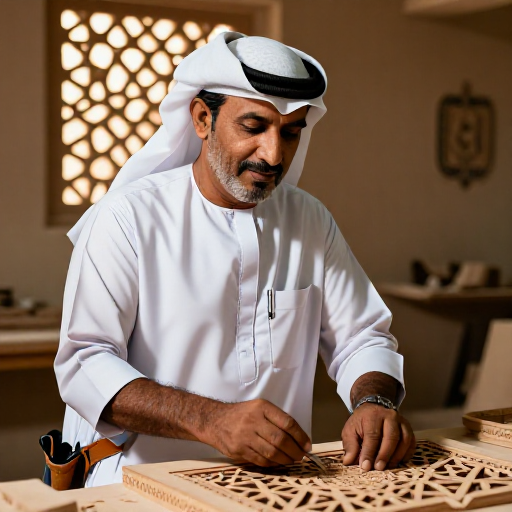
الاداة التقليدية هي المنقاف (منجل صغير حاد) او سكين تشريط خاص. يجب ان تكون الشفرة حادة ونظيفة لعمل قطع دقيق دون تمزيق اللحاء. نظف الاداة بالكحول قبل الاستخدام لمنع نقل الامراض بين الاشجار. جهز ايضا سلة او وعاء لجمع القطع الجافة.
Vật liệu cho bước này:
 Cồn xoa (70 %)100 milliliter
Công cụ cần thiết:
 Dao cạo mủ
 Giỏ thu gom đan
 Găng tay da bảo hộ
عمل الشقوق في اللحاء (التشريط)
عمل الشقوق في اللحاء (التشريط)
اعمل شقوقا ضحلة في لحاء الشجرة بعمق 1-2 سم فقط — يجب ان تخترق اللحاء الخارجي دون الوصول الى الخشب الداخلي (الكامبيوم). طول كل شق 5-8 سم. اعمل 8-12 شقا موزعة حول الجذع والفروع الرئيسية. اترك مسافة 10-15 سم بين كل شق. الشجرة تفرز الراتنج كاستجابة دفاعية طبيعية لشفاء الجروح.
Công cụ cần thiết:
Dao cạo mủانتظار تكون دموع الراتنج
انتظار تكون دموع الراتنج
بعد التشريط، يبدا الراتنج الحليبي الابيض بالتسرب من الشقوق خلال ساعات. هذا السائل اللزج يتصلب تدريجيا عند تعرضه للهواء. اترك الراتنج يتصلب على الشجرة لمدة 10-14 يوما. خلال هذه الفترة، تتحول الدموع من لون ابيض حليبي الى اصفر شفاف او كهرماني. لا تلمس الدموع وهي لينة.
جمع دموع اللبان
جمع دموع اللبان
بعد 10-14 يوما، اجمع الدموع المتصلبة بلطف باستخدام سكين مسطح او ملعقة. ادخل الشفرة خلف الدمعة وافصلها عن اللحاء بحركة لطيفة. تجنب كشط اللحاء نفسه. ضع الدموع في سلة مبطنة بقماش لمنع التكسر. الشجرة الواحدة تنتج 300-500 غرام من الراتنج في الحصاد الواحد.
Công cụ cần thiết:
 Dao cạo lưỡi phẳng
 Giỏ hứng có lót
ازالة لحاء الشجرة الملتصق
ازالة لحاء الشجرة الملتصق
بعض دموع الراتنج تحمل قطعا من اللحاء الملتصق بها. ازل هذه القطع بلطف باستخدام سكين صغير. اللحاء يقلل من جودة اللبان ويؤثر على نقائه. كن حذرا حتى لا تكسر الدموع الكبيرة — القطع الاكبر اكثر قيمة تجاريا.
Công cụ cần thiết:
 Dao xén nhỏ
تجفيف اللبان
تجفيف اللبان
انشر دموع اللبان في طبقة واحدة على صينية مسطحة او حصيرة في مكان مظلل وجاف مع تهوية جيدة. لا تعرضها لاشعة الشمس المباشرة الحارقة لان الحرارة الزائدة تذيب الراتنج وتفقده زيوته الطيارة. اترك الدموع تجف لمدة 2-3 اسابيع. قلبها كل 2-3 ايام لتجف بالتساوي.
Công cụ cần thiết:
 Khay phẳng để phơi
 Chiếu đan
تصنيف اللبان حسب الجودة
تصنيف اللبان حسب الجودة
يصنف اللبان تقليديا حسب اللون والحجم والشفافية. الدرجة الاولى (الحوجري الفاخر): دموع كبيرة، شفافة، بيضاء مائلة للاخضر الفاتح — الاغلى ثمنا. الدرجة الثانية: صفراء فاتحة شفافة. الدرجة الثالثة: كهرمانية. الدرجة الرابعة: بنية داكنة. الدرجة الخامسة: قطع صغيرة مكسورة ومتنوعة اللون (تستخدم للبخور اليومي). اللبان الافتح لونا يكون عادة من حصاد متاخر في الموسم.
Công cụ cần thiết:
 Khay phân loại
اختبار جودة اللبان
اختبار جودة اللبان
اللبان الجيد له رائحة حمضية ليمونية خفيفة وهو جاف. عند حرقه على فحم، يجب ان ينتج دخانا ابيض عطريا بدون رائحة بلاستيكية او نفاذة. عند مضغه (تقليد شائع في عمان واليمن) يجب ان يكون مرا قليلا ثم يتحول الى علكة بيضاء. اللبان المغشوش او الرديء يكون هشا جدا ولا ينتج دخانا عطريا.
Vật liệu cho bước này:
 Đĩa than củi1 cái
Công cụ cần thiết:
 Lư hương
تخزين اللبان
تخزين اللبان
خزن اللبان المجفف والمصنف في اوعية زجاجية محكمة الاغلاق او اكياس قماش قطنية في مكان بارد وجاف بعيدا عن اشعة الشمس. لا تستخدم اكياس بلاستيكية لان الراتنج يحتوي على زيوت طيارة (حمض البوسويلي والانسنسول) قد تتفاعل مع البلاستيك. اللبان المخزن جيدا يحتفظ بعطره لسنوات. ضع ملصقا يوضح الدرجة وتاريخ الحصاد ومصدر الشجرة.
Vật liệu cho bước này:
 Lọ thủy tinh để trữ5 cái
 Túi bông cất trữ5 cái
Công cụ cần thiết:
 Nhãn dán
العناية بالشجرة بعد الحصاد
العناية بالشجرة بعد الحصاد
بعد انتهاء موسم الحصاد، اترك الشجرة ترتاح حتى الموسم التالي. لا تشرط الشجرة اكثر من 2-3 دورات في السنة. اشجار البوسويليا مهددة بسبب الرعي الجائر والحصاد المفرط وتغير المناخ. في عمان، تعتبر اشجار اللبان في وادي دوكة محمية كموقع تراث عالمي لليونسكو منذ عام 2000. الحصاد المستدام يضمن استمرار هذا التقليد القديم.
Vật liệu
5- 100 milliliterTạm thời
- 1 cáiTạm thời
- 5 cáiTạm thời
- 5 cáiTạm thời
- 1 cáiTạm thời
Công cụ yêu cầu
11- Tạm thời
- Tạm thời
- Tạm thời
- Tạm thời
- Tạm thời
- Tạm thời
- Tạm thời
- Tạm thời
- Tạm thời
- Tạm thời
- Tạm thời
Bản thiết kế này làm ra
CC0 Phạm vi công cộng
Bản thiết kế này được phát hành theo CC0. Bạn tự do sao chép, sửa đổi, phân phối và sử dụng cho bất kỳ mục đích nào mà không cần xin phép.
Hỗ trợ nhà sáng tạo bằng cách mua sản phẩm qua bản thiết kế, nơi họ nhận Hoa hồng nhà sáng tạo do nhà bán hàng đặt, hoặc tạo phiên bản mới và kết nối trong bản thiết kế riêng để chia sẻ doanh thu.