

کھیوڑا نمک کان سے گلابی نمک نکالنا — پاکستان کا قدرتی پہاڑی نمک
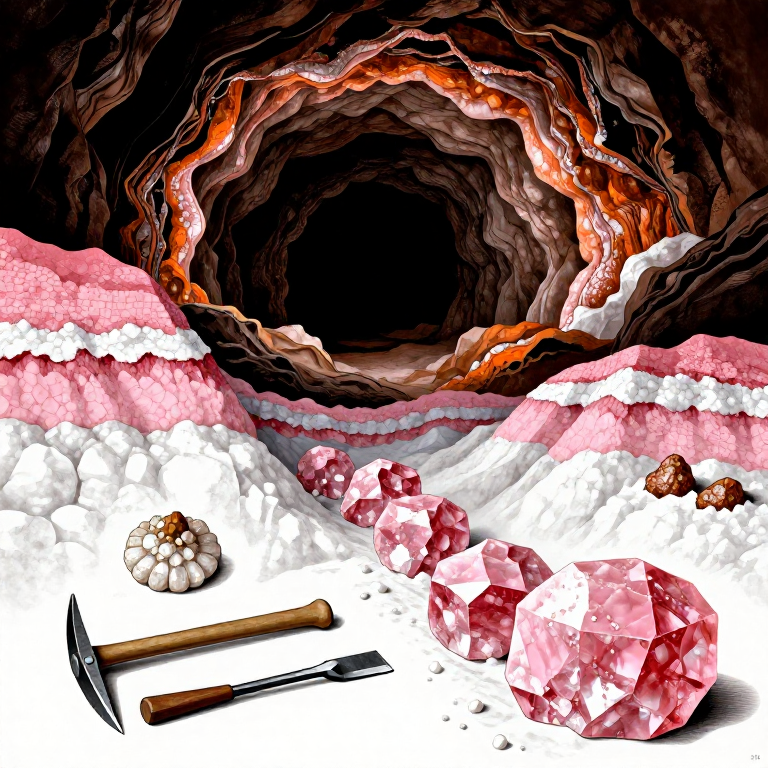
پاکستان کے صوبہ پنجاب میں واقع کھیوڑا نمک کان دنیا کی دوسری سب سے بڑی نمک کان ہے۔ یہ بلیو پرنٹ قدرتی گلابی پہاڑی نمک نکالنے کا مکمل طریقہ بیان کرتا ہے۔ یہ نمک تقریباً 600 ملین سال پہلے ایک قدیم اندرونی سمندر کے بخارات بننے سے بنا تھا۔
اس رہنما کتابچے میں نمک کی رگوں کی شناخت، ہاتھ سے کدال سے نکالنا، مشینی ڈرلنگ، بلاک نکالنا، رنگ کے مطابق چھانٹی، توڑنا، دھونا، درجہ بندی، اور ذخیرہ اندوزی تک تمام مراحل شامل ہیں۔ کھیوڑا کان میں "روم اینڈ پلر" طریقہ کار استعمال ہوتا ہے جس میں 50 فیصد نمک ستونوں کی شکل میں ساختی مدد کے لیے چھوڑ دیا جاتا ہے۔ گلابی رنگ آئرن آکسائیڈ (Fe₂O₃) کی معمولی مقدار کی وجہ سے ہوتا ہے۔
Hướng dẫn
کھیوڑا نمک کان کی ارضیات سمجھنا
کھیوڑا نمک کان کی ارضیات سمجھنا
کھیوڑا نمک کان ضلع جہلم، پنجاب، پاکستان میں نمک کوہ پہاڑی سلسلے (Salt Range) میں واقع ہے۔ یہاں کے نمک کے ذخائر تقریباً 600 ملین سال پہلے پری کیمبرین/ایڈیاکیرن دور میں ایک قدیم اندرونی سمندر کے بخارات بننے سے تشکیل پائے۔ کان میں 11 سطحیں ہیں (6 زیرِ زمین) اور سرنگیں پہاڑ کے اندر تقریباً 730 میٹر تک پھیلی ہوئی ہیں۔ روایت کے مطابق اسکندرِ اعظم کے سپاہیوں نے 326 قبل مسیح میں اس کی دریافت کی تھی جب ان کے گھوڑے نمک کی چٹانیں چاٹ رہے تھے۔
حفاظتی تیاری
حفاظتی تیاری
زیرِ زمین کان کنی خطرناک کام ہے۔ کان میں داخل ہونے سے پہلے مکمل حفاظتی سامان پہننا ضروری ہے: سخت ہیلمٹ (ہیڈ لیمپ کے ساتھ)، حفاظتی عینک، دستانے، حفاظتی جوتے (سٹیل ٹو)، اور گرد سے بچاؤ کا ماسک۔ کان میں ہوا کی گردش کا نظام چیک کریں۔ سرنگ کی ساختی سالمیت کا جائزہ لیں۔ ہنگامی راستے اور اوزار جان لیں۔ اکیلے کبھی کان میں نہ جائیں۔
Vật liệu cho bước này:
 Khẩu trang chống bụi1 cái
 Găng tay lao động nặng1 pair
Công cụ cần thiết:
 Mũ bảo hộ có đèn đội đầu
 Kính bảo hộ kín
 Giày bảo hộ (mũi thép)
نمک کی رگوں کی شناخت
نمک کی رگوں کی شناخت
کھیوڑا کان میں نمک مختلف رنگوں میں پایا جاتا ہے: سفید، گلابی، سرخ، اور شفاف۔ گلابی رنگ آئرن آکسائیڈ (Fe₂O₃) کی معمولی مقدار کی وجہ سے ہوتا ہے۔ نمک میں 96-98 فیصد سوڈیم کلورائیڈ (NaCl) ہوتا ہے، اور باقی میں کیلشیم، میگنیشیم، پوٹاشیم، اور آئرن جیسے معدنیات شامل ہیں۔ بہترین رگیں وہ ہیں جہاں نمک صاف، یکساں رنگ کا ہو اور مٹی یا دیگر آلودگی کم ہو۔ تجربہ کار کان کن رگ کی موٹائی، سمت، اور معیار کا اندازہ لگاتے ہیں۔
Công cụ cần thiết:
 Búa địa chất
ہاتھ سے کدال سے نمک نکالنا
ہاتھ سے کدال سے نمک نکالنا
روایتی طریقے میں کان کن بھاری کدال (pick) اور چھینی (chisel) استعمال کرتے ہیں۔ پہلے نمک کی رگ میں دراڑیں اور قدرتی جوڑ تلاش کریں۔ کدال سے نمک کی چٹان پر ضربیں لگائیں تاکہ بڑے بلاک آزاد ہوں۔ ضربیں قدرتی دراڑوں کے ساتھ لگائیں، نہ کہ ان کے خلاف۔ اس طریقے سے بڑے، غیر ٹوٹے ہوئے بلاک حاصل ہوتے ہیں جو زیادہ قیمتی ہیں۔ روایتی ہاتھ کی کان کنی آج بھی جدید طریقوں کے ساتھ ساتھ استعمال ہوتی ہے۔
Công cụ cần thiết:
 Cuốc mỏ (hạng nặng)
 Đục thép
 Búa tạ
مشینی ڈرلنگ
مشینی ڈرلنگ
جدید نکالنے کے طریقوں میں مشینی ڈرل استعمال ہوتی ہے۔ نمک کی دیوار میں مخصوص نمونے کے مطابق سوراخ کیے جاتے ہیں۔ ڈرل بٹ خاص طور پر نمک کی چٹان کے لیے ڈیزائن کیے گئے ہوتے ہیں۔ سوراخوں کی گہرائی اور فاصلہ نمک کی رگ کی موٹائی پر منحصر ہوتا ہے۔ بعض اوقات دھماکہ خیز مواد کا محدود استعمال بڑے حصے آزاد کرنے کے لیے کیا جاتا ہے — لیکن یہ کام صرف تربیت یافتہ بلاسٹرز کرتے ہیں۔ "روم اینڈ پلر" طریقے میں 50 فیصد نمک ستونوں کی شکل میں چھوڑنا لازمی ہے تاکہ چھت سہارا رہے۔
Công cụ cần thiết:
 Máy khoan đá khí nén
نمک کے بلاک نکالنا
نمک کے بلاک نکالنا
ڈرلنگ یا کدال سے آزاد کیے گئے نمک کے بلاک لیور (lever bars) اور ویج (wedges) کی مدد سے مکمل طور پر الگ کیے جاتے ہیں۔ بڑے بلاک کا وزن 50-200 کلوگرام تک ہو سکتا ہے۔ انہیں محتاط طریقے سے گرایا جاتا ہے تاکہ ٹوٹنے سے بچیں — سالم بلاک کی قیمت زیادہ ہوتی ہے۔ چھوٹے ٹکڑے بھی اکٹھے کیے جاتے ہیں۔ بلاکوں کو ہاتھ سے ٹھیلے (mine cart) میں رکھ کر سرنگ سے باہر لے جایا جاتا ہے۔
Công cụ cần thiết:
 Thanh đòn bẩy bằng thép
 Nêm thép
 Xe goòng mỏ
رنگ کے مطابق ابتدائی چھانٹی
رنگ کے مطابق ابتدائی چھانٹی
کان سے نکالے گئے نمک کو فوری طور پر رنگ کے مطابق الگ کیا جاتا ہے: سفید (سب سے خالص، 98%+ NaCl)، ہلکا گلابی (سب سے مقبول)، گہرا گلابی، سرخ (سب سے زیادہ آئرن)، اور شفاف (نایاب)۔ ہر رنگ کی قیمت مختلف ہوتی ہے۔ گلابی نمک بین الاقوامی بازار میں سب سے زیادہ مانگ میں ہے۔ مٹی یا دیگر آلودگی والے ٹکڑے الگ کیے جاتے ہیں۔
Công cụ cần thiết:
 Bàn phân loại
نمک توڑنا
نمک توڑنا
بڑے بلاکوں کو مطلوبہ سائز میں توڑا جاتا ہے۔ صنعتی پیمانے پر جبڑا توڑنے والی مشین (jaw crusher) استعمال ہوتی ہے۔ چھوٹے پیمانے پر ہتھوڑے اور چھینی سے ہاتھ سے توڑا جاتا ہے۔ مختلف مقاصد کے لیے مختلف سائز: بڑے ٹکڑے (لیمپ بنانے کے لیے)، درمیانے ٹکڑے (کھانا پکانے کے لیے)، باریک دانے (ٹیبل سالٹ)۔ توڑنے کے دوران دھول سے بچاؤ کا ماسک پہنیں۔
Công cụ cần thiết:
Búa tạĐục thépدھونا
دھونا
کھیوڑا کا نمک کم سے کم دھویا جاتا ہے — یہ اس کی سب سے بڑی خوبی ہے کیونکہ غیر صاف شدہ (unrefined) نمک میں قدرتی معدنیات برقرار رہتی ہیں۔ صرف مٹی، پتھر کے ذرات، اور دیگر غیر نمکین آلودگی دور کرنے کے لیے مختصر دھلائی کی جاتی ہے۔ نمک کو نمکین پانی (brine) میں دھویا جاتا ہے، تازہ پانی میں نہیں — تازہ پانی نمک کو تحلیل کر دے گا۔ دھونے کے بعد فوری طور پر خشک کریں۔
Vật liệu cho bước này:
 Nước muối bão hòa20 lít
Công cụ cần thiết:
 Chậu rửa lớn
درجہ بندی
درجہ بندی
دھونے اور خشک کرنے کے بعد نمک کی درجہ بندی کی جاتی ہے۔ خوراکی درجے کا نمک (food grade): صاف، خالص رنگ، مٹی سے پاک۔ صنعتی درجے کا نمک: رنگ اور خوراکی معیار سے کم خالص۔ سجاوٹی درجے کا نمک: بڑے، خوبصورت ٹکڑے جو لیمپ اور سجاوٹ کے لیے ہیں۔ کھیوڑا کان سالانہ تقریباً 385,000 ٹن نمک پیدا کرتی ہے، جبکہ اندازے کے مطابق کل ذخائر 6.687 ارب ٹن ہیں۔
Công cụ cần thiết:
Bàn phân loại Cân nhà bếp điện tử
پیکنگ
پیکنگ
درجہ بندی شدہ نمک کو پیکنگ کے لیے تیار کریں۔ خوراکی نمک کو صاف، خشک، خوراکی معیار کے تھیلوں میں بھریں۔ بڑے بلاک (لیمپ یا سجاوٹ کے لیے) انفرادی طور پر نرم کاغذ میں لپیٹیں تاکہ نقل و حمل میں نہ ٹوٹیں۔ ہر تھیلے پر وزن، درجہ، اور تاریخ لکھیں۔ تجارتی ترسیل کے لیے بوری (jute sack) یا بڑے تھیلے استعمال ہوتے ہیں۔
Vật liệu cho bước này:
 Túi đóng gói cấp thực phẩm10 cái
 Giấy gói mềm5 tờ
 Nhãn giấy10 cái
Công cụ cần thiết:
Cân nhà bếp điện tửذخیرہ اندوزی
ذخیرہ اندوزی
نمک کو خشک، ٹھنڈی جگہ پر ذخیرہ کریں۔ نمک نمی جذب کرتا ہے (hygroscopic)، اس لیے نمی سے بچاؤ بہت اہم ہے۔ رشتہ دار نمی 60 فیصد سے کم ہونی چاہیے۔ نمک کو زمین سے اوپر پیلٹ (pallet) پر رکھیں تاکہ فرش سے نمی نہ آئے۔ ہوا بند ڈبوں (airtight containers) میں رکھنے سے نمک سالوں تک محفوظ رہتا ہے۔ نمک کی کوئی میعاد (expiry) نہیں ہوتی — یہ لاکھوں سال پرانا معدنی ذخیرہ ہے — لیکن مناسب ذخیرہ اندوزی اس کی خشکی اور صفائی برقرار رکھتی ہے۔
Vật liệu cho bước này:
 Hộp bảo quản kín khí1 cái
 Pa lét gỗ1 cái
Vật liệu
8- 1 cáiTạm thời
- 1 pairTạm thời
- 20 lítTạm thời
- Tạm thời
- 5 tờTạm thời
- 10 cáiTạm thời
- 1 cáiTạm thời
- 1 cáiTạm thời
Công cụ yêu cầu
18- Tạm thời
- Tạm thời
- Tạm thời
- Tạm thời
- Tạm thời
- Tạm thời
- Tạm thời
- Tạm thời
- Tạm thời
- Tạm thời
- Tạm thời
- Tạm thời
- Tạm thời
- Tạm thời
- Tạm thời
- Tạm thời
- Tạm thời
- Tạm thời
Bản thiết kế này làm ra
CC0 Phạm vi công cộng
Bản thiết kế này được phát hành theo CC0. Bạn tự do sao chép, sửa đổi, phân phối và sử dụng cho bất kỳ mục đích nào mà không cần xin phép.
Hỗ trợ nhà sáng tạo bằng cách mua sản phẩm qua bản thiết kế, nơi họ nhận Hoa hồng nhà sáng tạo do nhà bán hàng đặt, hoặc tạo phiên bản mới và kết nối trong bản thiết kế riêng để chia sẻ doanh thu.