

Making Vinegar from Wine — The Sour Accident That Preserved Civilizations
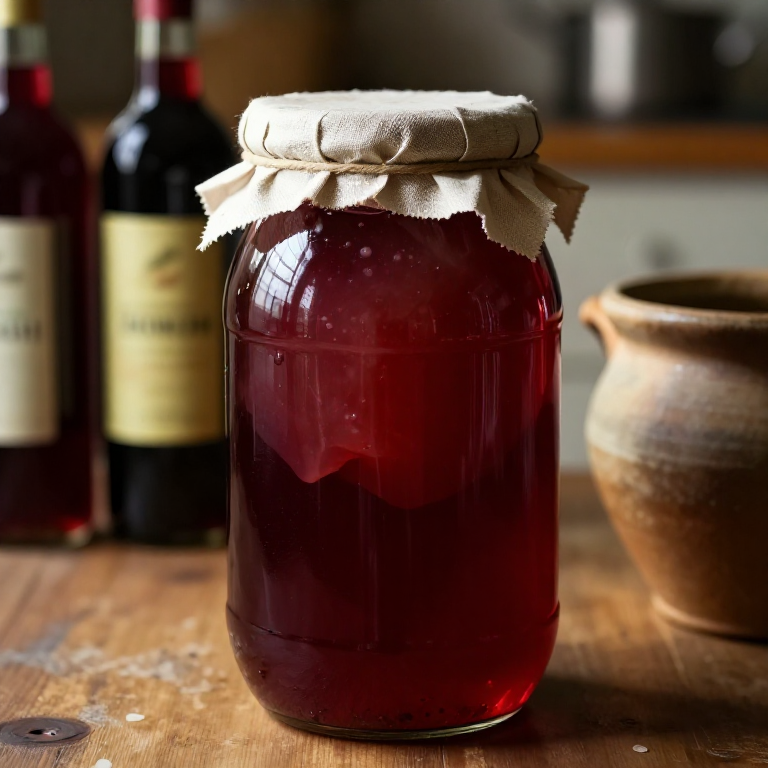
Vinegar (from the French 'vin aigre' — sour wine) is likely as old as wine itself. The moment humans stored wine or beer in an open container, airborne Acetobacter bacteria converted the alcohol to acetic acid — producing vinegar. The Babylonians were making vinegar from date wine by 3000 BCE, and it appears in Egyptian, Chinese, Greek, and Roman records as a food preservative, cleaning agent, and medicine.
Hippocrates prescribed vinegar for wound cleaning around 400 BCE. Hannibal dissolved alpine boulders with heated vinegar during his crossing of the Alps (218 BCE). Roman soldiers drank posca — diluted vinegar — as their standard field beverage because it was safer than untreated water. Cleopatra allegedly dissolved a pearl in vinegar to win a bet about the most expensive meal ever consumed.
The acetic acid fermentation is a two-stage biological process: first, yeast converts sugar to alcohol (wine); then Acetobacter bacteria convert alcohol to acetic acid (vinegar). The 'mother of vinegar' — the gelatinous cellulose mat that forms on the surface — is a living colony of Acetobacter that can be transferred from batch to batch indefinitely. Some vinegar mothers have been maintained continuously for over a century.
Hướng dẫn
Select the alcohol base
Select the alcohol base
Any alcoholic liquid can become vinegar: wine (produces wine vinegar), beer or ale (malt vinegar), hard cider (apple cider vinegar), rice wine (rice vinegar), or even diluted spirits. The alcohol content should be between 5-10% — lower than 5% produces weak vinegar that spoils easily; higher than 10% can inhibit the Acetobacter bacteria. Wine at 10-12% alcohol should be diluted with water to approximately 7-8%.
Use wine that has not been treated with sulfites or sorbates — these preservatives are added to commercial wines specifically to prevent the bacterial conversion to vinegar. Organic or homemade wine without additives is ideal. Red wine produces a robust, full-flavored vinegar; white wine produces a milder, cleaner vinegar; apple cider produces the fruity vinegar popular in health traditions.
Vật liệu cho bước này:
 Rượu vang1 as required
Công cụ cần thiết:
 Chai thủy tinh nắp cài
Introduce the mother of vinegar
Introduce the mother of vinegar
The 'mother' is a living colony of Acetobacter bacteria in a cellulose matrix — a translucent, rubbery disc that floats on the surface of the liquid. You can obtain a mother from an existing vinegar batch, from a friend who makes vinegar, or from a bottle of raw, unfiltered vinegar (look for the cloudy sediment at the bottom — this contains live Acetobacter).
If no mother is available, Acetobacter is naturally present in the air. Simply leave the wine exposed to air with a cloth cover (to keep insects out while allowing air circulation) and wait 1-2 weeks. A thin film will form on the surface — this is a new mother developing from wild Acetobacter. The process is slower without a starter, but it works reliably because Acetobacter is ubiquitous in fruit-growing environments.
Set up the fermentation vessel
Set up the fermentation vessel
Pour the wine into a wide-mouthed vessel — a ceramic crock, glass jar, or wooden barrel. The wide mouth is essential: Acetobacter is an aerobic bacterium that requires oxygen to convert alcohol to acetic acid. A narrow-necked bottle starves the bacteria of air and stalls the fermentation. The vessel should be approximately two-thirds full, leaving a large air space above the liquid surface.
If using a mother, float it on the surface of the wine. Cover the vessel opening with cheesecloth or a clean cotton towel secured with a string — this allows air circulation while keeping out fruit flies (Drosophila), which are attracted to acetic acid and will contaminate the vinegar if they access it. Place the vessel in a warm location (20-30°C) out of direct sunlight. Higher temperatures accelerate fermentation; lower temperatures slow it.
Wait for the acetous fermentation
Wait for the acetous fermentation
The conversion of alcohol to acetic acid takes 2-4 weeks at room temperature (faster in warm climates, slower in cool ones). Do not disturb the vessel during this period — stirring or moving it can sink the mother, which disrupts the bacterial colony's access to both the liquid below and the air above. The mother must float at the air-liquid interface to function.
The fermentation is progressing when you can detect a sharp, sour smell replacing the alcoholic wine aroma. After 2 weeks, taste a small sample: young vinegar is mildly sour and still slightly alcoholic. Continue fermenting until the desired acidity is reached — typically 4-6 weeks for a full-strength vinegar (~5% acetic acid). Over-fermentation beyond 8 weeks can produce an excessively harsh vinegar or, if all alcohol is consumed, the bacteria may begin decomposing the acetic acid itself.
Test and bottle the vinegar
Test and bottle the vinegar
Taste the vinegar — it should be sharply sour without any residual sweetness or alcoholic taste. The color will have darkened slightly from oxidation. If the vinegar is too mild, continue fermenting. If it is too harsh, dilute with a small amount of clean water.
Carefully remove the mother (reserve it for your next batch — it can be used indefinitely) and strain the vinegar through a fine cloth to remove sediment. Pour into clean bottles and cap tightly. Unlike the open fermentation stage, bottled vinegar should be sealed to prevent further bacterial activity. Vinegar is self-preserving due to its acidity and will keep for years at room temperature. The flavour improves with aging — traditional balsamic vinegar is aged for 12-25 years in a series of progressively smaller wooden barrels.
Công cụ cần thiết:
Chai thủy tinh nắp càiMaintain the mother for continuous production
Maintain the mother for continuous production
The mother of vinegar is a living organism that can be kept alive and productive for decades. After each batch, transfer the mother to a new vessel of wine or alcohol base and restart the cycle. The mother will grow thicker with each batch, eventually forming a stack of layers. When it becomes too thick (more than 2-3 cm), peel off the oldest (bottom) layers and compost them — the youngest (top) layer is the most active.
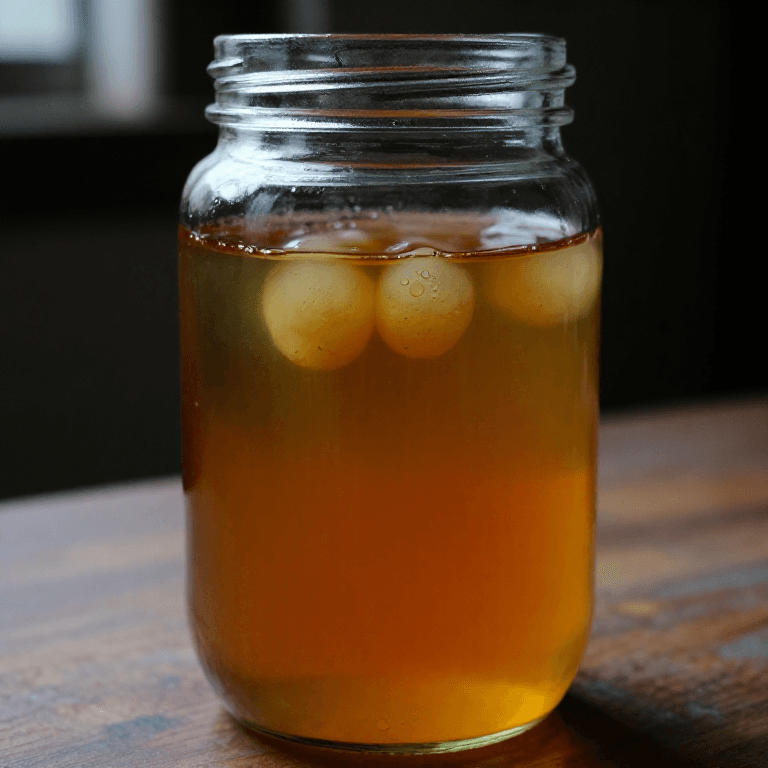
Store an unused mother in a jar of finished vinegar at room temperature — the acid environment keeps it alive but dormant. Some family vinegar mothers have been maintained for over 100 years, passed down through generations. Each mother is genetically unique, with its own particular strain of Acetobacter that produces subtly different flavour characteristics — a living heirloom as personal as a sourdough starter.
Bản thiết kế này làm ra

Blueprint liên quan
Các blueprint này chia sẻ kiến thức — kỹ thuật, vật liệu hoặc nguyên tắc

CC0 Phạm vi công cộng
Bản thiết kế này được phát hành theo CC0. Bạn tự do sao chép, sửa đổi, phân phối và sử dụng cho bất kỳ mục đích nào mà không cần xin phép.
Hỗ trợ nhà sáng tạo bằng cách mua sản phẩm qua bản thiết kế, nơi họ nhận Hoa hồng nhà sáng tạo do nhà bán hàng đặt, hoặc tạo phiên bản mới và kết nối trong bản thiết kế riêng để chia sẻ doanh thu.