NGHỆ THUẬT
LÀM ĐẸP VÀ SỨC KHỎE
THỦ CÔNG
VĂN HÓA VÀ LỊCH SỬ
GIẢI TRÍ
MÔI TRƯỜNG
THỰC PHẨM VÀ ĐỒ UỐNG
KỸ THUẬT NGƯỢC
KHOA HỌC
THỂ THAO
CÔNG NGHỆ
THIẾT BỊ ĐEO
Đã dịch


Sản Xuất Metheglin Rượu Mật Ong Thơm — Rượu Mật Ong Trung Cổ
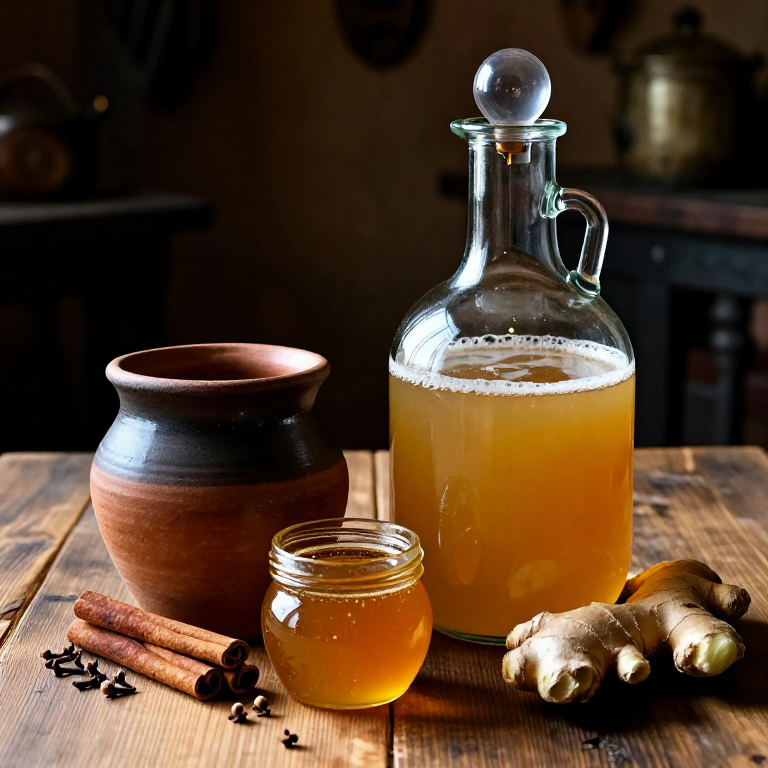
Metheglin là một loại rượu mật ong thơm (rượu mật ong) có nguồn gốc từ truyền thống xứ Wales thời Trung Cổ — tên gọi được lấy từ tiếng xứ Wales meddyglyn, có nghĩa là đồ uống chữa bệnh. Nó được chế tạo bằng cách lên men mật ong và nước với các thảo mộc và gia vị được thêm vào mà người ta tin là có đặc tính y học. Không giống như mulsum (mật ong trộn trong rượu nho), rượu mật ong lên men hoàn toàn từ mật ong. Bản thiết kế này bao gồm việc chế tạo metheglin truyền thống với quế, đinh hương và gừng.
Trung cấp
120-180 phút hoạt động, 4-8 tuần lên men
Hướng dẫn
1
1
Chuẩn Bị Phải (Chất Nêm Lên Men)
Chuẩn Bị Phải (Chất Nêm Lên Men)
Làm nóng 2 lít nước đến khoảng 40 độ Celsius (ấm nhưng không nóng — nhiệt độ cao quá sẽ phá hủy các hương thơm tinh tế trong mật ong và có thể làm caramel hóa đường). Thêm mật ong và khuấy đến khi tan hoàn toàn. Thêm 2 lít nước tươi còn lại để đưa tổng thể tích đến khoảng 4,5 lít. Hỗn hợp nước và mật ong kết quả (phải) phải có trọng lượng riêng khoảng 1.110-1.120, tạo ra rượu mật ong khoảng 12-14 phần trăm cồn sau lên men. Những người sản xuất rượu mật ong thời Trung Cổ không khử trùng phải của họ — các men hoang dã trong mật ong thô góp phần vào lên men. Để có độ tin cậy cao hơn, thực hành hiện đại thêm men rượu nho được nuôi cấy, vượt trội hơn các chủng hoang dã.
Vật liệu cho bước này:
 Mật ong1.5 kg kg
 Nước4 litres lít
Công cụ cần thiết:
 Nồi lớn
2
2
Thêm Gia Vị
Thêm Gia Vị
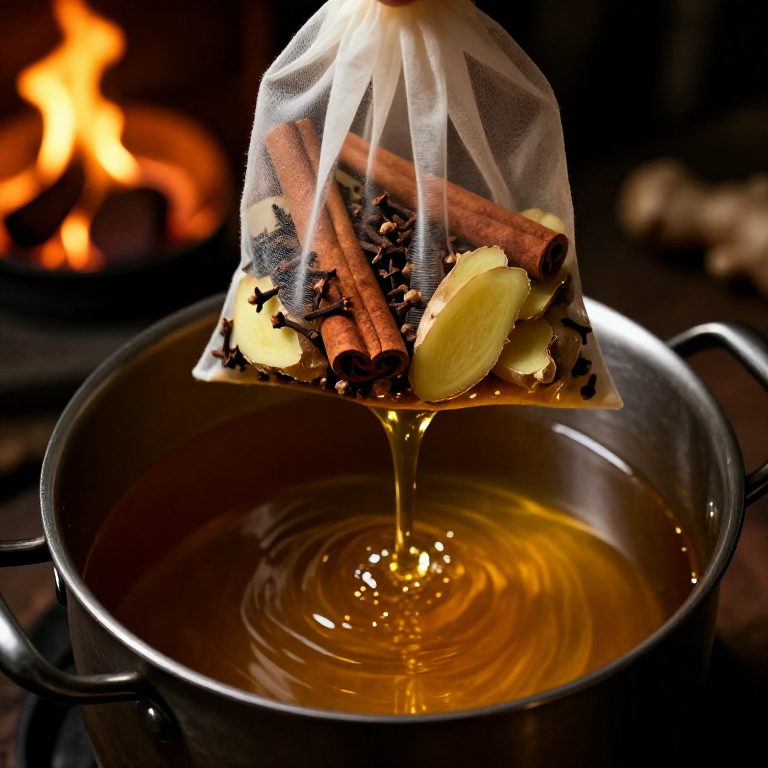
Đặt các que quế, đinh hương nguyên chất và gừng cắt lát vào một túi muslin nhỏ hoặc túi gạc nhỏ được buộc bằng dây (túi gia vị). Ngâm nó trong phải. Gia vị có thể được thêm trực tiếp, nhưng túi sẽ giúp dễ dàng lấy ra khi đạt được cường độ hương vị mong muốn. Các công thức metheglin thời Trung Cổ thay đổi rất nhiều — Luật Hywel Dda thế kỷ 14 đề cập đến những người sản xuất rượu mật ong là những viên chức tòa án được trân trọng, và công thức của họ được bảo vệ cẩn thận. Các gia vị phổ biến của metheglin bao gồm quế, gừng, đinh hương, hạt nhục đậu khấu, cây lam và các loại thảo mộc y học khác nhau. Bắt đầu với lượng khiêm tốn — hương vị của gia vị tăng cường trong các tuần lên men và lão hóa.
Vật liệu cho bước này:
 Thanh quế2 sticks cái
 Đinh hương4-6 cloves cái
 Gừng15-20 grams g
Công cụ cần thiết:
 Vải (để lọc)
3
3
Tiêm Nấm Men và Bắt Đầu Lên Men
Tiêm Nấm Men và Bắt Đầu Lên Men
Làm mát phải đến khoảng 20-22 độ Celsius. Chuyển vào thùng lên men được khử trùng. Thêm chất dinh dưỡng men nếu bạn sử dụng (mật ong thiếu chất dinh dưỡng so với nước ép nho, và lên men có thể dừng lại mà không có nito bổ sung — các nhà sản xuất rượu mật ong thời Trung Cổ vô tình cung cấp chất dinh dưỡng thông qua các tạp chất trong mật ong thô và các chất bổ sung như trái cây hoặc hạt). Rắc men trên bề mặt phải và đặt khóa không khí. Lên men phải bắt đầu trong 24 đến 48 giờ, được nhìn thấy dưới dạng các bong bóng trong khóa. Rượu mật ong lên men chậm hơn bia hoặc rượu do nồng độ đường cao và hàm lượng dinh dưỡng thấp — mong đợi lên men tích cực tiếp tục trong 2 đến 4 tuần.
Vật liệu cho bước này:
 Men rượu vang1 packet (5g) packet
 Dưỡng chất cho men1 teaspoon tsp
Công cụ cần thiết:
 Bình lên men (bình thủy tinh cổ hẹp)
 Chất sát trùng Star San
4
4
Chuyển Dịch và Loại Bỏ Gia Vị
Chuyển Dịch và Loại Bỏ Gia Vị
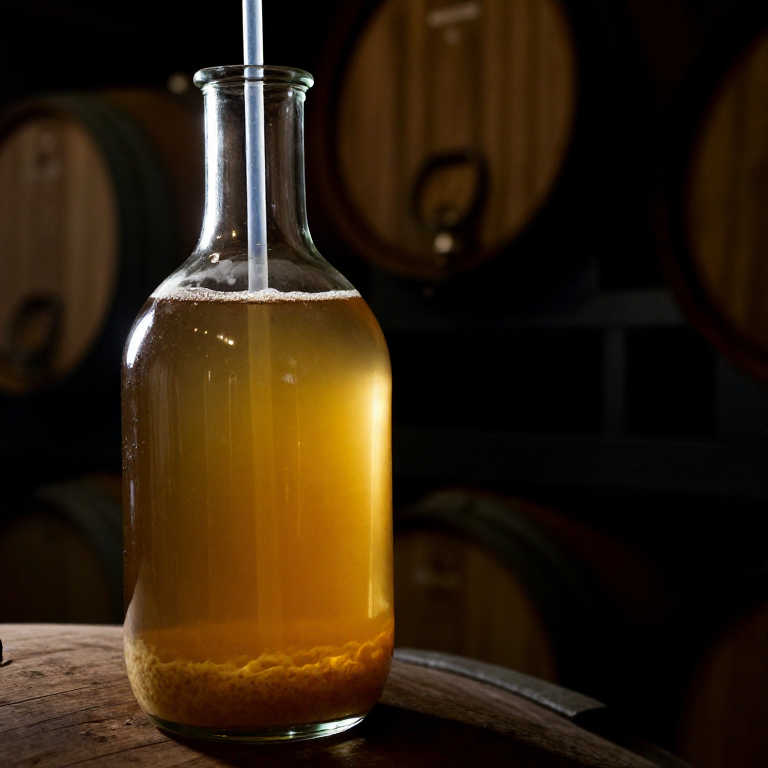
Sau 2 đến 3 tuần, khi nấu sôi tích cực giảm đáng kể, nếm rượu mật ong để đánh giá mức gia vị. Nếu cường độ gia vị đủ, hãy loại bỏ túi gia vị. Nếu cần thêm thời gian, hãy để gia vị trong một tuần nữa. Chuyển dịch (hút bằng ống) rượu mật ong trong suốt từ cặn (chất lắng đọng) ở đáy lò lên men vào thùng thứ cấp sạch, để cặn men. Sự chuyển dịch này làm sáng rượu mật ong và tách nó khỏi các tế bào men chết có thể góp phần gây nên hương vị không dễ chịu. Thay thế khóa không khí và cho phép rượu mật ong tiếp tục điều chỉnh trong thùng thứ cấp trong 4 đến 8 tuần nữa, chuyển dịch lại nếu cặn đáng kể tích tụ.
Công cụ cần thiết:
 Ống xi phông tự động
5
5
Đóng Chai và Lão Hóa
Đóng Chai và Lão Hóa
Khi rượu mật ong trong suốt và không còn tạo bong bóng, nó đã sẵn sàng để đóng chai. Chuyển vào chai sạch, bỏ lại bất kỳ cặn nào còn lại. Nút hoặc đóng chai. Metheglin được hưởng lợi rất lớn từ quá trình lão hóa — mặc dù có thể uống ngay, các hương vị hợp nhất và mềm mại trong 3 đến 6 tháng, và metheglin tuyệt vời tiếp tục cải thiện trong 1 đến 2 năm. Lưu trữ chai ở một nơi mát và tối trên một bên (nếu được nút). Metheglin hoàn thành phải là một chất lỏng vàng hổ phách trong suốt với hồ sơ hương vị phức tạp — độ ngọt của mật ong được cân bằng bởi ấm áp của gừng, độ sâu của quế và cảm giác cắn thơm của đinh hương. Các bác sĩ thời Trung Cổ đã kê đơn metheglin để điều trị các vấn đề tiêu hóa, cảm lạnh và sức sống chung, và nó chiếm vị trí danh dự trên bàn tiệc xứ Wales và Anh trong suốt Trung Cổ.
Công cụ cần thiết:
 Chai bia màu hổ phách
Vật liệu
9- 1.5 kg kgTạm thời
- 4 litres lítTạm thời
- 2 sticks cáiTạm thời
- 4-6 cloves cáiTạm thời
- 15-20 grams gTạm thời
- 1 packet (5g) packetTạm thời
- 1 teaspoon tspTạm thời
- 4-6 cloves cáiTạm thời
- 15-20 grams cáiTạm thời
Công cụ yêu cầu
10- Tạm thời
- Tạm thời
- Tạm thời
- Tạm thời
- Tạm thời
- Tạm thời
- Tạm thời
- Tạm thời
Bản thiết kế này làm ra

CC0 Phạm vi công cộng
Bản thiết kế này được phát hành theo CC0. Bạn tự do sao chép, sửa đổi, phân phối và sử dụng cho bất kỳ mục đích nào mà không cần xin phép.
Hỗ trợ nhà sáng tạo bằng cách mua sản phẩm qua bản thiết kế, nơi họ nhận Hoa hồng nhà sáng tạo do nhà bán hàng đặt, hoặc tạo phiên bản mới và kết nối trong bản thiết kế riêng để chia sẻ doanh thu.