NGHỆ THUẬT
LÀM ĐẸP VÀ SỨC KHỎE
THỦ CÔNG
VĂN HÓA VÀ LỊCH SỬ
GIẢI TRÍ
MÔI TRƯỜNG
THỰC PHẨM VÀ ĐỒ UỐNG
KỸ THUẬT NGƯỢC
KHOA HỌC
THỂ THAO
CÔNG NGHỆ
THIẾT BỊ ĐEO
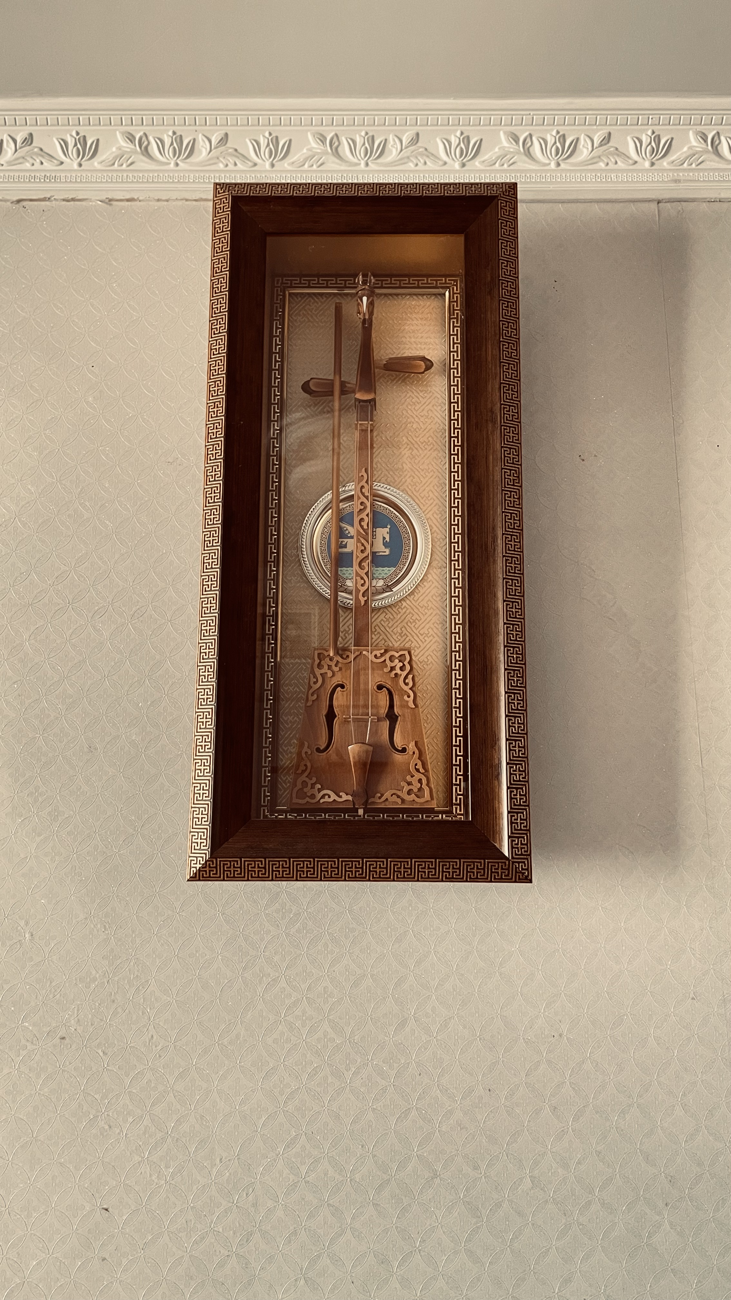


Building a Morin Khuur — The Mongolian Horse-Head Fiddle
Build a morin khuur: Mongolia's upright two-string bowed fiddle, crowned with a carved horse's head. Its two strings and its bow are all made of horsehair, over a hide-faced box, with no fingerboard — you stop the strings from the side and slide like a horse's whinny. A serious maker build in the bowed string and the horsehair voice of the steppe.
Trung cấp
Several hours over a few sessions
Hướng dẫn
1
1
The voice of the steppe
The voice of the steppe
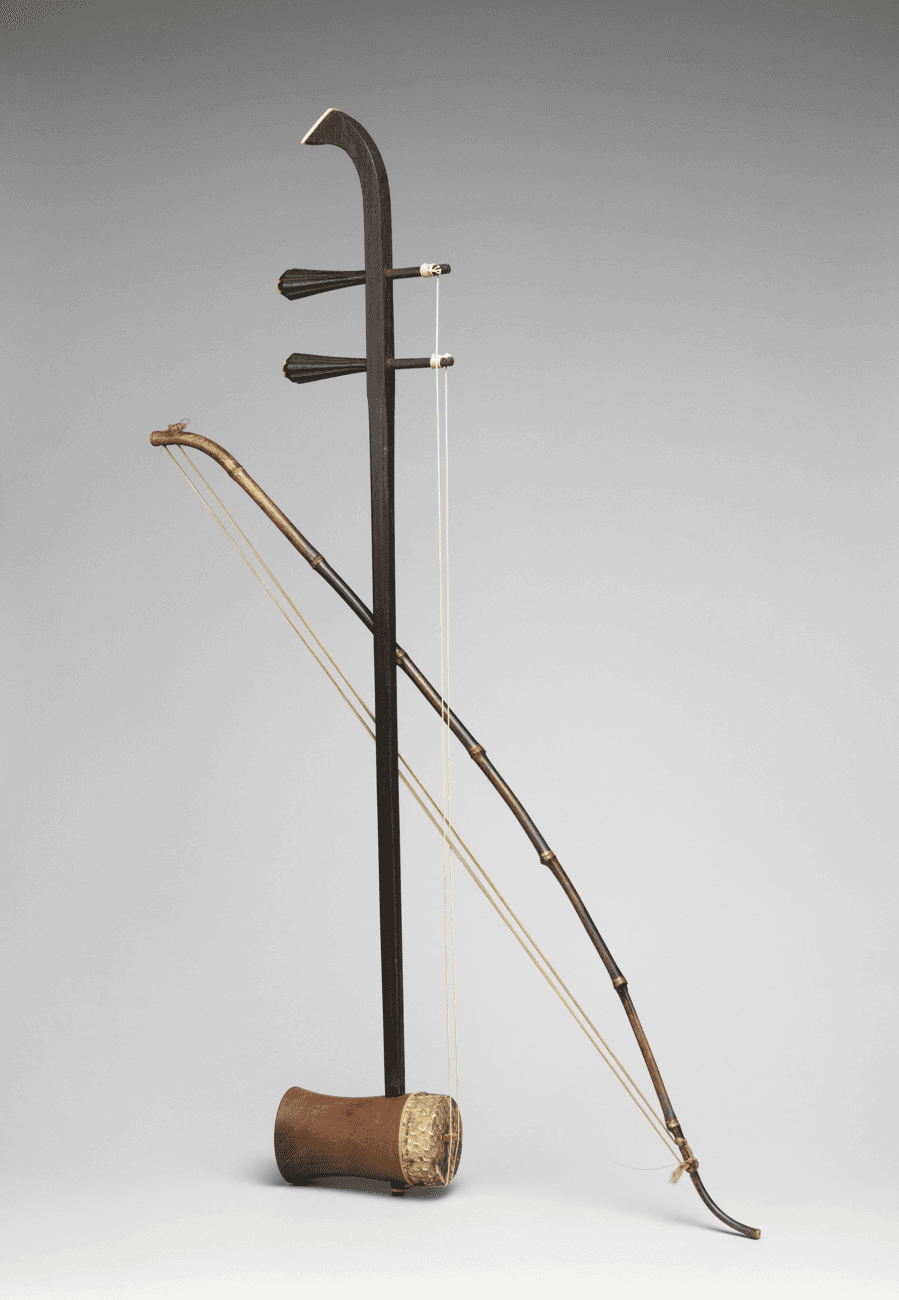
The morin khuur is Mongolia's horse-head fiddle: an upright two-string bowed fiddle whose strings and bow are all horsehair, over a hide-faced box, topped with a carved horse's head.
2
2
Build the sound-box
Build the sound-box
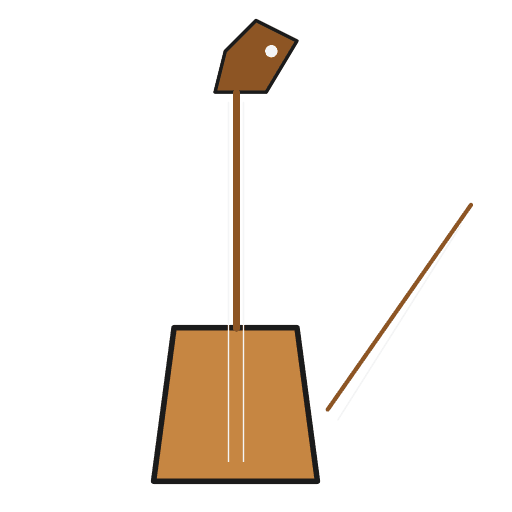
Build a trapezoidal wooden box, a little wider at the bottom than the top, for the sound-body. Leave the front open to take the skin.
Vật liệu cho bước này:
 Ván ép bạch dương Baltic1 cái
 Keo gỗ PVA1 cái
Công cụ cần thiết:
 Cưa sắt
3
3
Face the front with hide
Face the front with hide
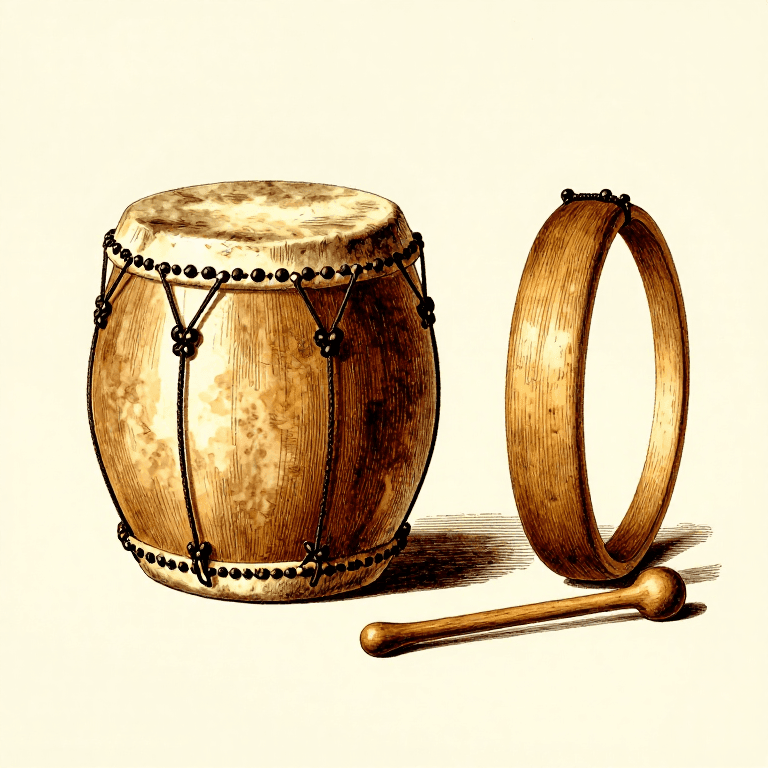
Soak rawhide and stretch it drum-tight over the open front of the box, glue and lash it, and let it dry hard. This skin radiates the sound like a drumhead. (A thin wooden soundboard also works.)
Vật liệu cho bước này:
 Da sống1 cáiKeo gỗ PVA1 cái
4
4
Fit the neck
Fit the neck
Fix a long neck rising straight up from the top of the box, tall enough to hold the strings clear of the skin.
Vật liệu cho bước này:
 Thanh chốt gỗ1 cáiKeo gỗ PVA1 cái
5
5
Carve the horse's head
Carve the horse's head
Carve a horse's head at the very top of the neck. This emblem gives the instrument its name and, the herders say, its spirit.
Công cụ cần thiết:
 Dao khắc sloyd
6
6
Fit two tuning pegs
Fit two tuning pegs
Bore two holes in the neck just below the head and fit a friction tuning peg into each.
Vật liệu cho bước này:
 Trục lên dây2 cái
Công cụ cần thiết:
 Dùi
Dùi7
7
Twist the horsehair strings
Twist the horsehair strings
Each string is a whole BUNDLE of horsehair twisted together — a thicker bundle of about 130 hairs for the low string, a thinner one of about 105 for the high string.
Vật liệu cho bước này:
 Lông vĩ (lông đuôi ngựa)1 cái
8
8
String it over a bridge
String it over a bridge
Carve a small bridge and stand it on the middle of the hide. Tie each horsehair string at the base, run it up over the bridge, and wind it onto a peg.
Công cụ cần thiết:
Dao khắc sloyd9
9
Tune the two strings
Tune the two strings
Tune the two strings a fourth or a fifth apart. Twist the pegs slowly — horsehair strings stretch, so give them time to settle.
10
10
Make the bow
Make the bow
String a springy stick with a ribbon of horsehair to make the bow, and rub it well with pine rosin so it grips.
Vật liệu cho bước này:
 Cành cong (làm cung)1 cáiLông vĩ (lông đuôi ngựa)1 cái
11
11
Bow and side-stop
Bow and side-stop
Hold the fiddle upright on your lap and draw the bow across a string. There is no fingerboard: stop the strings from the SIDE with your fingertips and nails, sliding to bend the note.
12
12
Make it whinny
Make it whinny
Slide smoothly between notes and let the horsehair-on-horsehair rasp sing. The morin khuur is famous for imitating a horse's neigh and carrying Mongolian long-song.
13
13
Compendium — horsehair, hide and the steppe
Compendium — horsehair, hide and the steppe
The morin khuur is a bowed fiddle, so it sings by the same stick-slip friction as the erhu and the violin: the rosined bow grabs a string, drags it until its tension tears it free, and the string snaps back to be caught again hundreds of times a second — the Helmholtz motion that keeps a bowed note singing for as long as you draw the bow. But almost everything about this fiddle is made of horse. Its two strings are not gut or metal but whole bundles of horsehair twisted together — roughly 130 hairs for the thick 'male' string and 105 for the thin 'female' one — and the bow is horsehair too, so hair bows against hair, giving the morin khuur its soft, breathy, whinnying tone. The sound-box is traditionally faced with stretched hide that radiates the strings' vibration like a drumhead, though many modern makers now use a thin wooden soundboard. And there is no fingerboard: the player stops the strings from the side, with fingertips and nails, so the pitch slides smoothly — which is why the morin khuur can imitate a horse's neigh and carry the long, gliding notes of Mongolian long-song and throat-singing. Its close cousin is the Chinese erhu, and its wider family is the spike-fiddles of the whole Eurasian steppe. Named for the carved horse's head that crowns it, the morin khuur is a national emblem of Mongolia, recognised by UNESCO as a masterpiece of humanity's living heritage.
Vật liệu
7- Tạm thời
- 1 cáiTạm thời
- 1 cáiTạm thời
- 1 cáiTạm thời
- 2 cáiTạm thời
- Tạm thời
- 1 cáiTạm thời
Bản thiết kế này làm ra
Blueprint liên quan
Các blueprint này chia sẻ kiến thức — kỹ thuật, vật liệu hoặc nguyên tắc

CC0 Phạm vi công cộng
Bản thiết kế này được phát hành theo CC0. Bạn tự do sao chép, sửa đổi, phân phối và sử dụng cho bất kỳ mục đích nào mà không cần xin phép.
Hỗ trợ nhà sáng tạo bằng cách mua sản phẩm qua bản thiết kế, nơi họ nhận Hoa hồng nhà sáng tạo do nhà bán hàng đặt, hoặc tạo phiên bản mới và kết nối trong bản thiết kế riêng để chia sẻ doanh thu.