NGHỆ THUẬT
LÀM ĐẸP VÀ SỨC KHỎE
THỦ CÔNG
VĂN HÓA VÀ LỊCH SỬ
GIẢI TRÍ
MÔI TRƯỜNG
THỰC PHẨM VÀ ĐỒ UỐNG
KỸ THUẬT NGƯỢC
KHOA HỌC
THỂ THAO
CÔNG NGHỆ
THIẾT BỊ ĐEO
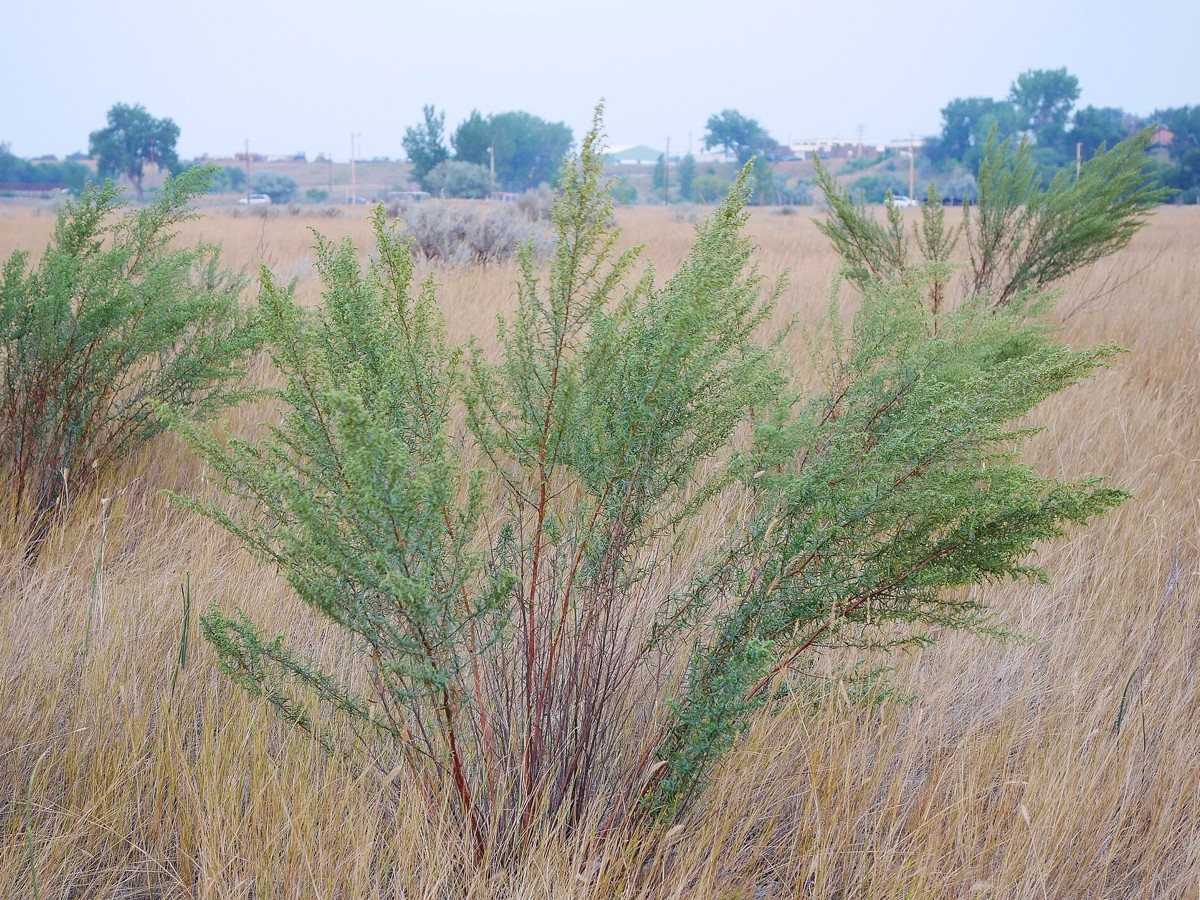


Mugwort Leaves and Tops: Wild Tarragon Cut in Flower, Hung Top Downward to Dry (Densmore, 1928; Britton & Brown, 1913)
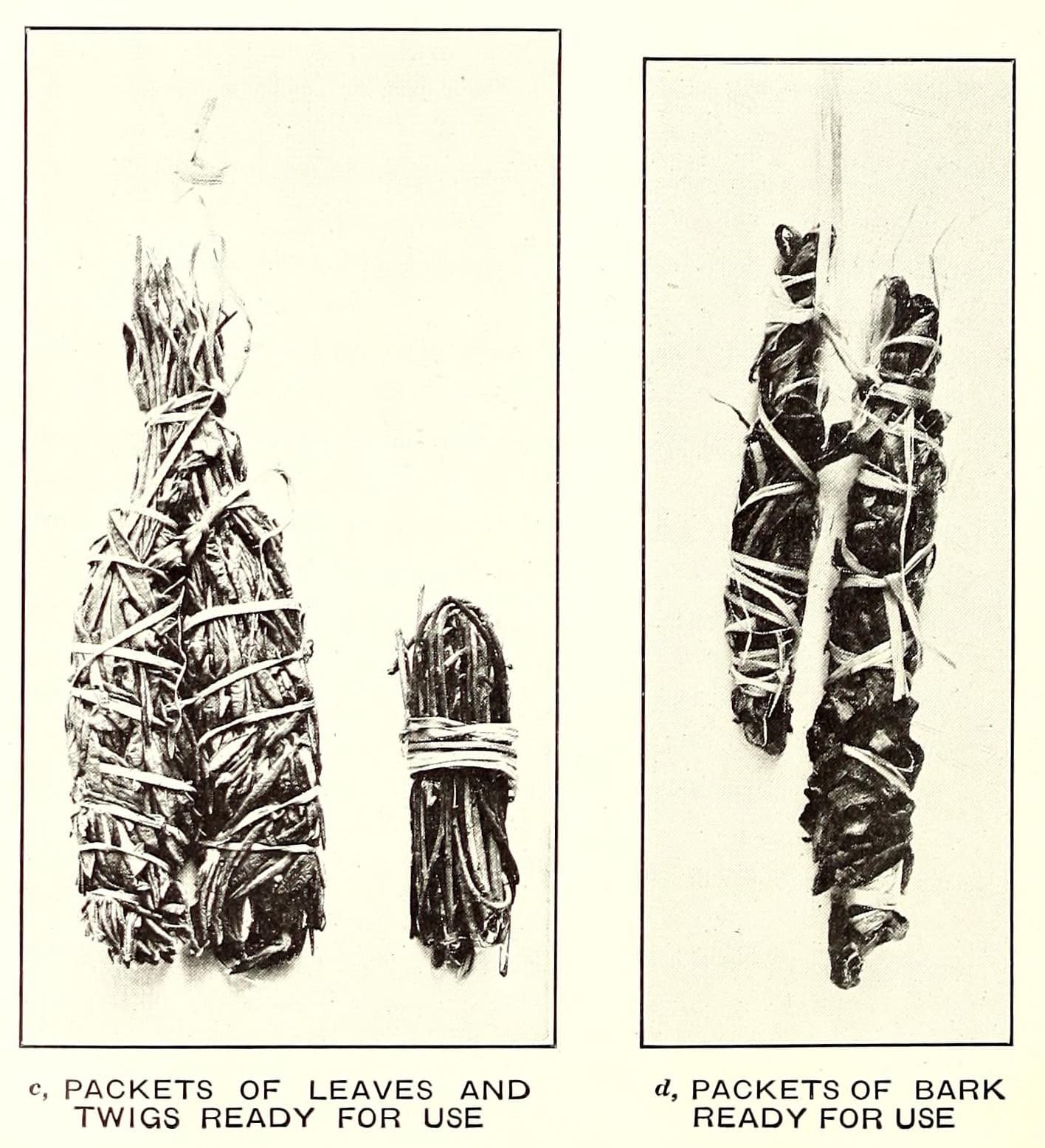
The leaves and flowering tops of the plant Densmore called mugwort, Artemisia dracunculoides (today included in tarragon, Artemisia dracunculus), as the Chippewa kept them: cut in flower, hung top downward to dry, kept clean and wrapped. Densmore records them dried and steeped for chronic dysentery.
Cơ bản
An hour to cut, one to two weeks to dry
Hướng dẫn
1
1
Tarragon
Tarragon
Garden tarragon, the same species, here grown and cut (Grow Plants).
2
2
Know the plant
Know the plant
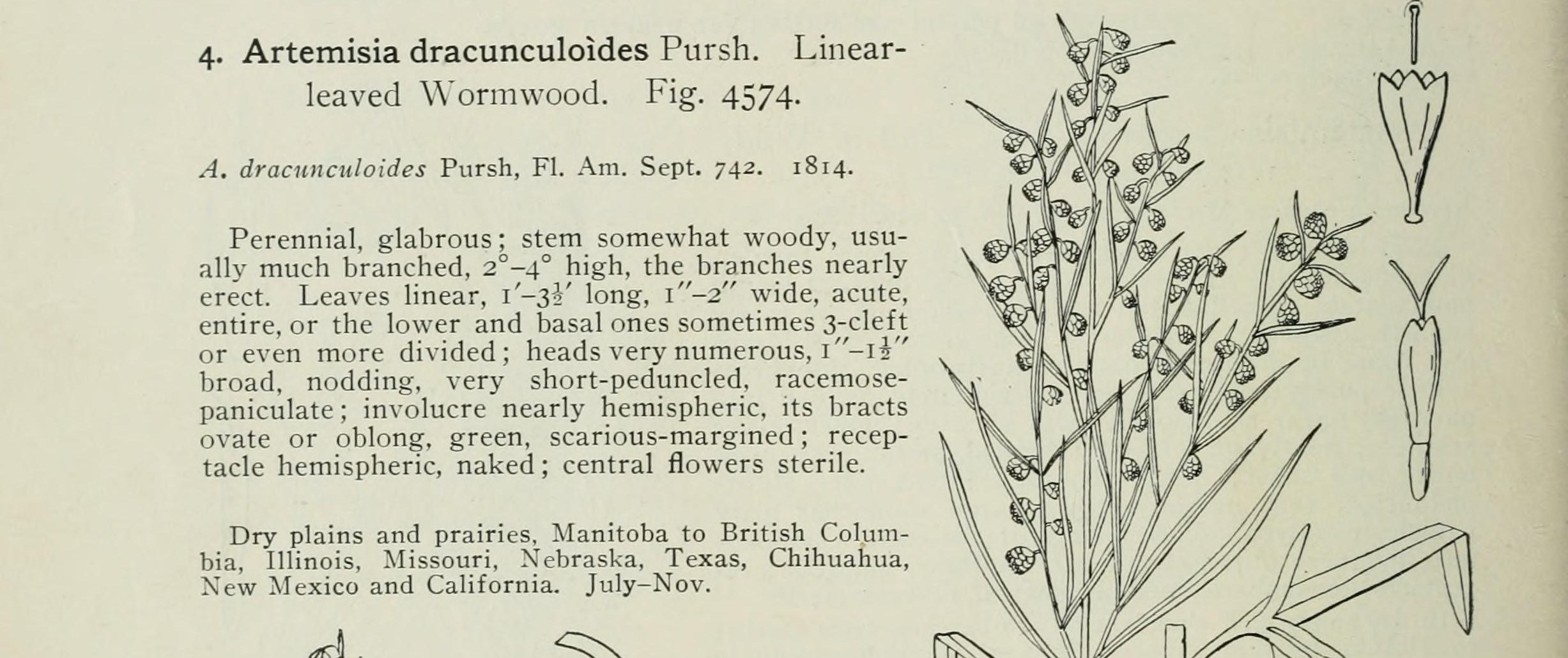
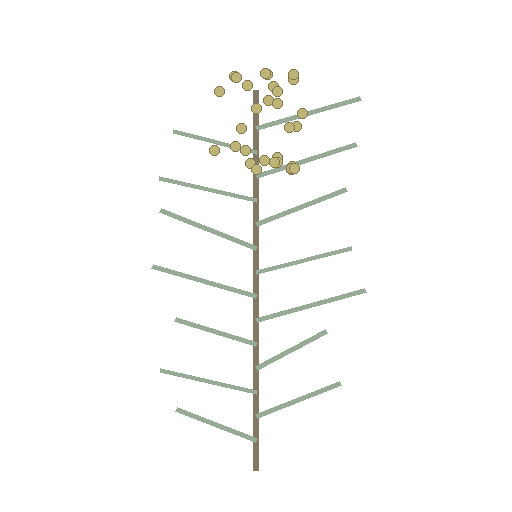
Britton and Brown (1913, vol. III, p. 524), Artemisia dracunculoides, Linear-leaved Wormwood: perennial, smooth, the stem somewhat woody and much branched, 2 to 4 feet; leaves linear, 1 to 3½ inches long, entire, the lower ones sometimes three-cleft; very many small nodding flower heads in a long branched cluster; dry plains and prairies, July-November. Kew's Plants of the World Online treats the name as a synonym of tarragon, Artemisia dracunculus.
3
3
What the tops are for
What the tops are for
Densmore (1928, pp. 344-345), for dysentery: mugwort, "(flowering plant)", part used "Leaves and top", "Dried and steeped", taken internally. "This was used for chronic dysentery."

4
4
Cut the tops
Cut the tops
Densmore's remedy uses the flowering plant: cut the leafy tops when the heads are in flower, from July on (Britton and Brown), leaving the woody base (ours).
Công cụ cần thiết:
 Dao
5
5
Hang top downward to dry
Hang top downward to dry
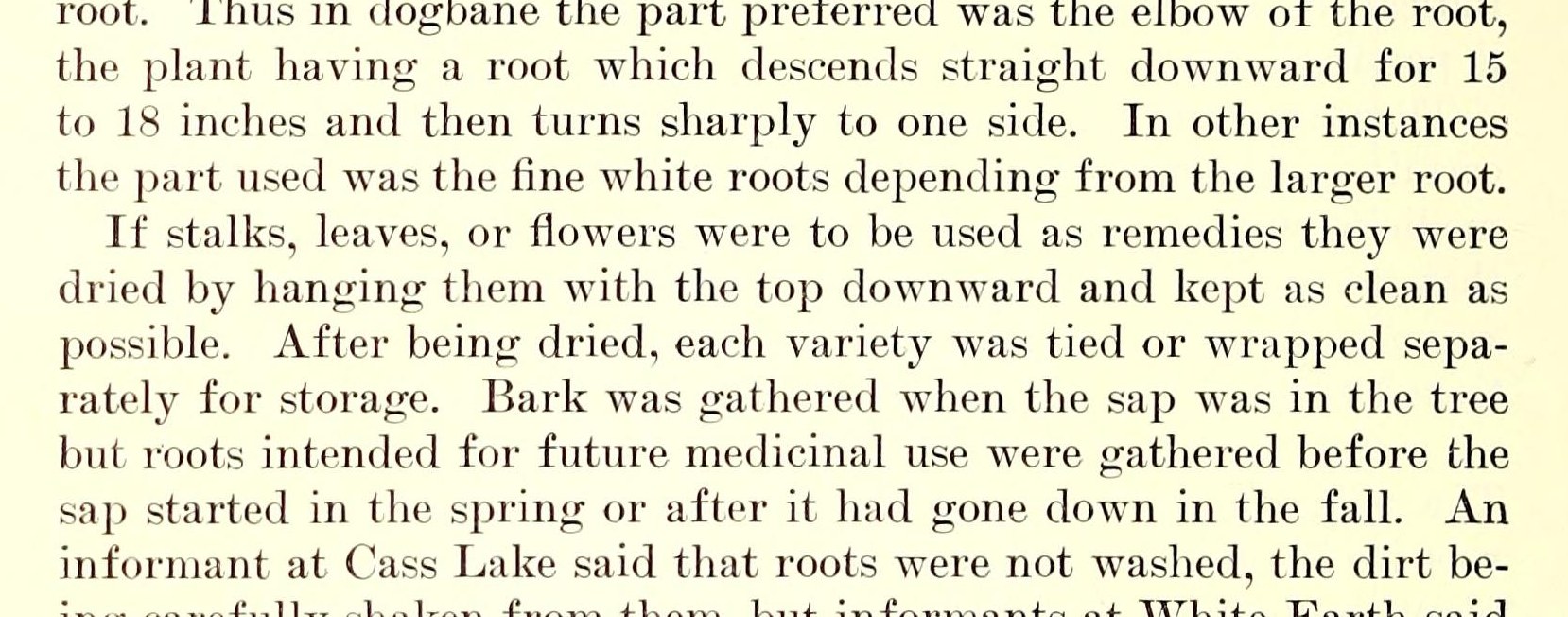
Densmore (p. 326): stalks, leaves and flowers "were dried by hanging them with the top downward and kept as clean as possible." Tie small bunches and hang them in a dry, airy place (ours).
Công cụ cần thiết:
 Dây bông
6
6
Wrap separately and bag
Wrap separately and bag
"After being dried, each variety was tied or wrapped separately for storage" (p. 326). Keep the bundles in a bag.
Công cụ cần thiết:
Dây bông Túi vải lanh
7
7
Prepare for use
Prepare for use
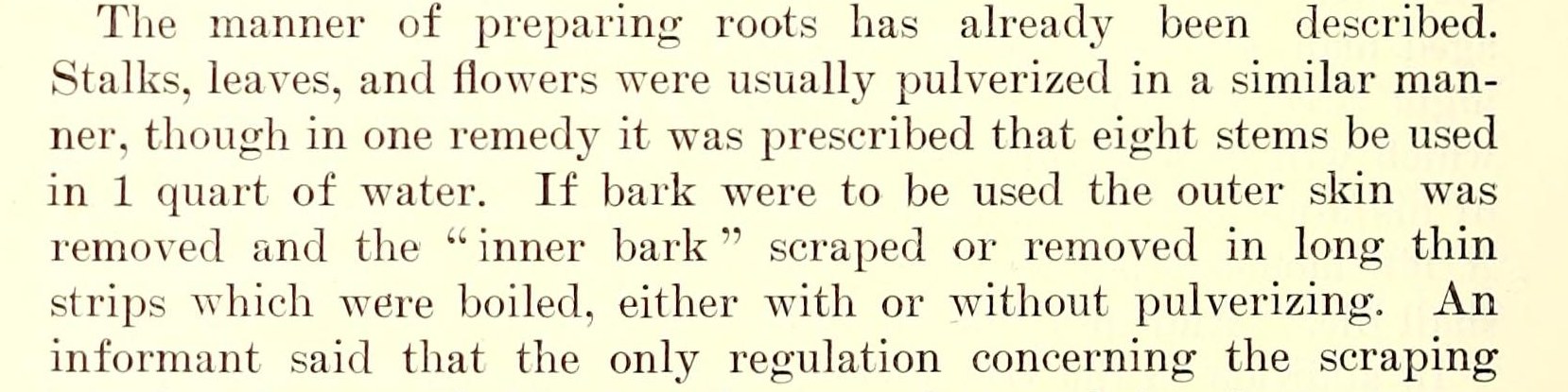
Densmore (p. 328): "Stalks, leaves, and flowers were usually pulverized" like roots; a mortar works too (ours).
Công cụ cần thiết:
 Cối và chày
8
8
Troubleshooting
Troubleshooting
Problems and fixes.
Flow
Loading...
9
9
Sources and honest limits
Sources and honest limits
Frances Densmore, Uses of Plants by the Chippewa Indians (1928), pp. 326, 328 and 344-345; N. L. Britton and A. Brown, An Illustrated Flora of the Northern United States, vol. III (1913), p. 524; Plants of the World Online (Kew), Artemisia dracunculoides Pursh. The knife, drying screen, twine and mortar are ours. Be sure of the plant before cutting, and take only where it is plentiful and allowed. The cover shows wild tarragon on the prairie in north-east Montana (Thayne Tuason, CC BY-SA 4.0, Wikimedia Commons). Not made by us yet.
Vật liệu bản thiết kế liên kết
Bản thiết kế này làm ra
CC0 Phạm vi công cộng
Bản thiết kế này được phát hành theo CC0. Bạn tự do sao chép, sửa đổi, phân phối và sử dụng cho bất kỳ mục đích nào mà không cần xin phép.
Hỗ trợ nhà sáng tạo bằng cách mua sản phẩm qua bản thiết kế, nơi họ nhận Hoa hồng nhà sáng tạo do nhà bán hàng đặt, hoặc tạo phiên bản mới và kết nối trong bản thiết kế riêng để chia sẻ doanh thu.