NGHỆ THUẬT
LÀM ĐẸP VÀ SỨC KHỎE
THỦ CÔNG
VĂN HÓA VÀ LỊCH SỬ
GIẢI TRÍ
MÔI TRƯỜNG
THỰC PHẨM VÀ ĐỒ UỐNG
KỸ THUẬT NGƯỢC
KHOA HỌC
THỂ THAO
CÔNG NGHỆ
THIẾT BỊ ĐEO
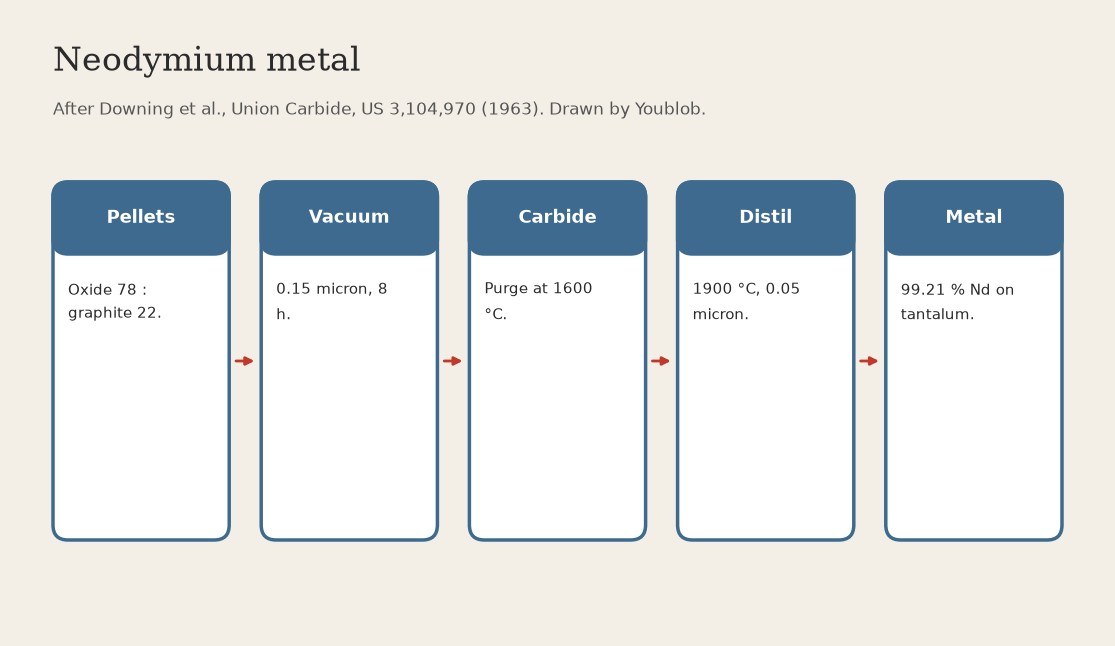


Neodymium Metal: Oxide Reduced by Graphite in Vacuum, Distilled at 1900 °C onto Tantalum (Downing, Union Carbide, US 3,104,970)
Carbon cannot pull neodymium out of its oxide in an ordinary furnace. In a hard vacuum it can: the oxide and graphite turn into neodymium carbide, and at 1900 °C the neodymium itself boils off and condenses as metal on a cool tantalum plate.
Result: neodymium metal, 99.21 % Nd and 0.83 % carbon in Union Carbide's run.
Source: Downing, Gorski and Koerner, US 3,104,970 (Union Carbide, 1963), Example II. That example starts from a samarium-neodymium mixture; using it for pure neodymium oxide is ours. Picture drawn by Youblob.
Nâng cao
2 days
Hướng dẫn
1
1
Mix with graphite and pelletise
Mix with graphite and pelletise
Mix the oxide intimately with powdered graphite (Example II: 78 % oxides to 22 % graphite by weight, 1.8 % carbon over theory; the patent allows 1-15 %, prefers 5-10 %), particles under about 50 microns, and press into 0.75 in pellets.
Vật liệu cho bước này:
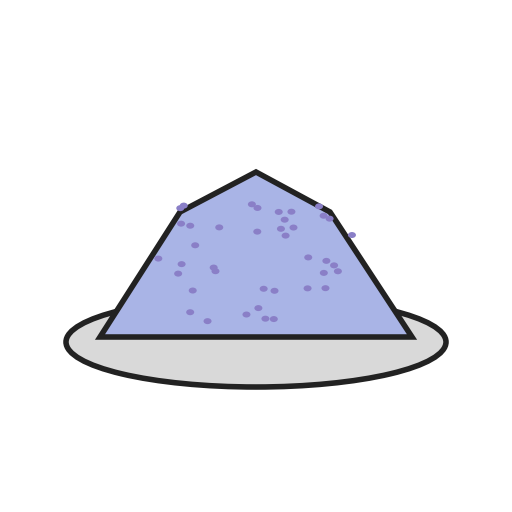 Neodymi oxit78 parts
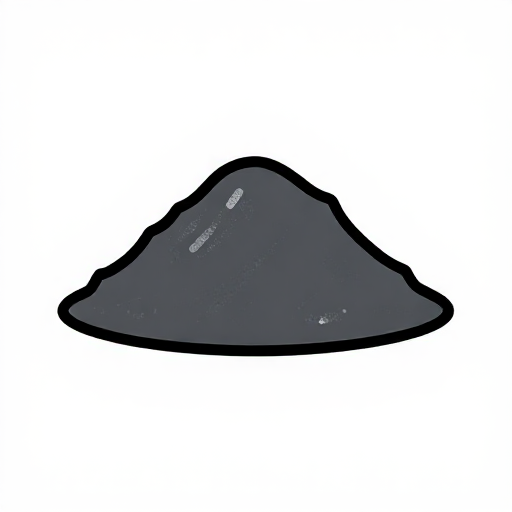 Bột than chì22 parts
Công cụ cần thiết:
 Cân hai đĩa
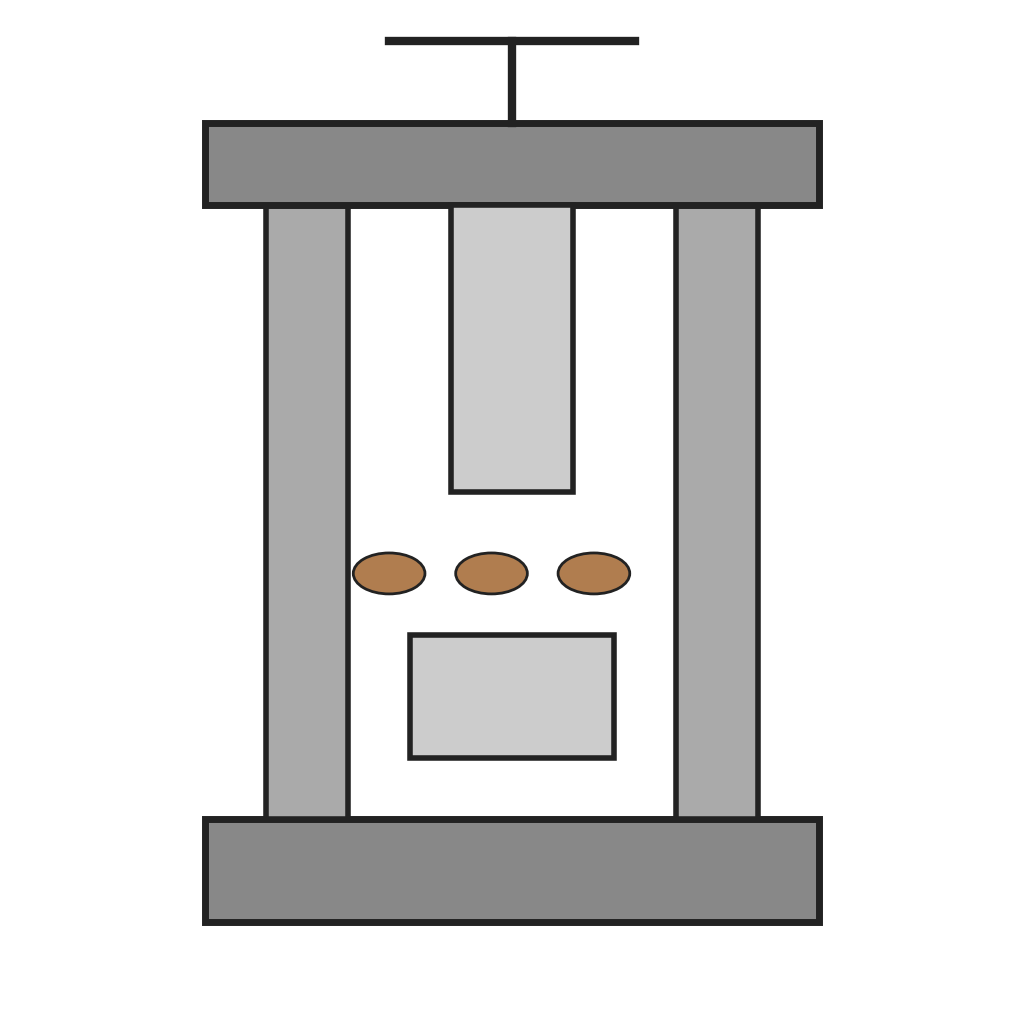 Máy ép viên
2
2
Reduce in vacuum to the carbide
Reduce in vacuum to the carbide
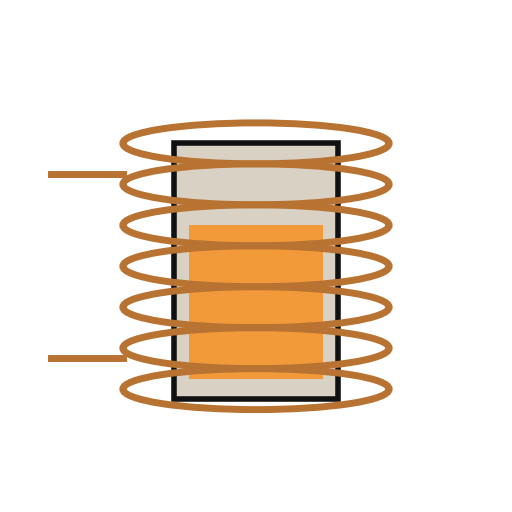
Heat the pellets in a vacuum induction furnace at 0.15 micron for about 8 hours. The example's temperature is printed "1700-1700 °C"; claim 5 gives about 1920 °C for about 16 hours. Volatile matter goes to a graphite condenser; the neodymium stays behind as carbide.
Công cụ cần thiết:
 Lò cảm ứng
 Bơm chân không
 Chén nung graphit
3
3
Purge at 1600 °C
Purge at 1600 °C
Reheat the carbide residue in a carbon crucible at 1600 °C and 0.05 micron for 1 hour (in the example this drove off the last samarium). The residue is substantially pure neodymium carbide.
Công cụ cần thiết:
Lò cảm ứngBơm chân khôngChén nung graphit4
4
Distil the metal at 1900 °C onto tantalum
Distil the metal at 1900 °C onto tantalum
Heat it in a graphite crucible to 1900 °C at 0.05 micron for 3 hours. Neodymium boils off and condenses on a tantalum plate, which barely alloys with it: 99.21 % neodymium, 0.83 % carbon.
Công cụ cần thiết:
Lò cảm ứngBơm chân khôngChén nung graphit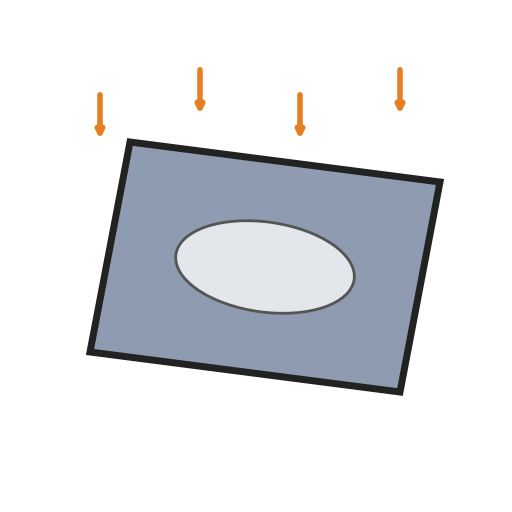 Tấm ngưng tụ tantal
Vật liệu
2- 78 partsTạm thời
- 22 partsTạm thời
Công cụ yêu cầu
6- Tạm thời
- Tạm thời
- Tạm thời
- 1 vendor sell this, none ship to you yetTạm thời
- Tạm thời
- Tạm thời
Bản thiết kế này làm ra
Blueprint liên quan
Các blueprint này chia sẻ kiến thức — kỹ thuật, vật liệu hoặc nguyên tắc
CC0 Phạm vi công cộng
Bản thiết kế này được phát hành theo CC0. Bạn tự do sao chép, sửa đổi, phân phối và sử dụng cho bất kỳ mục đích nào mà không cần xin phép.
Hỗ trợ nhà sáng tạo bằng cách mua sản phẩm qua bản thiết kế, nơi họ nhận Hoa hồng nhà sáng tạo do nhà bán hàng đặt, hoặc tạo phiên bản mới và kết nối trong bản thiết kế riêng để chia sẻ doanh thu.