

Parsons Steam Turbine
Hướng dẫn
One stage cannot do it
One stage cannot do it
See the problem Parsons solved before seeing his solution.
- Fit a single row of vanes on a shaft and drive it with a jet of air.
- Note it spins fast but takes only a fraction of the energy from the stream.
- Air leaves at high speed — that leftover speed is wasted energy.
Vật liệu cho bước này:
 Ván ép bạch dương Baltic1 gói
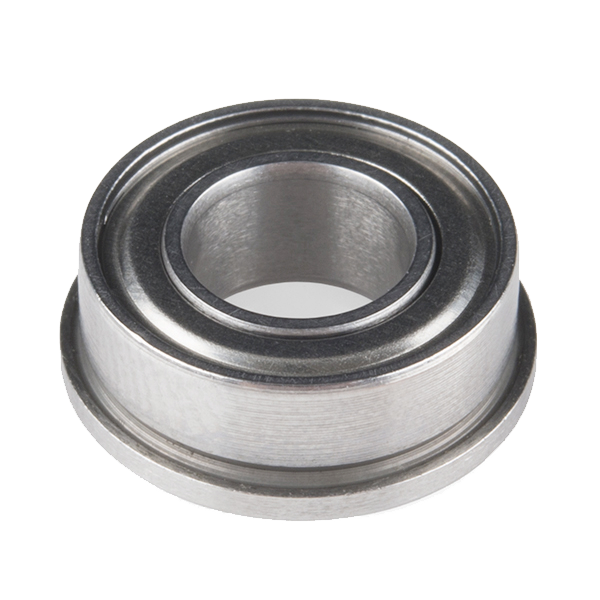 Ball Bearing - Flanged (6,35 mm Bore, 1,27 cm OD)2 cái
Stage it
Stage it
Take a little energy many times instead of all of it once.
- Mount several rotor rows along one shaft.
- Between each pair, fix a row of stationary vanes attached to the casing.
- Angle the fixed rows to redirect the flow into the next moving row.
Let the blades grow
Let the blades grow
Steam expands as it gives up pressure, so it needs more room at every stage.
- Make each successive rotor row larger in blade height than the last.
- Widen the casing to match.
Run it and measure
Run it and measure
Drive it with compressed air — never with steam on a model.
- Feed air through the first stage at steady pressure.
- Count rotor speed with a marked blade and a timer, or a tachometer.
- Load the shaft by lifting a small mass and measure the work done per second.
Vật liệu cho bước này:
 Đồng hồ bấm giờ1 cái
 Cân nhà bếp điện tử1 cái
History and context
History and context
Charles Algernon Parsons, youngest son of the Earl of Rosse, built his first multi-stage reaction turbine in 1884 while a junior partner at Clarke, Chapman on Tyneside. It produced about 7.5 kW at 18,000 rpm driving a dynamo he also had to design, because no existing generator could run at that speed.
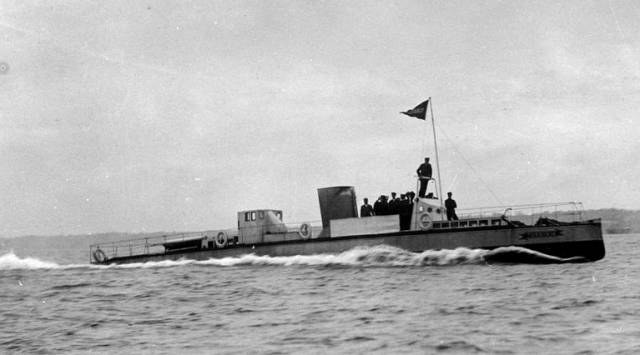
The Turbinia demonstration in 1897 is the most famous piece of engineering publicity of the century. Parsons could not get the Admiralty to take turbines seriously, so he built a 30-metre launch, fitted it with turbines driving three shafts with three propellers each, and drove it uninvited through the lines at Queen Victoria's Diamond Jubilee fleet review at Spithead. At about 34 knots she outran the picket boat sent to stop her. The Royal Navy ordered turbine destroyers shortly afterwards.
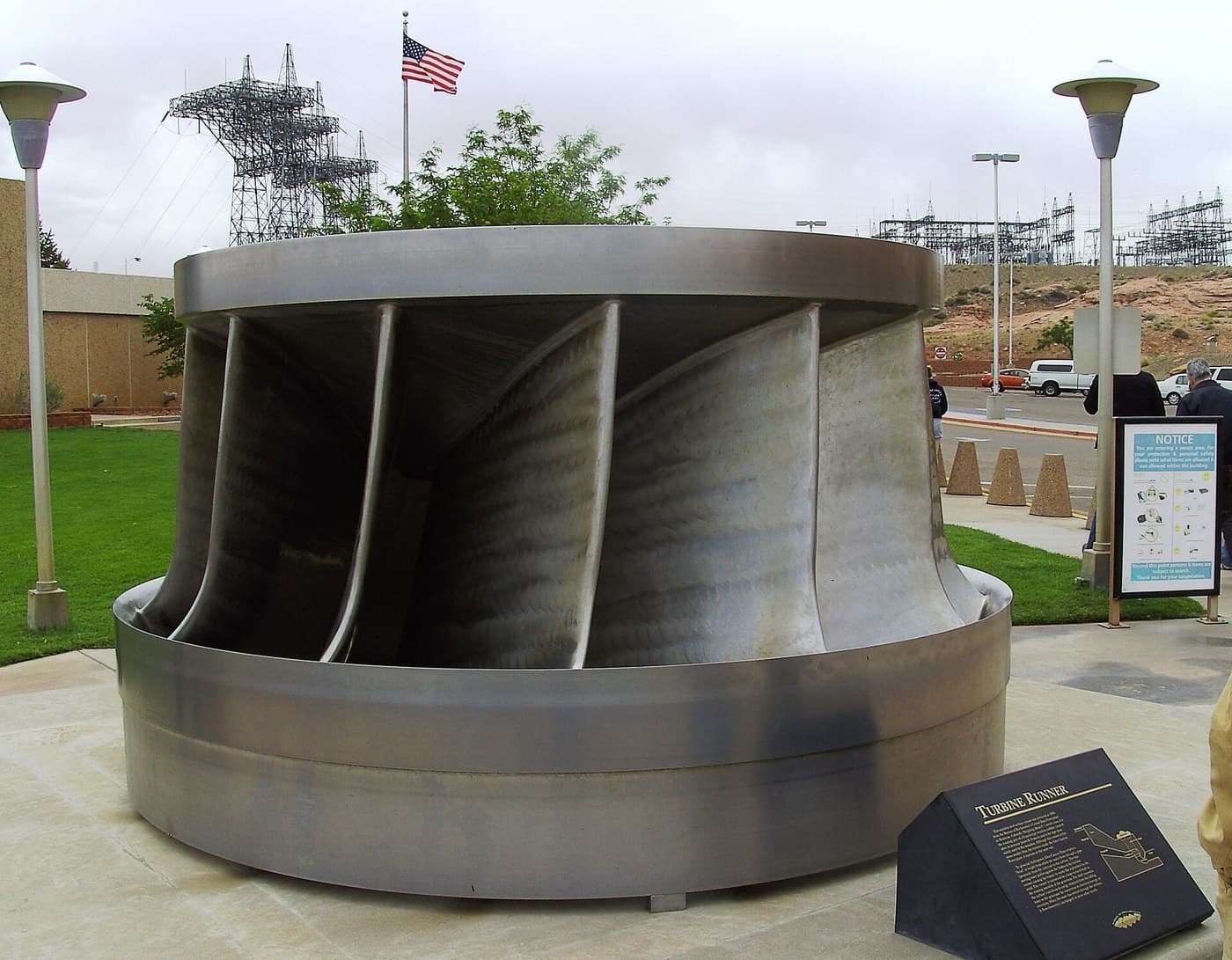
The propeller problem he had to solve first is a good example of an unexpected obstacle. Early Turbinia trials were badly disappointing because the propellers were cavitating — water vaporising on the blade faces and destroying thrust. Parsons built an early cavitation-observation apparatus to study it and fixed the problem by using more propellers of smaller pitch. The same phenomenon damages water turbine runners.
Where it went: turbines took over power generation because they scale up far better than piston engines and deliver smooth rotary motion straight to a generator. Almost all coal, gas, nuclear, geothermal and concentrated-solar electricity is generated by putting steam through a machine descended from the 1884 turbine. In ships, gearing solved the mismatch between fast turbines and slow propellers, and Parsons developed that too.
Vật liệu
4- Tạm thời
- 2 cái$2.44
- 1 cáiTạm thời
- 1 cáiTạm thời
Blueprint liên quan
Các blueprint này chia sẻ kiến thức — kỹ thuật, vật liệu hoặc nguyên tắc


CC0 Phạm vi công cộng
Bản thiết kế này được phát hành theo CC0. Bạn tự do sao chép, sửa đổi, phân phối và sử dụng cho bất kỳ mục đích nào mà không cần xin phép.
Hỗ trợ nhà sáng tạo bằng cách mua sản phẩm qua bản thiết kế, nơi họ nhận Hoa hồng nhà sáng tạo do nhà bán hàng đặt, hoặc tạo phiên bản mới và kết nối trong bản thiết kế riêng để chia sẻ doanh thu.