NGHỆ THUẬT
LÀM ĐẸP VÀ SỨC KHỎE
THỦ CÔNG
VĂN HÓA VÀ LỊCH SỬ
GIẢI TRÍ
MÔI TRƯỜNG
THỰC PHẨM VÀ ĐỒ UỐNG
KỸ THUẬT NGƯỢC
KHOA HỌC
THỂ THAO
CÔNG NGHỆ
THIẾT BỊ ĐEO



Making a Conch Shell Trumpet — A Natural Lip-Reed Horn
Cut the tip off a large conch shell, smooth the hole, and buzz your lips into it to blast a deep note that leaps up the harmonic series. A simple, buildable school project in how a natural trumpet works — the same lip-reed physics as a bugle, shofar or Andean pututu.
Cơ bản
30 minutes
Hướng dẫn
1
1
A shell that sings
A shell that sings
A conch trumpet is a natural horn: buzz your lips into a hole cut in a big sea shell and the whole shell rings out with a deep, carrying blast.
2
2
Choose a large shell
Choose a large shell
Find a large conch or whelk shell with a solid, pointed spire at the tip and a wide opening at the other end.
Vật liệu cho bước này:
 Vỏ ốc tù và (lớn)1 cái
3
3
Mark the blow hole
Mark the blow hole
Mark a spot on the pointed spire about 2 to 3 cm from the very tip, where the shell wall is thick and strong.
4
4
Cut off the tip
Cut off the tip
Saw straight across the spire at your mark, opening a hole through into the hollow inside the shell.
Công cụ cần thiết:
 Cưa sắt
5
5
Smooth the mouth hole
Smooth the mouth hole
File the cut edge smooth and slightly rounded, so it is comfortable and seals well against your lips.
Công cụ cần thiết:
 Giũa kim loại
6
6
Clear the bore
Clear the bore
Make sure the hole opens right through the inner whorls into the shell's big cavity. File away any inner wall that blocks the air path.
Công cụ cần thiết:
Giũa kim loại7
7
Add a wax rim (optional)
Add a wax rim (optional)
Press a small ring of beeswax around the hole to form a smooth mouthpiece that seals neatly against your lips.
Vật liệu cho bước này:
 Sáp ong dạng hạt1 cái
8
8
Buzz your lips
Buzz your lips
Press your lips to the hole and buzz them, like blowing a raspberry. The shell turns that buzz into a loud, deep note.
9
9
Find the lowest note
Find the lowest note
Buzz slowly with loose, relaxed lips to find the fullest, lowest note the shell naturally wants to sound.
10
10
Climb the harmonic series
Climb the harmonic series
Now buzz faster with tighter lips. The note jumps UP in steps rather than sliding, because a plain horn can only play the harmonic series.
11
11
Bend the note by hand
Bend the note by hand
Slide a hand into the wide opening to muffle and lower the note a little — the same trick horn players use to shade their sound.
12
12
Compendium — how a shell becomes a trumpet
Compendium — how a shell becomes a trumpet
A conch trumpet is a lip-reed instrument, the ancestor of the whole brass family. There is no string, reed or whistle edge — the sound source is your own lips, buzzing open and shut many times a second like a tiny valve. The hollow, roughly conical shell is a resonator that only reinforces certain frequencies: the harmonic series, meaning a fundamental note and whole-number multiples of it. That is why you cannot slide smoothly between notes — a valveless natural horn can only leap between the notes of that series, exactly like a bugle. Which harmonic you sound depends on how fast your lips buzz, which you set with lip tension, so you 'change notes' by tightening or loosening your lips rather than by covering holes. Cupping a hand in the bell shortens and shades the air column to bend the pitch. Natural trumpets are ancient and worldwide — the Indian shankha, the Andean pututu, Pacific and Mesoamerican conch horns, and the animal-horn shofar and war-horns all work the same way. Add valves or a slide many centuries later and this same idea becomes the trumpet and trombone.
Vật liệu
2- 1 cáiTạm thời
- 1 cáiTạm thời
Bản thiết kế này làm ra

Blueprint liên quan
Các blueprint này chia sẻ kiến thức — kỹ thuật, vật liệu hoặc nguyên tắc
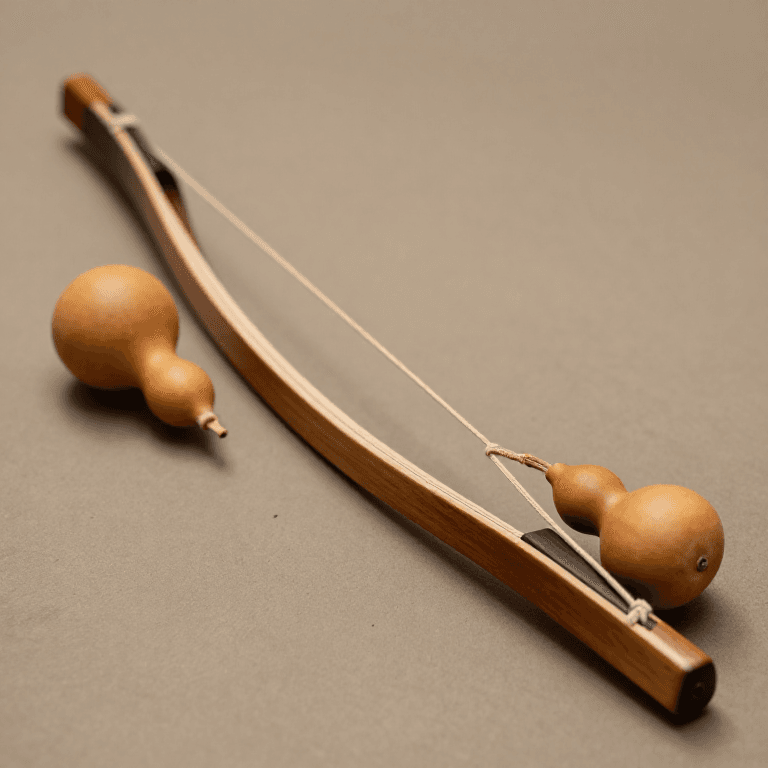
CC0 Phạm vi công cộng
Bản thiết kế này được phát hành theo CC0. Bạn tự do sao chép, sửa đổi, phân phối và sử dụng cho bất kỳ mục đích nào mà không cần xin phép.
Hỗ trợ nhà sáng tạo bằng cách mua sản phẩm qua bản thiết kế, nơi họ nhận Hoa hồng nhà sáng tạo do nhà bán hàng đặt, hoặc tạo phiên bản mới và kết nối trong bản thiết kế riêng để chia sẻ doanh thu.