

Crafting Shell and Bone Jewelry — Beads, Pendants, and Necklaces
Hướng dẫn
Select and Clean the Materials
Select and Clean the Materials
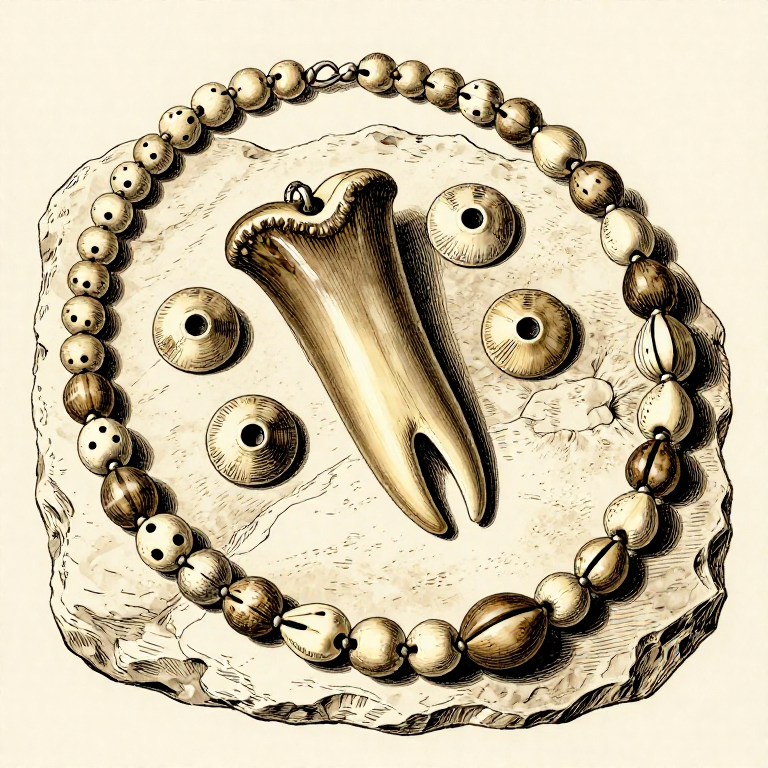
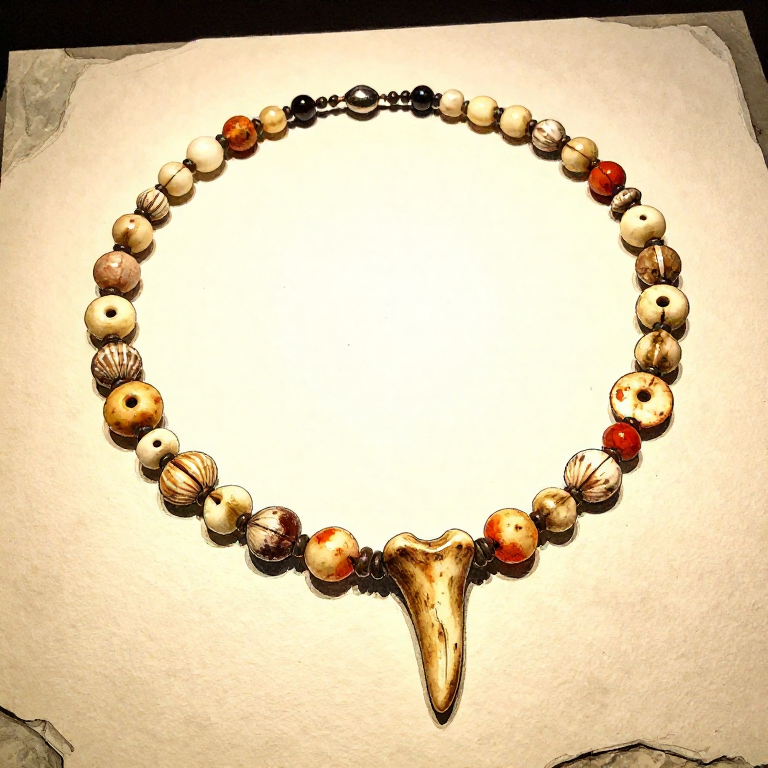
Collect small shells from beaches, riverbeds, or middens — Nassarius shells (small sea snails about 1 cm long) were among the most widely used bead materials in prehistory. Also collect small, dense bone fragments and animal teeth (canine teeth from foxes, deer, or bears make striking pendants). Clean all materials by soaking in water and scrubbing off any organic residue. Select shells and bones that are intact, without cracks — cracked pieces will shatter during drilling. Sort by size for a uniform-looking necklace, or deliberately mix sizes for a varied, naturalistic aesthetic.
Vật liệu cho bước này:
 Vỏ sò biển20-40 shells cái
 Xương3-5 pieces cái
 Dây thừng, dây bện50-80 cm cm
 Đất son thôsmall amount cái
Công cụ cần thiết:
 Dao khắc burin
 Sa thạch (mài mòn)
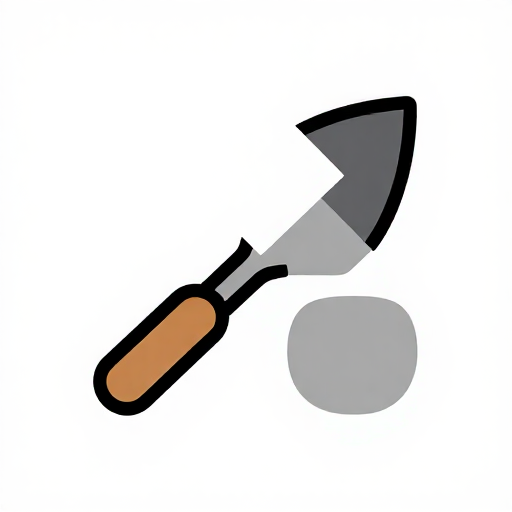 Đá phẳng (bay / dụng cụ tạo hình)
Drill Suspension Holes
Drill Suspension Holes
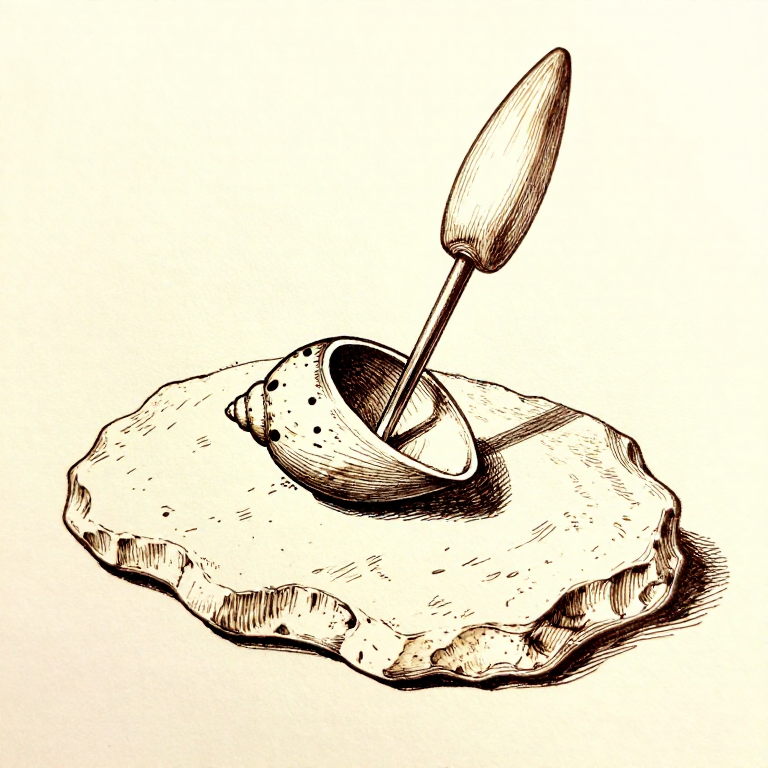
Each bead or pendant needs a hole for threading onto cordage. Place the shell or bone piece on a flat stone as a drilling platform. Using a flint burin or a small, sharp flint point, rotate the drill between your palms while pressing down on the shell. Drill slowly — too much pressure cracks delicate shells. For thin shells like Nassarius, drilling from one side is sufficient. For thicker bone beads or teeth, drill from both sides to meet in the middle, preventing blow-out chips. The hole needs to be just large enough for your cordage to pass through — about 1-2 mm diameter.
Make Bone Disc Beads
Make Bone Disc Beads
For disc-shaped bone beads, cut thin cross-sections (2-3 mm thick) from a dense bone shaft using a flint saw. Grind each disc smooth on sandstone, rounding the edges and flattening both faces. Drill a centre hole through each disc. Bone disc beads were mass-produced at many prehistoric sites — at Sunghir in Russia, a burial from around 30,000 years ago contained over 3,000 ivory disc beads sewn onto clothing. For a contrasting effect, some beads can be coloured by rubbing with red ochre pigment, which embeds in the porous bone surface.
String the Necklace
String the Necklace
Thread the beads and pendants onto a length of thin cordage — sinew or fine plant fiber twisted cord both work well. Sinew is particularly good because individual fibers can be split very fine. Arrange the beads in a deliberate pattern — prehistoric necklaces often alternate materials (shell, bone, shell, bone) or graduate from small beads at the back to larger pendants at the front. To keep beads spaced evenly, tie a small overhand knot between each bead. For the closure, either tie the ends together with a simple knot or create a loop-and-toggle clasp using a small bone toggle.
Finishing and Significance
Finishing and Significance
Polish the finished necklace by rubbing each bead gently with a soft piece of leather. Bone beads develop a warm lustre from the oils in leather and from skin contact over time. For added colour, rub ochre pigment into the bead surfaces — red ochre was extensively used on prehistoric ornaments, and its presence on beads is one of the key indicators of symbolic behaviour in the archaeological record. Shell beads found far from the sea indicate trade networks — Nassarius shells have been found hundreds of kilometres inland, demonstrating that even in deep prehistory, ornamental objects were valued enough to trade over great distances.
Vật liệu
7- 20-40 shells cáiTạm thời
- 3-5 pieces cáiTạm thời
- 50-80 cm cmTạm thời
- small amount cáiTạm thời
- 20-40 shells cáiTạm thời
- 3-5 pieces cáiTạm thời
- small amount cáiTạm thời
Công cụ yêu cầu
4- Tạm thời
- Tạm thời
- Tạm thời
Bản thiết kế này làm ra

CC0 Phạm vi công cộng
Bản thiết kế này được phát hành theo CC0. Bạn tự do sao chép, sửa đổi, phân phối và sử dụng cho bất kỳ mục đích nào mà không cần xin phép.
Hỗ trợ nhà sáng tạo bằng cách mua sản phẩm qua bản thiết kế, nơi họ nhận Hoa hồng nhà sáng tạo do nhà bán hàng đặt, hoặc tạo phiên bản mới và kết nối trong bản thiết kế riêng để chia sẻ doanh thu.