NGHỆ THUẬT
LÀM ĐẸP VÀ SỨC KHỎE
THỦ CÔNG
VĂN HÓA VÀ LỊCH SỬ
GIẢI TRÍ
MÔI TRƯỜNG
THỰC PHẨM VÀ ĐỒ UỐNG
KỸ THUẬT NGƯỢC
KHOA HỌC
THỂ THAO
CÔNG NGHỆ
THIẾT BỊ ĐEO
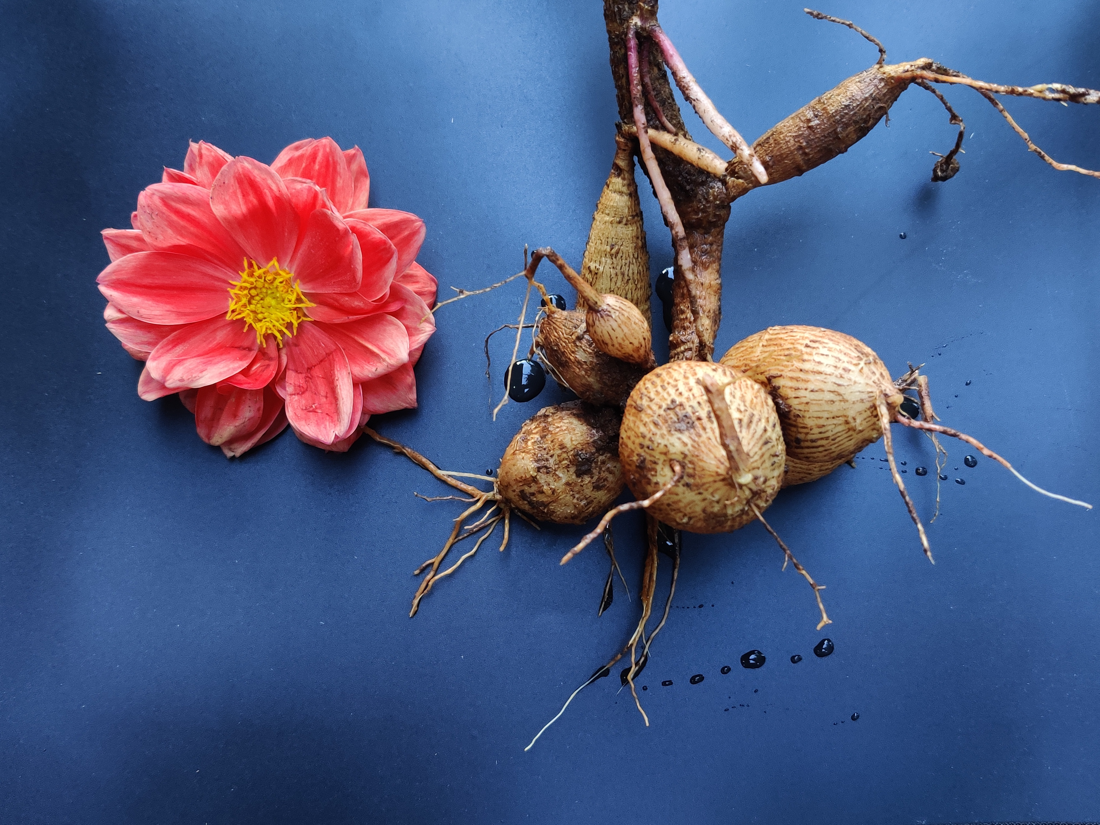
Krishna satya 333 (Wikimedia Commons) · CC BY-SA 4.0


Propagating Plants by Division — Splitting a Clump
The easiest clone of all: dig up a clumping perennial and pull it into several pieces, each already carrying its own roots and shoots, then replant them. Division makes free new plants AND rejuvenates a tired old clump at the same time. Lift, split so every piece has roots and a growing point, discard the worn-out middle, and replant. A homesteading build in the clump and the clone that comes ready-rooted.
Cơ bản
An afternoon
Hướng dẫn
1
1
One clump, many plants
One clump, many plants
Many perennials — rhubarb, chives, hostas, daylilies, mint, ornamental grasses — grow as an ever-widening CLUMP of many shoots from one root mass. Split that clump into pieces and each piece, already owning roots and shoots, is an independent new plant and an exact clone of the parent. It also does the old clump a favour.
2
2
Divide at the right time
Divide at the right time
Divide when the plant is NOT in active flower — usually early spring as growth begins, or in autumn. A rough rule: split spring-and-summer flowerers in autumn, and autumn flowerers in spring. Cool, damp weather helps the pieces recover.
3
3
Lift the whole clump
Lift the whole clump
Dig right around the clump with a fork and lever the whole root ball out of the ground, keeping as many roots as you can. Shake or wash off some soil so you can see the crowns and roots you are working with.
Công cụ cần thiết:
 Chĩa làm vườn
4
4
Split it into pieces
Split it into pieces
Pull soft, fibrous clumps apart by hand; for tough ones drive two forks back-to-back into the middle and lever them apart, or cut through the crown with a spade or knife. The one rule: every piece MUST have both roots AND at least one growing point (a bud, shoot or crown), or it cannot grow.
Công cụ cần thiết:
 Mai làm vườn
 Dao tỉa cành
5
5
Keep the young edges, bin the old middle
Keep the young edges, bin the old middle
In an old clump the centre is often woody, congested and unproductive while the vigour is all around the OUTSIDE. Keep the strong young outer pieces for replanting and discard the tired middle — this is why dividing also rejuvenates a plant that had stopped performing.
6
6
Replant promptly and water in
Replant promptly and water in
Replant the divisions straight away at the SAME depth they grew before, firm them in, and water well. Never let the roots dry out — pot up or heel in any you can't plant at once — and keep them watered until they take hold and put out new growth.
Vật liệu cho bước này:
 Phân ủ1 bag
 Nhãn dán1 tờ
7
7
Compendium — the clone that comes ready-rooted
Compendium — the clone that comes ready-rooted
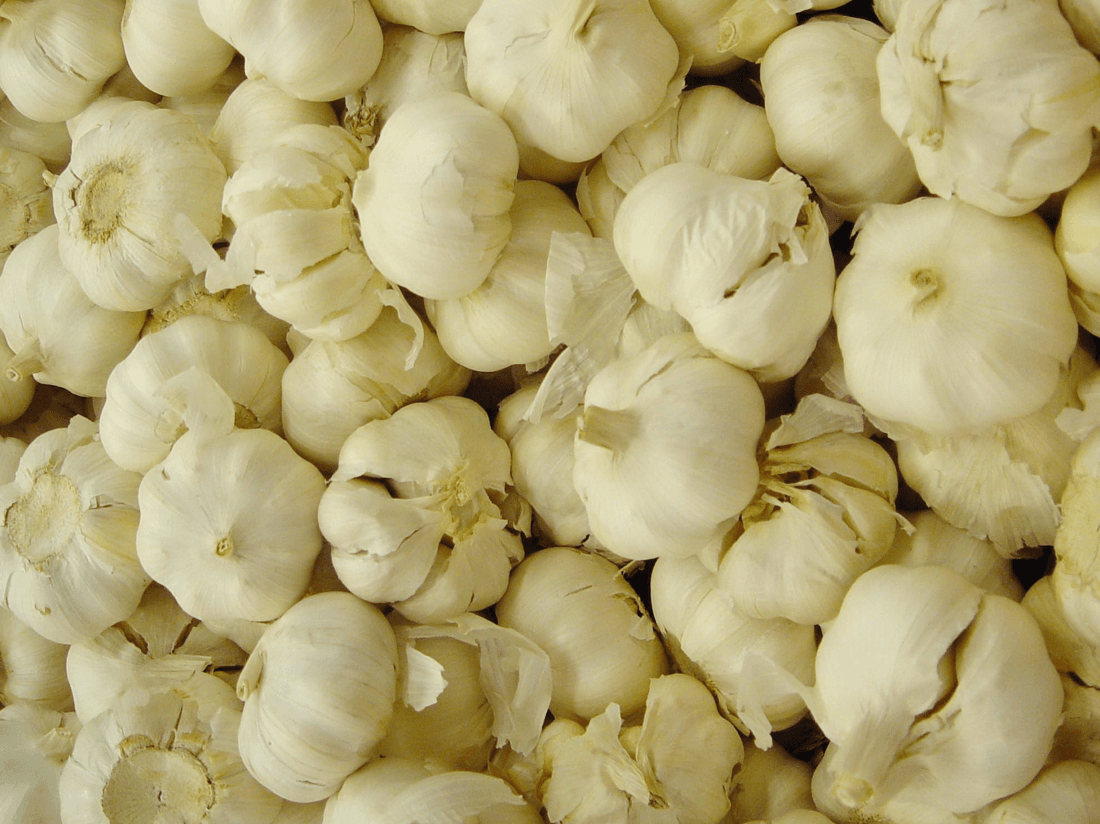
Division is the simplest form of VEGETATIVE (clonal) propagation, and comparing it with its cousins shows a neat ladder of difficulty. A stem CUTTING is a piece with no roots — it must grow them from scratch, which is why it needs hormone, humidity and patience. A CLOVE or a TUBER is a specialised bud pre-packed with stored food, ready to sprout. A DIVISION is the easiest of all, because each piece is already a fully-formed small plant — it has its own roots AND its own shoots the moment you separate it, so there is almost nothing to 'grow back'; it simply carries on. That is why division has the highest success rate of any propagation method and needs no special kit. Like every clone it is genetically identical to the parent, keeping a variety perfectly true, with the same trade-off of no genetic mixing. Division has a second gift the others don't: REJUVENATION. A clumping perennial expands outward year on year, and the oldest growth in the very centre gets crowded, woody and shy to flower while the youthful vigour migrates to the ring of new shoots at the edge — so lifting and splitting the clump, keeping the lively outer pieces and throwing away the exhausted heart, literally makes an old, failing plant young and floriferous again. It is worth seeing that this is exactly what garlic does on its own: a single clove grows into a clump of cloves, a natural division you simply pull apart and replant. Gardeners have divided perennials this way for as long as there have been gardens — the free, foolproof way to turn one good plant into many.
Công cụ yêu cầu
3- Tạm thời
- Tạm thời
- Tạm thời
Bản thiết kế này làm ra

Blueprint liên quan
Các blueprint này chia sẻ kiến thức — kỹ thuật, vật liệu hoặc nguyên tắc
CC0 Phạm vi công cộng
Bản thiết kế này được phát hành theo CC0. Bạn tự do sao chép, sửa đổi, phân phối và sử dụng cho bất kỳ mục đích nào mà không cần xin phép.
Hỗ trợ nhà sáng tạo bằng cách mua sản phẩm qua bản thiết kế, nơi họ nhận Hoa hồng nhà sáng tạo do nhà bán hàng đặt, hoặc tạo phiên bản mới và kết nối trong bản thiết kế riêng để chia sẻ doanh thu.