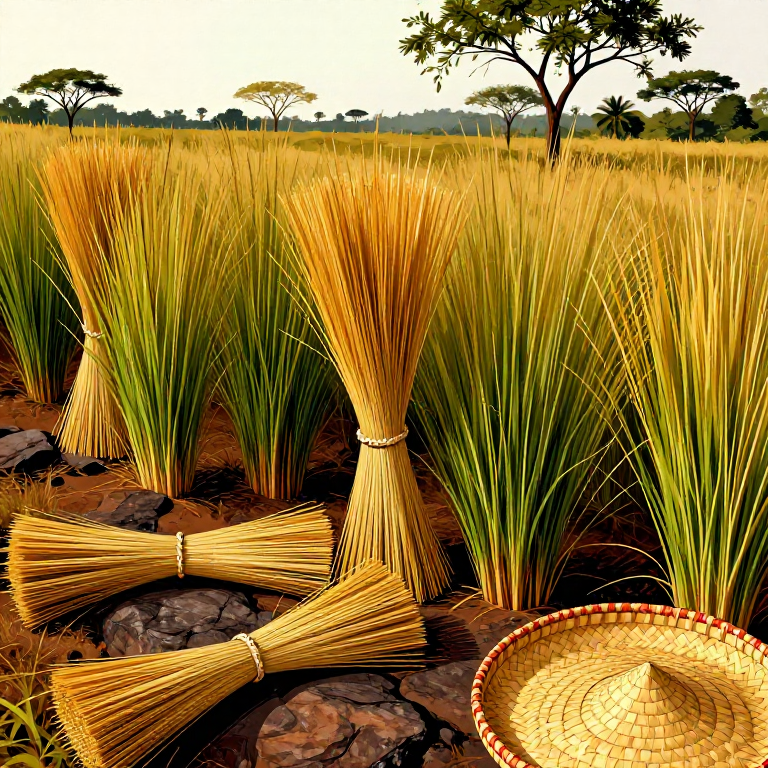


ସାବାଇ ଘାସ ସଂଗ୍ରହ ଓ ପ୍ରସ୍ତୁତି — ଓଡ଼ିଶାର ପାରମ୍ପରିକ ତନ୍ତୁ ଫସଲ
ସାବାଇ ଘାସ (Eulaliopsis binata), ଓଡ଼ିଆରେ ବାବୁଇ ଘାସ ନାମରେ ପରିଚିତ, ଏହା ଦକ୍ଷିଣ ଓ ଦକ୍ଷିଣ-ପୂର୍ବ ଏସିଆର ଏକ ବହୁବର୍ଷୀୟ ଘାସ। ଏହି ବ୍ଲୁପ୍ରିଣ୍ଟରେ ସାବାଇ ଘାସ ସଂଗ୍ରହ, ଶୁଖାଇବା, ଓ ଦଉଡ଼ି ତିଆରି ପାଇଁ ପ୍ରସ୍ତୁତ କରିବାର ସମ୍ପୂର୍ଣ୍ଣ ପ୍ରକ୍ରିୟା ବର୍ଣ୍ଣନା କରାଯାଇଛି।
ଓଡ଼ିଶାର ମୟୂରଭଞ୍ଜ ଓ କେଉଁଝର ଜିଲ୍ଲାରେ ଆଦିବାସୀ ସମ୍ପ୍ରଦାୟ ପାଇଁ ସାବାଇ ଘାସ ଜୀବିକାର ଏକ ପ୍ରମୁଖ ଉତ୍ସ। ଏହା ପାହାଡ଼ ଓ ଅନୁର୍ବର ଜମିରେ ସ୍ୱତଃସ୍ଫୂର୍ତ ଭାବରେ ବଢ଼େ ଏବଂ ଏହାକୁ ଚାଷ ମଧ୍ୟ କରାଯାଏ। ଏହାର ବ୍ୟବହାର ଦଉଡ଼ି ତିଆରି, ଚାଟେଇ, ବାସ୍କେଟ୍ ଓ କାଗଜ ଶିଳ୍ପରେ ହୋଇଥାଏ। ଏହା ଏକ ସ୍ଥାୟୀ ଫସଲ — ଉଦ୍ଭିଦ ଉପାଡ଼ି ହୁଏ ନାହିଁ, ମୂଳ ମୁକୁଟରୁ ୨-୩ ମାସ ମଧ୍ୟରେ ପୁନଃବୃଦ୍ଧି ହୁଏ, ଓ ସାର ଆବଶ୍ୟକ ହୁଏ ନାହିଁ।
Hướng dẫn
ସାବାଇ ଘାସ ବିଷୟରେ ଜାଣନ୍ତୁ
ସାବାଇ ଘାସ ବିଷୟରେ ଜାଣନ୍ତୁ
ସାବାଇ ଘାସ (Eulaliopsis binata) ଏକ ବହୁବର୍ଷୀୟ ଘାସ ଯାହା ଦକ୍ଷିଣ ଓ ଦକ୍ଷିଣ-ପୂର୍ବ ଏସିଆରେ ମୂଳ। ଓଡ଼ିଆରେ ଏହାକୁ ବାବୁଇ ଘାସ କୁହାଯାଏ। ଏହା ୩୦-୬୦ ସେ.ମି. ଉଚ୍ଚ ହୁଏ ଓ ଝୁଣ୍ଡ ଆକାରରେ ବଢ଼େ। ପତ୍ରଗୁଡ଼ିକ ପତଳା ଓ ଶକ୍ତ। ଏହା ପାହାଡ଼ ଢାଳ, ଅନୁର୍ବର ଜମି ଓ ପଥୁରିଆ ମାଟିରେ ଭଲ ଭାବରେ ବଢ଼େ ଯେଉଁଠାରେ ଅନ୍ୟ ଫସଲ ବଢ଼ିପାରେ ନାହିଁ। ଓଡ଼ିଶାର ମୟୂରଭଞ୍ଜ ଓ କେଉଁଝର ଜିଲ୍ଲାର ଆଦିବାସୀ ସମ୍ପ୍ରଦାୟ ପାଇଁ ଏହା ଜୀବିକାର ଏକ ଗୁରୁତ୍ୱପୂର୍ଣ୍ଣ ଉତ୍ସ। ଏହା ଦଉଡ଼ି, ଚାଟେଇ, ବାସ୍କେଟ୍ ଓ କାଗଜ ଶିଳ୍ପ (ଭାରତୀୟ କାଗଜ ଶିଳ୍ପରେ ପ୍ରମୁଖ ବ୍ୟବହାର) ପାଇଁ ବ୍ୟବହୃତ ହୁଏ।
ପରିପକ୍ୱ ଘାସ ଚିହ୍ନଟ କରିବା
ପରିପକ୍ୱ ଘାସ ଚିହ୍ନଟ କରିବା
ସାବାଇ ଘାସ ସଂଗ୍ରହ ପାଇଁ ପ୍ରସ୍ତୁତ ହେଲେ ପତ୍ର ସୁନେଲୀ ବା ଖରା ରଙ୍ଗ ହୁଏ। ସବୁଜ ଘାସ ଅପରିପକ୍ୱ — ଏହାକୁ କାଟିବା ଉଚିତ ନୁହେଁ। ବର୍ଷା ପରେ (ଅକ୍ଟୋବର-ନଭେମ୍ବର) ଓ ଶୀତ ଋତୁରେ (ଜାନୁଆରୀ-ଫେବ୍ରୁଆରୀ) — ବର୍ଷରେ ଦୁଇଥର ସଂଗ୍ରହ ସମ୍ଭବ। ପତ୍ର ଶୁଖିଲା ଓ ନମନୀୟ ଅନୁଭବ ହେବା ଉଚିତ — ଭଙ୍ଗୁର ହେଲେ ଅତ୍ୟଧିକ ଶୁଖିଯାଇଛି। ଘାସ ଝୁଣ୍ଡର ମଝିରେ ନୂଆ ସବୁଜ ଅଙ୍କୁର ଦେଖାଯିବ — ଏହା ମୂଳ ସକ୍ରିୟ ଥିବାର ଚିହ୍ନ।
ସଂଗ୍ରହ ଉପକରଣ ପ୍ରସ୍ତୁତ କରିବା
ସଂଗ୍ରହ ଉପକରଣ ପ୍ରସ୍ତୁତ କରିବା
ସାବାଇ ଘାସ କାଟିବା ପାଇଁ ଏକ ଧାରୁଆ କାସ୍ତା (sickle) ଆବଶ୍ୟକ। କାସ୍ତା ଧାରୁଆ ହେବା ଜରୁରୀ — ଭୋଟା କାସ୍ତା ଘାସକୁ ଟାଣି ଛିଣ୍ଡିଦିଏ ଯାହା ମୂଳକୁ କ୍ଷତି ପହଞ୍ଚାଏ। ବନ୍ଧା ପାଇଁ ଦଉଡ଼ି ବା ନଡ଼ା ରଖନ୍ତୁ। ବୋଝ ବହନ ପାଇଁ ବଡ଼ ଥଳି ବା ବାଉଁଶ ଟୋକେଇ ଆଣନ୍ତୁ। ହାତ ସୁରକ୍ଷା ପାଇଁ ଗ୍ଲୋଭ୍ସ ପିନ୍ଧନ୍ତୁ — ଘାସର ଧାର ତୀକ୍ଷ୍ଣ ଓ ହାତ କାଟିପାରେ।
Vật liệu cho bước này:
 Dây bó5 mét
Công cụ cần thiết:
 Liềm — lưỡi cong gặt hái
 Đá mài
 Găng tay vải bông
 Giỏ tre
ଘାସ କାଟିବା ପ୍ରକ୍ରିୟା
ଘାସ କାଟିବା ପ୍ରକ୍ରିୟା
ଘାସକୁ ମାଟି ସ୍ତରରେ କାଟନ୍ତୁ — ଝୁଣ୍ଡର ଯଥାସମ୍ଭବ ନିମ୍ନରୁ। ଏକ ହାତରେ ଘାସ ଝୁଣ୍ଡ ଧରନ୍ତୁ ଓ ଅନ୍ୟ ହାତରେ କାସ୍ତା ଦ୍ୱାରା ଦ୍ରୁତ ଗତିରେ କାଟନ୍ତୁ। ମୂଳ ଉପାଡ଼ନ୍ତୁ ନାହିଁ — ମୂଳ ମୁକୁଟରୁ ୨-୩ ମାସ ମଧ୍ୟରେ ନୂଆ ଘାସ ବଢ଼ିଆସିବ। ଏହା ସାବାଇ ଘାସର ସ୍ଥାୟୀ ପ୍ରକୃତି — ଉଦ୍ଭିଦ ବହୁବର୍ଷୀୟ, ସାର ଆବଶ୍ୟକ ହୁଏ ନାହିଁ, ଓ ପ୍ରାକୃତିକ ଭାବରେ ପୁନଃବୃଦ୍ଧି ହୁଏ। ଗୋଟିଏ ଝୁଣ୍ଡ କାଟିସାରିବା ପରେ ପରବର୍ତ୍ତୀ ଝୁଣ୍ଡକୁ ଯାଆନ୍ତୁ।
Công cụ cần thiết:
Liềm — lưỡi cong gặt háiବୋଝ ବାନ୍ଧିବା
ବୋଝ ବାନ୍ଧିବା
କାଟିଥିବା ଘାସକୁ ଛୋଟ ବୋଝରେ ବାନ୍ଧନ୍ତୁ — ପ୍ରତ୍ୟେକ ବୋଝର ବ୍ୟାସ ପ୍ରାୟ ୧୫-୨୦ ସେ.ମି.। ବନ୍ଧା ପାଇଁ ଘାସର କିଛି ଡାଳ ବ୍ୟବହାର କରନ୍ତୁ ବା ଦଉଡ଼ି ବ୍ୟବହାର କରନ୍ତୁ। ବୋଝ ଅତ୍ୟଧିକ ବଡ଼ କରନ୍ତୁ ନାହିଁ — ଛୋଟ ବୋଝ ସମାନ ଭାବରେ ଶୁଖେ। ବୋଝଗୁଡ଼ିକୁ ବାଉଁଶ ଟୋକେଇରେ ସଜାଡ଼ନ୍ତୁ ବା ବହନ ଯୋଗ୍ୟ ଗଣ୍ଠିରେ ବାନ୍ଧନ୍ତୁ। ଏକ ସଂଗ୍ରହ ସେସନ୍ ରେ ଜଣେ ବ୍ୟକ୍ତି ୧୫-୨୫ କିଲୋଗ୍ରାମ ସବୁଜ ଘାସ ସଂଗ୍ରହ କରିପାରିବ।
Vật liệu cho bước này:
Dây bó5 métରୋଦରେ ଶୁଖାଇବା
ରୋଦରେ ଶୁଖାଇବା
କାଟିଥିବା ଘାସ ବୋଝକୁ ଖୋଲା ରୋଦରେ ଶୁଖାନ୍ତୁ। ଘାସକୁ ପତଳା ସ୍ତରରେ ବିଛାନ୍ତୁ ଯେପରି ସମସ୍ତ ଅଂଶ ରୋଦ ପାଇବ। ୨-୩ ଦିନ ରୋଦରେ ଶୁଖାନ୍ତୁ, ମଝିରେ ଥରେ ଓଲଟାନ୍ତୁ। ଭଲ ଭାବରେ ଶୁଖିଲେ ଘାସ ହାଲୁକା, ସୁନେଲୀ ରଙ୍ଗ ହୁଏ ଓ ଭାଙ୍ଗିଲେ ଟକ୍ ଶବ୍ଦ ହୁଏ। ବର୍ଷାରୁ ସୁରକ୍ଷିତ ରଖନ୍ତୁ — ଭିଜିଲେ ଫିମ୍ପି ଧରେ ଓ ଘାସ ନଷ୍ଟ ହୁଏ। ଅସମ୍ପୂର୍ଣ୍ଣ ଶୁଖିଲା ଘାସ ସଂରକ୍ଷଣ ସମୟରେ ଫିମ୍ପି ଧରିଯାଏ।
Công cụ cần thiết:
 Chiếu tre phơi
ଲମ୍ବ ଅନୁସାରେ ଛାଣିବା
ଲମ୍ବ ଅନୁସାରେ ଛାଣିବା
ଶୁଖିଲା ଘାସକୁ ଲମ୍ବ ଅନୁସାରେ ଛାଣନ୍ତୁ। ଲମ୍ବ ଡାଳ (୪୦-୬୦ ସେ.ମି.) ଦଉଡ଼ି ତିଆରି ପାଇଁ ଉତ୍ତମ। ଛୋଟ ଡାଳ (୨୦-୪୦ ସେ.ମି.) ଚାଟେଇ ଓ ବାସ୍କେଟ୍ ପାଇଁ ବ୍ୟବହୃତ ହୁଏ। ଭଙ୍ଗା ବା ନଷ୍ଟ ଡାଳ ଅଲଗା କରନ୍ତୁ। ପ୍ରତ୍ୟେକ ଶ୍ରେଣୀକୁ ଅଲଗା ବୋଝରେ ବାନ୍ଧନ୍ତୁ। ସଠିକ୍ ଛାଣିବା ଦ୍ୱାରା ଭଲ ଦାମ ମିଳେ — କାଗଜ ଶିଳ୍ପ ଶୁଖିଲା ସାବାଇ ପ୍ରତି କିଲୋଗ୍ରାମ ୩-୫ ଟଙ୍କାରେ କିଣେ (ଋତୁ ଅନୁସାରେ ଦାମ ବଦଳେ)।
ଦଉଡ଼ି ତିଆରି ପାଇଁ ଘାସ ଭିଜାଇବା
ଦଉଡ଼ି ତିଆରି ପାଇଁ ଘାସ ଭିଜାଇବା
ଦଉଡ଼ି ତିଆରି ପାଇଁ ଶୁଖିଲା ଘାସକୁ ପାଣିରେ ୩୦-୬୦ ମିନିଟ୍ ଭିଜାନ୍ତୁ। ଭିଜା ଘାସ ନମନୀୟ ହୁଏ ଓ ବଟାଇବା (twisting) ସମୟରେ ଭାଙ୍ଗେ ନାହିଁ। ଅତ୍ୟଧିକ ଭିଜାନ୍ତୁ ନାହିଁ — ୧ ଘଣ୍ଟାରୁ ଅଧିକ ଭିଜାଇଲେ ଘାସ ଦୁର୍ବଳ ହୁଏ। ଘାସ ସାମାନ୍ୟ ଆର୍ଦ୍ର ଥିବା ଅବସ୍ଥାରେ ବଟାଇବା ଆରମ୍ଭ କରନ୍ତୁ — ସମ୍ପୂର୍ଣ୍ଣ ଶୁଖିଲା ବା ସମ୍ପୂର୍ଣ୍ଣ ଭିଜା ଅବସ୍ଥାରେ ନୁହେଁ।
Vật liệu cho bước này:
 Nước cất20 lít
Công cụ cần thiết:
 Máng ngâm
ଦଉଡ଼ି ବଟାଇବାର ମୌଳିକ ପ୍ରଣାଳୀ
ଦଉଡ଼ି ବଟାଇବାର ମୌଳିକ ପ୍ରଣାଳୀ
୫-୮ ଟି ଭିଜା ଘାସ ଡାଳ ନିଅନ୍ତୁ ଓ ଗୋଟିଏ ପ୍ରାନ୍ତରୁ ଧରନ୍ତୁ। ଡାଳଗୁଡ଼ିକୁ ଦୁଇ ଭାଗରେ ବିଭକ୍ତ କରନ୍ତୁ। ପ୍ରତ୍ୟେକ ଭାଗକୁ ଘଡ଼ି ଦିଗରେ (clockwise) ବଟାନ୍ତୁ, ଓ ଦୁଇ ଭାଗକୁ ପରସ୍ପର ଉପରେ ଘଡ଼ି ବିପରୀତ ଦିଗରେ (counter-clockwise) ଗୁଡ଼ାନ୍ତୁ। ଏହି ଦ୍ୱି-ଦିଗ ବଟାଇ ଦଉଡ଼ିକୁ ଶକ୍ତ ଓ ସ୍ଥାୟୀ କରେ — ଖୋଲିଯାଏ ନାହିଁ। ନୂଆ ଡାଳ ଯୋଡ଼ିବା ସମୟରେ ପୁରୁଣା ଡାଳ ସହ ୫-୮ ସେ.ମି. ଓଭରଲ୍ୟାପ୍ ରଖନ୍ତୁ ଯେପରି ଜଏଣ୍ଟ ମଜବୁତ ହେବ।
ଦଉଡ଼ି ଗୁଣବତ୍ତା ଯାଞ୍ଚ
ଦଉଡ଼ି ଗୁଣବତ୍ତା ଯାଞ୍ଚ
ଭଲ ଗୁଣର ସାବାଇ ଦଉଡ଼ି ସମାନ ମୋଟେଇର, ଟାଣ ହେଲେ ନ ଭାଙ୍ଗିବା, ଓ ସୁନେଲୀ ରଙ୍ଗର ହେବା ଉଚିତ। ଦଉଡ଼ିରେ ଖୋଲା ବା ଦୁର୍ବଳ ଜଏଣ୍ଟ ଥିଲେ ପୁଣି ବଟାନ୍ତୁ। ସମ୍ପୂର୍ଣ୍ଣ ଶୁଖିଲା ପରେ ଦଉଡ଼ି ସାମାନ୍ୟ ମୋଟେଇ କମିଯିବ — ଏହା ସ୍ୱାଭାବିକ। ନିଜ ବ୍ୟବହାର ପାଇଁ ଦଉଡ଼ିର ଭାର ବହନ କ୍ଷମତା ପରୀକ୍ଷା କରନ୍ତୁ — ୫-୮ ଡାଳରେ ତିଆରି ଦଉଡ଼ି ସାଧାରଣ ବନ୍ଧା ଓ ବୋଝ ବହନ ପାଇଁ ଯଥେଷ୍ଟ।
ବିକ୍ରୟ ପାଇଁ ଗଣ୍ଠି ବାନ୍ଧିବା
ବିକ୍ରୟ ପାଇଁ ଗଣ୍ଠି ବାନ୍ଧିବା
ବିକ୍ରୟ ପାଇଁ ଶୁଖିଲା ସାବାଇ ଘାସକୁ ବଡ଼ ଗଣ୍ଠି (bale) ରେ ବାନ୍ଧନ୍ତୁ। ପ୍ରତ୍ୟେକ ଗଣ୍ଠି ୧୫-୨୫ କିଲୋଗ୍ରାମ ହେବା ଉଚିତ। ଗଣ୍ଠିକୁ ଦଉଡ଼ି ଦ୍ୱାରା ଦୃଢ଼ ଭାବରେ ବାନ୍ଧନ୍ତୁ ଯେପରି ବହନ ସମୟରେ ଖୋଲିଯିବ ନାହିଁ। କାଗଜ ଶିଳ୍ପ, ଦଉଡ଼ି କାରଖାନା ଓ ସ୍ଥାନୀୟ ହାଟ (ବଜାର) ରେ ବିକ୍ରୟ କରନ୍ତୁ। କାଗଜ ଶିଳ୍ପ ପ୍ରତି କିଲୋଗ୍ରାମ ୩-୫ ଟଙ୍କା ଦିଏ (ଋତୁ ଅନୁସାରେ ଦାମ ବଦଳେ)। ପ୍ରସ୍ତୁତ ଦଉଡ଼ି ଅଧିକ ଦାମରେ ବିକ୍ରୟ ହୁଏ।
Vật liệu cho bước này:
Dây bó10 métCông cụ cần thiết:
 Cân
Cânସଂରକ୍ଷଣ
ସଂରକ୍ଷଣ
ଶୁଖିଲା ସାବାଇ ଘାସ ଓ ଦଉଡ଼ିକୁ ଶୁଖିଲା, ଛାୟାଦାର ସ୍ଥାନରେ ସଂରକ୍ଷଣ କରନ୍ତୁ। ମାଟିରୁ ଉପରେ ରଖନ୍ତୁ — ବାଉଁଶ ବା କାଠ ମାଚାଁ ଉପରେ ସଜାଡ଼ନ୍ତୁ। ବର୍ଷା ପାଣି ଲାଗିବା ଠାରୁ ସୁରକ୍ଷିତ ରଖନ୍ତୁ — ଆର୍ଦ୍ରତା ଫିମ୍ପି ଓ ପଚନ ଆଣେ। ଉଇ (termite) ଠାରୁ ରକ୍ଷା ପାଇଁ ସଂରକ୍ଷଣ ସ୍ଥାନ ନିୟମିତ ଯାଞ୍ଚ କରନ୍ତୁ। ଭଲ ଭାବରେ ଶୁଖିଲା ଓ ସଠିକ୍ ସଂରକ୍ଷିତ ସାବାଇ ଘାସ ଅନେକ ମାସ ଯାଏଁ ଭଲ ରହେ।
Công cụ cần thiết:
 Sàn kho nâng cao
Bản thiết kế này làm ra

CC0 Phạm vi công cộng
Bản thiết kế này được phát hành theo CC0. Bạn tự do sao chép, sửa đổi, phân phối và sử dụng cho bất kỳ mục đích nào mà không cần xin phép.
Hỗ trợ nhà sáng tạo bằng cách mua sản phẩm qua bản thiết kế, nơi họ nhận Hoa hồng nhà sáng tạo do nhà bán hàng đặt, hoặc tạo phiên bản mới và kết nối trong bản thiết kế riêng để chia sẻ doanh thu.