NGHỆ THUẬT
LÀM ĐẸP VÀ SỨC KHỎE
THỦ CÔNG
VĂN HÓA VÀ LỊCH SỬ
GIẢI TRÍ
MÔI TRƯỜNG
THỰC PHẨM VÀ ĐỒ UỐNG
KỸ THUẬT NGƯỢC
KHOA HỌC
THỂ THAO
CÔNG NGHỆ
THIẾT BỊ ĐEO
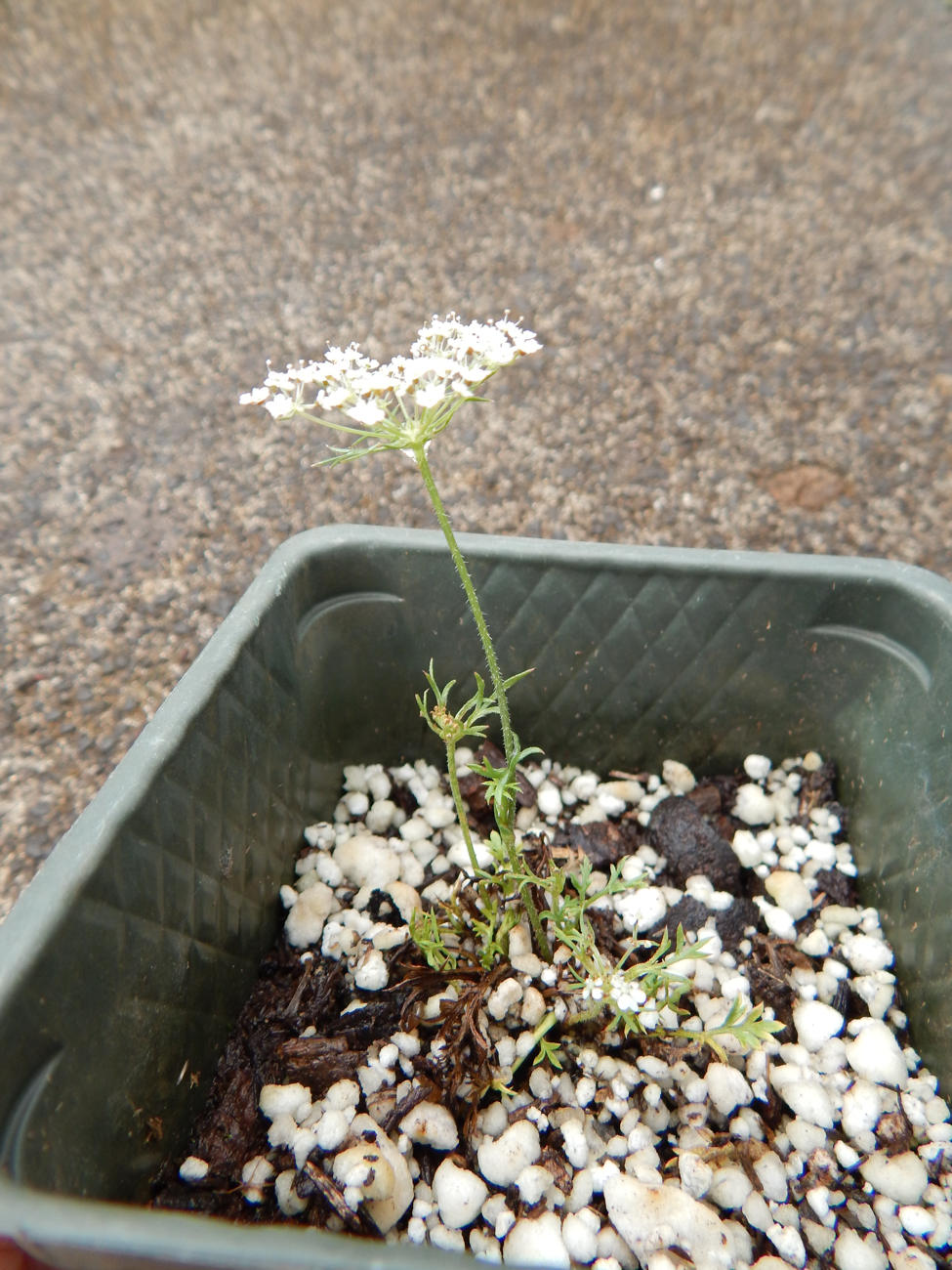
Forest and Kim Starr · CC BY 3.0


Saving Carrot Seeds — The Two-Year Biennial
Save true carrot seed the way the plant actually works: a carrot is a BIENNIAL, so it grows only its root the first year and does not flower until its second. Grow the roots, pick the best, overwinter them, replant, and harvest seed from the second-year flower umbels — keeping the strain pure by isolating it from other carrots and wild Queen Anne's Lace.
Trung cấp
Two growing seasons (with winter storage between)
Hướng dẫn
1
1
Why carrots take two years
Why carrots take two years
A carrot is a biennial: in its FIRST year it only grows leaves and stores food in the fat taproot we eat, and it will not flower. Only after a cold winter does it flower and set seed in its SECOND year. So saving carrot seed is a two-season project — you cannot get seed the same year you sow.
2
2
Grow the first-year roots
Grow the first-year roots
Sow an OPEN-POLLINATED (not F1 hybrid) variety in loose, deep soil and grow a full crop of roots. Grow plenty — carrots are cross-pollinators and need a POPULATION of at least 20-40 plants to stay healthy and avoid inbreeding.
Vật liệu cho bước này:
 Hạt giống cà rốt1 packet
 Phân ủ1 bag
3
3
Select the best roots
Select the best roots
In autumn lift the roots and choose your best 20+ — the right colour, shape and size, no splits or forks. Because you judge the actual root before replanting it, root crops let you select for exactly the vegetable you want. Trim the leaves to a short stub WITHOUT cutting the crown (the growing point on top).
Công cụ cần thiết:
 Chĩa làm vườn
4
4
Overwinter the roots
Overwinter the roots
The roots must live through winter AND get chilled to trigger flowering. In cold regions pack them in slightly-damp sand in a cool cellar (0-4°C), not touching; in mild regions leave them in the ground under thick mulch. This cold spell (vernalization) is what unlocks year two — see the companion overwintering blueprint.
Vật liệu cho bước này:
 Cát1 box
5
5
Replant in spring
Replant in spring
As soon as the soil can be worked, replant the stored roots with the crown at the surface, about 30-45 cm apart. Each will resprout leaves and then send up a tall flower stalk over a metre high.
Công cụ cần thiết:
 Bay làm vườn
6
6
Isolate to keep the strain pure
Isolate to keep the strain pure
Carrot flowers are pollinated by insects and will CROSS with any other flowering carrot — including wild carrot (Queen Anne's Lace) — up to about 800 m away, ruining the strain. Either grow only this one variety and pull any wild carrot nearby, or cage the plants in insect netting and let a few flies in to pollinate.
Công cụ cần thiết:
 Vợt lưới mịn bắt côn trùng
7
7
Let the umbels flower and set seed
Let the umbels flower and set seed
The stalk opens flat, lacy flower clusters called UMBELS. The first (central 'king') umbel blooms first and gives the best seed. After flowering, the umbels curl inward and slowly turn brown as the seed ripens over several weeks.
8
8
Harvest, thresh and store
Harvest, thresh and store
Cut the umbels as they dry to brown, finish drying them indoors, then rub them between your hands to free the seeds (rub off the tiny spines too). Winnow away the chaff, dry fully, and store cool, dark and airtight — labelled with variety and year. Carrot seed stays viable about 3 years.
Vật liệu cho bước này:
 Lọ thủy tinh sẫm màu nắp kín khí1 cái
 Nhãn dán1 tờ
Công cụ cần thiết:
 Kéo cắt tỉa cành
9
9
Compendium — the biennial life cycle
Compendium — the biennial life cycle
Plants divide into three life-cycle groups, and knowing which you have is the whole key to saving its seed. ANNUALS (beans, lettuce, tomatoes) race through their entire life in one season — sprout, flower, seed, die — so you get seed the same year. PERENNIALS (rhubarb, asparagus) live and crop for many years. BIENNIALS like the carrot split their life across two years on purpose: the first year is pure investment, pouring energy into that swollen taproot as a food store and building a leaf rosette, but making NO flowers; the plant then uses winter as a signal — a stretch of cold (vernalization) tells it winter has passed, and only then, in year two, does it spend the stored food to bolt upward and flower. This is why you cannot rush carrot seed, and why you must keep the root alive and chilled through winter to get there. It is also a gift to the seed-saver: because the edible root grows a full year before the plant reproduces, you get to inspect and taste your crop and replant only your very best roots — direct selection on the exact trait you eat, generation after generation. Other biennials work the same way — beetroot, onion, cabbage, parsnip, celery, leek — all leaf-or-root crops that store up in year one and flower in year two. The catch is purity: the carrot is an insect-pollinated outbreeder that crosses freely with its neighbours and with wild carrot, so unlike a self-pollinating bean it will not stay true unless you isolate it. Master the biennial and the two-year rhythm, and you can keep a carrot strain — its colour, sweetness and shape — alive and improving forever.
Vật liệu
6- 1 packetTạm thời
- 1 bagTạm thời
- 1 boxTạm thời
- Tạm thời
- 1 tờTạm thời
- Tạm thời
Công cụ yêu cầu
4- Tạm thời
- Tạm thời
- Tạm thời
- Tạm thời
Bản thiết kế này làm ra

Blueprint liên quan
Các blueprint này chia sẻ kiến thức — kỹ thuật, vật liệu hoặc nguyên tắc

CC0 Phạm vi công cộng
Bản thiết kế này được phát hành theo CC0. Bạn tự do sao chép, sửa đổi, phân phối và sử dụng cho bất kỳ mục đích nào mà không cần xin phép.
Hỗ trợ nhà sáng tạo bằng cách mua sản phẩm qua bản thiết kế, nơi họ nhận Hoa hồng nhà sáng tạo do nhà bán hàng đặt, hoặc tạo phiên bản mới và kết nối trong bản thiết kế riêng để chia sẻ doanh thu.