NGHỆ THUẬT
LÀM ĐẸP VÀ SỨC KHỎE
THỦ CÔNG
VĂN HÓA VÀ LỊCH SỬ
GIẢI TRÍ
MÔI TRƯỜNG
THỰC PHẨM VÀ ĐỒ UỐNG
KỸ THUẬT NGƯỢC
KHOA HỌC
THỂ THAO
CÔNG NGHỆ
THIẾT BỊ ĐEO
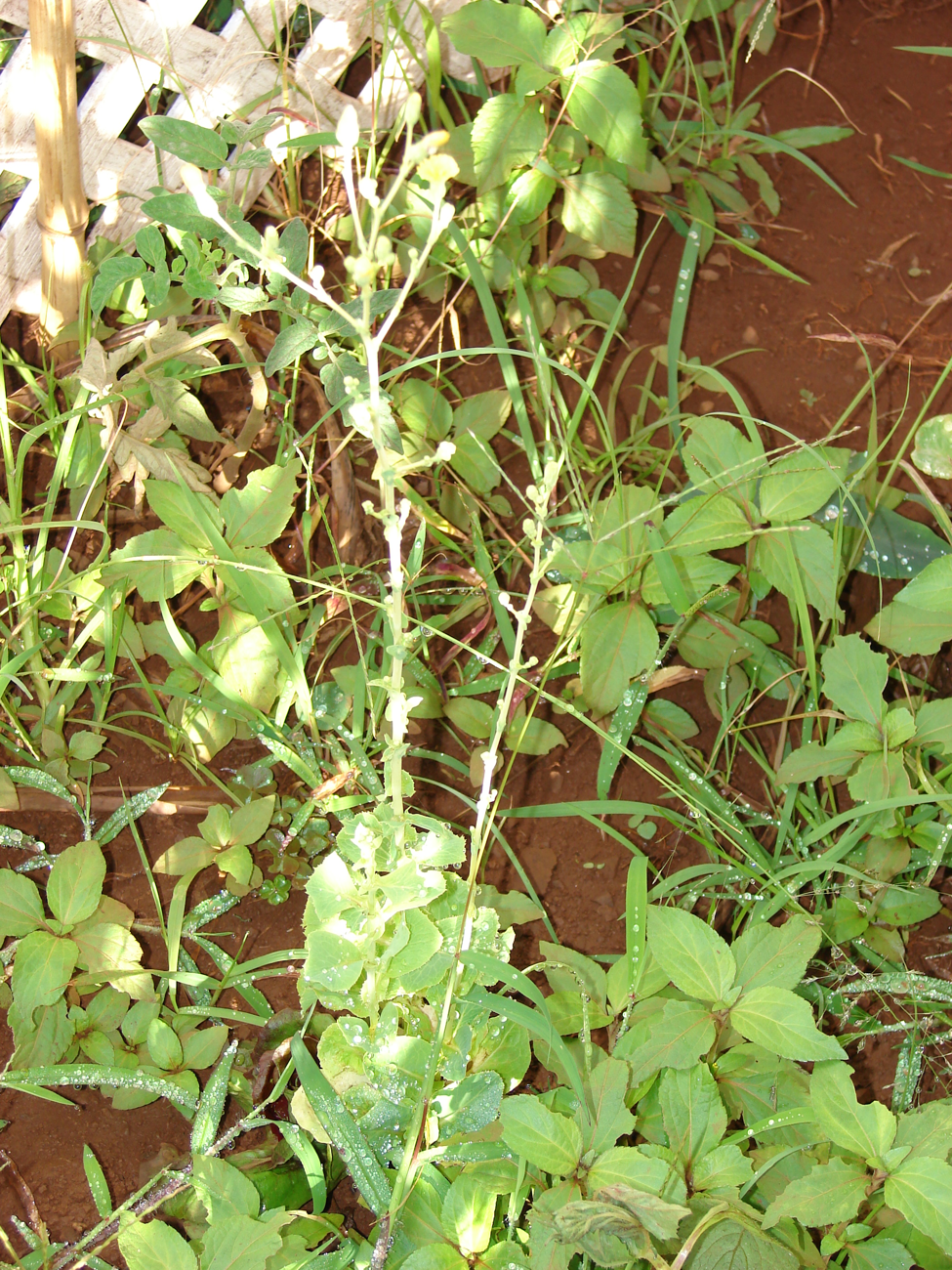
Forest and Kim Starr · CC BY 3.0


Saving Lettuce Seeds — Letting the Leaf Crop Bolt
Save lettuce seed by doing the one thing gardeners usually fight: letting it BOLT. Lettuce is a self-pollinating annual, so a few plants left to shoot up, flower and go fluffy will hand you true seed with almost no risk of crossing. Let it flower, catch the dandelion-like fluffy seed, thresh and store. A buildable school project in the self-pollinated annual and the composite flower.
Cơ bản
One growing season
Hướng dẫn
1
1
The leaf you must let run to seed
The leaf you must let run to seed
We grow lettuce for its leaves and normally pull it before it bolts. To save seed you do the opposite: let a few of your best plants shoot up into a tall flower stalk. They will turn bitter and inedible — that is fine, these plants are now your seed crop, not your salad.
2
2
Grow and let it bolt
Grow and let it bolt
Grow an open-pollinated variety (not F1 hybrid). Pick a few of the best, most true-to-type plants and leave them; warmth and long summer days push them to send up a stalk 60-90 cm tall. If a plant makes a very tight head, cut a shallow X across the top so the stalk can push out.
Vật liệu cho bước này:
 Hạt xà lách1 packet
 Phân ủ1 bag
3
3
Watch the little flowers open
Watch the little flowers open
The stalk opens dozens of small pale-yellow flowers — lettuce is in the daisy family, and each 'flower' is really a cluster of tiny florets, like a miniature dandelion. Each floret pollinates ITSELF as it opens and will become one seed.
4
4
Wait for the fluff
Wait for the fluff
A week or two after each flower closes, it reopens as a little tuft of white fluff — every seed carries a feathery parachute (a pappus), exactly like a dandelion clock, to fly away on the wind. The heads ripen a few at a time over several weeks, not all at once.
5
5
Catch the seed before it flies
Catch the seed before it flies
Because ripe seed blows away, either shake the fluffy heads into a paper bag every couple of days, or once about half the heads are fluffy, cut the whole stalks and finish drying them head-down inside a large paper bag so the loose seed drops in.
Vật liệu cho bước này:
 Túi giấy kraft tráng nhôm1 cái
Công cụ cần thiết:
 Kéo cắt cành
6
6
Thresh and winnow
Thresh and winnow
Rub the dry heads between your hands to break the seeds free of their fluff, then winnow: a gentle breath or breeze carries off the light pappus and chaff and leaves the heavier seeds behind. A fine sieve helps separate the last bits.
Công cụ cần thiết:
 Rây 60 mesh
7
7
Dry and store
Dry and store
Dry the cleaned seed a few more days, then store cool, dark and airtight, labelled with variety and year. Lettuce seed stays viable about 3 years.
Vật liệu cho bước này:
 Lọ thủy tinh có nắp1 cái
 Nhãn dán1 tờ
8
8
Compendium — self-pollinated, and why bolting means seed
Compendium — self-pollinated, and why bolting means seed
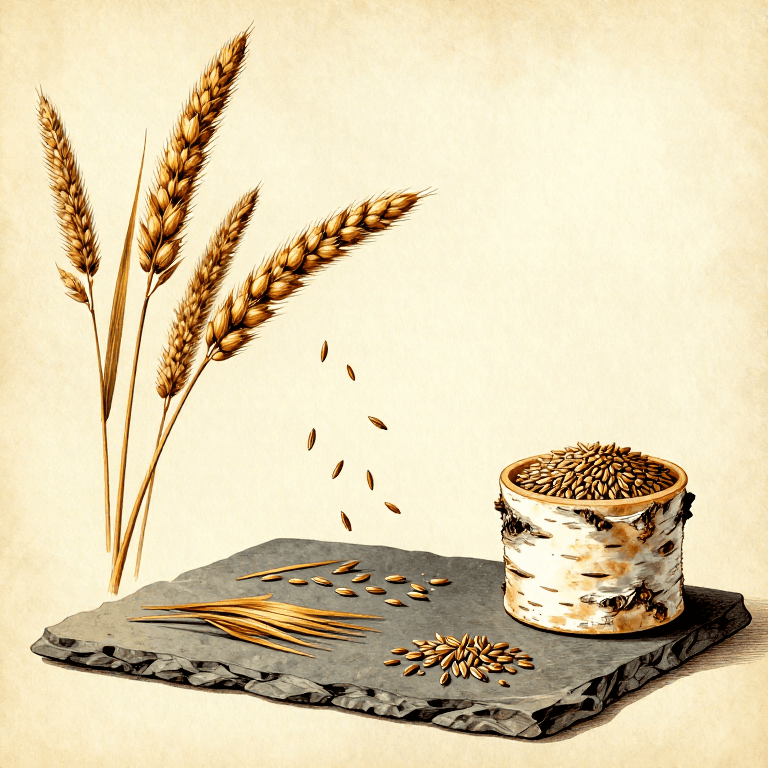
Lettuce is, like the bean, a self-pollinating annual — its florets fertilise themselves as they open, so bees rarely mix varieties and the seed comes true with almost no isolation; you can grow several lettuces near each other and keep them all pure (a metre or two of space is ample). What makes lettuce its own lesson is the conflict between the crop and its seed. A lettuce plant spends its early life in a leafy, low rosette, pouring energy into the tender leaves we eat and NOT flowering — but warmth and lengthening days eventually flip it into reproductive mode, and it 'bolts': it stretches up a tall stem and rushes to flower and seed. Bolting ruins it for the kitchen (the leaves turn milky and bitter as the plant redirects everything to seed), which is why gardeners dread it — but bolting is exactly, and only, how you get seed. So seed-saving lettuce is simply a matter of surrendering a few plants to the process you normally prevent. Its flowers reveal a hidden relationship, too: lettuce belongs to the daisy/sunflower family (Asteraceae), so each bloom is a composite of many tiny florets, and each seed sails on a dandelion parachute — which is the one tricky part of the harvest, because ripe seed shatters and blows away, so you must catch it in a bag rather than wait for it all to be ready at once. Domesticated from wild lettuce by the ancient Egyptians over four thousand years ago, it is one of the oldest salad crops — and one of the easiest to keep going yourself.
Vật liệu
6- 1 packetTạm thời
- 1 bagTạm thời
- Tạm thời
- 1 cáiTạm thời
- 1 tờTạm thời
- 1 cáiTạm thời
Công cụ yêu cầu
2- Tạm thời
- Tạm thời
Bản thiết kế này làm ra

Blueprint liên quan
Các blueprint này chia sẻ kiến thức — kỹ thuật, vật liệu hoặc nguyên tắc
CC0 Phạm vi công cộng
Bản thiết kế này được phát hành theo CC0. Bạn tự do sao chép, sửa đổi, phân phối và sử dụng cho bất kỳ mục đích nào mà không cần xin phép.
Hỗ trợ nhà sáng tạo bằng cách mua sản phẩm qua bản thiết kế, nơi họ nhận Hoa hồng nhà sáng tạo do nhà bán hàng đặt, hoặc tạo phiên bản mới và kết nối trong bản thiết kế riêng để chia sẻ doanh thu.