NGHỆ THUẬT
LÀM ĐẸP VÀ SỨC KHỎE
THỦ CÔNG
VĂN HÓA VÀ LỊCH SỬ
GIẢI TRÍ
MÔI TRƯỜNG
THỰC PHẨM VÀ ĐỒ UỐNG
KỸ THUẬT NGƯỢC
KHOA HỌC
THỂ THAO
CÔNG NGHỆ
THIẾT BỊ ĐEO
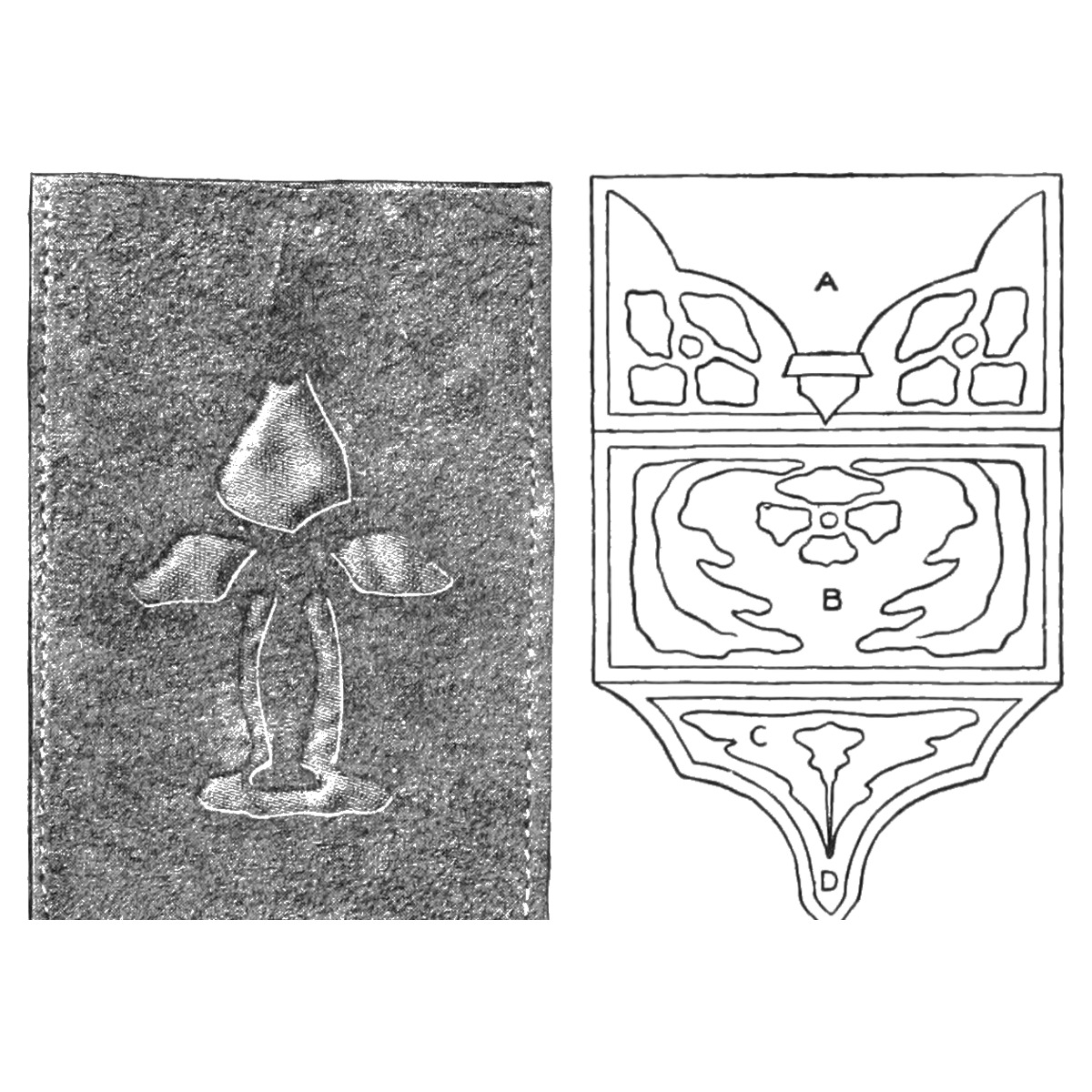


Tooled Stamp Case or Needle Book: Three-Part Fold With a Tongue-and-Slit Closure (Boy Mechanic, 1915)
Mary C. Scovel's needle book or stamp case (The Boy Mechanic, Book 2, 1915): a 6-1/4 by 3-3/4 in piece of Russian calf folded in three, the flap ending in a long narrow tongue that slips through two slits in the front.
Cơ bản
About 2 hours
Hướng dẫn
1
1
Print your template
Print your template
Draft and print her stamp case template at 100 % (check the 10 cm square on page 1), cut it out on the solid line and trace it onto the leather, leaving the 1/4 in margin (the dotted line) for pinning down.
Vật liệu cho bước này:
 Giấy1 as required
Công cụ cần thiết:
 Máy in phun
 Kéo
2
2
Her sizes in centimetres
Her sizes in centimetres
Đang tải sổ tay Jupyter…
3
3
Read The Boy Mechanic, Book 2
Read The Boy Mechanic, Book 2
Her outfit: "two special tools costing 50 cents each, one with a narrow edge for lining patterns, and one with broad ends for tooling; and a piece of tin, plate glass, or very smooth hard wood, which should not be smaller than 9 by 12 in. A soft sponge, a triangle, a rule, tracing paper and a hard pencil are also needed." Russian calfskin is best for tooling and stamping.
4
4
Make the paper pattern
Make the paper pattern
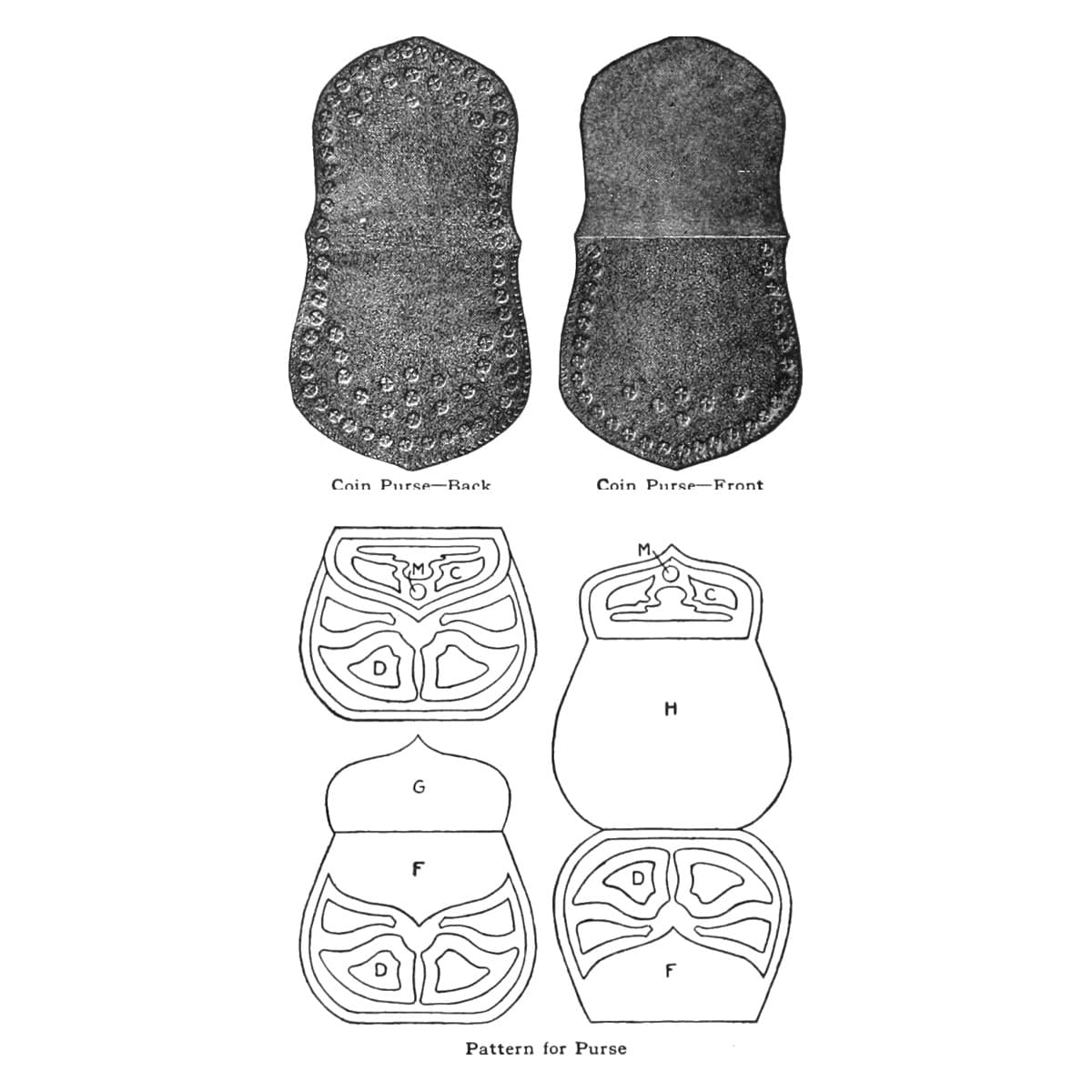
Cut Russian calf 6-1/4 by 3-3/4 in, which allows 1/4 in on each side and end for pinning. Fold paper into three equal parts: A the front; B the back, folded under A; C the flap, which folds up with B and over A. With the pattern open, all the design is on the same side; the design for B goes on upside down so it reads upright when folded. Shape C as you like, but keep its tongue D long and narrow.
Vật liệu cho bước này:
 Da bê1 cái
Công cụ cần thiết:
 Giấy can
 Bút chìKéo
 Thước kẻ
5
5
Damp the leather and transfer the design
Damp the leather and transfer the design
Draw the whole design for the stamp case on tracing paper. Wet the leather on the wrong (unfinished) side with a soft sponge: pat it to moisten, not soak, it; too wet and the tool sticks and leaves an uneven background. Pin the design firmly on the leather, tack the leather down on its outer margin to the glass or board, and go over every line with a hard pencil, with firm, even pressure. Lift the paper and go over the lines with the narrow lining tool, with a strong, firm stroke. A line design can stop here.
Vật liệu cho bước này:
Da bê1 cáiCông cụ cần thiết:
 Bọt biểnGiấy canBút chì
 Đinh mũ bấm (hộp 50 cái)
 Tấm kính
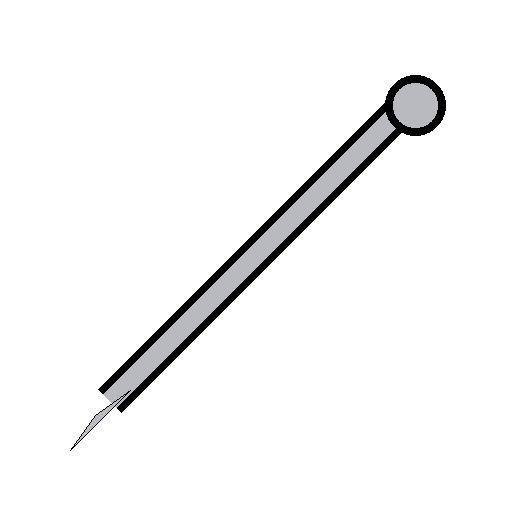 Dụng cụ tạo hình da
6
6
Tool or stamp the background
Tool or stamp the background
Leave at least 1/8 in between the edge of the pattern and the design. To tool, press the background down with the broad end in even, long strokes; if it will not go down, the leather is too dry, so take it off and damp the back again. Keep the edges sharp between pressed and raised parts. To stamp instead, strike a small carpenter's nail set lightly with a wooden mallet in rows of circles; too hard a blow cuts the leather.
Công cụ cần thiết:
Dụng cụ tạo hình da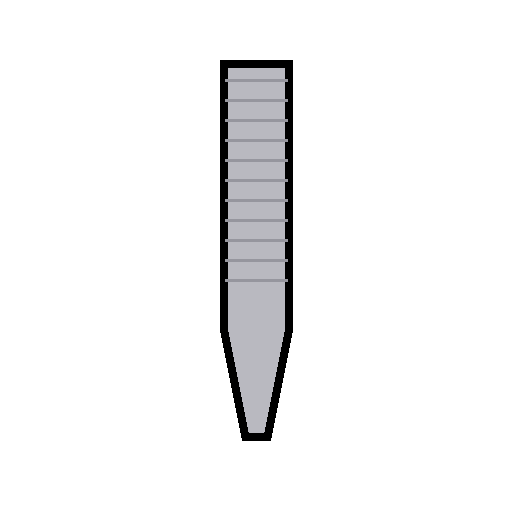 Đột đóng đinh chìm
 Vồ gỗBọt biển
7
7
Cut the slits and sew
Cut the slits and sew
Make two horizontal cuts in the front A about 3/16 in apart, a little wider than the tongue, as far from the bottom of A as the narrowest part of the tongue is from its end, so the tongue fits them. Sew parts A and B together. Stitch on a sewing machine with a long stitch, a large needle and silk as heavy as the needle takes; try it on a scrap first, and put tissue paper over the leather if the foot marks it. Without a machine, prick holes with an awl and sew with needle and silk, running or over-and-over; going over-and-over to the end and back gives an X stitch.
Vật liệu cho bước này:
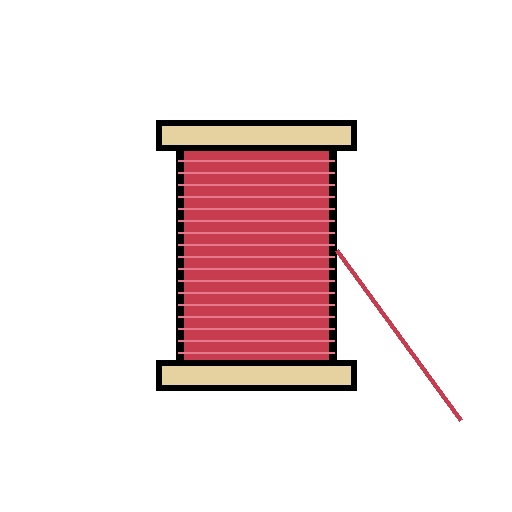 Chỉ tơ tằm1 cái
Công cụ cần thiết:
 Dao rọc thủ côngThước kẻ
 Máy khâu
 Dùi
 Hai kim khâu yên
8
8
Troubleshooting
Troubleshooting
Stamp case troubleshooting.
Flow
Loading...
9
9
History and honest limits
History and honest limits
From Mary C. Scovel, "Arts-Crafts Leather Work", in **The Boy Mechanic, Book 2**, Popular Mechanics, 1915 (Project Gutenberg 44585; checked on the archive.org scan boymechanicbook200chic2, pp. 432-441), Part I. Part II adds that ooze cow or calf can be used with a cut-out design lined with silk; that version is not made here. The tools and metric figures are ours.
Công cụ yêu cầu
15- Tạm thời
- Tạm thời
- Tạm thời
- 1 vendor sell this, none ship to you yetTạm thời
- Tạm thời
- Tạm thời
- Tạm thời
- Tạm thời
- Tạm thời
- Tạm thời
- Tạm thời
- Tạm thời
- Tạm thời
- Tạm thời
- Tạm thời
Bản thiết kế này làm ra
Blueprint liên quan
Các blueprint này chia sẻ kiến thức — kỹ thuật, vật liệu hoặc nguyên tắc
CC0 Phạm vi công cộng
Bản thiết kế này được phát hành theo CC0. Bạn tự do sao chép, sửa đổi, phân phối và sử dụng cho bất kỳ mục đích nào mà không cần xin phép.
Hỗ trợ nhà sáng tạo bằng cách mua sản phẩm qua bản thiết kế, nơi họ nhận Hoa hồng nhà sáng tạo do nhà bán hàng đặt, hoặc tạo phiên bản mới và kết nối trong bản thiết kế riêng để chia sẻ doanh thu.