NGHỆ THUẬT
LÀM ĐẸP VÀ SỨC KHỎE
THỦ CÔNG
VĂN HÓA VÀ LỊCH SỬ
GIẢI TRÍ
MÔI TRƯỜNG
THỰC PHẨM VÀ ĐỒ UỐNG
KỸ THUẬT NGƯỢC
KHOA HỌC
THỂ THAO
CÔNG NGHỆ
THIẾT BỊ ĐEO
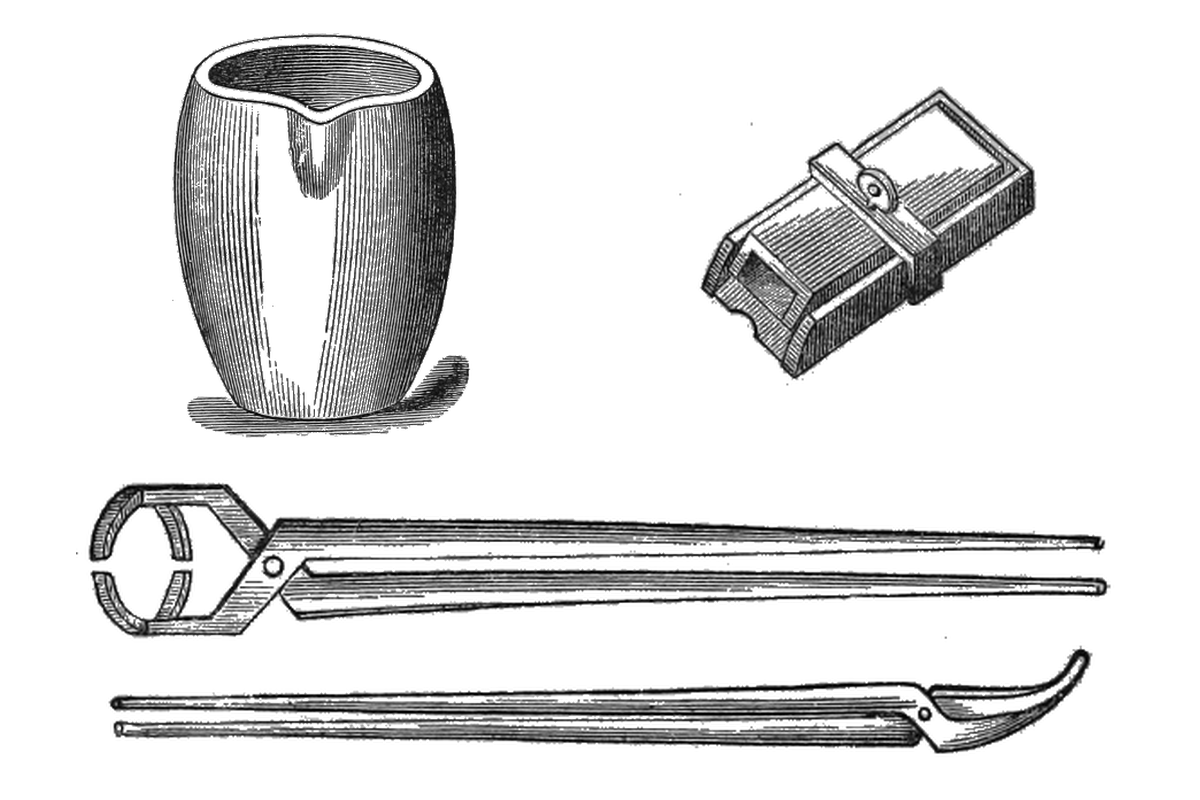


Silver Solder from Fine Silver, Copper and Spelter: Gee, 1877
Silver solder joins silver, copper and brass with a strong, hard seam. The silversmith George Gee preferred one made of fine silver, shot copper and a little spelter (zinc), melted only once: his best hard solder is 16 dwt of fine silver, 3 dwt 12 gr of shot copper and 12 gr of spelter to the ounce, about 80, 17.5 and 2.5 per cent. More copper and zinc make it flow sooner (his medium, easy and common solders). Silver and copper alone give the hardest, least fusible solder; too much zinc makes it eat away during soldering.
Trung cấp
Two hours
Hướng dẫn
1
1
Weigh the metals
Weigh the metals
Đang tải sổ tay Jupyter…
Vật liệu cho bước này:
 Bạc nguyên chất80 g
 Thỏi đồng17.5 g
 Thỏi kẽm2.5 g
Công cụ cần thiết:
 Cân
Cân Đục nguội
2
2
Anneal and test the crucible
Anneal and test the crucible
Before a new plumbago (graphite) crucible is charged, heat it slowly to redness on a fire that is dying down and has no blaze, so it does not crack. Touch it with a cold iron bar: if cracks show, reject it.
Công cụ cần thiết:
 Nồi nấu kim loại graphit-đất sét
 Lò than
 Kìm gắp nồi nấu kim loại
3
3
Melt silver and copper
Melt silver and copper
Put the copper at the bottom of the crucible, the silver on top, and melt them in the furnace. Stir them well together with an iron stirrer, tapered at the point and first heated to redness. When the metals are just beginning to fuse, cover the melt with finely divided, pure charcoal to keep the air off it.
Vật liệu cho bước này:
 Than củi - nghiền mịn1 as required
Công cụ cần thiết:
Lò than Que khuấy sắt
 Găng tay chịu nhiệt
4
4
Add the spelter
Add the spelter
Hold the spelter in a long pair of tongs over the mouth of the crucible, inside the furnace, until it has almost reached its melting point, then drop it into the molten metal and stir quickly so it mixes in. Zinc burns away quickly in the air, so it goes in last.
Công cụ cần thiết:
 Kẹp gắpQue khuấy sắtGăng tay chịu nhiệt
5
5
Pour the ingot
Pour the ingot
Withdraw the crucible from the furnace at once and pour into an ingot mould that is clean, smooth, lightly greased, dusted with fine charcoal and warmed: a cold mould makes the metal spout, but do not overheat it either. Melt solder only once; Gee found that solders containing volatile metals grow hard, brittle and drossy with repeated melting.
Vật liệu cho bước này:
Than củi - nghiền mịn1 as requiredCông cụ cần thiết:
Kìm gắp nồi nấu kim loại Khuôn đúc thỏiGăng tay chịu nhiệt
6
6
Roll into pallions or file to dust
Roll into pallions or file to dust
Roll the solder out thin between flattening rollers and cut it lengthways and then crossways with hand shears into little bits (pallions), or file it into fine dust, according to the work in hand. The work is then bound together, wetted with a paste of borax and water, and the pallions laid on the joints and melted with a blowpipe flame.
Công cụ cần thiết:
 Máy cán
 Kéo cắt kim loại
 Giũa (giũa tay)
Vật liệu
4- 80 gTạm thời
- 17.5 gTạm thời
- 2.5 gTạm thời
- 1 as requiredTạm thời
Công cụ yêu cầu
12- Tạm thời
- Tạm thời
- Tạm thời
- Tạm thời
- Tạm thời
- Tạm thời
- Tạm thời
- Tạm thời
- Tạm thời
- Tạm thời
- Tạm thời
- Tạm thời
Bản thiết kế này làm ra

Blueprint liên quan
Các blueprint này chia sẻ kiến thức — kỹ thuật, vật liệu hoặc nguyên tắc
Nguy hiểm
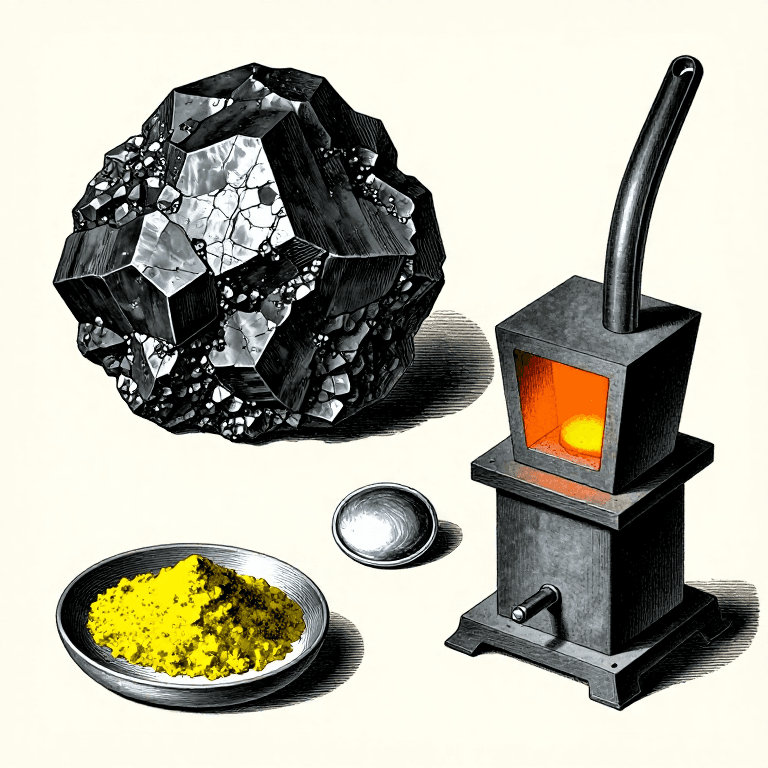
Extracting Silver by Cupellation — Separating Noble Metal from Lead Ore
bởi Peter
Gia công kim loại
70
0
0
0
2
0
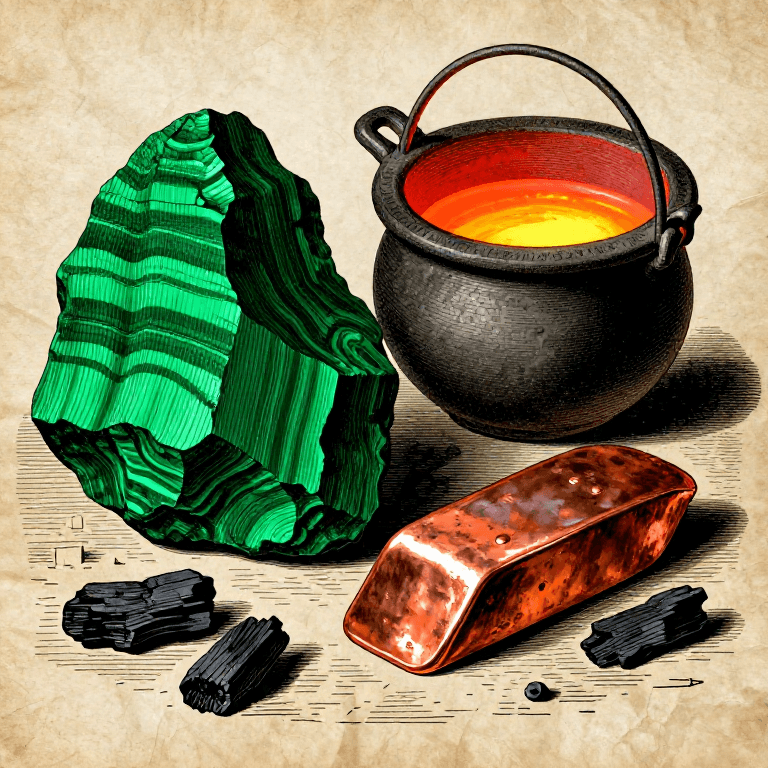
Smelting Copper from Malachite — From Green Ore to Red Metal
bởi Peter
Gia công kim loại
104
0
0
0
10
0
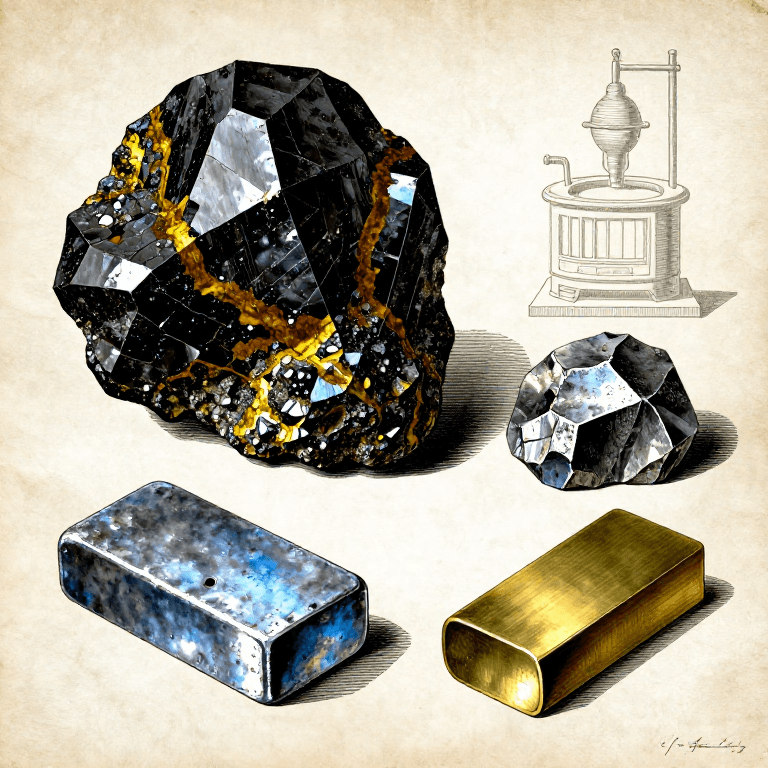
Extracting Zinc from Sphalerite — Roasting and Reduction of the Invisible Metal
bởi Peter
Gia công kim loại
77
0
0
0
8
0
CC0 Phạm vi công cộng
Bản thiết kế này được phát hành theo CC0. Bạn tự do sao chép, sửa đổi, phân phối và sử dụng cho bất kỳ mục đích nào mà không cần xin phép.
Hỗ trợ nhà sáng tạo bằng cách mua sản phẩm qua bản thiết kế, nơi họ nhận Hoa hồng nhà sáng tạo do nhà bán hàng đặt, hoặc tạo phiên bản mới và kết nối trong bản thiết kế riêng để chia sẻ doanh thu.