NGHỆ THUẬT
LÀM ĐẸP VÀ SỨC KHỎE
THỦ CÔNG
VĂN HÓA VÀ LỊCH SỬ
GIẢI TRÍ
MÔI TRƯỜNG
THỰC PHẨM VÀ ĐỒ UỐNG
KỸ THUẬT NGƯỢC
KHOA HỌC
THỂ THAO
CÔNG NGHỆ
THIẾT BỊ ĐEO
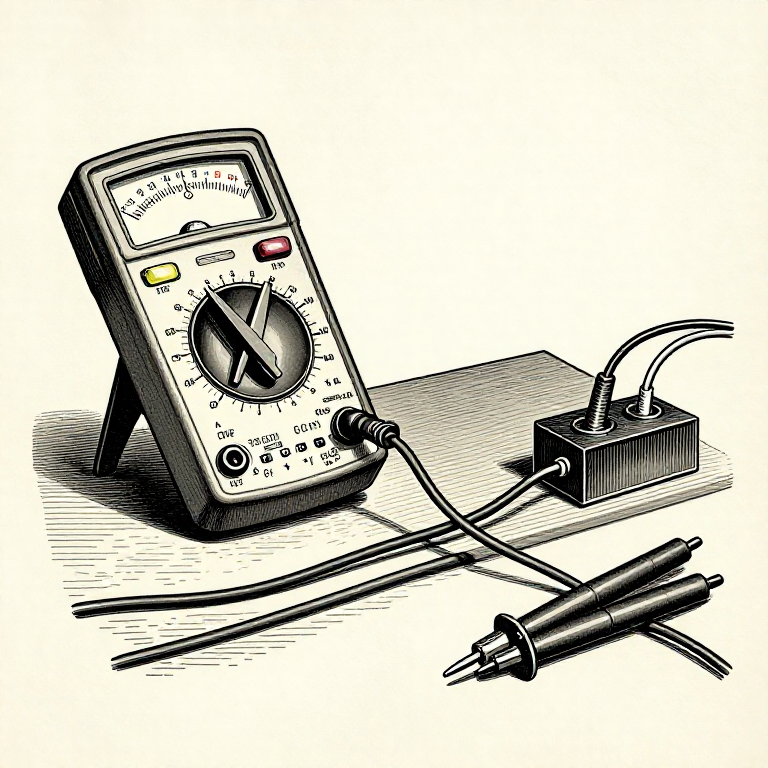


Testing What You Wired: Continuity, Polarity, Then Power
Every wiring job should be tested before it is powered, in a fixed order: continuity first, then isolation, then polarity, and only then power.
The order matters because each test is cheap and the mistakes it catches get more expensive as you go. A shorted supply found with a meter costs nothing; the same short found by switching on costs a board.
This is the mirror of the published fault-finding rung. That one is for when something has gone wrong; this one is the ten minutes that means it does not.
Cơ bản
2 hours
Hướng dẫn
1
1
Continuity: does each wire go where you think?
Continuity: does each wire go where you think?
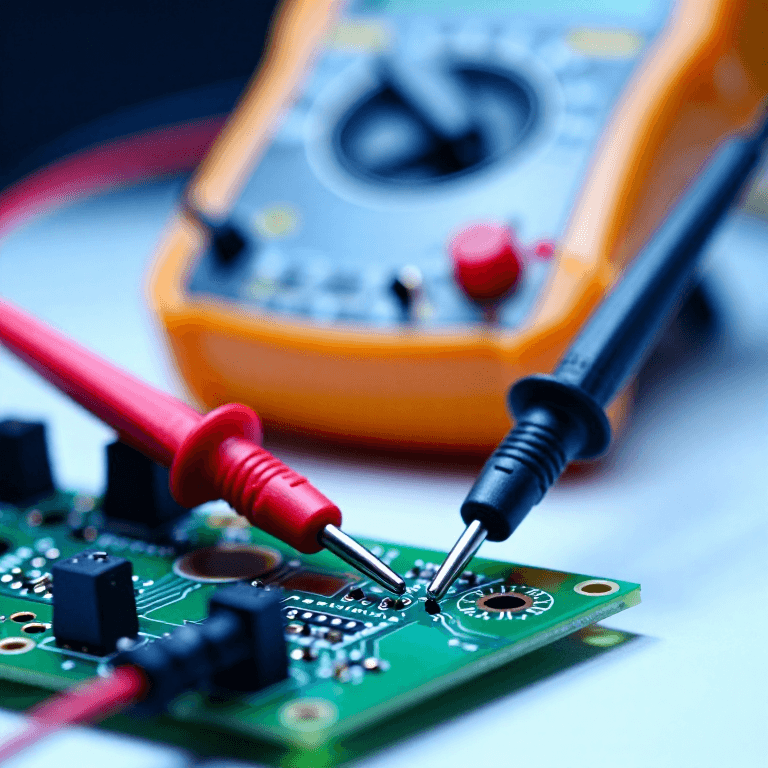
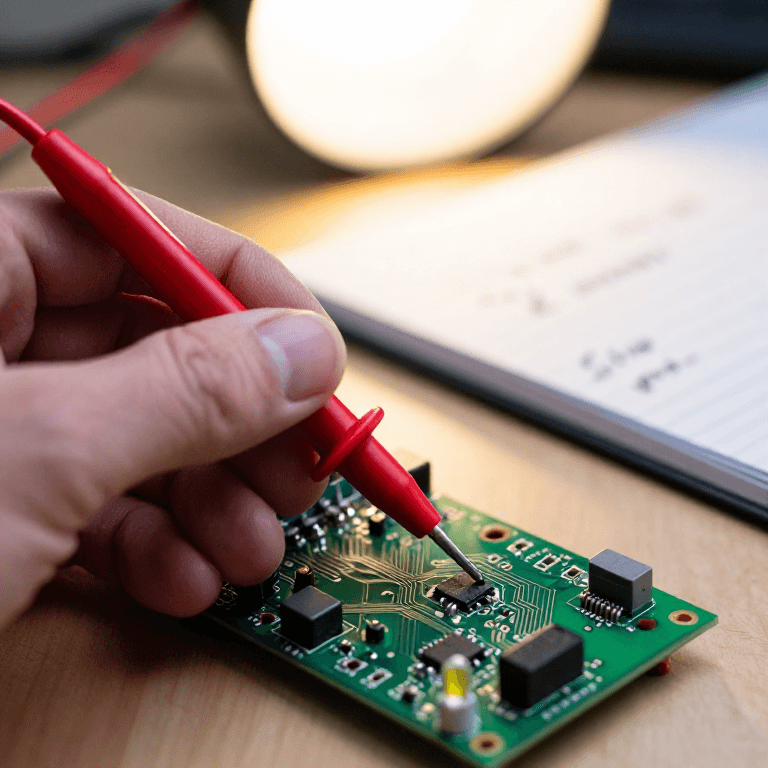
Set the meter to continuity and check every connection end to end. It should beep from the pin at one end to the pin at the other, and the reading should be a fraction of an ohm.
A reading of a few ohms on a short wire means a bad joint — a poor crimp, a cold solder joint, or a screw terminal that is not actually gripping. It will work today and warm up later, so chase it now.
Wiggle each joint while the probes are on it. An intermittent connection will break the beep, and finding that on the bench is a completely different proposition from finding it in a finished assembly.
Công cụ cần thiết:
 Đồng hồ vạn năng
 Kính lúp thợ kim hoàn
2
2
Isolation: does anything go where it should NOT?
Isolation: does anything go where it should NOT?
Now check between things that must not be connected: supply to ground, each signal to its neighbours, and everything to the metal chassis.
This is the test that catches a whisker of stray copper bridging two terminals, a screw pinching a wire against the case, or a conductor pushed too far into a terminal block so it touches the one beside it. None of those is visible.
Do it before every first power-up. It takes two minutes and it is the difference between a mistake you correct and a mistake that releases the smoke — the exact situation the fault-finding rung then has to deal with.
Công cụ cần thiết:
Đồng hồ vạn năngKính lúp thợ kim hoàn3
3
Polarity, and a current-limited first power-up
Polarity, and a current-limited first power-up
Check polarity at the load end, not at the supply. Everyone gets the supply right and it is the swap somewhere in the middle that does the damage.
For the first power-up, use a bench supply with the current limit turned down to just above what the circuit should draw. If something is wrong, the supply limits instead of the wiring burning — and the current limit light coming on tells you immediately.
With no bench supply, a fuse of the right size does a cruder version of the same job, and an inline ammeter tells you whether the current drawn is what you predicted. A circuit drawing far less than expected is as informative as one drawing far more.
Vật liệu cho bước này:
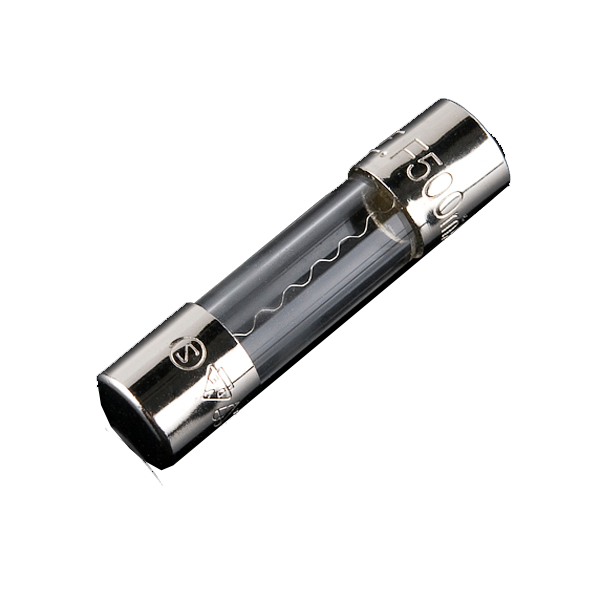 Fuse 5mm 250V 500mA1 cái
Công cụ cần thiết:
Đồng hồ vạn năng Đế cầu chì một chiều
 Kính bảo hộ trong suốt
4
4
Then feel it, and check it again after an hour
Then feel it, and check it again after an hour
With power on and everything working, touch each connection. Anything noticeably warm is a joint with resistance it should not have, and it is only going to get worse.
Warmth at a crimp means a poor crimp. Warmth at a screw terminal means it needs tightening — or that stranded wire went in without a ferrule and has crept. Warmth along a wire means the wire is undersized for the current, which the wire rung sizes properly.
Check again after an hour of running. Some faults only appear once everything has reached temperature, and an hour on the bench is much cheaper than discovering it in service.
Công cụ cần thiết:
Đồng hồ vạn năngKính lúp thợ kim hoànVật liệu
1- Fuse 5mm 250V 500mAHoa hồng 10%1 cái$1.17
Công cụ yêu cầu
4- Tạm thời
- Tạm thời
- Tạm thời
- Tạm thời
Tổng ước tính
Những gì người làm đã mua. Vật liệu không hiện giá thì bạn mua ở đâu tuỳ bạn.
Blueprint liên quan
Các blueprint này chia sẻ kiến thức — kỹ thuật, vật liệu hoặc nguyên tắc

CC0 Phạm vi công cộng
Bản thiết kế này được phát hành theo CC0. Bạn tự do sao chép, sửa đổi, phân phối và sử dụng cho bất kỳ mục đích nào mà không cần xin phép.
Hỗ trợ nhà sáng tạo bằng cách mua sản phẩm qua bản thiết kế, nơi họ nhận Hoa hồng nhà sáng tạo do nhà bán hàng đặt, hoặc tạo phiên bản mới và kết nối trong bản thiết kế riêng để chia sẻ doanh thu.