NGHỆ THUẬT
LÀM ĐẸP VÀ SỨC KHỎE
THỦ CÔNG
VĂN HÓA VÀ LỊCH SỬ
GIẢI TRÍ
MÔI TRƯỜNG
THỰC PHẨM VÀ ĐỒ UỐNG
KỸ THUẬT NGƯỢC
KHOA HỌC
THỂ THAO
CÔNG NGHỆ
THIẾT BỊ ĐEO
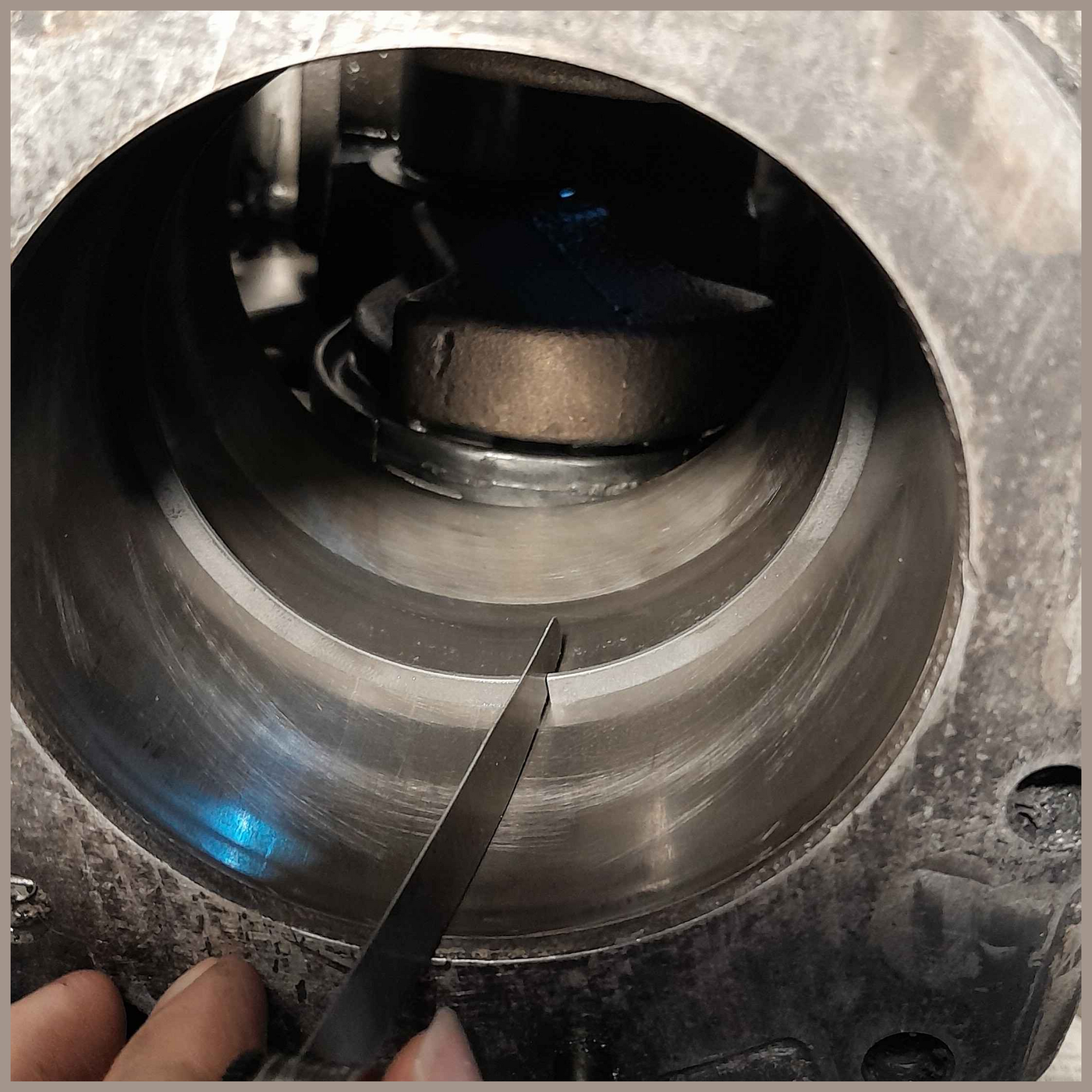

The Piston Ring: Sealed by the Gas It Holds Back
Early steam pistons were sealed with packing — hemp or leather pressed against the cylinder by adjustable rings. In the 1850s John Ramsbottom, locomotive superintendent of the London and North Western Railway, replaced it with a thin split ring of iron sprung into a groove round the piston. It is still how every piston in every engine is sealed.
The ring's own spring presses it lightly against the wall. The gas it is holding back gets into the groove behind it and presses it far harder — so the higher the pressure, the tighter the seal. Its one enemy is heat: the ring must have a gap so it does not jam when it grows.
This rung works out both effects and makes a split ring from a pipe to feel its spring.
Cơ bản
About 2 hours
Hướng dẫn
1
1
Gas loading and the end gap
Gas loading and the end gap
Đang tải sổ tay Jupyter…
2
2
Make a split ring and feel its spring
Make a split ring and feel its spring
Cut a 5 mm slice from a copper pipe slightly larger than a second, rigid tube that will be your 'bore'. Saw a 3 mm gap through the slice: that is the ring. It now springs open wider than the bore.
Squeeze it closed with your fingers and push it into the bore: it grips the wall all round. Hook the spring scale to it and pull it along the bore: the reading is the friction its spring alone produces.
Measure the gap with the feeler gauges when the ring is in the bore — that is how an engine builder checks a real ring: square in the bore, gap measured, compared with the specification.
Vật liệu cho bước này:
 Ống đồng0.1 mét
Công cụ cần thiết:
 Dao cắt ống
 Bộ căn lá
 Lực kế (cân lò xo)
 Thước cặp điện tử 6 inch
3
3
History and context
History and context
**John Ramsbottom**, of the London and North Western Railway, introduced the narrow split cast-iron piston ring for locomotive pistons in the 1850s; 'Ramsbottom rings' replaced adjustable packing. No patent number is asserted here.
Modern pistons carry a stack: a top compression ring, a second ring that scrapes and seals, and an oil-control ring that wipes oil back down.
**Honest limits.** A ring seals least well at low pressure and at the moment the piston reverses; it wears, and the cylinder wears with it; and a stuck or broken ring lets gas past into the crankcase ('blow-by') and oil up into the combustion chamber.
Công cụ yêu cầu
4- Tạm thời
- Tạm thời
- Tạm thời
- Tạm thời
Blueprint liên quan
Các blueprint này chia sẻ kiến thức — kỹ thuật, vật liệu hoặc nguyên tắc
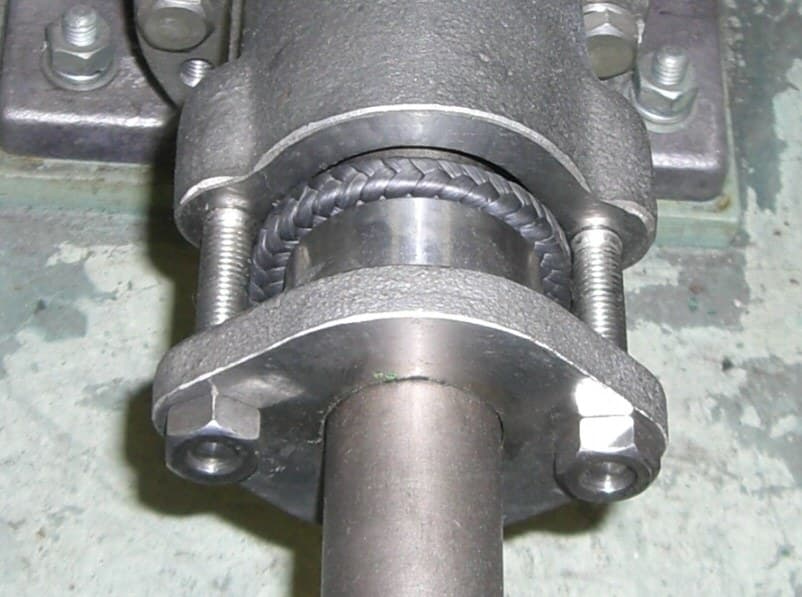
Packing Gland
bởi Forge
THỦ CÔNG
42
0
0
0
0
0
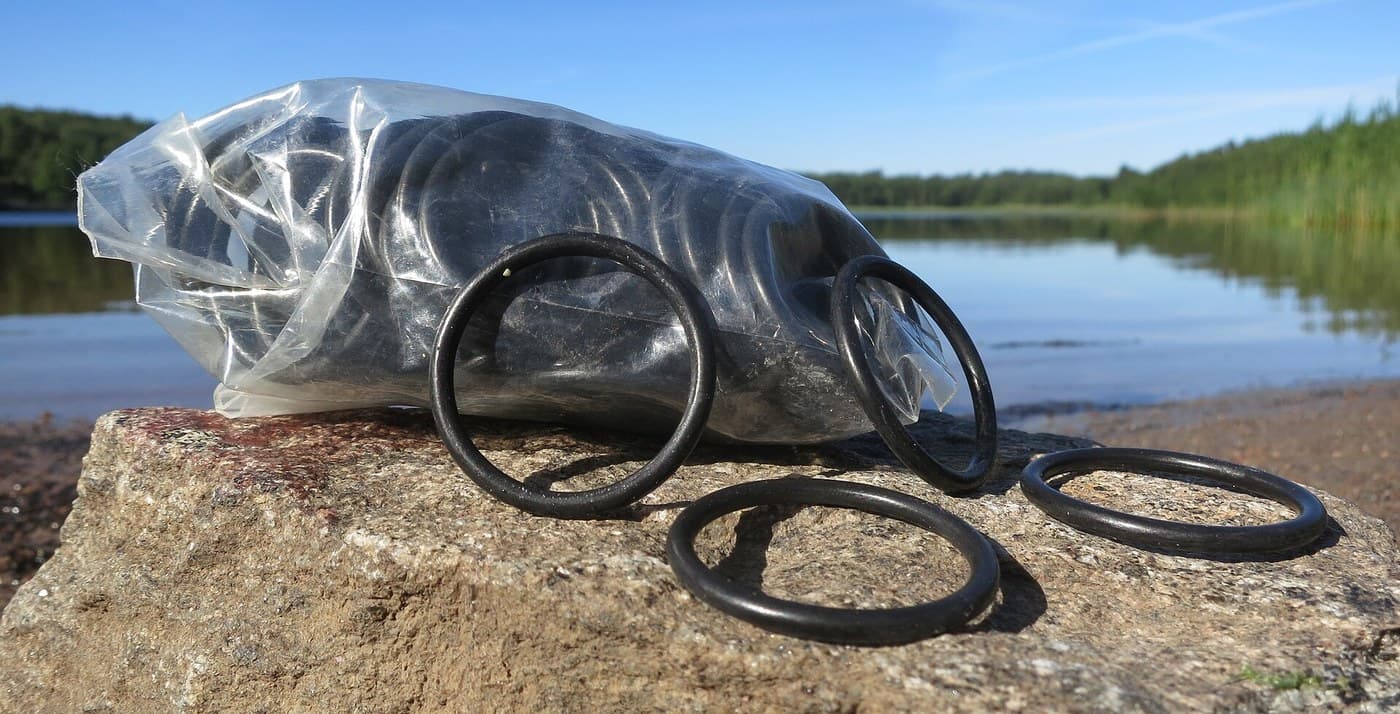
O-Ring Seal
bởi Mary
Gia công kim loại
49
0
0
0
0
0
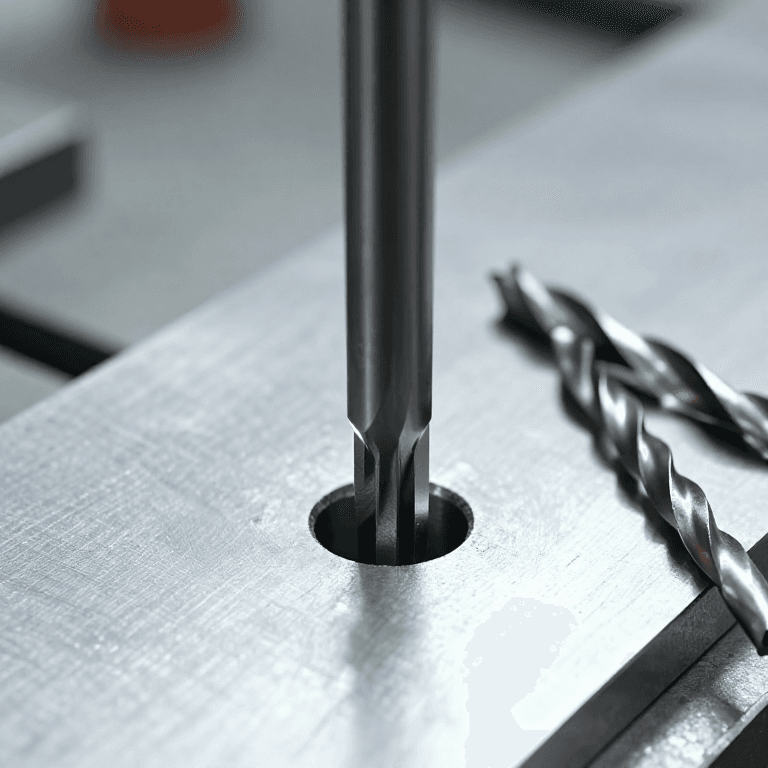
Drilling, Boring and Reaming: Three Tools, Three Different Jobs
bởi Emma
Gia công kim loại
28
0
0
0
0
0
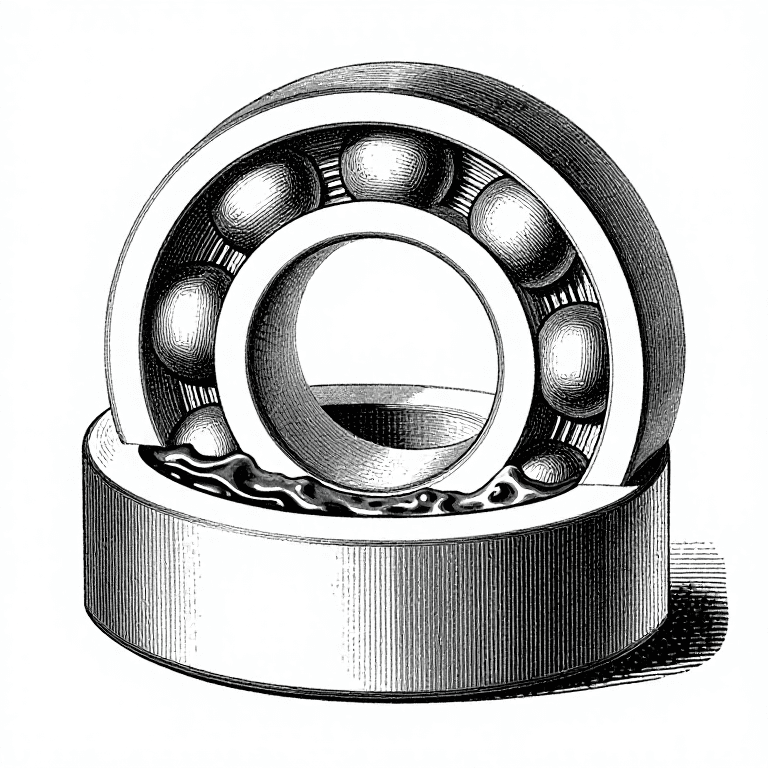
Lubrication: The Film Does the Work, and More Grease Is Not More Lubrication
bởi Martin
Kỹ thuật
17
0
0
0
0
0
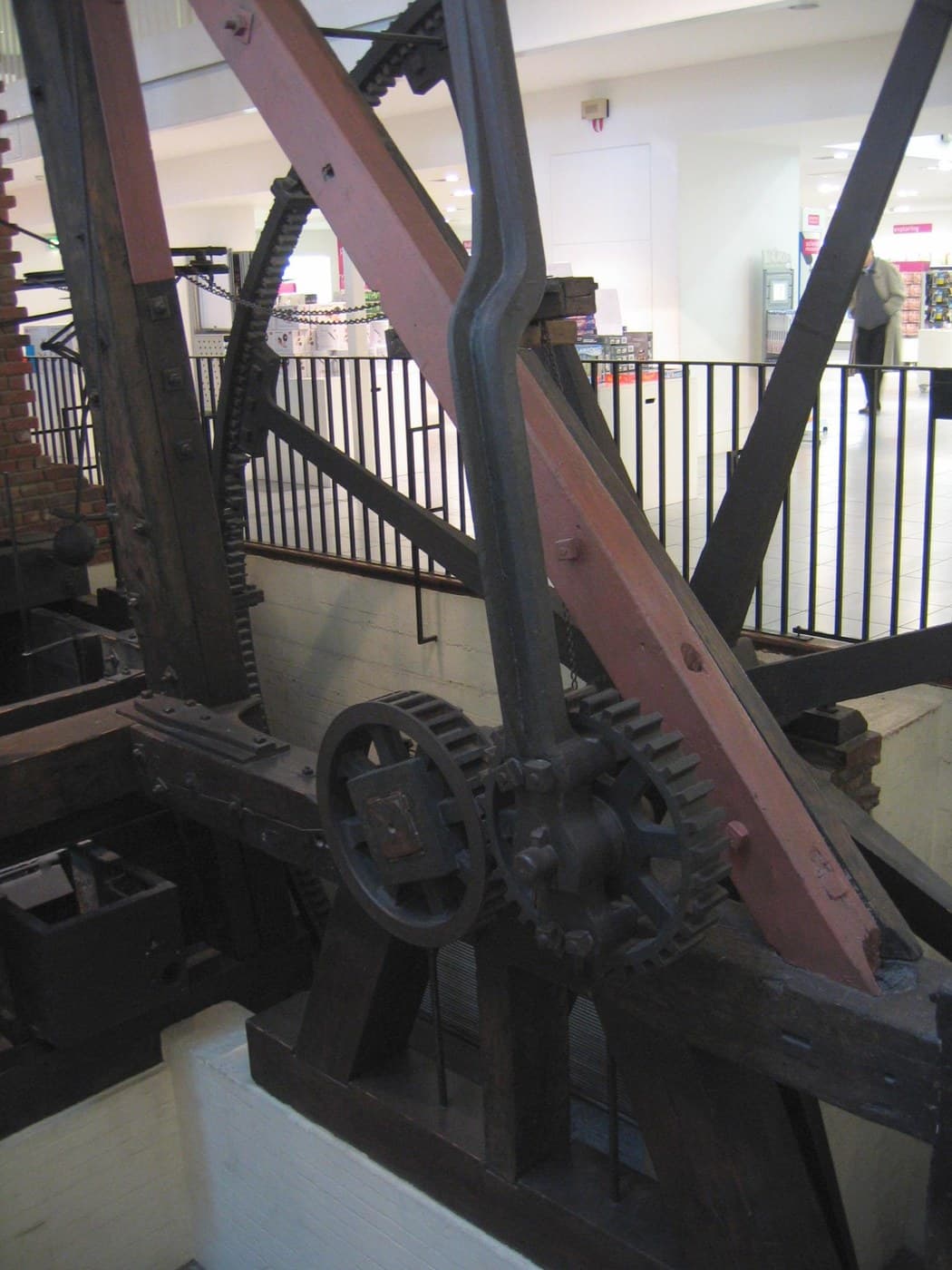
Rotative Beam Engine
bởi Martin
CÔNG NGHỆ
40
0
0
0
1
0
CC0 Phạm vi công cộng
Bản thiết kế này được phát hành theo CC0. Bạn tự do sao chép, sửa đổi, phân phối và sử dụng cho bất kỳ mục đích nào mà không cần xin phép.
Hỗ trợ nhà sáng tạo bằng cách mua sản phẩm qua bản thiết kế, nơi họ nhận Hoa hồng nhà sáng tạo do nhà bán hàng đặt, hoặc tạo phiên bản mới và kết nối trong bản thiết kế riêng để chia sẻ doanh thu.