NGHỆ THUẬT
LÀM ĐẸP VÀ SỨC KHỎE
THỦ CÔNG
VĂN HÓA VÀ LỊCH SỬ
GIẢI TRÍ
MÔI TRƯỜNG
THỰC PHẨM VÀ ĐỒ UỐNG
KỸ THUẬT NGƯỢC
KHOA HỌC
THỂ THAO
CÔNG NGHỆ
THIẾT BỊ ĐEO
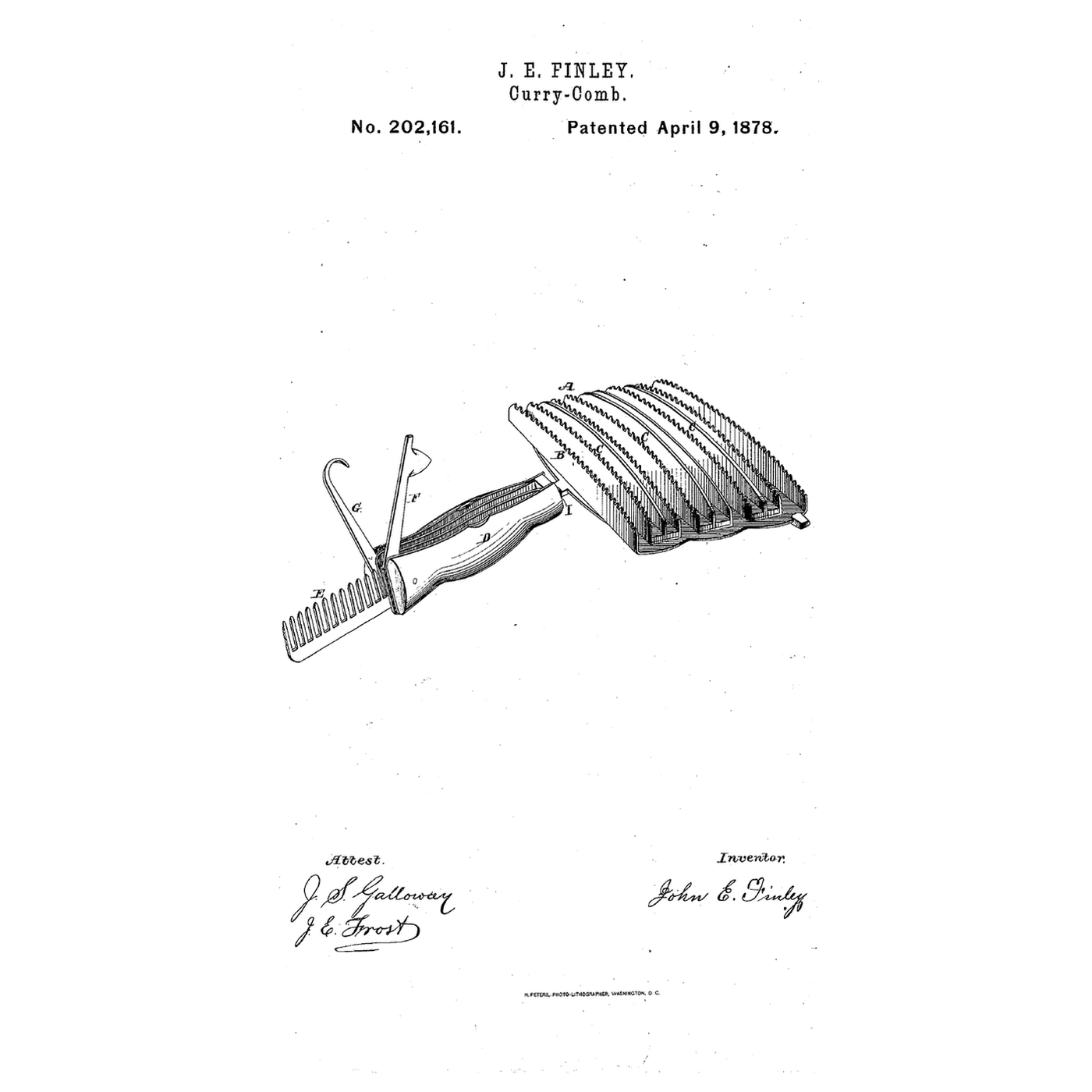


The Rubber-Barred Curry Comb: Curry Comb and Brush in One
A metal curry comb loosens dirt and dandruff in a horse's coat but leaves them lying there; a brush has to follow it.
John E. Finley of Memphis, Tennessee, received US 202,161, dated 9 April 1878, for improvements in curry-combs: "by inserting a few bars of yielding material or india-rubber between the bars containing the teeth of the curry-comb", the rubber bars "take hold of all loose hair and dandruff and remove them from the hide of the animal. Acting as a curry-comb and brush combined". His handle unscrews and carries a comb, a lancet and a hoof-cleaner.
This rung works out how the rubber bars spread the hand's force, then fits rubber bars into a metal curry comb and compares it with the plain comb.
Cơ bản
About 2 hours
Hướng dẫn
1
1
Teeth alone against teeth and rubber
Teeth alone against teeth and rubber
Đang tải sổ tay Jupyter…
2
2
The comb being improved
The comb being improved
The embedded blueprint makes a sheet-metal curry comb. Finley's improvement goes between its rows.
3
3
Read US 202,161
Read US 202,161
"The primary use of a curry-comb is to loosen and clean the dirt or dandruff from the horse's hide, and clean and smooth the hair of the animal. With the ordinary curry-comb this is all that is effected; but by inserting a few bars of yielding material or india-rubber between the bars containing the teeth of the curry-comb, as shown in the drawing hereto annexed, the dandruff and dirt are largely removed, while the rubber bars take hold of all loose hair and dandruff and remove them from the hide of the animal."
"C C represent bars of india-rubber, standing between the rows of teeth and about the same height."
4
4
Fit rubber bars and compare
Fit rubber bars and compare
Measure the gap between the rows of your curry comb and the height of the teeth with the caliper. Cut strips of rubber sheet as long as the rows, as wide as the gap less 1 mm, and as tall as the teeth.
Coat the back plate between the rows and one edge of each strip with contact cement, let both go tacky, and press the strips in so they stand upright between the rows. Leave them a day.
Dust a piece of wool felt with flour. Count the strokes the plain comb takes to clear it, then dust it again and count the strokes the rubber-barred comb takes. Do it three times each.
Vật liệu cho bước này:
 Tấm cao su1 cái
 Keo dán tiếp xúc1 cái
 Tấm nỉ len1 cái
 Bột mì1 cái
Công cụ cần thiết:
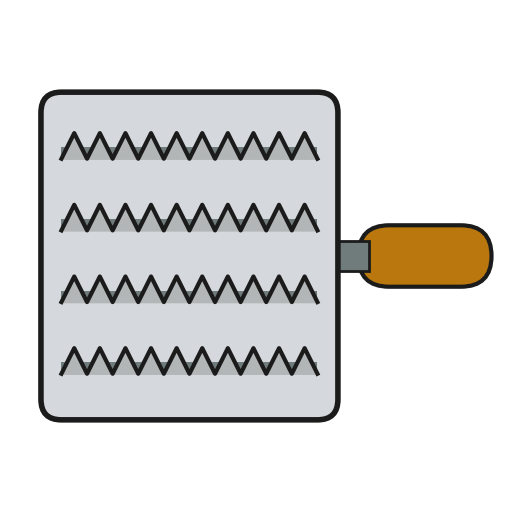 Lược chải ngựa
 Thước cặp điện tử 6 inch
 Dao rọc thủ công
 Thước kẻ
5
5
Bars that fall out or do nothing
Bars that fall out or do nothing
Rubber-barred comb troubleshooting.
Flow
Loading...
6
6
History and honest limits
History and honest limits
**John E. Finley** of Memphis, Shelby County, Tennessee, filed US 202,161 on 8 January 1878; it is dated 9 April 1878. His handle, "constructed as a knife with three blades", held a coarse comb, a lancet "for bleeding the animal in case of sickness" and a hoof-cleaner. The lancet is recorded here as history and is not built.
**Honest limits.** Rubber sheet and contact cement stand in for Finley's india-rubber bars. The notebook assumes teeth and bars carry the same pressure. Sizes are examples; your stroke counts are the result.
Vật liệu
4- 1 cáiTạm thời
- 1 cáiTạm thời
- 1 cáiTạm thời
- 1 cáiTạm thời
Công cụ yêu cầu
4- Tạm thời
- Tạm thời
- Tạm thời
- Tạm thời
Blueprint liên quan
Các blueprint này chia sẻ kiến thức — kỹ thuật, vật liệu hoặc nguyên tắc
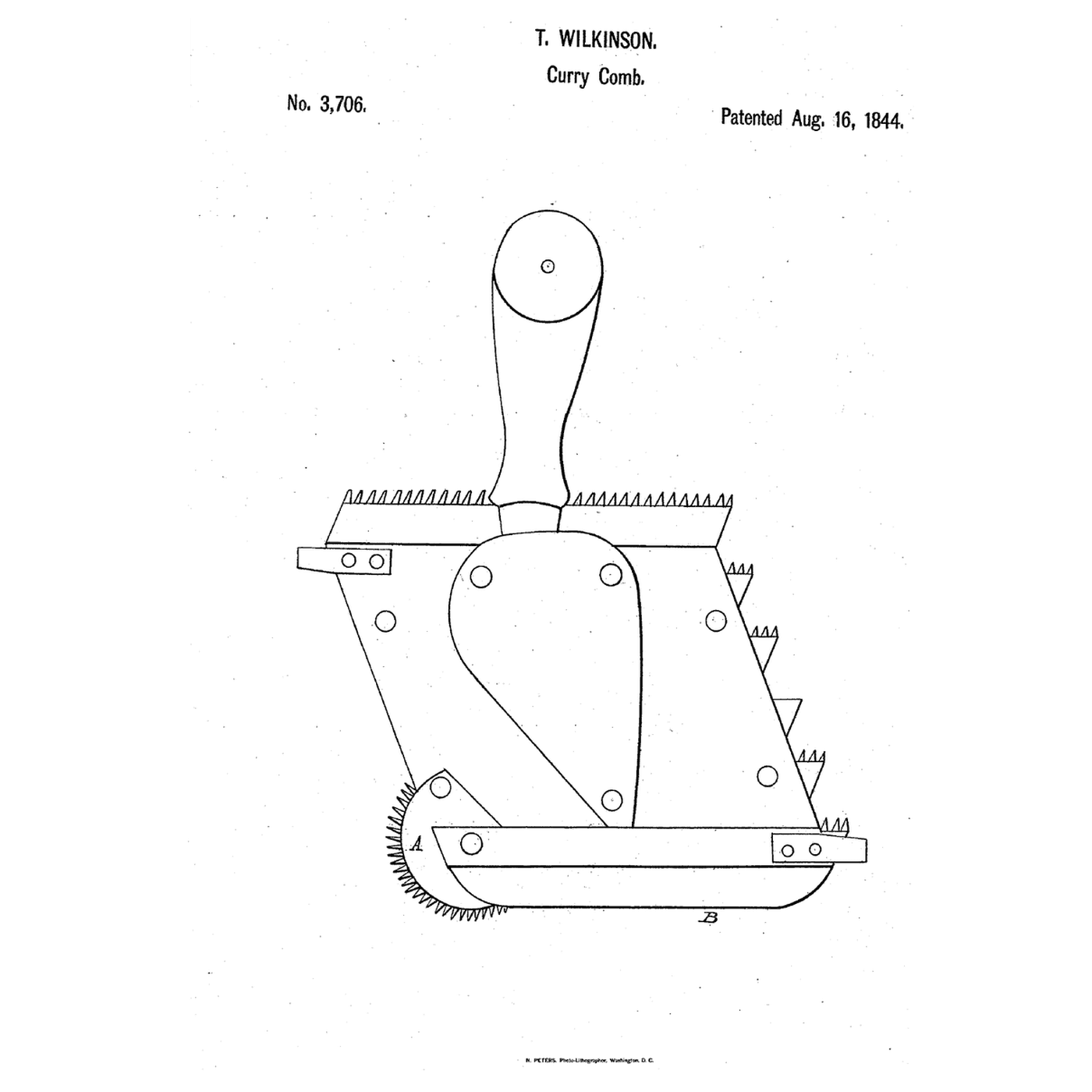
The Hock Curry Comb: A Toothed Half-Circle for the Hollows
bởi Forge
Gia công kim loại
1
0
0
0
0
0
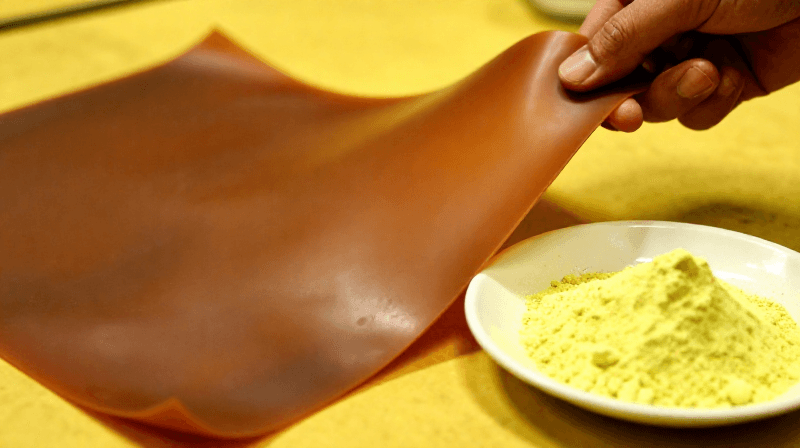
Vulcanizing Rubber with Sulfur — The Accidental Discovery That Put Tyres on the Road
bởi Charlie
Công nghiệp
86
0
0
0
3
0
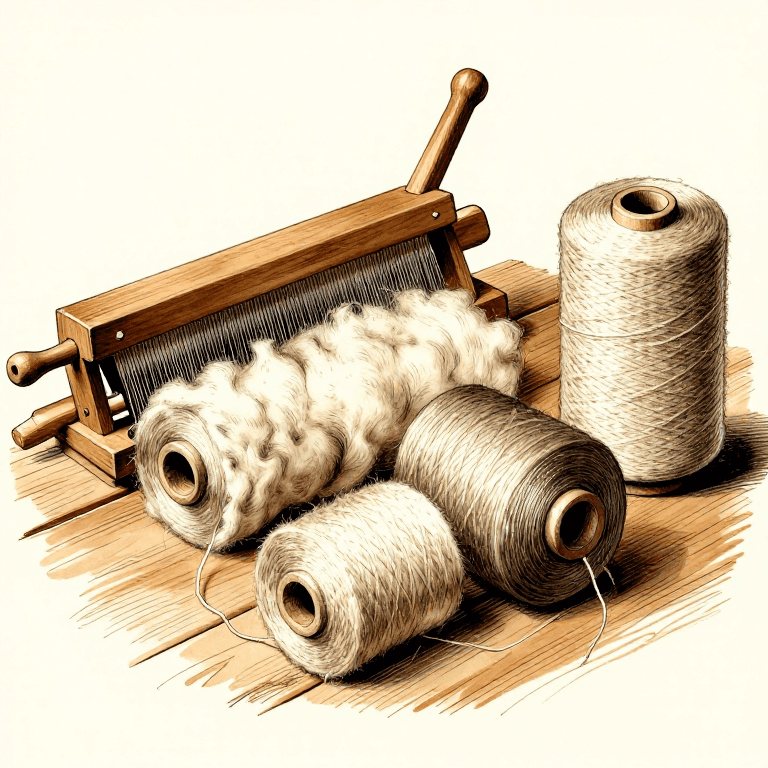
Carding and Combing Raw Wool for Spinning — Preparing Fleece for the Drop Spindle
bởi Tex
Cổ đại
42
0
0
0
7
0
CC0 Phạm vi công cộng
Bản thiết kế này được phát hành theo CC0. Bạn tự do sao chép, sửa đổi, phân phối và sử dụng cho bất kỳ mục đích nào mà không cần xin phép.
Hỗ trợ nhà sáng tạo bằng cách mua sản phẩm qua bản thiết kế, nơi họ nhận Hoa hồng nhà sáng tạo do nhà bán hàng đặt, hoặc tạo phiên bản mới và kết nối trong bản thiết kế riêng để chia sẻ doanh thu.