NGHỆ THUẬT
LÀM ĐẸP VÀ SỨC KHỎE
THỦ CÔNG
VĂN HÓA VÀ LỊCH SỬ
GIẢI TRÍ
MÔI TRƯỜNG
THỰC PHẨM VÀ ĐỒ UỐNG
KỸ THUẬT NGƯỢC
KHOA HỌC
THỂ THAO
CÔNG NGHỆ
THIẾT BỊ ĐEO
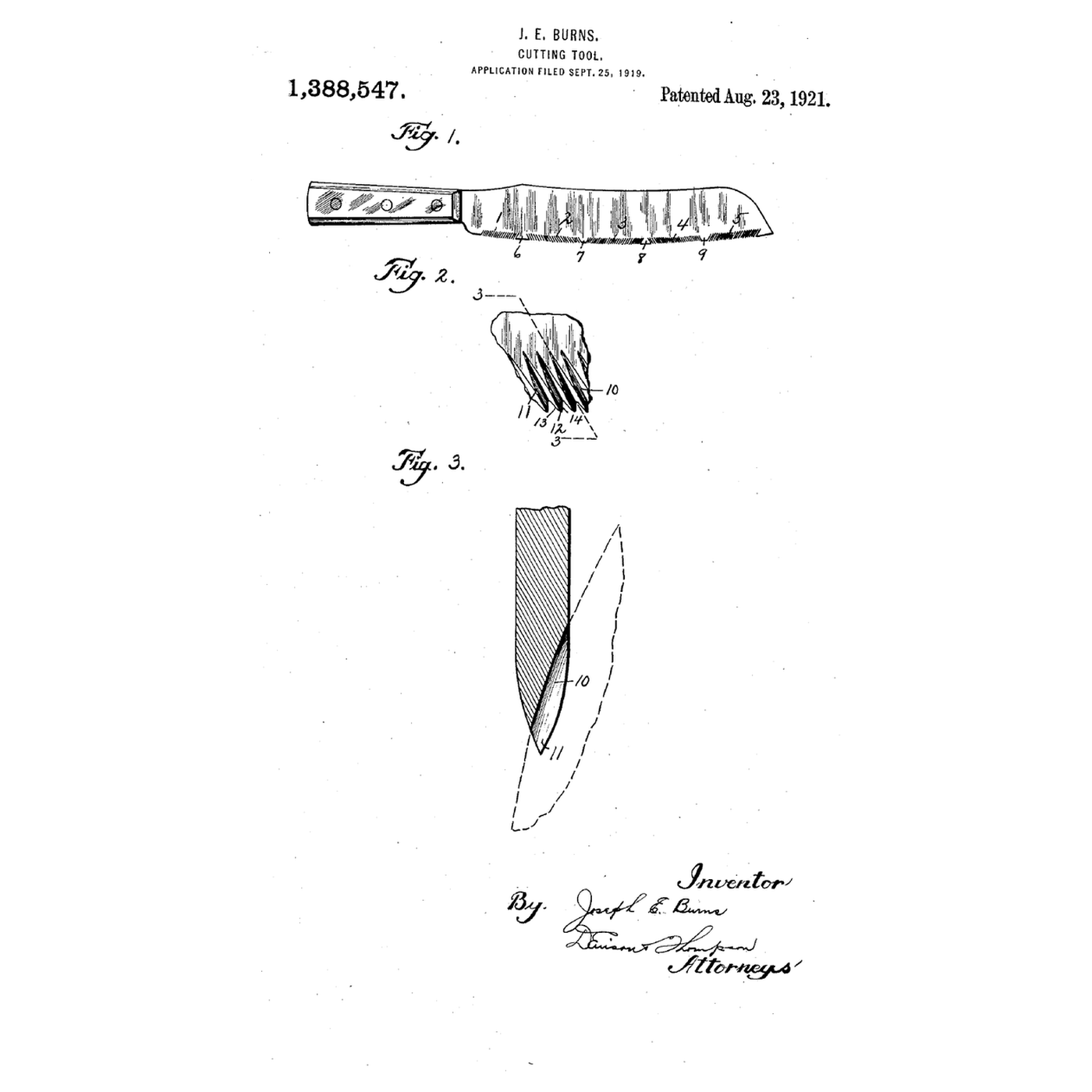


The Serrated Bread Knife: Teeth That Cut Both Ways
A plain knife squashes a fresh loaf before it gets through the crust, and tears the soft crumb inside.
Joseph E. Burns of Syracuse, New York, received US 1,388,547, dated 23 August 1921, for a knife whose edge is ground into several series of fine teeth, the grooves of each series inclined the opposite way to the next, with plain keystone-shaped parts between them, so that "it cuts rapidly and easily when drawn in either direction".
This rung works out how much harder teeth press than a plain edge, then files Burns's pattern of teeth into a plain kitchen knife and slices bread with it.
Trung cấp
About 2 hours
Hướng dẫn
1
1
Pressure at the teeth
Pressure at the teeth
Đang tải sổ tay Jupyter…
2
2
An edge for the job
An edge for the job
The embedded blueprint chooses the edge angle to suit the job. Burns shapes the edge itself into teeth to suit bread.
3
3
Read US 1,388,547
Read US 1,388,547
"The object of the invention is to produce an improved and highly efficient cutting blade" and "the invention of this application relates specifically to the formation and relative disposition of the grooves ground at the edge of the tool to form these serrations so that the knife cuts easily and rapidly when moved in either longitudinal direction."
"In practice I have found that by forming the knife as shown in Fig. 1, it cuts rapidly and easily when drawn in either direction and its efficiency for the purpose described is materially increased."
4
4
File teeth into a plain knife and slice bread
File teeth into a plain knife and slice bread
Clamp a plain kitchen knife edge-up in the vise with its blade protected by folded card. Mark five groups along the edge, each 2 cm long, with a 1 cm plain gap between groups.
In the first group, file grooves 2 mm apart into the edge with a round needle file held tilted about 20° towards the handle. In the next group tilt the file the other way, towards the tip, and so on alternately. File only on one side, then take the burr off the flat side with a light stroke of the whetstone.
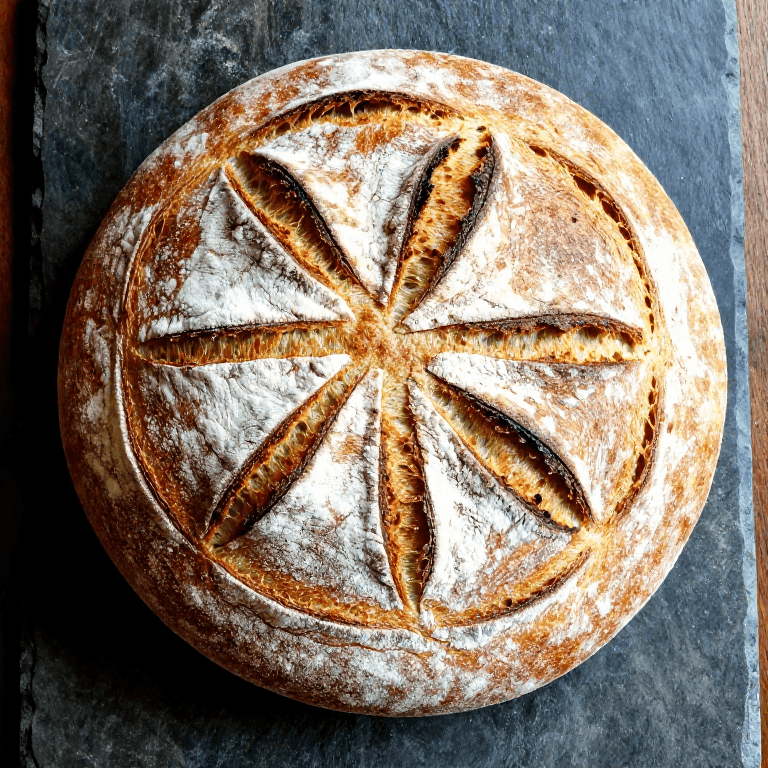
Slice a crusty loaf with a plain knife, then with the toothed one, counting the strokes for each slice and weighing the crumbs each leaves on the board.
Vật liệu cho bước này:
 Dao bếp1 cái
 Ổ bánh mì1 cái
Công cụ cần thiết:
 Dao cắt bánh mì
 Bộ giũa kim
 Đá mài
 Ê tô bàn nguội
 Bút dạ không xoá
 Thước kẻ
 Thước đo góc
 Cân nhà bếp điện tử
5
5
A toothed knife that tears, skids or dulls
A toothed knife that tears, skids or dulls
Serrated knife troubleshooting.
Flow
Loading...
6
6
History and honest limits
History and honest limits
**Joseph E. Burns** of Syracuse, New York, filed US 1,388,547 on 25 September 1919; it was patented 23 August 1921. He suggested grinding each series at once with a rotary wheel carrying one ridge per groove, though he wrote that this was "not essential" to the invention.
**Honest limits.** The notebook counts only where the edge touches; how deep the teeth are and how sharp their tips are matters too. Spacing and tip width are examples. Your stroke counts and crumb weights are the measurement.
Công cụ yêu cầu
8- Tạm thời
- Tạm thời
- Tạm thời
- Tạm thời
- Tạm thời
- Tạm thời
- Tạm thời
- Tạm thời
Blueprint liên quan
Các blueprint này chia sẻ kiến thức — kỹ thuật, vật liệu hoặc nguyên tắc


CC0 Phạm vi công cộng
Bản thiết kế này được phát hành theo CC0. Bạn tự do sao chép, sửa đổi, phân phối và sử dụng cho bất kỳ mục đích nào mà không cần xin phép.
Hỗ trợ nhà sáng tạo bằng cách mua sản phẩm qua bản thiết kế, nơi họ nhận Hoa hồng nhà sáng tạo do nhà bán hàng đặt, hoặc tạo phiên bản mới và kết nối trong bản thiết kế riêng để chia sẻ doanh thu.