NGHỆ THUẬT
LÀM ĐẸP VÀ SỨC KHỎE
THỦ CÔNG
VĂN HÓA VÀ LỊCH SỬ
GIẢI TRÍ
MÔI TRƯỜNG
THỰC PHẨM VÀ ĐỒ UỐNG
KỸ THUẬT NGƯỢC
KHOA HỌC
THỂ THAO
CÔNG NGHỆ
THIẾT BỊ ĐEO
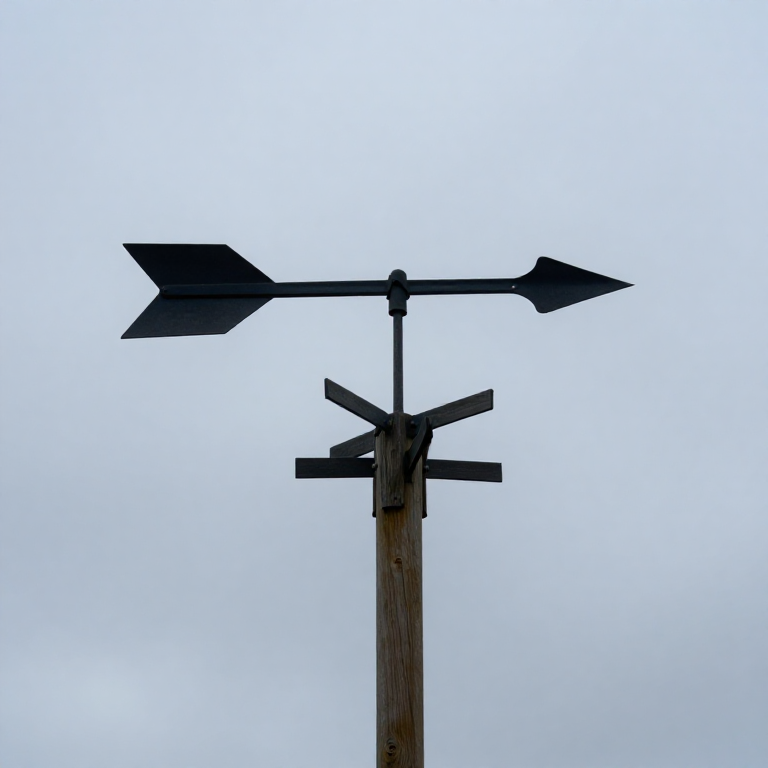


The Wind Vane: Measuring Direction and Gust
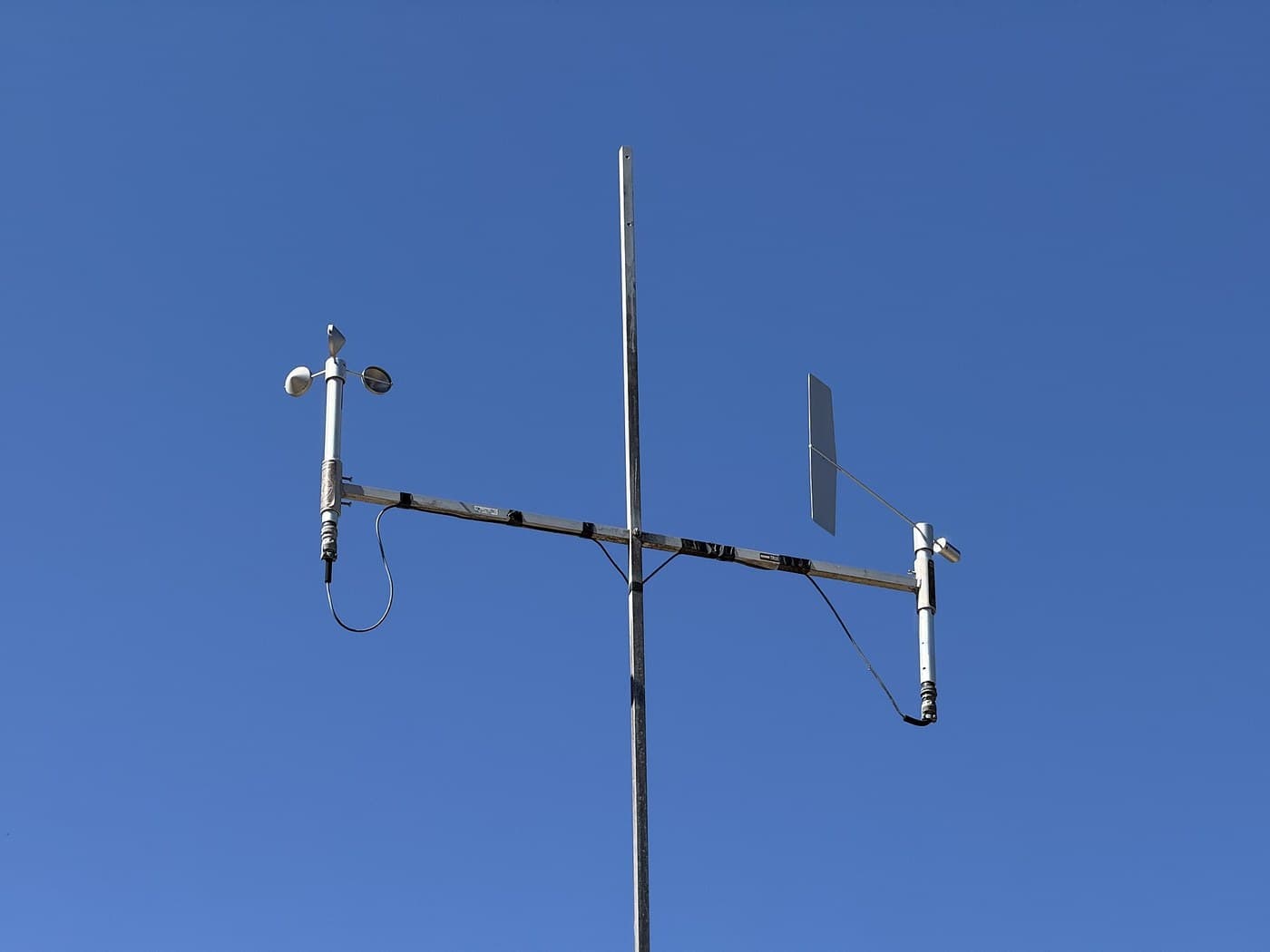
The anemometers already published here measure how fast the wind blows. This rung measures where it comes from — which, for forecasting, is the more useful half.
A vane is a fin on a bearing with more area behind the pivot than in front, so it weathercocks into the wind. That sounds trivial and is not: a vane that is too light chases every eddy and never settles, one that is too heavy lags real shifts, and one balanced wrongly sits at an angle in a steady breeze. The behaviour you want is a specific amount of damping, and it is a design choice.
By convention the direction reported is where the wind comes FROM. A northerly is cold and from the north; the same air moving would be called a southward flow by anyone else. It is a genuine trap and it has reversed more amateur observations than any other rule.
Trung cấp
1 day
Hướng dẫn
1
1
Get the balance and the area right
Get the balance and the area right
Make the tail broad and the nose short and weighted, then balance the whole assembly on the pivot so it sits level with no wind.
Area behind the pivot produces the turning moment; mass in front brings the centre of gravity onto the pivot so gravity does not bias it. An unbalanced vane reads a false direction that changes as the mast settles out of plumb — and because the bias is constant, it looks exactly like a genuine prevailing wind.
Vật liệu cho bước này:
 Tấm gỗ dán1 tờ
 Chốt gỗ2 cái
Công cụ cần thiết:
 Cưa tay
 Giấy nhám
2
2
Use a real bearing, mounted vertically
Use a real bearing, mounted vertically
Run the spindle in a ball bearing, or at minimum a hard point in a cup, and mount the mast truly vertical.
Friction sets the lightest wind the vane can respond to — the starting threshold — and a stiff bearing means your record simply has no data below about 2 metres per second. A mast out of plumb makes the vane drift toward the downhill side whenever the wind drops, which fills calm periods with a fictitious direction.
Vật liệu cho bước này:
 Vòng bi2 cái
Công cụ cần thiết:
 Thước kẻ
3
3
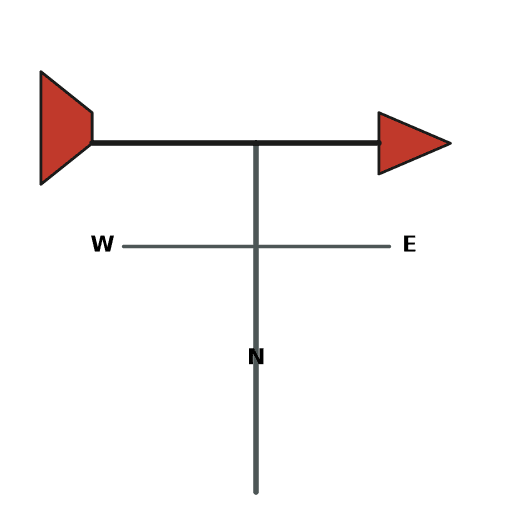
Orient the fixed points to TRUE north
Orient the fixed points to TRUE north
Fix the cardinal markers by true north, found from the sun at local noon or from a compass corrected for your local magnetic declination.
Declination reaches well over ten degrees in many places and it changes slowly year on year. An uncorrected vane reports every wind rotated by that amount, consistently, and no amount of careful reading will reveal it. Write the declination you used and the date in the station notebook.
Vật liệu cho bước này:
 Giấy bìa4 cái
Công cụ cần thiết:
 La bàn
4
4
Mount it high and clear, and say how high
Mount it high and clear, and say how high
The standard is 10 metres above open ground. Few gardens allow that; mount as high and as clear as you safely can, and record the actual height and the surroundings.
Wind speed and direction both change with height and with obstacles, so a reading at 3 metres in a garden is a real measurement of a different thing, not a bad measurement of the standard one. The notebook turns it from an anecdote into data by saying exactly what was measured.
Vật liệu cho bước này:
Chốt gỗ2 cái Đinh mạ kẽm20 cái
Công cụ cần thiết:
 Thước dây cuộn
 Búa nhổ đinh
5
5
Record the mean and the range, over a stated period
Record the mean and the range, over a stated period
Watch for a full ten minutes, and record both the average direction and the range it swung through — for example 'WSW, varying 230 to 270'.
A single instantaneous direction is nearly meaningless because wind is gusty by nature. The RANGE is itself information: a narrow range means a steady airstream and often a settled situation, while a wide, wandering range often means light winds and a col, where the next day is hardest to forecast.
Công cụ cần thiết:
 Đồng hồ bấm giờ
6
6
Damping, thresholds and reading a wind rose
Damping, thresholds and reading a wind rose
Đang tải sổ tay Jupyter…
Vật liệu
5- 1 tờTạm thời
- 2 cáiTạm thời
- Tạm thời
- 4 cáiTạm thời
- 20 cáiTạm thời
Bản thiết kế này làm ra
Blueprint liên quan
Các blueprint này chia sẻ kiến thức — kỹ thuật, vật liệu hoặc nguyên tắc

CC0 Phạm vi công cộng
Bản thiết kế này được phát hành theo CC0. Bạn tự do sao chép, sửa đổi, phân phối và sử dụng cho bất kỳ mục đích nào mà không cần xin phép.
Hỗ trợ nhà sáng tạo bằng cách mua sản phẩm qua bản thiết kế, nơi họ nhận Hoa hồng nhà sáng tạo do nhà bán hàng đặt, hoặc tạo phiên bản mới và kết nối trong bản thiết kế riêng để chia sẻ doanh thu.