NGHỆ THUẬT
LÀM ĐẸP VÀ SỨC KHỎE
THỦ CÔNG
VĂN HÓA VÀ LỊCH SỬ
GIẢI TRÍ
MÔI TRƯỜNG
THỰC PHẨM VÀ ĐỒ UỐNG
KỸ THUẬT NGƯỢC
KHOA HỌC
THỂ THAO
CÔNG NGHỆ
THIẾT BỊ ĐEO
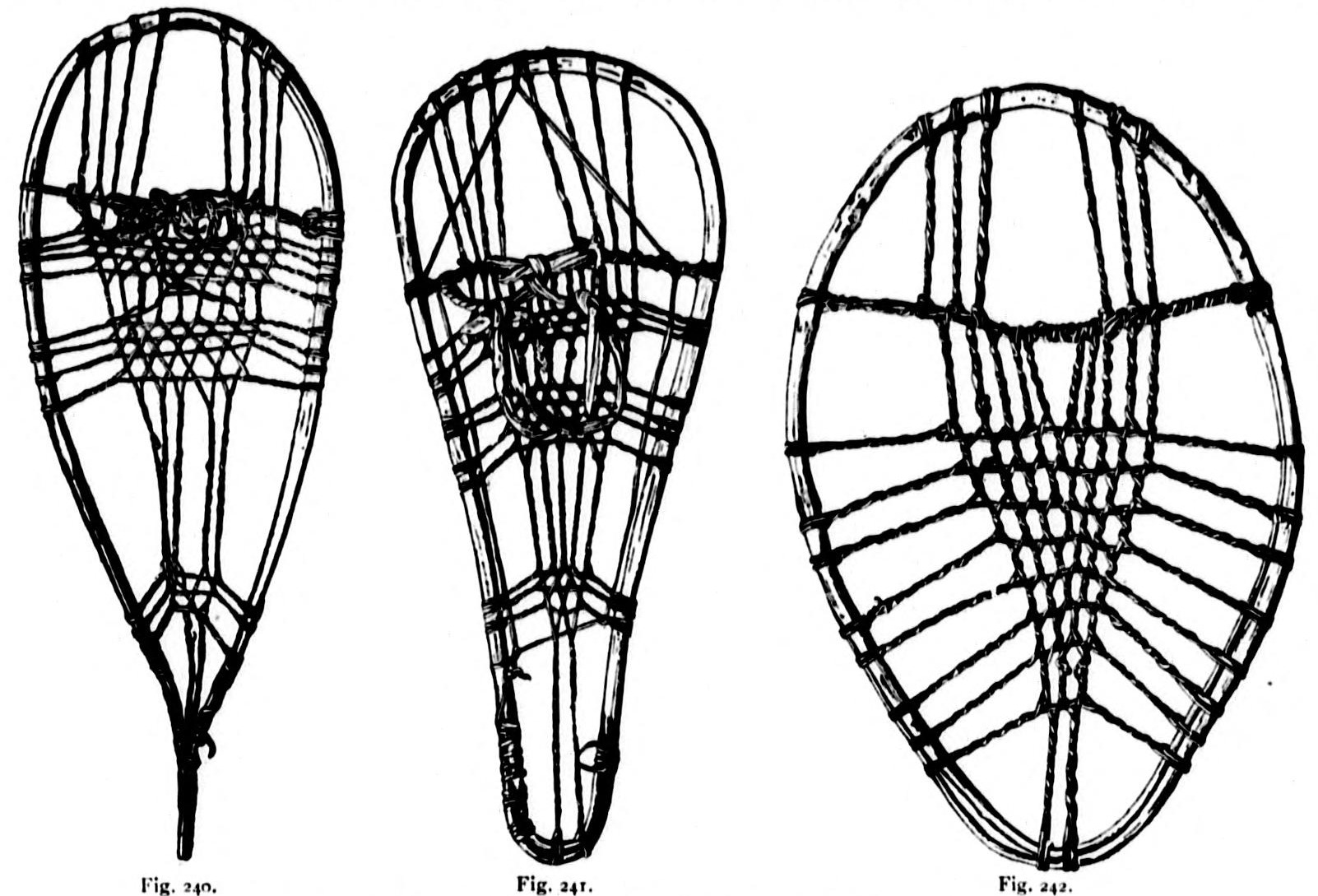


Thompson (Nlaka'pamux) Snowshoes: One-Piece Maple or Yew Frames Steamed in Pairs, Netted with Twisted Raw Deer-Hide (Teit, 1900)
Snowshoes of the Thompson (Nlaka'pamux) people, from James Teit: each frame a single rod of mountain maple or yew, the two frames tied together and their points spread with a short stick so they steam into a matching pair with turned-up toes, then netted with fine, slightly twisted strings of raw deer-hide. Rounded, wide-meshed shoes for steep mountains and wet snow.
Trung cấp
Two or three days
Hướng dẫn
1
1
Read Teit
Read Teit
"The frame is made of one piece of mountain-maple or yew wood, and the network is of raw deer-hide cut into fine strings and slightly twisted."
2
2
Shape two frame rods
Shape two frame rods
For each shoe take one rod of mountain maple or yew and shave it even (ours: about 2.5 m long and 2.5 cm thick for a rounded shoe of roughly 90 x 40 cm).
Vật liệu cho bước này:
 Sào gỗ tươi1 cái
Công cụ cần thiết:
 Dao
 Dao nạo hai cán
3
3
Bend and steam as a pair
Bend and steam as a pair
Bend each rod into the frame shape, tie the two frames together and push a short stick between their points to spread them, so the toes turn up. Steam them in that position until they keep the shape. Ours: over a kettle of boiling water under a cover, then let them dry tied.
Vật liệu cho bước này:
 Dây thừng, dây bện1 cái
 Nước1 cái
Công cụ cần thiết:
 Ấm gang
 Hố lửaDao
4
4
Cut and twist the netting
Cut and twist the netting
Cut raw deer-hide into fine strings and twist them slightly. Ours: soak them so they shrink tight as they dry.
Vật liệu cho bước này:
 Dải da sống1 cáiNước1 cái
Công cụ cần thiết:
Dao5
5
Net the shoe
Net the shoe
Lash in cross-bars and net the frame. The Lower Thompsons used rounded frames with rather wide meshes, good on steep slopes and in moist snow; the upper bands made them longer and netted them more closely. Ours: follow the ordinary snowshoe, Fig. 242.
Vật liệu cho bước này:
Dải da sống1 cáiCông cụ cần thiết:
 DùiDao
6
6
Troubleshooting
Troubleshooting
Snowshoe troubleshooting.
Flow
Loading...
7
7
History and honest limits
History and honest limits
From James Teit, *The Thompson Indians of British Columbia*, **Memoirs of the American Museum of Natural History, Jesup North Pacific Expedition** vol. I part IV (1900), pp. 256-257 and Figs. 239-242 (checked on the archive.org scan cihm_16242). He names six netting forms, among them the 'owl sole' and 'magpie sole', and a Shuswap type four to five feet long and pointed at both ends. Sizes, the steaming setup and the netting order are ours.
Vật liệu
4- 1 cáiTạm thời
- 1 cáiTạm thời
- 2 cáiTạm thời
- 1 cáiTạm thời
Bản thiết kế này làm ra
Blueprint liên quan
Các blueprint này chia sẻ kiến thức — kỹ thuật, vật liệu hoặc nguyên tắc
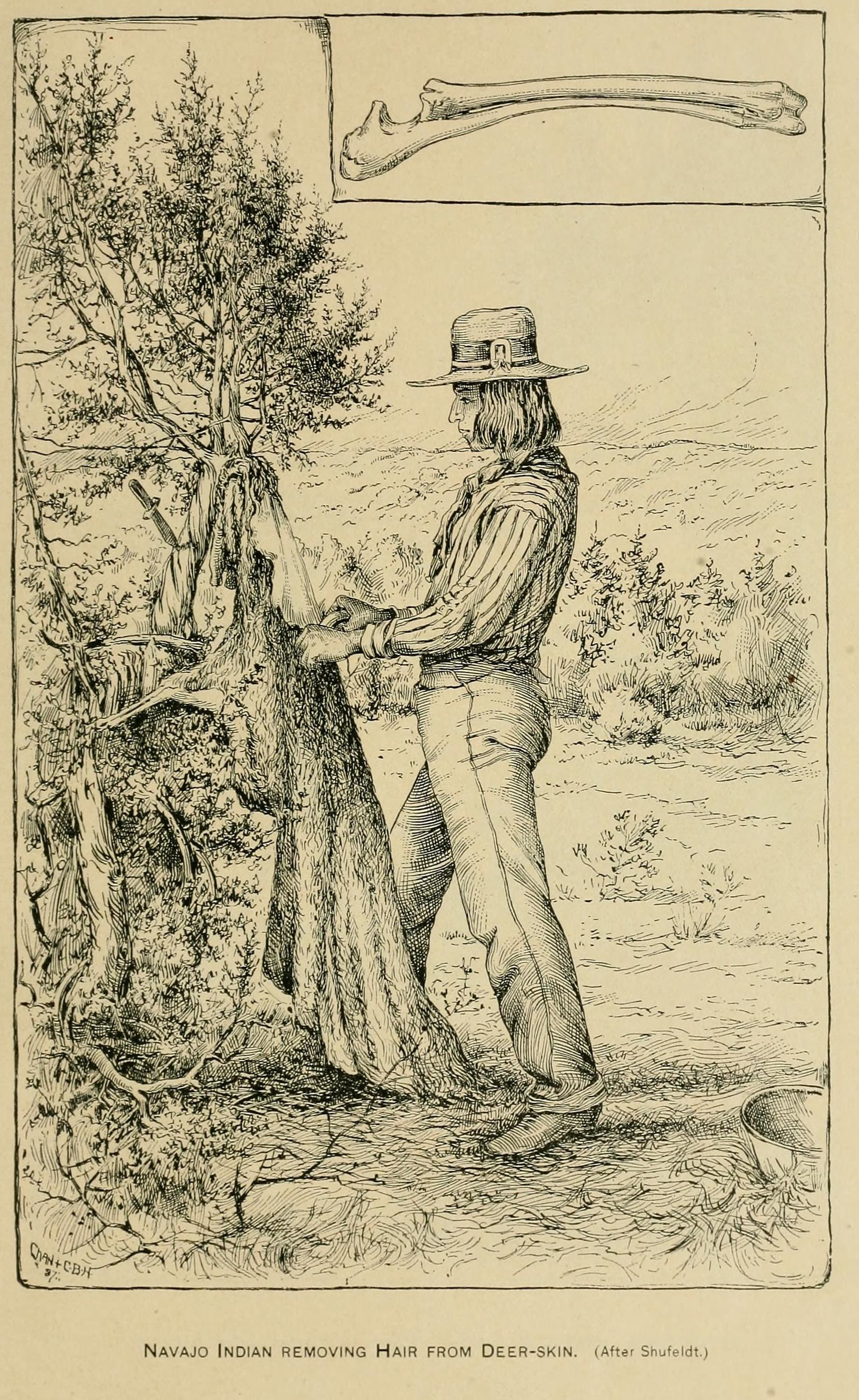
Navajo Buckskin: Hair Shaved with the Deer's Own Foreleg Bone, Brains Rubbed In, Wrung on a Tree, Worked Dry over the Feet (Shufeldt, 1888)
bởi Tex
Dệt và da
7
0
0
0
0
0
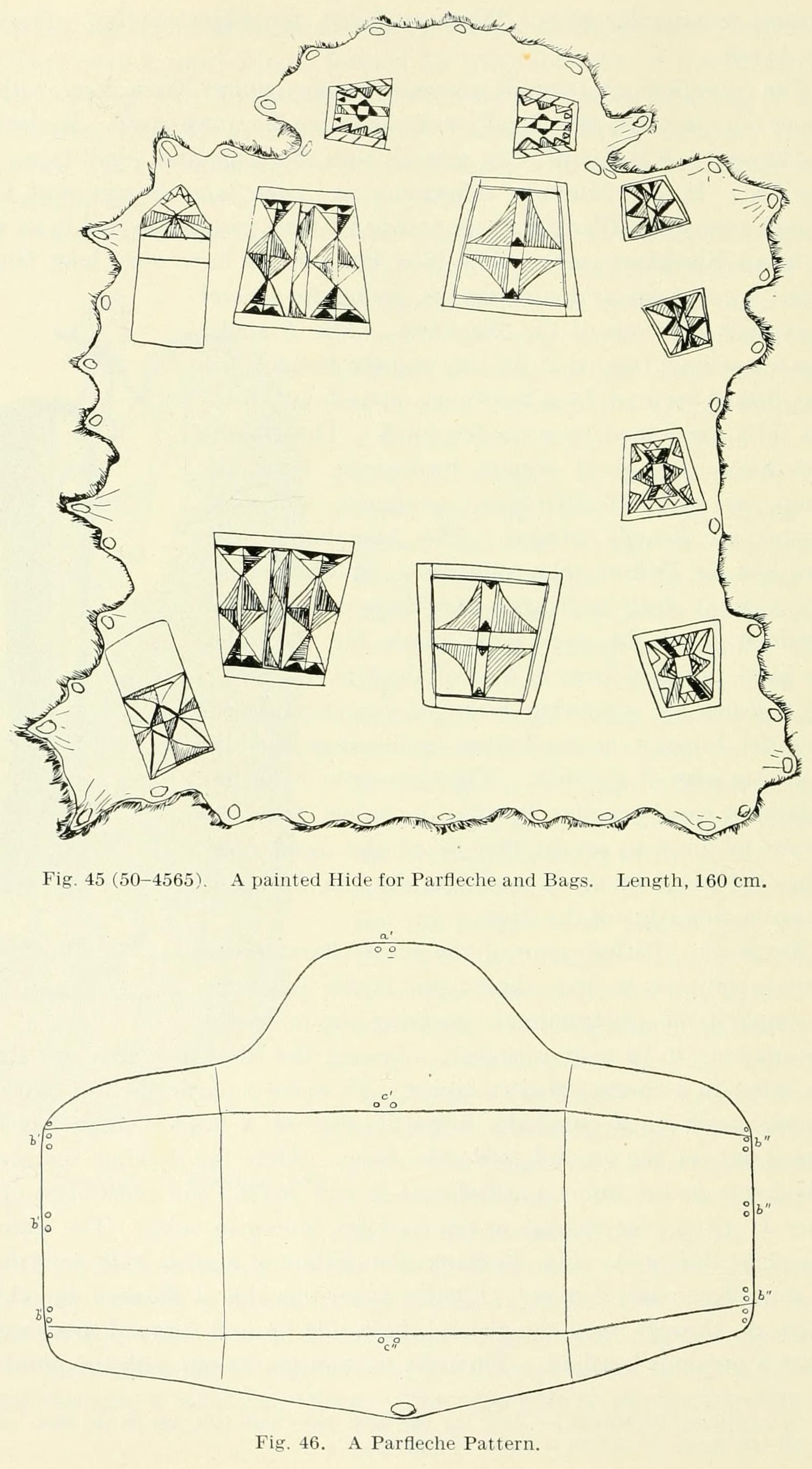
Blackfoot Parfleche: Rawhide Pegged Out, Fleshed, Painted While Staked, Scraped Even, Cut and Folded Like an Envelope (Wissler, 1910)
bởi Tex
Dệt và da
7
0
0
0
0
0
CC0 Phạm vi công cộng
Bản thiết kế này được phát hành theo CC0. Bạn tự do sao chép, sửa đổi, phân phối và sử dụng cho bất kỳ mục đích nào mà không cần xin phép.
Hỗ trợ nhà sáng tạo bằng cách mua sản phẩm qua bản thiết kế, nơi họ nhận Hoa hồng nhà sáng tạo do nhà bán hàng đặt, hoặc tạo phiên bản mới và kết nối trong bản thiết kế riêng để chia sẻ doanh thu.