NGHỆ THUẬT
LÀM ĐẸP VÀ SỨC KHỎE
THỦ CÔNG
VĂN HÓA VÀ LỊCH SỬ
GIẢI TRÍ
MÔI TRƯỜNG
THỰC PHẨM VÀ ĐỒ UỐNG
KỸ THUẬT NGƯỢC
KHOA HỌC
THỂ THAO
CÔNG NGHỆ
THIẾT BỊ ĐEO
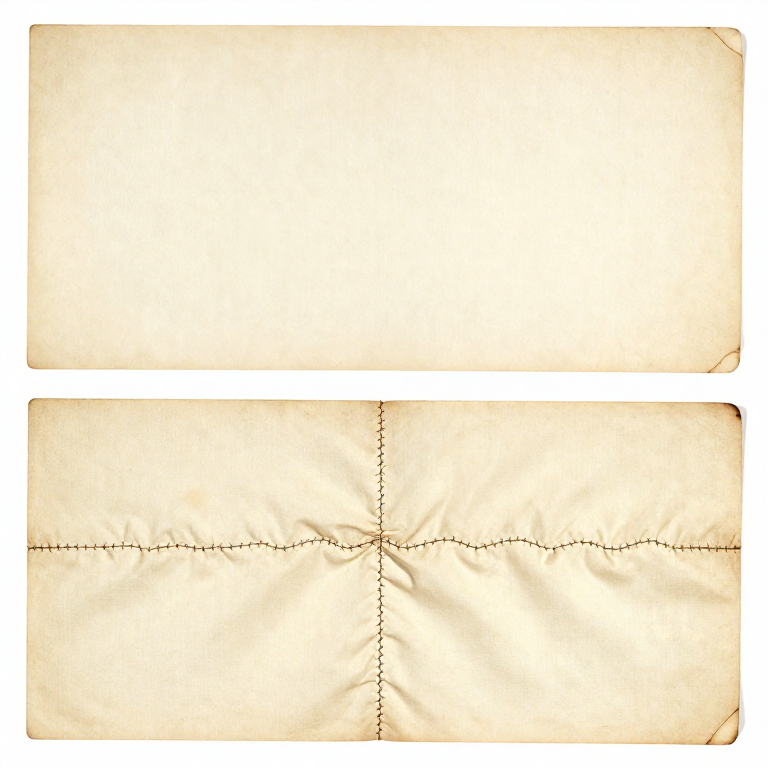


Why Hand Seams Outlive Machine Ones — And When They Do Not
A hand-sewn seam has slightly uneven stitches, and that turns out to be an advantage. Under strain the loose stitches take up first and the load spreads along the seam, while a perfectly even machine seam loads every stitch at once and fails at its weakest.
A hand seam also gives. A machine lock stitch is rigid, so on a garment that moves, the FABRIC stretches around it and tears at the stitch line — which is why old hand-sewn clothes survive and cheap modern seams split.
None of which means hand sewing is better. A machine is many times faster and perfectly adequate for most seams. It means knowing which seams deserve the hand work.
Trung cấp
3 hours
Hướng dẫn
1
1
Tension: the thread must not be tighter than the cloth
Tension: the thread must not be tighter than the cloth
Sew so the thread lies in the fabric rather than pulling it. Hold the work up after a few centimetres: if the seam line is gathered or wavy, the thread is tighter than the cloth.
Puckering is almost always tension, and it is permanent — pressing flattens it temporarily and it comes back with the first wash. The fix is to unpick and re-sew more loosely, which is why the unpicking rung is not a rung about failure.
Let the thread run out of the fabric naturally at the end of each stitch rather than pulling it home. The stitch should be snug against the cloth and no more.
Vật liệu cho bước này:
 Vải lanh2 cái
 Chỉ khâu1 cái
Công cụ cần thiết:
 Kim khâu tay
 Dụng cụ tháo chỉ
 Kính lúp thợ kim hoàn
2
2
Match the thread to the fabric, not the other way round
Match the thread to the fabric, not the other way round
The thread should be slightly WEAKER than the fabric it joins. When the seam is overloaded you want the thread to break, not the cloth to tear — a broken thread is a ten-minute repair and a torn fabric is often unrepairable.
So a heavy polyester thread in a fine cotton shirt is the wrong way round: it will outlast the cloth and cut it. Cotton thread on cotton, wool on wool, and a synthetic where the fabric is synthetic.
Fibre also decides behaviour in the wash. A cotton thread shrinks with a cotton fabric; a polyester thread does not, so a seam sewn with it in cotton puckers permanently the first time it is washed hot.
Vật liệu cho bước này:
Chỉ khâu1 cáiVải lanh1 cái Vải cô tông1 cái
Công cụ cần thiết:
Kim khâu tay3
3
Fasten off so it cannot unravel
Fasten off so it cannot unravel
End a seam with two or three small backstitches on top of each other, then run the needle inside the seam allowance for a centimetre before cutting. The thread end is buried and the stitches lock.
A knot alone works loose with washing and wear, and a thread simply cut off unravels back along the seam — which is how a seam that was perfectly sound opens up from one end for no apparent reason.
Do the same at the start. Backstitching both ends of every seam costs seconds and is the single most common difference between a seam that lasts and one that quietly comes undone.
Vật liệu cho bước này:
Chỉ khâu1 cáiVải lanh2 cáiCông cụ cần thiết:
Kim khâu tay Kéo cắt vảiKính lúp thợ kim hoàn
4
4
Where the hand work is worth it
Where the hand work is worth it
Hand sew where the seam must give — an armhole, a collar, anything that moves with the body. Hand sew where it must not show, which the slip stitch does and no machine can. And hand sew where the piece is too small or too awkward to feed through a machine.
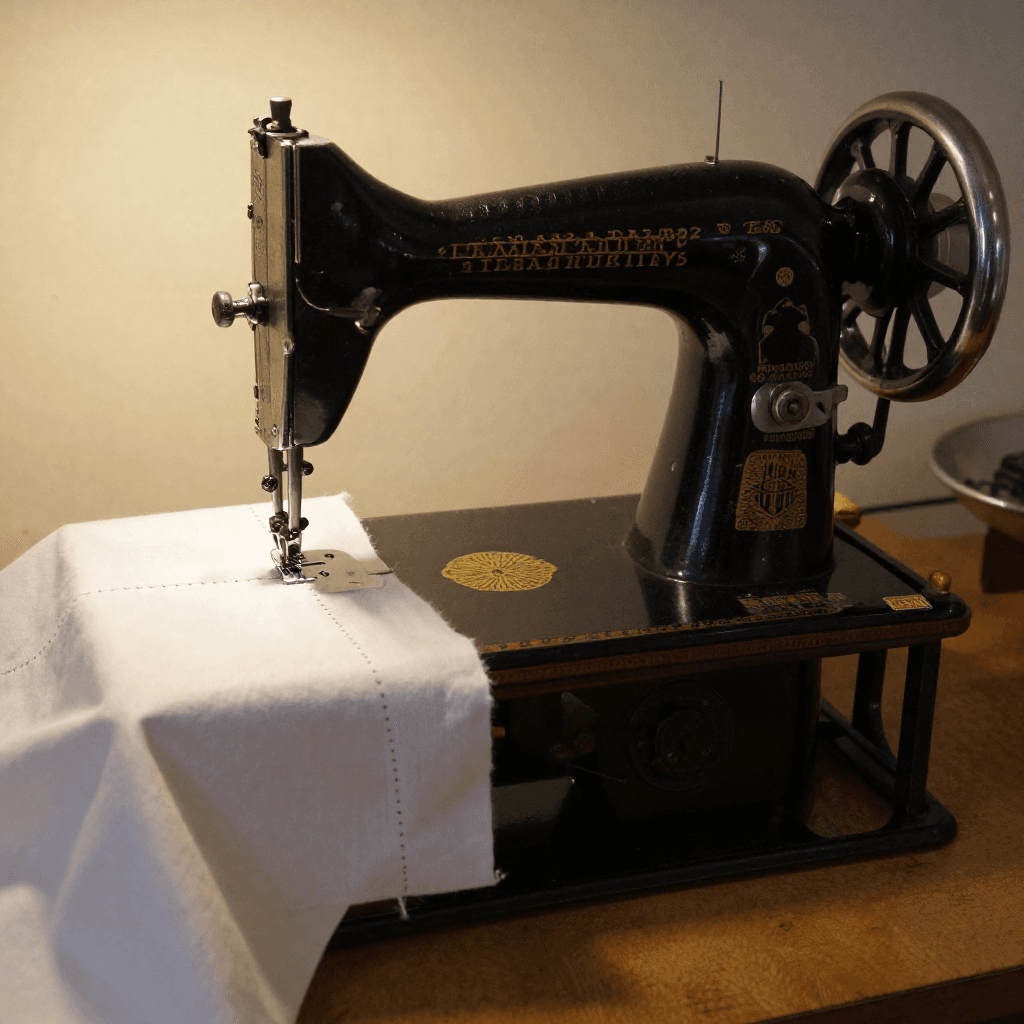
Machine the long straight structural seams. They are faster, strong enough, and nobody will ever know. The published lock-stitch blueprint is that machine, and it exists because most seams genuinely do not need a hand.
The tailoring tradition is exactly this division: machine the construction, hand sew the parts that must move, fit or be invisible. It is not nostalgia — it is each method used where its properties actually matter.
Vật liệu cho bước này:
Vải lanh2 cáiChỉ khâu1 cáiCông cụ cần thiết:
Kim khâu tay Đê khâu (kim loại)
 Thước đo lai
Công cụ yêu cầu
6- Tạm thời
- Tạm thời
- Tạm thời
- Tạm thời
- Tạm thời
- Tạm thời
Blueprint liên quan
Các blueprint này chia sẻ kiến thức — kỹ thuật, vật liệu hoặc nguyên tắc
CC0 Phạm vi công cộng
Bản thiết kế này được phát hành theo CC0. Bạn tự do sao chép, sửa đổi, phân phối và sử dụng cho bất kỳ mục đích nào mà không cần xin phép.
Hỗ trợ nhà sáng tạo bằng cách mua sản phẩm qua bản thiết kế, nơi họ nhận Hoa hồng nhà sáng tạo do nhà bán hàng đặt, hoặc tạo phiên bản mới và kết nối trong bản thiết kế riêng để chia sẻ doanh thu.