NGHỆ THUẬT
LÀM ĐẸP VÀ SỨC KHỎE
THỦ CÔNG
VĂN HÓA VÀ LỊCH SỬ
GIẢI TRÍ
MÔI TRƯỜNG
THỰC PHẨM VÀ ĐỒ UỐNG
KỸ THUẬT NGƯỢC
KHOA HỌC
THỂ THAO
CÔNG NGHỆ
THIẾT BỊ ĐEO
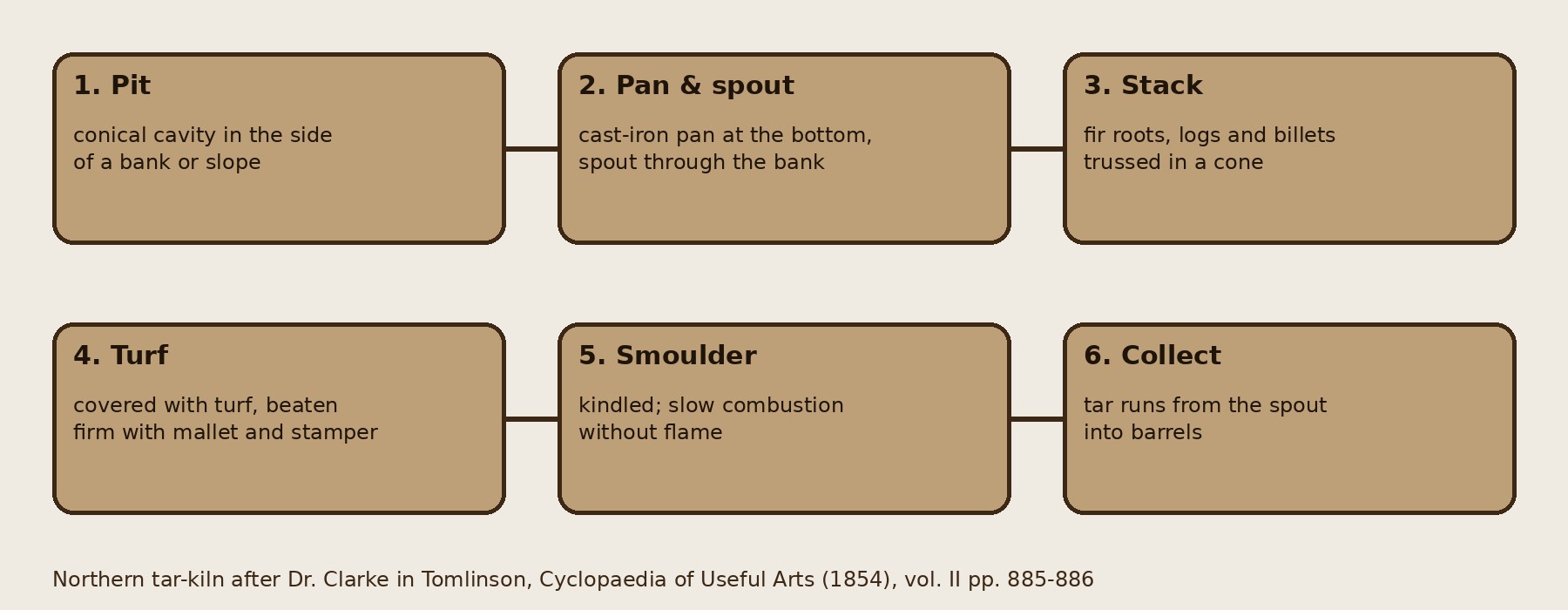


Pine Tar From a Turf-Covered Pit Kiln: Fir Roots Smouldered Over a Pan and Spout (Tomlinson, 1854)
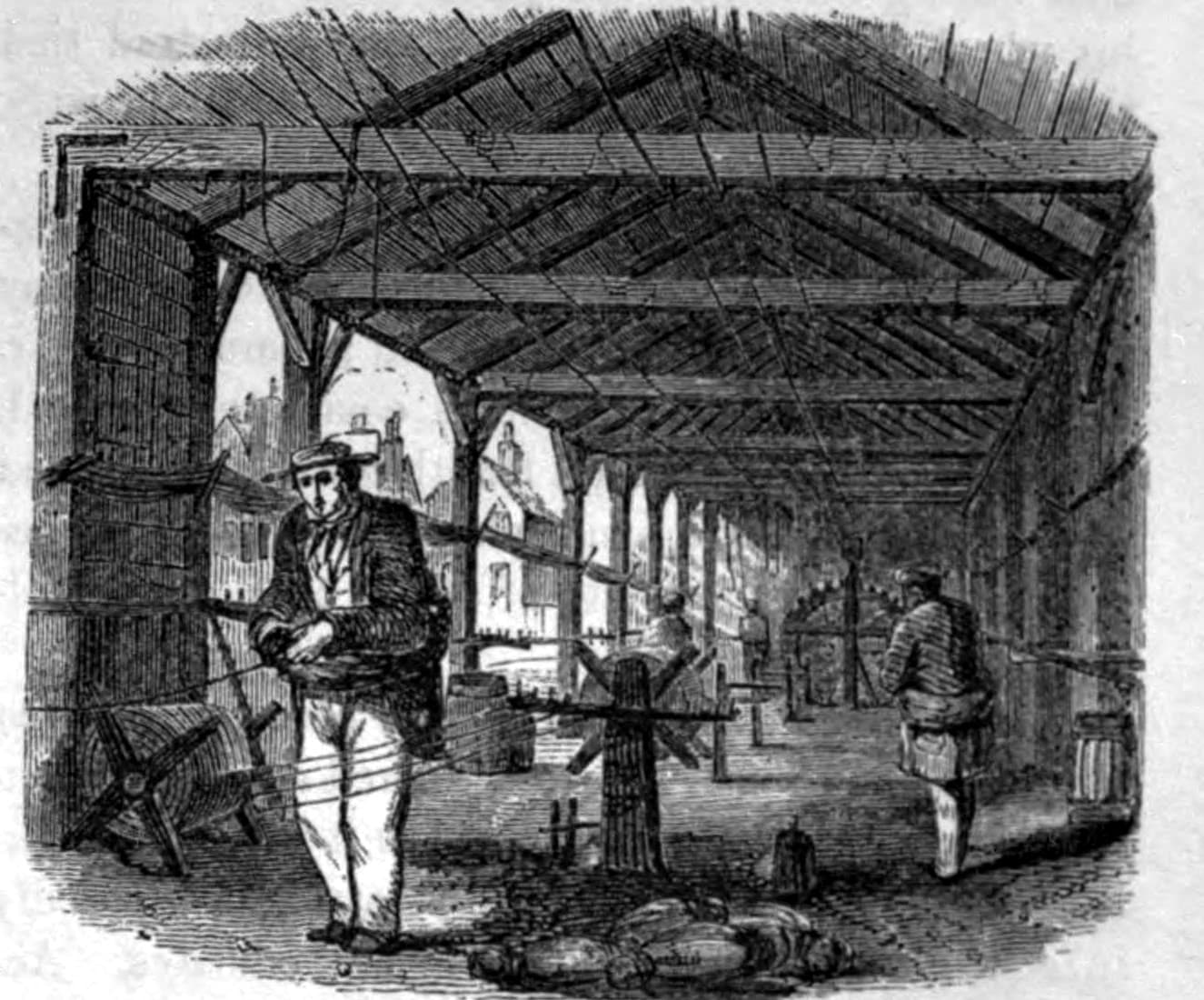
The old northern way of making tar, from Dr. Clarke's account in Tomlinson's Cyclopaedia of Useful Arts (1854): fir roots and resinous billets stacked in a cone in a pit dug into a bank, covered with beaten turf and smouldered without flame, so the tar runs down into a cast-iron pan and out through a spout into barrels, leaving the wood as charcoal.
Trung cấp
Several days
Hướng dẫn
1
1
What the kiln gives
What the kiln gives
Đang tải sổ tay Jupyter…
2
2
Read the Cyclopaedia of Useful Arts
Read the Cyclopaedia of Useful Arts
"The process by which the tar is obtained, is very simple."
3
3
Gather the wood
Gather the wood
Use fir (pine) roots, rotten stubs and scorched trunks, with logs and billets of the same; roots from marshy ground are richest. (Laing: stunted trees are peeled a fathom or two up the stem, by degrees, and felled 5 or 6 years later, rich in tar.)
Vật liệu cho bước này:
 Gỗ nhiều nhựa1 cái
Công cụ cần thiết:
 Rìu
 Cưa tay
4
4
Dig the pit
Dig the pit
Dig a conical cavity in the side of a bank or sloping hill. Set a cast-iron pan at the bottom of the funnel with a spout projecting through the side of the bank.
Công cụ cần thiết:
 Xẻng
 Nồi lớn
5
5
Stack and cover
Stack and cover
Truss the roots, logs and billets neatly in a conical stack and let it into the cavity. Cover it with turf and beat the turf down firm with a heavy wooden mallet and a wooden stamper, two people working.
Công cụ cần thiết:
 Vồ gỗXẻng
6
6
Smoulder and collect
Smoulder and collect
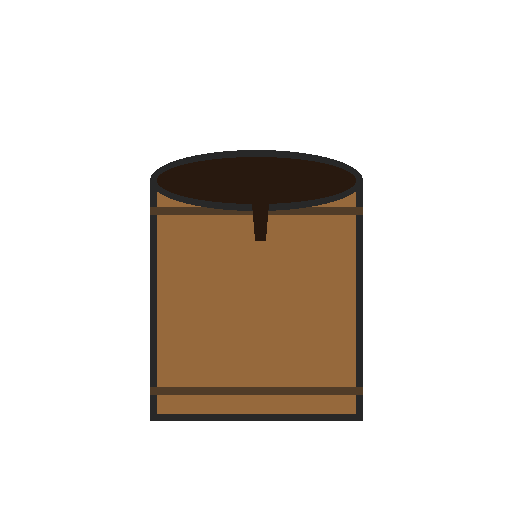
Kindle the stack and let it burn slowly without flame, as in charcoal making. The tar exudes, runs into the pan and out of the spout: set barrels under it and bung them as they fill. The wood that remains is charcoal.
Công cụ cần thiết:
 Thùng gỗ
7
7
Troubleshooting
Troubleshooting
Tar kiln troubleshooting.
Flow
Loading...
8
8
History and honest limits
History and honest limits
From Charles Tomlinson (ed.), **Cyclopaedia of Useful Arts** (1854), vol. II, "Turpentine", quoting Dr. Clarke and Mr. Laing (checked on the archive.org scan cyclopdiaofuse02tomlrich, pp. 885-886). He gives no pit sizes. The tools and diagram are ours.
Vật liệu
1- 1 cáiTạm thời
Bản thiết kế này làm ra
Blueprint liên quan
Các blueprint này chia sẻ kiến thức — kỹ thuật, vật liệu hoặc nguyên tắc

CC0 Phạm vi công cộng
Bản thiết kế này được phát hành theo CC0. Bạn tự do sao chép, sửa đổi, phân phối và sử dụng cho bất kỳ mục đích nào mà không cần xin phép.
Hỗ trợ nhà sáng tạo bằng cách mua sản phẩm qua bản thiết kế, nơi họ nhận Hoa hồng nhà sáng tạo do nhà bán hàng đặt, hoặc tạo phiên bản mới và kết nối trong bản thiết kế riêng để chia sẻ doanh thu.