NGHỆ THUẬT
LÀM ĐẸP VÀ SỨC KHỎE
THỦ CÔNG
VĂN HÓA VÀ LỊCH SỬ
GIẢI TRÍ
MÔI TRƯỜNG
THỰC PHẨM VÀ ĐỒ UỐNG
KỸ THUẬT NGƯỢC
KHOA HỌC
THỂ THAO
CÔNG NGHỆ
THIẾT BỊ ĐEO
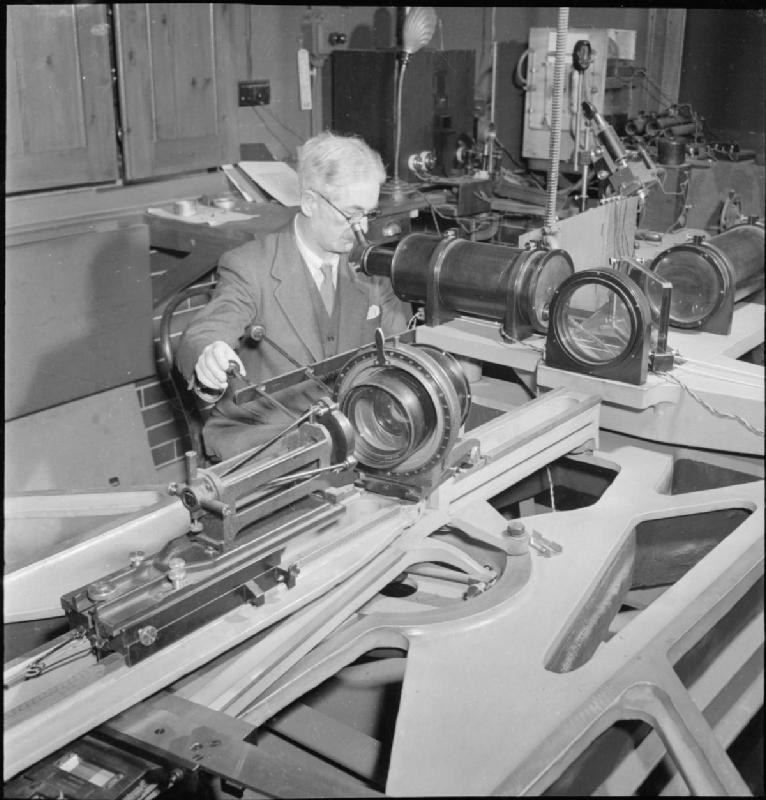

The Twyman-Green Interferometer
Frank Twyman and A. Green patented one change to the Michelson in 1916 and turned a physics instrument into a production tool. Illuminate it with a COLLIMATED beam — a plane wave rather than a point source — and put the optic you want to test in one arm, with a mirror behind it to send the light back through.
A perfect optic returns the plane wave unchanged and the fringes are dead straight. A real one returns a wavefront with its own errors printed into it, and the fringes bend by exactly that much. The pattern is a contour map of the optic's error, in steps of half a wavelength, and because the light passes through twice the error is doubled and therefore easier to see.
The Fizeau wedge of blueprint 3 already maps a surface, and does it more cheaply. What it cannot do is test anything that is not a flat you can lay a reference against — a cemented doublet, a prism, a whole telescope. Moving the optic into an ARM of an interferometer removes that constraint completely, at the cost of a collimator and about two orders of magnitude in money.
It also produces the one number an optical shop can put on a certificate: peak-to-valley wavefront error, against the quarter-wave criterion below which an optic is as good as its aperture allows and polishing further buys nothing at all.
Nâng cao
4 hours
Hướng dẫn
1
1
Collimate, then insert the optic
Collimate, then insert the optic
Start from the Michelson of blueprint 4. Expand the laser through a short-focus lens and re-collimate it with a longer one, so the beam leaves as a wide plane wave — check by confirming the spot does not change size across three metres.
Put the lens under test in one arm with a front-surface mirror behind it, positioned so the light comes back on itself. Re-find the fringes.
Vật liệu cho bước này:
 Bộ thấu kính phẳng-lồi1 cái
 Gương tráng mặt trước1 cái
 Khối tách chùm1 cái
Công cụ cần thiết:
 Bộ băng quang học
 Bút laser
 Kính bảo hộ laser
 Thước kẻ
2
2
Null the tilt and read the bow
Null the tilt and read the bow
Adjust the reference mirror until the fringes are as wide and as straight as you can make them. That removes tilt and defocus, which are alignment rather than optic error.
Photograph the pattern. As in blueprint 3, measure the fringe spacing and the greatest departure of a fringe from straight, and divide. Test the same lens turned through ninety degrees: astigmatism shows up as a bow that rotates with the optic, and mounting strain as one that does not.
Công cụ cần thiết:
 Máy tính để bànThước kẻ
3
3
Wavefront error, Rayleigh, Strehl
Wavefront error, Rayleigh, Strehl
Đang tải sổ tay Jupyter…
Công cụ cần thiết:
Máy tính để bàn4
4
Compendium: what the fringes cannot tell you
Compendium: what the fringes cannot tell you
TILT AND DEFOCUS ARE NOT ERRORS. Straight evenly spaced fringes mean tilt; circular ones mean the return mirror is at the wrong distance. Both are how you SET THE THING UP and both are removed before anything is measured, which is why a Twyman-Green result is always quoted after subtracting them. Confusing an alignment fringe pattern with an optic's error is the classic beginner's result, and it always reads far worse than the optic deserves.
THE SIGN AMBIGUITY, AND HOW THE MODERN INSTRUMENT ESCAPES IT. A single fringe pattern cannot tell a bump from a dip: both bend the fringes the same way. Traditionally you resolved it by introducing a known tilt and watching which way the bow moved. A modern phase-shifting interferometer instead steps the reference mirror through a fraction of a wavelength with a piezo, captures several frames, and computes the phase at every pixel unambiguously — which is how the same 1916 layout now delivers a full surface map to a hundredth of a wave rather than a photograph to be interpreted by eye.
Vật liệu
3- Tạm thời
- Tạm thời
- 1 cáiTạm thời
Blueprint liên quan
Các blueprint này chia sẻ kiến thức — kỹ thuật, vật liệu hoặc nguyên tắc
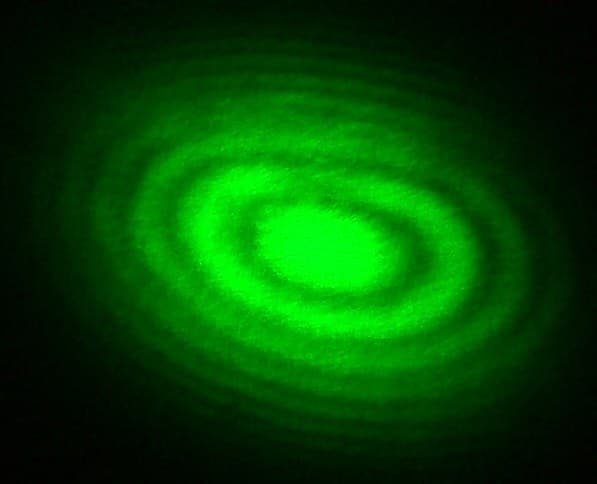
The Michelson Interferometer
bởi Penny
Sản xuất trừ dần
48
0
0
0
0
0
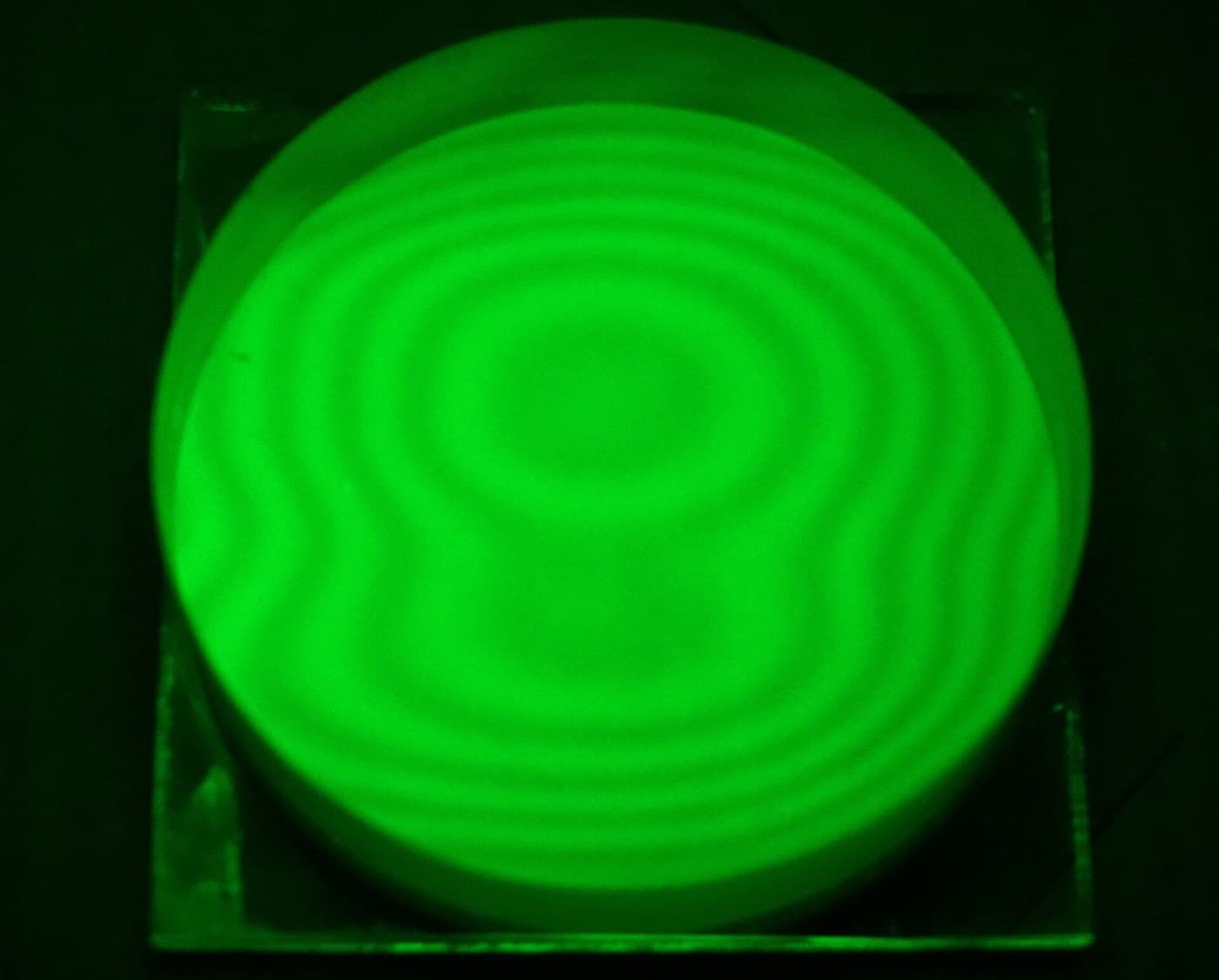
The Fizeau Wedge and the Optical Flat
bởi Emma
Sản xuất trừ dần
54
0
0
0
0
0
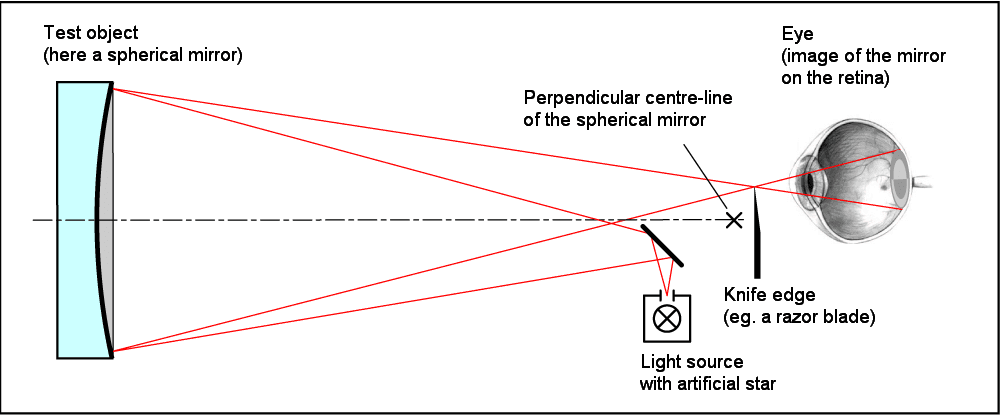
Foucault Knife-Edge Test
bởi Astro
KHOA HỌC
51
0
0
0
0
0
Achromatic Lens
bởi Penny
Vật lý học
37
0
0
0
0
0
Building a Newtonian Reflecting Telescope — Mirrors Instead of Lenses
bởi Astro
Mộc
88
1
0
0
2
0
CC0 Phạm vi công cộng
Bản thiết kế này được phát hành theo CC0. Bạn tự do sao chép, sửa đổi, phân phối và sử dụng cho bất kỳ mục đích nào mà không cần xin phép.
Hỗ trợ nhà sáng tạo bằng cách mua sản phẩm qua bản thiết kế, nơi họ nhận Hoa hồng nhà sáng tạo do nhà bán hàng đặt, hoặc tạo phiên bản mới và kết nối trong bản thiết kế riêng để chia sẻ doanh thu.