
Ukuvuna Nokucubungula i-Rooibos — Izintaba zaseCederberg, eNtshona Koloni
Hướng dẫn
Ukuqonda isitshalo se-rooibos
Ukuqonda isitshalo se-rooibos
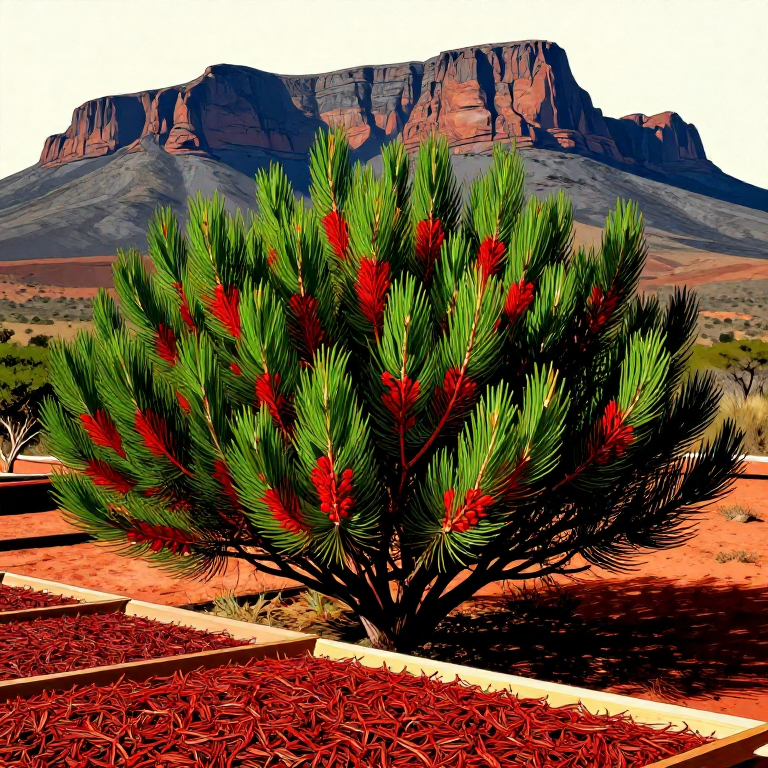
I-rooibos (Aspalathus linearis) ayisiyona itiye — iyisihlahla esincane somndeni wezimbali i-Fabaceae (umndeni wezimbali zamahlumela). Ikhula kuphela esifundeni saseCederberg eNtshona Koloni yaseNingizimu Afrika, lapho umhlabathi ongumhlabathisane onobuso (pH 3.5-5.0) nezi zulu ezingu-250-600mm ngonyaka zidala izimo ezifanele. Isitshalo sifinyelela ubude obungu-1-2m futhi siphila iminyaka engu-5-8 yokuvuna. Amahlamvu ayo amancane anjengezinaliti, angaba ngu-10-40mm ubude. I-rooibos inekhemikhali i-aspalathin, umvimbeli wokuvuvukala ongekho kwezinye izitshalo emhlabeni.
Ukuhlola ukulungela kokuvuna
Ukuhlola ukulungela kokuvuna
Isikhathi sokuvuna siqala ngoMasingana (uJanuwari) kuya kuNdasa (uMashi) — ihlobo laseNingizimu ye-hemisphere. Izitshalo zilungele ukuvunwa uma amagatsha amasha esekhule ngokwanele futhi amahlamvu esenamanzi amahle. Isitshalo kufanele sibe nobudala obungu-18 izinyanga okungenani ngaphambi kokuvuna kokuqala. Amahlamvu kufanele abe luhlaza okumnyama, ahlanganiswe ngokuqinile egatsheni. Uma umhlaba usomile kakhulu ngenxa yesomiso, linda uze uthole imvula ngaphambi kokuvuna — ukuvuna phakathi nesomiso kubulala isitshalo.
Ukusika amagatsha ngesikela
Ukusika amagatsha ngesikela
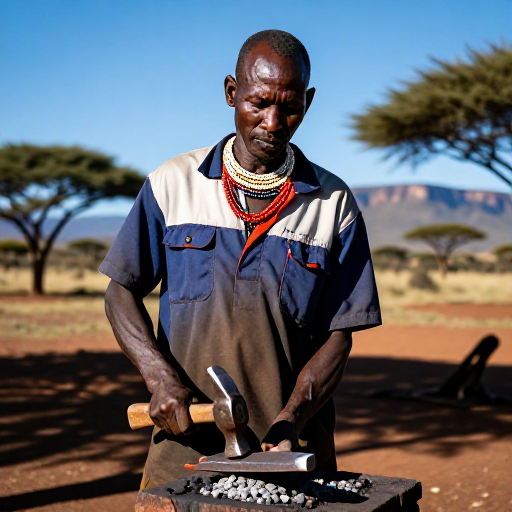
Sika amagatsha e-rooibos ngesikela ebukhali, ugcine cishe ngu-30cm ngaphezu komhlabathi. Lokhu kumqoka kakhulu — ukusika ngaphansi kwalokhu kubulala isitshalo ngoba akukwazi ukuphinde kumile. Isitshalo esiphilile sizokhiqiza amagatsha amasha kusuka ezicutshaneni ezisele futhi silungele ukuvunwa kabusha emva kwezinyanga ezingu-6-8. Qoqa amagatsha awahlanganise ayizinyanda ukuze kulula ukuwathwala. Inyanda ngayinye kufanele ibe ngu-5-8kg.
Vật liệu cho bước này:
 Cành rooibos già50 kg
Công cụ cần thiết:
 Liềm
Liềm Găng tay da bảo hộ
Ukuthwala izinyanda endaweni yokusebenza
Ukuthwala izinyanda endaweni yokusebenza
Thwala izinyanda zamagatsha uziyise endaweni yokusika — indawo eqondile enomthunzi ecishe ibe seduze nenkundla yokomisa. Amagatsha kufanele acutshungulwe ngosuku olufanayo lokuvuna. Ukubambezeleka kudala ukubola nokumila kwesikhunta esenza i-rooibos ibe nombala omnyama nensizi engemnandi. Beka izinyanda phezu kwepulangwe noma i-tarpaulin, ungabeki ngqo emhlabathini ukugwema ukungcola.
Công cụ cần thiết:
 Bạt polyethylene
Ukusika amagatsha abe yizicucu ezincane
Ukusika amagatsha abe yizicucu ezincane
Sika amagatsha e-rooibos abe yizicucu ezincane ezingu-3-5mm ubude ngomshini wokusika noma ngesikela. Ukubukhulu balezi zicucu kumqoka — izicucu ezinkulu ngokweqile azikwazi ukuvuvukalisa kahle, kuthi ezincane ngokweqile zibe uthuli. Umshini wokusika unamasongo abukhali aphendula ngesivinini esingu-1,500-3,000 rpm. Uma usika ngesandla, sika ube nesiqiniseko sokuthi zonke izicucu zilingana ngobukhulu. Amahlamvu nezingxenyana zamahlamvu kufanele zihlanganiswe namagatsha asikiwe.
Công cụ cần thiết:
 Máy băm trà cơ khí
 Đá mài dao
Ukukhuhla izicucu ukuze kuqale ukuvuvukala
Ukukhuhla izicucu ukuze kuqale ukuvuvukala
Izicucu ezisikiwe kufanele zikhuhliwe (bruised) ukuze kuqale inqubo yokuvuvukala (oxidation). Misa izicucu ngemishini yokugaya noma uzikhuhle ngezandla — lokhu kuphula amaseli emahlamvini, kukhulula ama-enzyme kanye nama-polyphenol azidingayo ukuze kuqale ukuvuvukala. Ungaboni uma izicucu ziqala ukuba manzi futhi zikhipha iphunga elimnandi, elibukhazikhazi. Leli gxathu linquma insimbi yombala nesithombe se-rooibos yokugcina.
Công cụ cần thiết:
 Máy trục lăn đập thân cây
Ukufukamela — inqubo yokuvuvukala
Ukufukamela — inqubo yokuvuvukala
Beka izicucu ezikhuhliwe zibe yinqwaba endaweni epholile engaphakathi, ngobude obungu-20-30cm. Fafaza amanzi amancanyana ukugcina umswakama — izicucu kufanele zibe manzi kodwa zingaminzi. Vala inqwaba nge-tarpaulin ukuze ugcine ukushisa nokuswakama. Inqubo yokuvuvukala (i-fermentation) ithatha amahora angu-8-12. Phakathi nalesi sikhathi, ama-polyphenol emahlamvini avuvukala ngenxa yama-enzyme, aguqula umbala usuka oluhlaza okwesibhakabhaka uya kubomvu-nsundu — umbala wesiqobo we-rooibos. Ukushisa kwinqwaba kunyuka kufinyelele ku-38-42°C. Uma kushisa ngaphezu kuka-50°C, vula i-tarpaulin ukuze upholise.
Vật liệu cho bước này:
 Nước cất20 lít
Công cụ cần thiết:
Bạt polyethylene Nhiệt kế đầu dò cắm sẵn
Ukwendlala enkundleni yokomisa
Ukwendlala enkundleni yokomisa
Emva kwamahora angu-8-12 okuvuvukala, yendlala izicucu ze-rooibos enkundleni yokomisa ngokulinganayo. Inkundla yokomisa indawo eyenziwe ngokhonkolo noma itshe lesamente eqondile, ephakeme emhlabathini. Yendlala izicucu zibe wucezu oluncane — ubude obungaphansi kuka-5cm. Sebenzisa ihhala ukuze uzisabalalise ngokulinganayo. I-rooibos kufanele ibhekane nelanga ngqo. Phendula izicucu njalo emva kwamahora angu-2-3 ukuze zicome ngokulinganayo. Inqubo yokomisa ithatha amahora angu-1-3 elangeni laseNingizimu Afrika ehlobo.
Công cụ cần thiết:
 Sân phơi bê tông
 Cào làm vườn
Ukuhlola ukoma
Ukuhlola ukoma
I-rooibos ekomile kufanele ibe nomswakama ongaphansi kuka-10%. Hlola ukoma ngokuthatha isandla esigcwele se-rooibos usigxobe — kufanele siphuke ngomsindo oqinile, singaguqi noma singanyakazi. Uma sisaguqa, kusafanele ikome isikhathi esidana. Umbala kufanele ube bomvu-nsundu ngokulinganayo, engathi umbala wekhobha le-sinamoni. Izicucu eziluhlaza noma ezimhlophe zibonisa ukuthi ukuvuvukala bekungaphelele. Iphunga kufanele libe mnandi, linokulungiselela — phakathi kwenyama nekhobha.
Ukuhlungisa ngezihluzo
Ukuhlungisa ngezihluzo
Dlulisa i-rooibos ekomile ezihluzisweni eziningi ukuze uhlukanise izicucu ngobungako futhi ususe izinto zangaphandle (amatshe amancane, izingcezu zokhuni olungasikekanga kahle, izinambuzane). Isihluzo sokuqala (isihlungi esinezimbobo ezingu-5mm) sisusa izingcezu ezinkulu. Isihluzo sesibili (2mm) sihlukanisa i-rooibos yesigaba esiphezulu. Isihluzo sesithathu (1mm) sibutha uthuli olufayini. Uthuli lwamazinga aphansi lungathengiswa njenge-rooibos yokugaya noma lusetshenziswe ekwenzeni umhlanganiso wetiye.
Công cụ cần thiết:
 Sàng rungSàng rungSàng rung
Ukuhlanzwa nge-steam
Ukuhlanzwa nge-steam
I-rooibos ehlungiwe ihlanzwa nge-steam (pasteurization) ukuze kubulale amagciwane kanye ne-mould. Dlulisa i-rooibos endaweni ye-steam eku-100°C amasekhondi angu-30-60. Lokhu kwanele ukubulala ama-coliform kanye ne-Salmonella ngaphandle kokuguqula insimbi yephunga. Emva kokuhlanzwa nge-steam, komisa kabusha i-rooibos ize umswakama ube ngaphansi kuka-8% ukuze ugweme ukumila kwesikhunta phakathi kokugcinwa. Leli gxathu lifuneka ukuze i-rooibos ihlangabezane nemigomo yokuphepha kokudla yaseNingizimu Afrika kanye neyamazwe aphesheya.
Công cụ cần thiết:
 Buồng thanh trùng bằng hơi nước
 Máy đo độ ẩm
Ukuhlela izigaba nokupakisha
Ukuhlela izigaba nokupakisha
I-rooibos ihlelwa ngezigaba ngobukhulu nesimo. Isigaba esiphezulu (Super Grade) sinezicucu ezinhle, ezibomvu-nsundu, ezinobude obulinganayo noma ngobukhulu — lesi sigaba sithengiswa njenge-loose leaf tea. Izigaba eziphansi zisetshenziswa emabhokisini etiye (tea bags). Izilinganiso ze-rooibos ehlungiwe: uthuli olufinayo ongaphansi kuka-4%, umswakama ongaphansi kuka-8%, ama-coliforms angaphansi kuka-10 CFU/g. Pakisha i-rooibos ezikhwameni ze-kraft paper ezine-foil polyethylene ngaphakathi ukuze ivikele umswakama, ukukhanya, nokuphefumula. Gcina endaweni epholile, eyomile. I-rooibos epakishiwe kahle igcineka iminyaka engu-2-3 ngaphandle kokulahlekelwa izinga.
Vật liệu cho bước này:
 Túi giấy kraft tráng nhôm20 cái
 Nhãn dán niêm phong20 cái
Công cụ cần thiết:
 Máy hàn miệng túi bằng nhiệt
 Cân nhà bếp điện tử
Vật liệu
4- 50 kgTạm thời
- 20 lítTạm thời
- Tạm thời
- 20 cáiTạm thời
Công cụ yêu cầu
16- Tạm thời
- Tạm thời
- Tạm thời
- Tạm thời
- Tạm thời
- Tạm thời
- Tạm thời
- Tạm thời
- Tạm thời
- Tạm thời
- Tạm thời
- Tạm thời
- Tạm thời
- Tạm thời
- Tạm thời
- Tạm thời
Bản thiết kế này làm ra

CC0 Phạm vi công cộng
Bản thiết kế này được phát hành theo CC0. Bạn tự do sao chép, sửa đổi, phân phối và sử dụng cho bất kỳ mục đích nào mà không cần xin phép.
Hỗ trợ nhà sáng tạo bằng cách mua sản phẩm qua bản thiết kế, nơi họ nhận Hoa hồng nhà sáng tạo do nhà bán hàng đặt, hoặc tạo phiên bản mới và kết nối trong bản thiết kế riêng để chia sẻ doanh thu.